Contemporary architecture: history and characteristics
Contemporary architecture is a style that sparks the curiosity and interest of many people. Defined as all architectural styles in effect after Modernism.
Contemporary architecture is a style that sparks the curiosity and interest of many people. It can be defined as all architectural styles in effect after Modernism. Contemporary architecture brings with it a diversity of trends and styles that reflect the needs and challenges of modern life. It is marked mainly by its originality, boldness, and use of modern technologies and innovative materials. In this article, our goal is to explore more about contemporary architecture. We will understand how this style seeks innovative and sustainable solutions and how it adapts to the needs of a constantly changing society.
Contemporary architecture is an architectural style that emerged after the modernist period. It basically encompasses all architectural trends and styles in effect from that moment on. It is an architecture characterized by its originality, boldness, and use of modern technologies and innovative materials. By not following a single style or aesthetic standard, contemporary architecture stands out for its great diversity. It is marked mainly by its creativity and freedom of experimentation. In contemporary architecture, we find a strong concern for sustainable means and its relationship with the environment.
It is important to note that the contemporary style is not just an aesthetic issue. In general, it is a way of thinking about architecture as a tool for transformation in a constantly changing world. It seeks to bring innovative solutions to the needs and challenges of modern life, integrating, for example, technology into its projects. The contemporary style in architecture seeks to create unique and functional spaces that reflect the personality of its users. It aims to ensure comfortable and harmonious environments with the environment. It is a diverse and free architecture, which values creativity and experimentation in search of unique and functional solutions.
How did contemporary architecture emerge?
Contemporary architecture is an architectural style that emerged after modernism, in the 1960s. The modernist movement was responsible for significant changes in architecture, including the simplification of forms and the emphasis on functionality. However, over time, architects began to question some of the modernist premises and explore new possibilities.
Contemporary architecture is characterized by a wide variety of styles and trends. These styles began to develop from the 1960s and continue to develop to this day. Unlike modernism, which sought to create a universal and timeless language, contemporary architecture embraces cultural and stylistic diversity.
One of the main differences between contemporary architecture and modernism is the approach to context. Modernism sought a break with the past and a more universalist approach. Contemporary architecture, on the other hand, seeks to incorporate the cultural, historical, and geographical characteristics of the place where the building will be constructed. This results in a more contextualized and diverse architecture.
Among the architectural styles that are part of contemporary architecture, we can highlight: postmodernism, high-tech, deconstructivism, neomodernism, minimalism, and organicism. Each of these styles has its own characteristics and influences, but they all share the search for a more complex and diverse architecture.
Postmodernism, for example, is characterized by the mixture of historical and contemporary elements, creating buildings that incorporate cultural and stylistic references. High-tech, on the other hand, is a style that values technology and industrial aesthetics, creating buildings that look like machines. Deconstructivism, in turn, seeks to deconstruct the traditional forms of architecture, creating buildings with irregular and fragmented designs.
Neomodernism is a style that seeks to rescue the principles of modernism, but with a broader approach. Minimalism, in turn, is characterized by simplicity and economy of elements, creating buildings that look almost abstract. Organicism, finally, is a style that values the integration between architecture and the environment, integrating buildings into the landscape.
In summary, contemporary architecture emerged as a response to modernism, seeking to incorporate cultural and stylistic diversity into its buildings. It differs from modernism in its contextualized and diverse approach to the place where the building will be constructed. Several architectural styles are part of contemporary architecture, each with its own characteristics and influences. All, however, share the search for a broader and more complex architecture.
Characteristics of contemporary architecture
Contemporary architecture is a style that reflects current cultural, technological, and social trends and influences. It is an evolution of the modernist movements of the 20th century and is characterized by a more experimental, creative, and sustainable approach. But how to identify contemporary architecture? Here are some characteristics that define this style.
Abstract forms
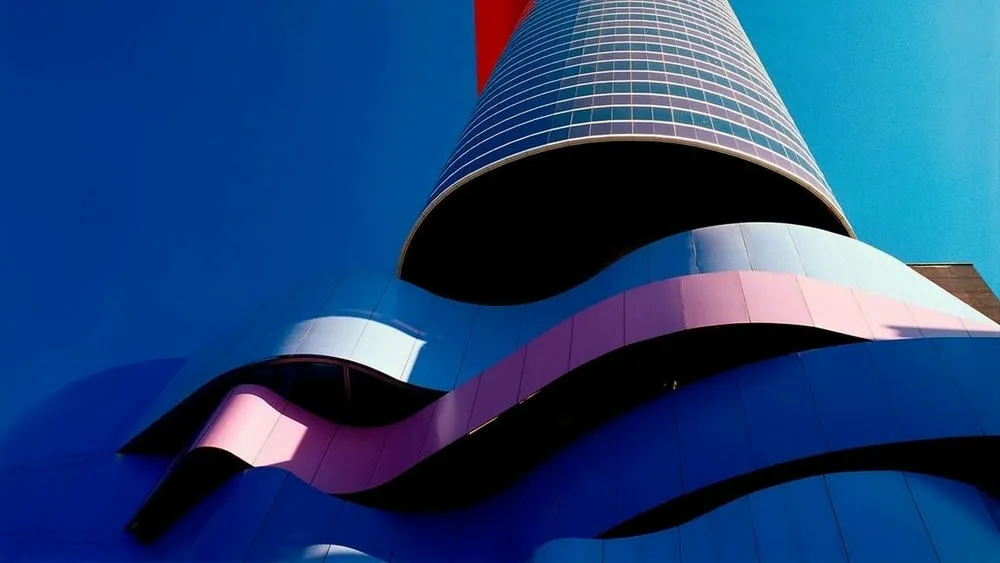
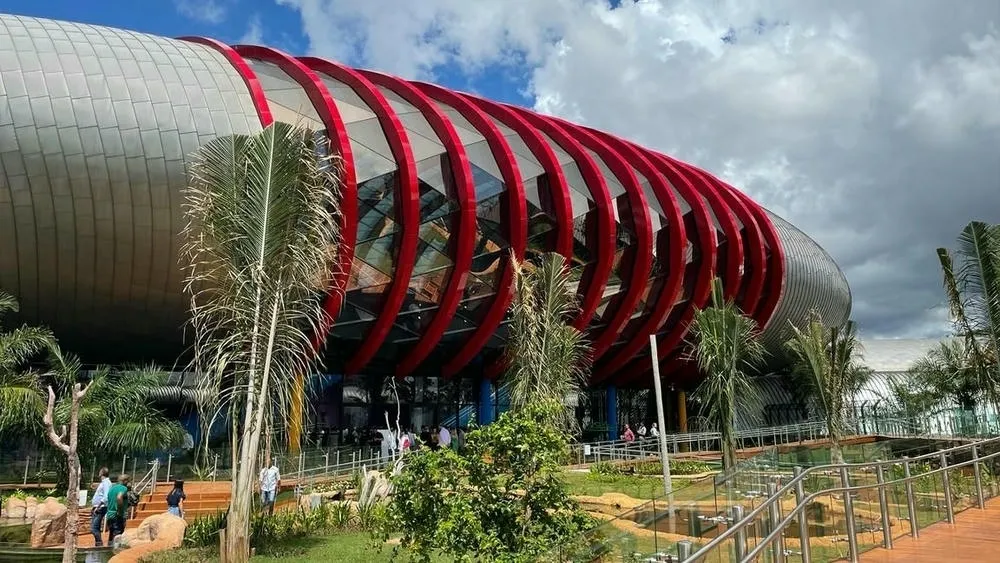
Abstract forms in architecture are those that do not have clear references to recognizable objects or elements of everyday life. They are constructed from basic geometric shapes, such as squares, rectangles, circles, and triangles. These abstract forms can be used to create complex buildings and structures that challenge traditional expectations of architectural design. They can be used to create a sense of movement, balance, or tension. Combined with other architectural elements, they create an impressive visual impact.
Abstract forms in contemporary architecture can be seen in a wide variety of buildings. From commercial and residential spaces to museums, art galleries, and other cultural fields. They can be used to create buildings with curved and sinuous facades, or to create simpler and more angular geometric shapes.
In addition, abstract forms in contemporary architecture can also be used to create a sense of continuity and fluidity. This application is very effective in corridors, staircases, and living areas, for example. They can be used to create a sense of open and airy space, or to demarcate specific areas within a building.
Use of innovative materials
Contemporary architecture is marked by the use of innovative materials, which provide numerous possibilities for architects. Glass, steel, concrete, and aluminum are just a few examples of materials that have been widely used in the construction of modern buildings. These materials offer numerous advantages over traditional materials, allowing architects to create lighter, more efficient, and durable structures.
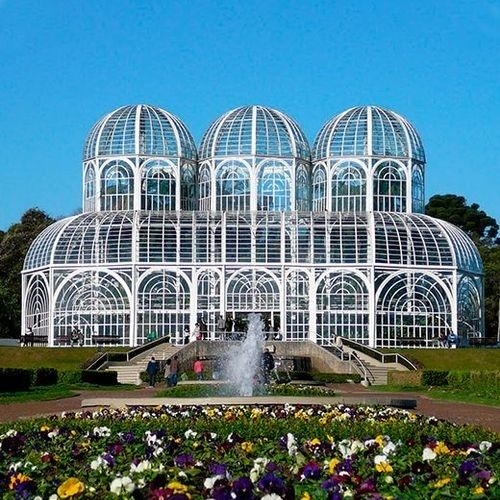
Glass, for example, is often used on building facades. It allows natural light to enter the building and offers panoramic views to the occupants. Steel and aluminum are extremely resistant and durable materials, capable of withstanding large loads without deformation or fatigue. Concrete, in turn, is a versatile and resistant material that can be molded into a variety of shapes and textures.
In addition, these materials are also highly energy-efficient, contributing to the construction of sustainable and environmentally friendly buildings. With the use of these materials, architects can create buildings that are both aesthetically attractive and functionally efficient.
Sustainability
Sustainable practices have increasingly become an essential feature of contemporary architecture. One of the main reasons is the growing demand for ecological constructions. Architects have been seeking new ways to design buildings that are more efficient and less impactful on the environment.
Sustainable architecture involves the use of technologies and materials that prioritize economy in the home, minimizing waste generation. This includes the use of renewable materials (such as certified wood) and the installation of rainwater harvesting systems. It can also include implementations of solar and wind energy systems in sustainable contemporary architecture projects.
Sustainability can also be considered in the layout of spaces and the choice of materials and finishes. The goal is to create healthy and comfortable environments for users, while reducing the environmental impact.
The adoption of sustainable practices by contemporary architecture goes beyond just reducing its environmental impact. It also offers an opportunity to create more efficient and economical buildings that benefit both the environment and its users. Sustainability, therefore, has become a fundamental element in contemporary architecture, further increasing its construction possibilities.
Integration with the environment
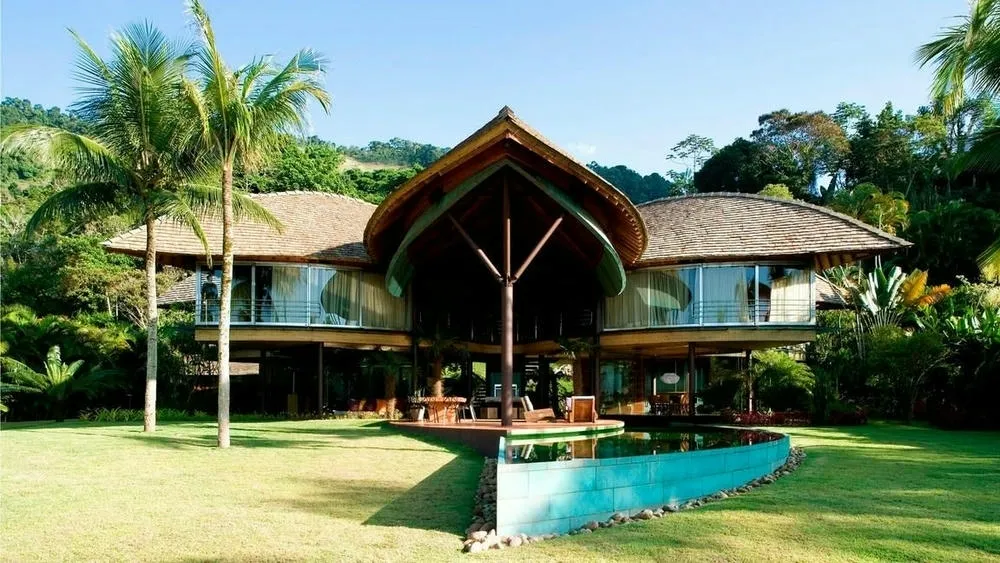
Integration with the environment is a highly valued approach in contemporary architecture. It seeks to create projects that relate harmoniously with their surroundings and create a healthy integration with nature. This integration can happen through the choice of materials, the orientation of the building in relation to the sun and the landscape, or through sustainable technologies.
In addition to being an aesthetic trend, integration with the environment also has important sustainable implications for the planet. By adopting practices that respect nature, architectural projects can reduce their environmental impact. As a result, contemporary constructions can contribute to the preservation of natural resources.
There are many strategies that can be used in the environmental integration of contemporary architecture. Among them, we can mention the use of recyclable/renewable materials and the use of solar energy harvesting systems. In addition, natural ventilation can also be valued, also implementing gardens and green areas that highlight the surrounding landscape.
By adopting integration with the environment, contemporary architecture makes this practice a fundamental value. It can offer innovative and sustainable solutions that respond to the challenges of the 21st century. With projects that respect nature, it is possible to create healthier spaces for people that contribute directly to the preservation of the planet.
Abundance of natural light
Natural light has always been a crucial element in architecture, but in contemporary times, this feature has been even more valued. It comes as a response to the growing concern about sustainability and people's well-being. The abundance of natural light is becoming an increasingly present aspect in architectural projects.
It is common to find the wide use of large windows, skylights, and other architectural features for greater entry of natural light. This strategy not only promotes a healthier and more comfortable environment for residents, but also brings economic benefits. It reduces energy consumption since artificial lighting can be dispensed with during the day.
In addition, the abundance of natural light also contributes to the aesthetics of contemporary architectural projects. Sunlight can enhance the colors and textures of the materials used in construction, creating impressive and unique visual effects.
Example of contemporary architecture in Brazil
Contemporary architecture is a style that has been gaining increasing prominence on the Brazilian and world architectural scene. This movement is characterized by the use of innovative forms, technological materials, and a creative and bold approach to architectural design. And one of the main architects who helped define this style in Brazil is Ruy Ohtake.
Ruy Ohtake is one of the most renowned Brazilian architects, known for his unique and innovative approach to architectural design. Throughout his career, he has created several iconic works that stand out for their unusual and bold form, as well as the use of high-tech materials.
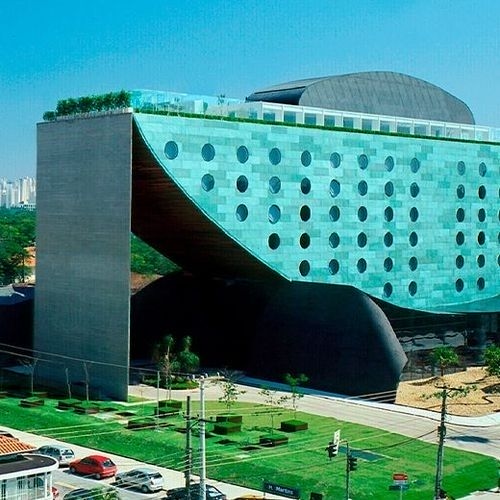
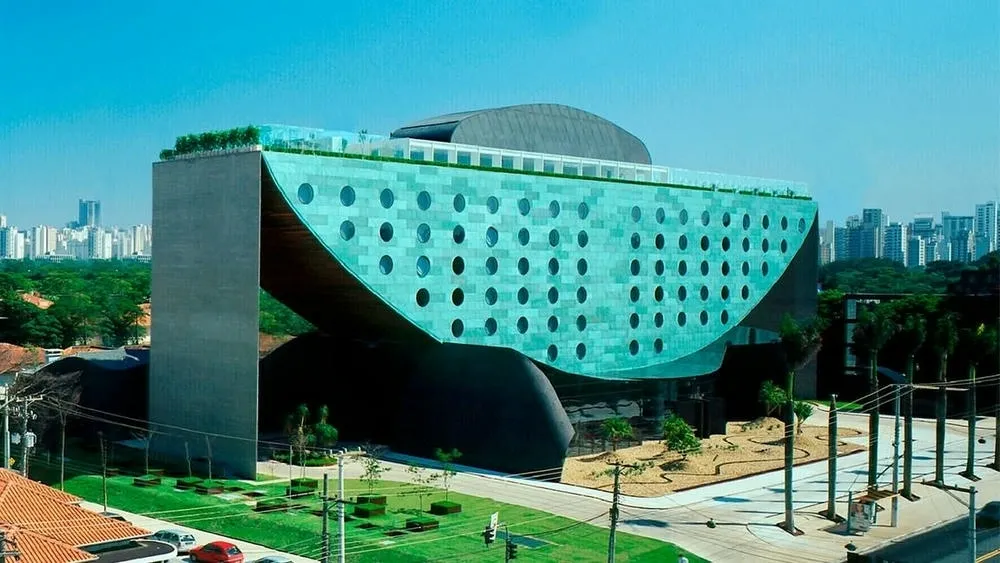
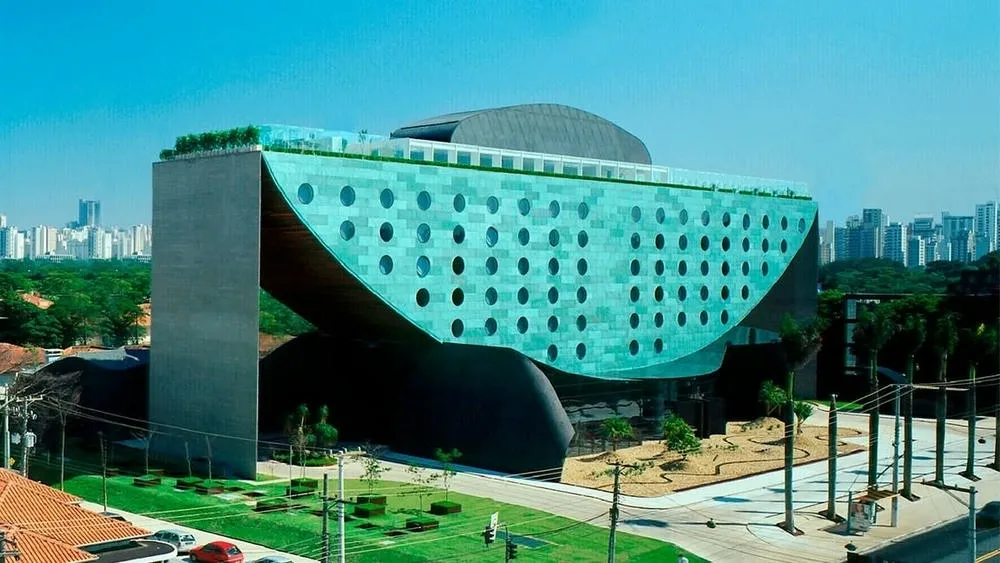
One of Ruy Ohtake's most emblematic works is the Hotel Unique, located in São Paulo. Inaugurated in 2002, the hotel is a perfect example of Brazilian contemporary architecture, with its innovative and futuristic design. With its rounded shape and stainless steel cladding, the hotel stands out as one of the most iconic constructions in the city.
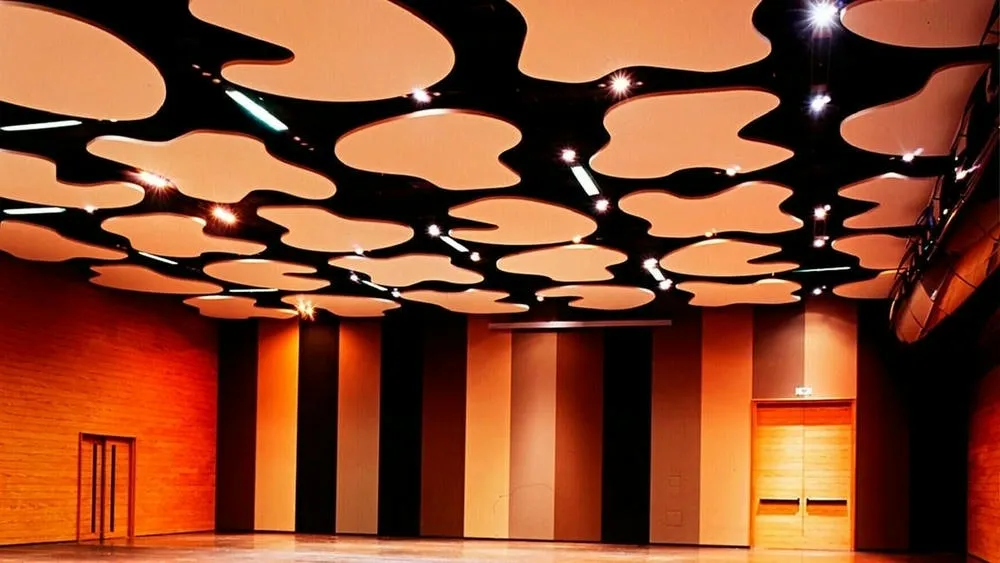
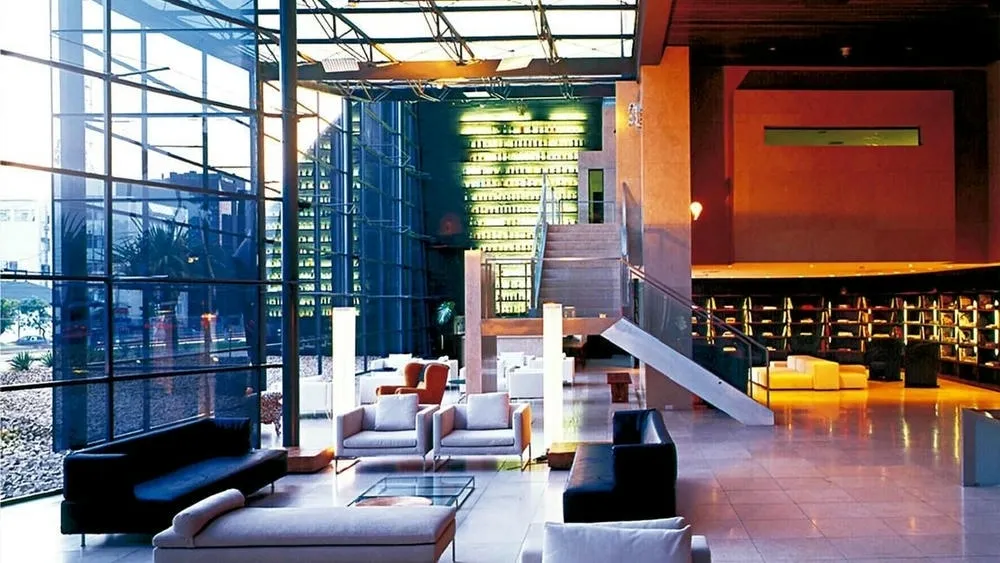
The hotel's external facade is composed of a series of ellipse-shaped windows, which allow natural light to enter all rooms. In addition, the building has a unique shape, with an open atrium in the center, which offers panoramic views of the city. The hotel's interior is equally impressive, with luxurious and elegant rooms, as well as tastefully designed common areas.
In short, the Hotel Unique is a perfect example of the innovative and futuristic style that defines Brazilian contemporary architecture. Ruy Ohtake is one of the main architects of this movement, and his creative and bold vision has contributed significantly to the development of contemporary architecture in Brazil and around the world.
ArchShop is redefining the concept of residential architecture in Brazil, making high-quality projects accessible to everyone. Combining over 20 years of expertise in the construction sector with technological innovation, the company offers a complete digital platform that simplifies and democratizes the process of building the dream home.
We believe that the best ideas arise from the exchange of experiences and the sharing of different perspectives. Open the doors to new opportunities and be part of our blog! If you have an interesting article, an amazing work, a product or service that deserves to be highlighted, contact us.