In this article, we will present 5 Brazilian cities that are a reference in architecture and that enchant visitors with their imposing constructions and beautiful urban landscapes.
Architecture is one of the most striking manifestations of a people's culture and history. In Brazil, it could not be different. Several cities stand out for their architectural richness, whether for the preservation of historical, vernacular buildings or for the creation of contemporary works. In this article, we will present 5 Brazilian cities that are a reference in architecture and enchant visitors. Each of these cities has its own history and unique characteristics, which contribute to the diversity and richness of the Brazilian heritage. If you are passionate about architecture and looking for inspiration, be sure to check out this article!
The city of Brasília, located in the center-west of Brazil, is world-renowned for its modernist and unique architecture. Brasília was designed and built in just four years, between 1956 and 1960. It was conceived as the new Brazilian capital and inaugurated on April 21, 1960. The city's architecture bears the signature of the renowned architect Oscar Niemeyer and the urban planner Lúcio Costa. It is considered one of the greatest modernist examples of the 20th century. The city has a unique architecture, buildings with geometric shapes, curves, and spacious, green public areas.
Brasília is historically important for having been built as a way to consolidate national unity, as well as to mark the modernization of the country. In addition, the construction of the city contributed to the economic development of the central region of Brazil. Brasília is also an important tourist destination, attracting visitors from all over the world to see its iconic architecture. The National Congress, the Cathedral of Brasília, the Alvorada Palace, and the Planalto Palace are some famous examples in the city.
The main characteristics of Brasília's architecture include modern approaches to design and the materials used in architectural projects. Reinforced concrete and glass are very prominent, as are simple geometric shapes and the application of curves. The buildings are generally low and spaced out, with an emphasis on integrating the architecture with the natural landscape of the region.
The architecture of Brasília is a landmark in the history of modern architecture, with a unique blend of beauty, functionality, and simplicity. The city is a must-see destination for architecture lovers and for those who wish to explore the history of Brazil.
Ouro Preto, Minas Gerais
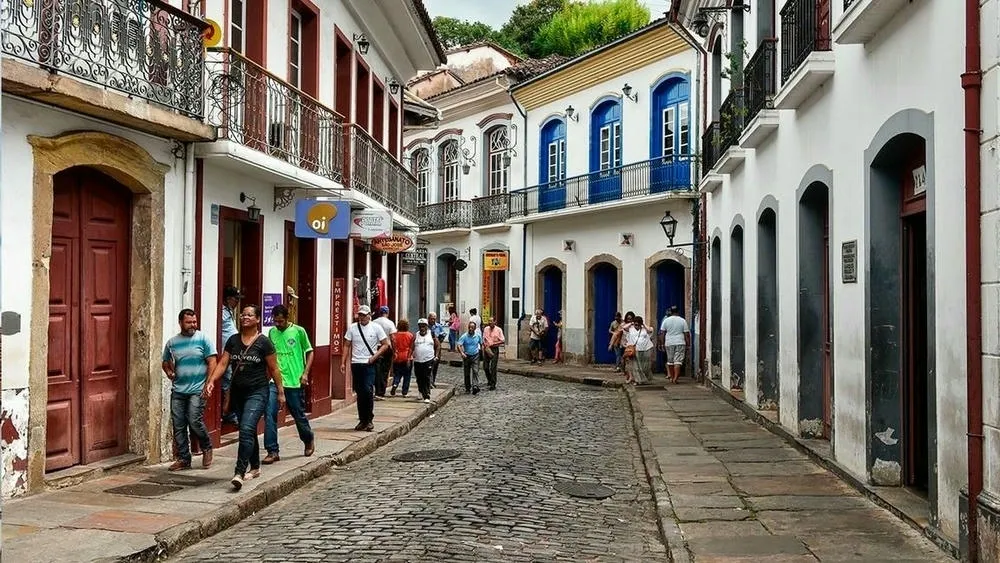
The city of Ouro Preto, located in the state of Minas Gerais, Brazil, is known for its rich colonial architecture. Founded in the 18th century, the city was an important center for gold and diamond mining. This allowed for the construction of magnificent buildings and historical monuments.
The architecture of Ouro Preto is considered one of the most important in Brazil. The city is a living example of Baroque colonial architecture, which developed in the country from the 17th century. Its main characteristics are exuberant ornamentation, the use of noble materials, and the symmetry of the constructions. The Church of São Francisco de Assis is one of the main examples of the colonial constructions of Ouro Preto.
In addition to its historical and architectural importance, Ouro Preto is an important tourist destination in Brazil. The city receives visitors from all over the world who seek to see its historic buildings, museums, and churches. The city also offers a series of cultural events that attract thousands of visitors every year.
The architecture of Ouro Preto is one of the richest and best-preserved in Brazil. The city is a living example of the Baroque colonial style, which developed in the country from the 17th century. In addition to its historical importance, the city is an important tourist destination, offering visitors a unique and unforgettable experience.
Salvador, Bahia
Salvador, the capital of the state of Bahia, is known for an architecture that mixes colonial, baroque, and neoclassical styles. The city has significant historical and cultural importance for the country and is a very popular tourist destination. The architecture of Salvador reflects the mix of cultures that have shaped the city over the centuries. Founded in 1549 by the Portuguese, the city became the first capital of Brazil and an important commercial center.
European influences are evident in the colonial architecture of Pelourinho, a historic neighborhood that was declared a UNESCO World Heritage site in 1985. The colorful buildings and cobblestone streets feature baroque and neoclassical architectural elements, reflecting the height of the colonial period. Another striking feature of Salvador's architecture is the use of colorful Portuguese tiles, which adorn many building facades and houses. These tiles were brought to the city by Portuguese colonizers and are an important element in the baroque and neoclassical style.
In addition, the city has important religious monuments. The Basilica of Nosso Senhor do Bonfim, for example, is one of the most famous Catholic shrines in Brazil. The basilica has an imposing neoclassical facade and is an important center of religious and cultural pilgrimage. The architecture of Salvador is also influenced by Afro-Brazilian culture, present in various cultural manifestations. This influence can be seen in the architecture of the Candomblé terreiros, which feature unique and colorful decorative elements.
The architecture of Salvador is a historical and cultural treasure that attracts tourists from all over the world. The city is a living example of the mix of cultures and influences that have shaped Brazil over the centuries. Consequently, it offers a unique and enriching experience to visitors.
São Paulo, São Paulo
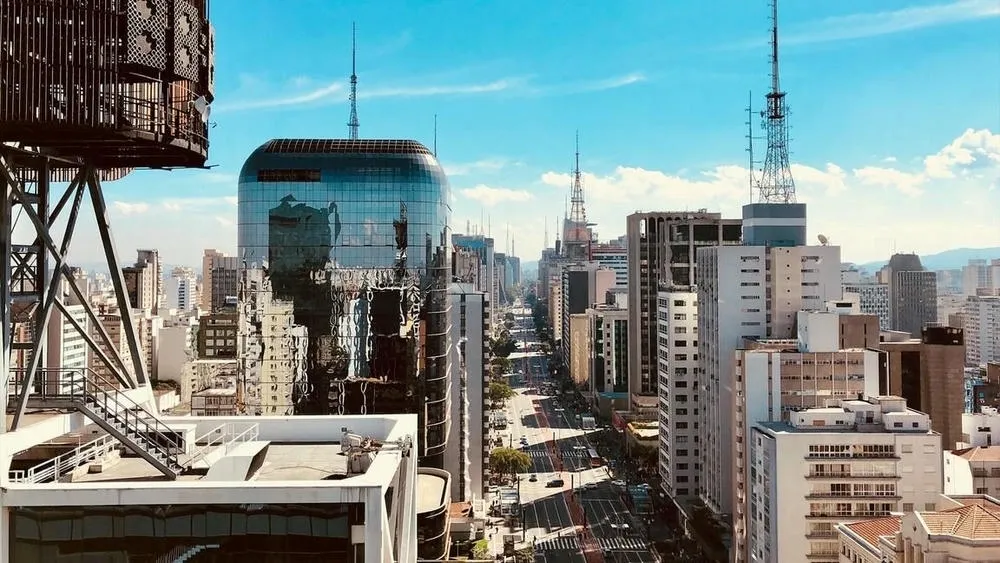
São Paulo, the largest city in Brazil, is known for many things, including its architecture. From modern skyscrapers to historic buildings, the architecture of São Paulo is a fascinating mix of styles and influences. The Martinelli Building, built in 1929, is one of the city's historical landmarks. For many years, it was the tallest building in Latin America. The Municipal Theater marks the presence of the neoclassical style and is an important cultural center of the city.
The architecture of São Paulo also has significant tourist importance. Many buildings in São Paulo are constantly visited by tourists. The Copan Building, for example, was designed by Oscar Niemeyer and is an icon of modern Brazilian architecture. It is considered an example of how architecture can be used to create interesting and dynamic public spaces. Another example is the Altino Arantes Building, also known as Banespa, which offers an incredible panoramic view of the city.
The characteristics of São Paulo's architecture are diverse, but there are some styles that stand out. Modernism has a significant influence on the city, with many buildings designed by notable Brazilian architects. The Art Deco style is also seen in many historic buildings, with their elegant lines and ornamental details. In addition, we find the colonial style very present in historic neighborhoods, such as Liberdade or the city center.
The architecture of São Paulo is a fascinating mix of styles and influences that reflect the rich history and culture of the city. The historical, tourist, and main architectural characteristics of São Paulo make it a unique and exciting place to explore.
Curitiba, Paraná
The architecture of Curitiba combines European and local influences, and its importance dates back to the 19th century. The city was an important stop in the southern region for travelers heading to São Paulo. Over time, it became an important economic and cultural center in southern Brazil.
Curitiba has stood out as a tourist attraction in recent years. It receives visitors from all over the world to admire its beauty and uniqueness. The city is known for its eclectic architectural style, which combines elements of various types of architecture. One of its main architectural highlights is the work of architect Oscar Niemeyer. The architect designed several important buildings in the city, including the Oscar Niemeyer Museum and the Free University of the Environment. Other important architects who contributed to Curitiba's architecture include Jaime Lerner and João Biehl.
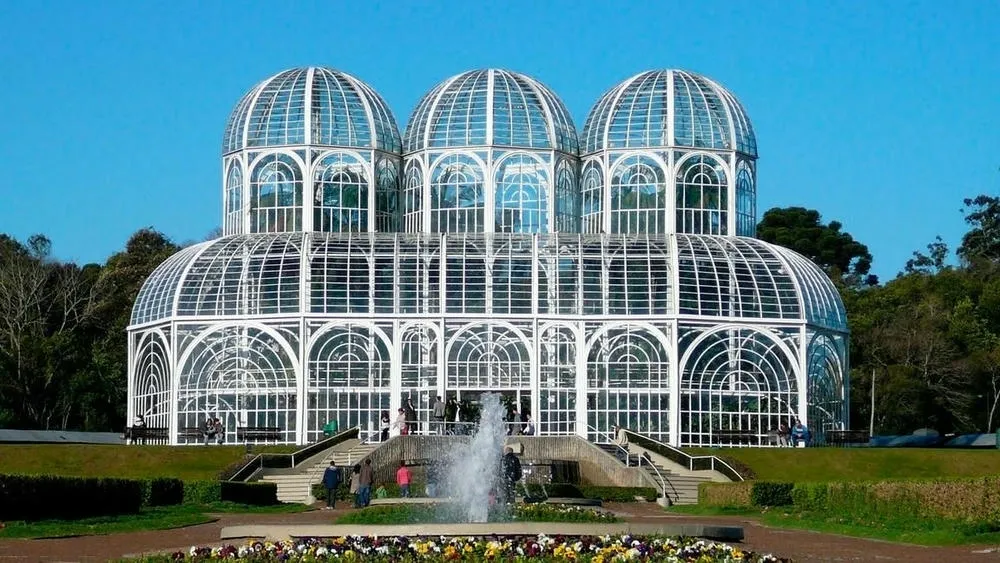
The city is also known for its innovative urban planning, with a large presence of green spaces in the creation of parks and public spaces. The most famous is the Botanical Garden, which features a glass greenhouse in the Art Nouveau style. The environment houses a great variety of native plants from the region.
The architecture of Curitiba is an important part of the city's history and culture. Its unique mix of European and local influences creates a unique and attractive urban landscape for visitors and residents. With its innovative architecture and lush green spaces, Curitiba serves as an example for other cities around the world.
ArchShop is redefining the concept of residential architecture in Brazil, making high-quality projects accessible to everyone. Combining over 20 years of expertise in the construction sector with technological innovation, the company offers a complete digital platform that simplifies and democratizes the process of building the dream home.
We believe that the best ideas arise from the exchange of experiences and the sharing of different perspectives. Open the doors to new opportunities and be part of our blog! If you have an interesting article, an amazing work, a product or service that deserves to be highlighted, contact us.