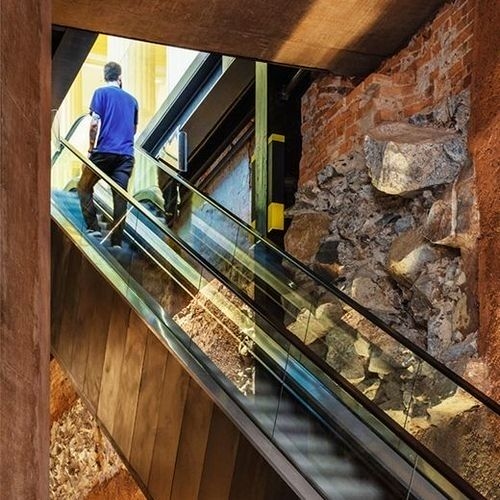
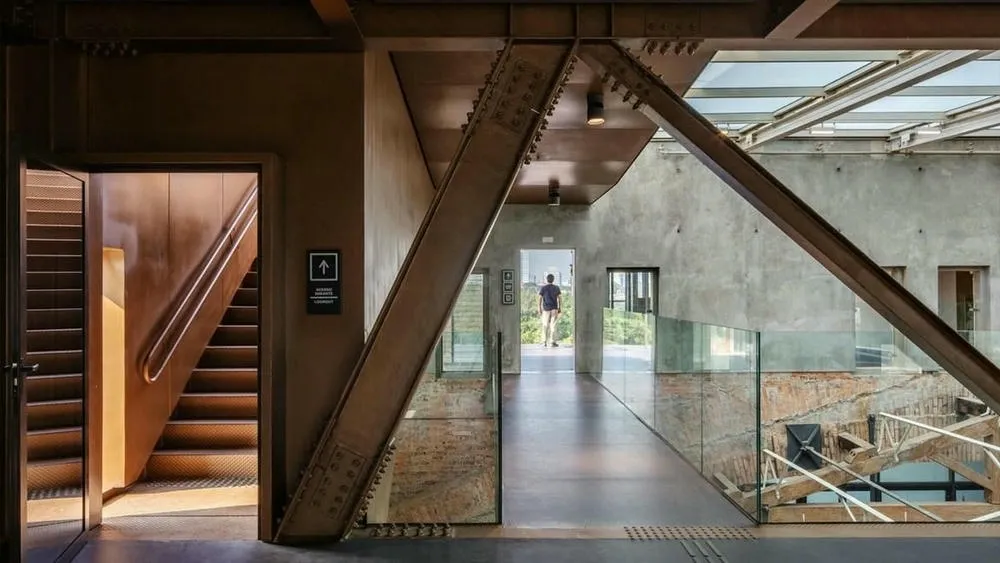
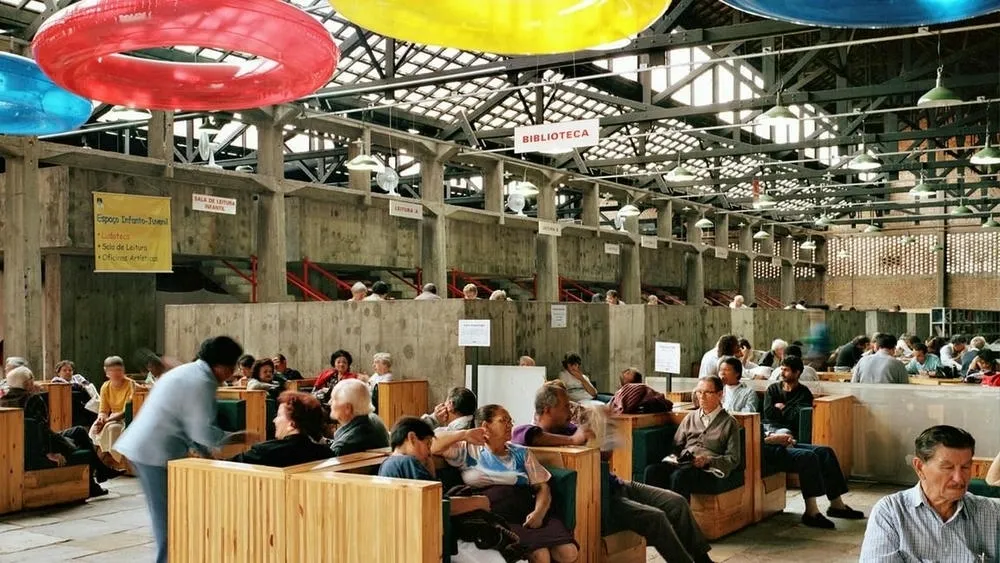
In recent years, concern for sustainability and the preservation of architectural heritage has led professionals and researchers to seek innovative solutions to make old buildings more efficient and functional. In this context, retrofit emerges as a fundamental practice in the field of architecture, allowing the revitalization and modernization of existing constructions, while preserving their historical essence.
In this article, we will explore in detail the concept of retrofit in architecture, highlighting the stages of the process, its benefits, and examples in Brazil. We will see how this practice has become an increasingly relevant approach for sustainability and the preservation of architectural heritage, driving a new era of conscious and intelligent renewal in the field of architecture and construction.
Retrofit (or retrofitting) is a term that refers to a process of updating or modernizing an existing building, equipment, or system to improve its efficiency, performance, functionality, or aesthetics. It is a common practice in engineering and architecture, which seeks to update older structures to meet current standards and needs.
Retrofit involves the analysis and redesign of existing systems, with the aim of incorporating more advanced and efficient technologies. This can include the replacement or updating of components, such as lighting systems, heating, ventilation, and air-conditioning (HVAC) systems, electrical and hydraulic systems, thermal insulation, among others.
In addition, retrofit can address issues of sustainability, aiming to reduce the consumption of energy and natural resources. These improvements can result in operational cost savings, reduced environmental impact, and greater comfort for the building's occupants.
The retrofit process typically involves a detailed assessment of the existing structure, identifying areas for improvement and defining specific goals. Then, plans and projects are developed to implement the necessary changes. These modifications can range from simple updates to more comprehensive renovations, depending on the needs and conditions of the building in question.
Retrofit is not limited to buildings but can also be applied to industrial equipment, vehicles, urban infrastructures, and other systems. In all cases, the goal is to optimize performance and extend the lifespan of existing elements, adapting them to current standards and requirements.
In general, retrofit is an updating and modernization process that seeks to improve the efficiency, performance, and sustainability of existing buildings, equipment, and systems. It plays an important role in reducing environmental impact, saving resources, and preserving historical and cultural heritage.
How did retrofit emerge?
The origin of the term retrofit dates back to the 1970s, when a growing concern for energy conservation and environmental sustainability began to emerge. In this context, the idea of updating existing structures to make them more efficient and sustainable started to gain prominence. Retrofit emerged as a viable alternative for the revitalization of old and obsolete buildings, thus avoiding demolition and the construction of new structures.
However, it is important to note that the practice of renovating and adapting buildings is not new. Throughout history, we see examples of old structures that were modified and updated to meet the needs of different eras. What retrofit brought that was new was a more systematic and technical approach to these transformations.
The time when retrofit began to be widely applied to properties was in the 1980s and 1990s. During this period, there was a growing awareness of the preservation of historical and cultural heritage, as well as the need to find sustainable solutions for the built environment. Iconic buildings and old structures gained prominence, and retrofit became a powerful tool to revitalize these constructions, preserving their identity and architectural value.
Furthermore, retrofit was driven by technological advancements and government regulations that encouraged energy efficiency and the reduction of environmental impact. With the development of new insulation techniques, efficient lighting systems, use of renewable energies, and other innovative solutions, retrofit became an attractive strategy to make buildings more sustainable, adapting them to contemporary standards.
Since then, retrofit has been widely adopted in architectural and engineering projects, in both residential and commercial buildings. It offers a sustainable approach to renewing the built environment, allowing for the preservation of architectural heritage, reduction of energy consumption, and improvement of occupants' quality of life.
Retrofit continues to evolve as new technologies and practices are developed. With the growing concern for sustainability and the need to adapt buildings to contemporary demands, it is likely that retrofit will play an even more important role in the future of architecture and engineering. Its ability to transform existing structures efficiently and sustainably makes it a valuable tool in the pursuit of a more resilient and environmentally responsible built environment.
Stages of retrofit in architecture
Initial Assessment: The first stage of retrofit is the initial assessment, in which a thorough analysis of the existing building is conducted. In this phase, it is essential to gather information about the building's history, its structure, infrastructure systems, architectural features, and any legal or regulatory restrictions. This assessment helps to understand the current state of the building and identify the main challenges and opportunities for the retrofit project.
Objectives and Requirements: Based on the initial assessment, it is important to define the objectives and requirements of the retrofit project. This includes identifying user needs, setting energy performance targets, determining budgetary constraints, and defining historical preservation guidelines. The objectives and requirements will guide the entire retrofit process, ensuring that the adopted solutions meet the established expectations and demands.
Conceptual Design: The conceptual design stage involves creating a global concept for the building's revitalization. In this phase, architects explore different design approaches, taking into account the previously established constraints and guidelines. Preliminary layout studies, material analysis, aesthetics, energy efficiency, and infrastructure systems are developed. The conceptual design is a crucial stage, as it defines the overall vision of the retrofit and serves as a basis for the next phases.
Executive Project: With the conceptual design approved, it is time to develop the executive project. This stage involves creating detailed drawings, technical specifications, and documents necessary for the execution of the work. The professionals involved in this phase must consider structural, electrical, plumbing, HVAC, and other relevant systems. The executive project is essential to ensure the quality of the work and serve as a guide for the retrofit work.
Licensing and Approvals: Before starting any intervention on the building, it is necessary to obtain the required licenses and approvals from the competent authorities. This stage involves submitting the retrofit project to regulatory bodies, which will analyze and evaluate compliance with current norms and regulations. The retrofit project plays a fundamental role in this process, providing the necessary information and justifications to obtain the required approvals.
Execution and Monitoring: With the approvals in hand, the execution phase of the work begins. In this stage, it is essential to have a qualified and experienced team to carry out the interventions on the building according to the executive project. Constant monitoring is important to ensure the correct implementation of the proposed solutions, monitoring the schedule, the quality of the work, and compliance with the established requirements.
Post-occupancy: After the completion of the work, it is crucial to conduct a post-occupancy evaluation. This stage involves verifying the performance of the implemented systems, user satisfaction, and resolving any identified problems. The feedback obtained in this phase helps to improve future retrofit projects and ensure the effectiveness of the interventions carried out.
Retrofit in architecture is a complex and multidisciplinary process that involves several stages, from the initial assessment to post-occupancy. The retrofit project plays a fundamental role in guiding all these stages, ensuring coherence between the established objectives and the adopted solutions. By following these stages carefully and in detail, it is possible to transform existing buildings into functional, efficient, and aesthetically attractive spaces, preserving their history and architectural value. Retrofit allows architecture to renew itself, keeping up with contemporary demands and contributing to sustainability and the preservation of the built heritage.
What is the difference between renovation and retrofit?
The difference between renovation and retrofit lies in the approach and objective of each intervention carried out on a building or structure. Although both terms refer to improvements made to an existing construction, they have distinct purposes.
A renovation involves the renewal, remodeling, or modification of a building with the intention of updating it, improving its aesthetics, functionality, or comfort. Generally, renovations are carried out to meet the specific needs of the occupants or owners, such as adding new spaces, replacing old finishes, updating electrical and plumbing systems, among other improvements.
Retrofit, on the other hand, is a more comprehensive approach, focused on modernizing and optimizing an existing building to make it more efficient, sustainable, and suitable for current demands. Retrofit involves improving the structural, functional, and energy characteristics of a building, incorporating advanced technologies and sustainable construction practices. Instead of just aesthetic changes, retrofit aims to enhance the overall performance of the building, reducing its energy consumption, minimizing environmental impacts, and increasing its lifespan.
One of the main advantages of retrofit in architecture is the possibility of revitalizing old or obsolete buildings, preserving their history and unique architectural features. In addition, retrofit offers the following benefits:
In summary, while renovation focuses on the aesthetic and functional updating of a building, retrofit goes further, aiming for overall performance improvement, energy efficiency, and sustainability, offering significant benefits for both the occupants and the environment.
Facade retrofit
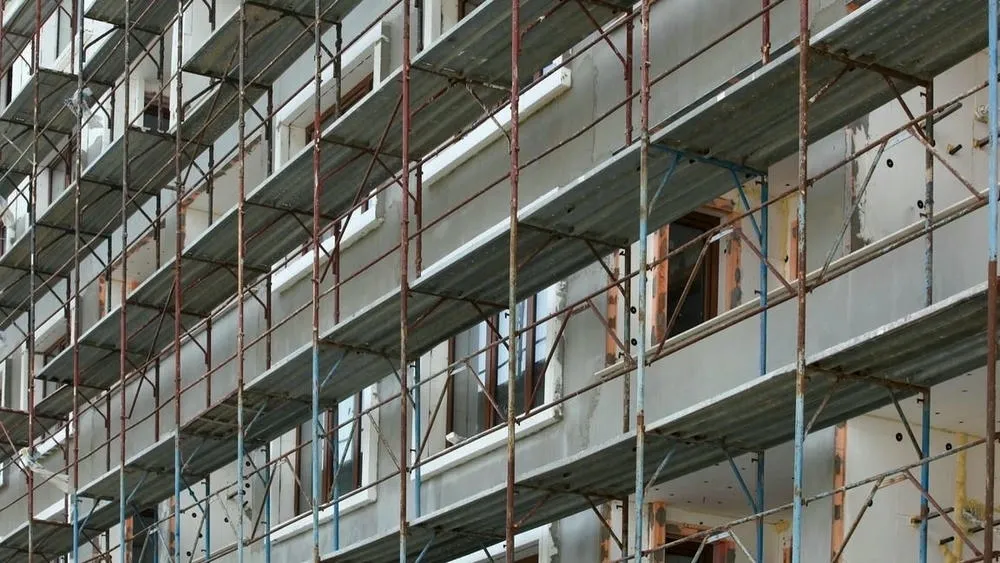
Facade retrofit refers to the process of revitalizing, renovating, or updating the external elements of a building, with the aim of improving its performance, energy efficiency, and aesthetics, while maintaining the integrity and original architectural identity. The facade is the 'face' of the building, and retrofitting this area can involve replacing or repairing cladding, window frames, lighting systems, thermal insulation, among other elements.
A facade retrofit can be motivated by several reasons, such as the need to increase the building's energy efficiency, meet environmental regulations, modernize its image to attract new occupants, or preserve its historical aesthetics.
Property retrofit
Property retrofit presents a more comprehensive approach, which goes beyond the facade and embraces the modernization of all parts of the building, including its electrical, plumbing, and HVAC systems, among others. The goal is to update the functional characteristics of the property to meet contemporary needs, while preserving, whenever possible, its identity and original features.
Property retrofit can involve redesigning internal spaces, incorporating sustainable technologies, improving accessibility, updating security systems, and optimizing the use of resources such as water and energy.
Who designs the retrofit project?
The professionals responsible for creating the retrofit project are architects or engineers specialized in the rehabilitation and restructuring of buildings. They work in a multidisciplinary manner, coordinating work teams and collaborating with other specialists, such as interior designers, landscape architects, and sustainability consultants. Their goal is to transform an old building into a functional, safe, and updated space, preserving its identity and historical value.
As retrofit is a delicate practice and often deals with historical and cultural heritage, it is important that the responsible professionals are qualified and registered. Regulatory and supervisory bodies, such as CREA (Regional Council of Engineering and Agronomy) and CAU (Council of Architecture and Urbanism), are essential to ensure the integrity of the projects. These professionals bring specific technical knowledge and are capable of developing projects that preserve the historical characteristics of the buildings. It is important that there is harmony between modernization and the original architectural identity of the space.
Furthermore, the participation of these certified professionals ensures that the retrofit project meets the current technical standards and is in compliance with applicable laws and regulations. This is crucial to ensure the safety of occupants, energy efficiency, and the sustainability of the intervention.
Retrofit and sustainability
Retrofit is an important concept in sustainable architecture, as it plays a fundamental role in improving the energy efficiency and reducing the environmental impact of existing buildings. It is a process of renovating and updating already constructed structures, with the aim of making them more efficient and ecologically responsible.
The importance of retrofit in sustainable architecture is related to several key issues. Firstly, existing buildings represent a significant part of the built environment in many cities, and their energy performance is often below current standards. Instead of demolishing and rebuilding, retrofit offers a more sustainable approach, utilizing the existing structure and improving its environmental characteristics.
By performing a retrofit, it is possible to implement advanced energy efficiency technologies and strategies. This includes the installation of adequate thermal insulation, replacement of inefficient lighting systems with low-consumption LED lighting, updating of HVAC systems, and the use of renewable energies, such as solar panels or solar heating systems.
In addition, retrofit allows for the optimization of natural resource use, such as water. It is possible to incorporate rainwater harvesting systems for reuse in irrigation or toilet flushing, as well as the installation of low-flow faucets and showers. These measures contribute to reducing the consumption of potable water and help preserve water resources.
Another relevant aspect is the improvement of the internal quality of buildings. During the retrofit process, it is possible to improve ventilation and indoor air quality, ensuring a healthy and comfortable environment for occupants. This can be achieved through the installation of air filtration systems, humidity control, and air renewal.
Besides the environmental benefits, retrofit can also bring economic advantages. Although the initial investment can be significant, improvements in energy efficiency generally result in long-term operational cost reductions. The decrease in energy and water consumption, as well as the appreciation of the property's value, are factors that contribute to the financial return of the retrofit.
ArchShop is redefining the concept of residential architecture in Brazil, making high-quality projects accessible to everyone. Combining over 20 years of expertise in the construction sector with technological innovation, the company offers a complete digital platform that simplifies and democratizes the process of building the dream home.
We believe that the best ideas arise from the exchange of experiences and the sharing of different perspectives. Open the doors to new opportunities and be part of our blog! If you have an interesting article, an amazing work, a product or service that deserves to be highlighted, contact us.