Futuristic architecture sparks the imagination with its innovative forms, avant-garde aesthetics, and bold vision of the future. Originating as part of the artistic movement of Futurism, this architectural style breaks with conventional traditions, embracing technology, dynamism, and functionality. In this article, we will explore the fascinating world of futuristic architecture, from its origin to its main characteristics.
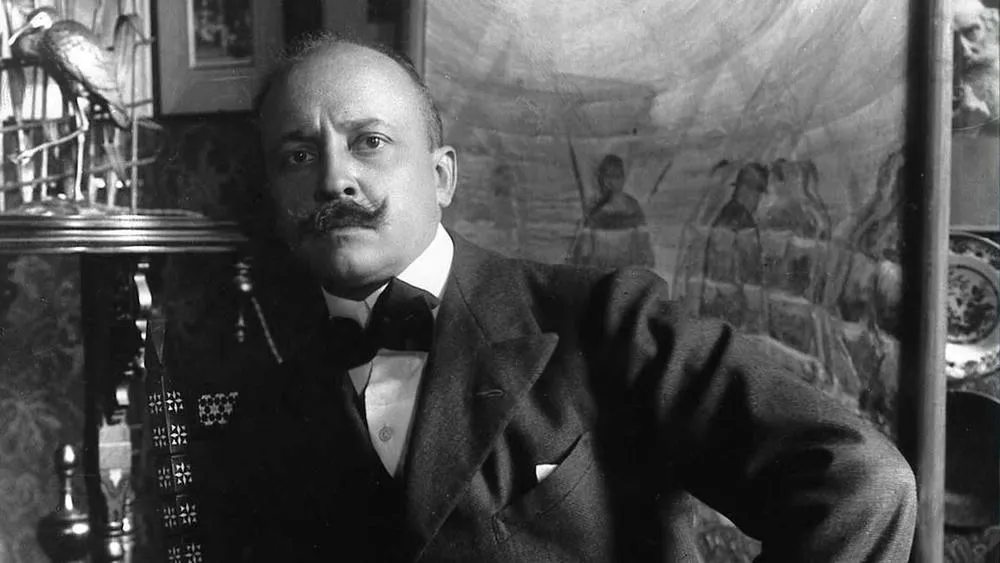
Futuristic architecture refers to a style of architectural design that emerged in the early 20th century as an extension of the Futurist movement in the arts. Futurism, an influential artistic movement founded by the Italian poet Filippo Tommaso Marinetti in 1909, aimed to capture the essence of modernity, speed, technology, and the dynamism of the industrial era. Futurist architects sought to apply these principles to the built environment, imagining a future in which architecture would reflect the spirit and progress of the machine age.
The influences of the Futurist movement on architecture were multifaceted. First, Futurism rejected traditional architectural forms and sought to break with historical styles like classical, gothic, or renaissance. Instead, it embraced new materials and construction techniques made possible by industrialization, such as reinforced concrete, steel, and glass. Futuristic architecture emphasized the use of straight lines, sharp angles, and geometric shapes, often favoring asymmetry and dynamic compositions that conveyed a sense of movement and energy.
The Futurist movement's fascination with speed, technology, and mechanization was also reflected in architectural design. Architects drew inspiration from modern transportation systems, such as trains, automobiles, and airplanes, incorporating aerodynamic forms and references to machinery in their projects. The concept of the 'city of the future' was a recurring theme, with architects imagining dynamic and vertical urban environments, characterized by efficient transportation systems and futuristic infrastructure.
Another significant influence of Futurism on architecture was the emphasis on functionality and the integration of art with daily life. Futurist architects believed that buildings should serve a purpose beyond aesthetics and adapt to the needs of the modern world. They advocated for the integration of art and technology, incorporating elements such as murals, sculptures, and dynamic lighting into their architectural projects.
In summary, futuristic architecture sought to break with tradition, embrace the possibilities of modern technology and industry, and create an architecture that embodied the energy, dynamism, and optimism of the early 20th century. Although it was not as widely realized as other architectural styles, Futurism had a lasting impact on the field, influencing subsequent movements like Art Deco, Constructivism, and the International Style.
Brief history of futuristic architecture
Futurism was an influential avant-garde art movement that emerged in the early 20th century, primarily in Italy. Although it encompassed various art forms, including literature, painting, sculpture, music, and performance, I will focus on the history of Futurism in architecture.
Futurism was founded by the Italian poet Filippo Tommaso Marinetti, who published the Futurist Manifesto on February 20, 1909, in the French newspaper Le Figaro. The movement emerged at a time of significant social, political, and technological changes, with rapid industrialization, urbanization, and advances in transportation and communications.
Futurism sought to break with the past and embrace the future, celebrating the technology, speed, and dynamism of modern life. It rejected traditional art forms and aesthetics, advocating for a new and innovative approach to art and design. The main values and principles of futurist architecture included:
Dynamism: Futurist architects sought to capture the sense of movement, speed, and energy present in the modern world. They aimed to create dynamic spaces that reflected the fast-paced nature of industrialized society.
Functionality: Futurism embraced the idea that form should follow function. Architects focused on designing buildings that served their purpose efficiently and effectively. They prioritized the practical aspects of architecture and sought to integrate technological advancements.
Innovation and Experimentation: Futurist architects sought to push the boundaries of traditional architectural practices and experiment with new materials, techniques, and construction methods. They embraced the possibilities offered by emerging technologies, such as reinforced concrete and steel.
Urbanism: Futurism was closely linked to the urban environment. Architects envisioned the city as a dynamic organism and sought to transform urban landscapes through radical redesign and reconstruction. They proposed demolishing historic buildings and creating monumental and futuristic structures that embodied progress.
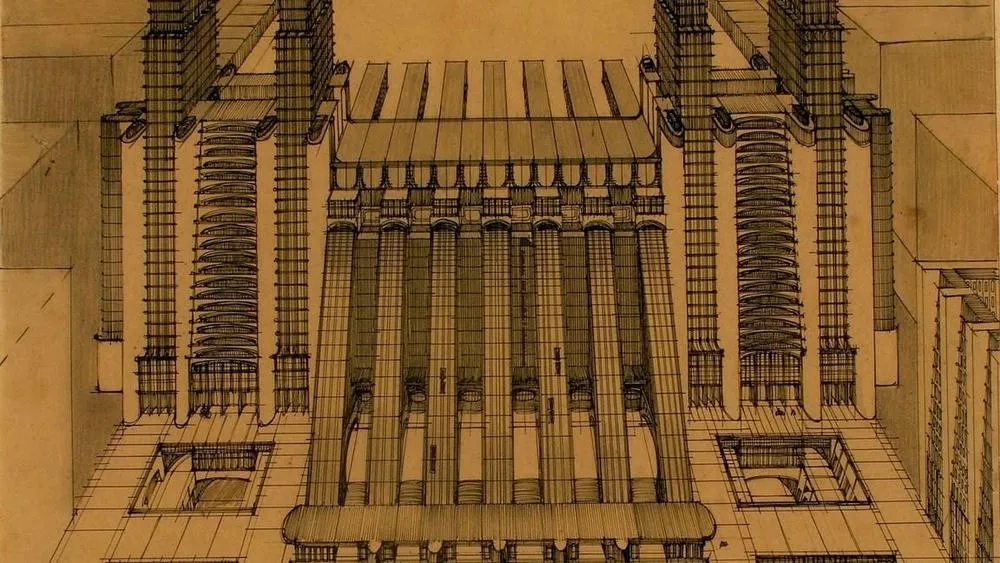
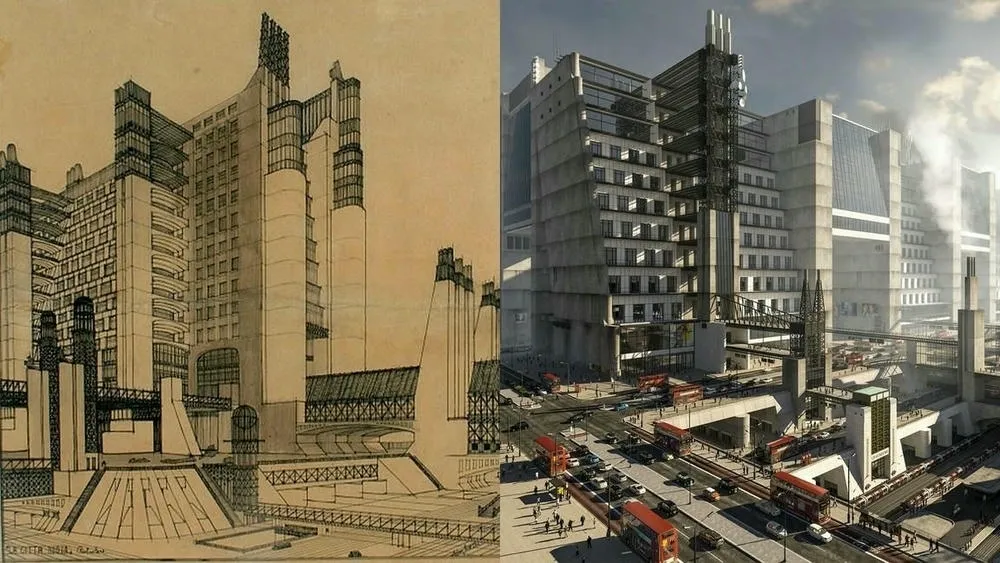
Although Futurism was primarily a literary and artistic movement, it had a profound influence on architecture. Notable architects associated with Futurism include Antonio Sant'Elia and Mario Chiattone. Sant'Elia, in particular, is known for his visionary architectural drawings, which depict futuristic cities with towering skyscrapers, elevated walkways, and extensive transportation networks. His most famous work is the 'Città Nuova' (New City) project, which envisioned a completely new urban landscape.
The influence of Futurism on architecture was significant, especially in terms of its emphasis on functionality, urban planning, and the integration of technology. Its ideas and principles foreshadowed later architectural movements, such as the Bauhaus and modernism, which embraced similar ideals of innovation, functionality, and the transformative power of technology.
However, Futurism's fascination with speed, the machine, and the glorification of war also aligned with the rise of fascism in Italy. As the political climate changed in the 1920s and 1930s, the movement declined and its architectural ideas were not widely realized. Nevertheless, the impact of Futurism on architectural theory and its visionary concepts continue to inspire and influence contemporary architects and urban planners.
Characteristics of futuristic architecture
Futuristic architecture is a movement that emerged in the early 20th century and sought to capture the spirit of modernity, technology, and progress. It was influenced by the advancements of the industrial era and the rapid changes occurring in society. The main visual and aesthetic aspects of futuristic architecture include:
Dynamism and Movement: Futuristic architecture aimed to express a sense of energy and movement. Buildings were designed to convey a feeling of speed and progress, reflecting the fast-paced nature of the modern world. This was often achieved through the use of diagonal lines, angular forms, and dynamic compositions.
Geometric Forms: Futurist architects embraced geometric shapes, particularly those with sharp angles and sleek lines. Cubes, triangles, cones, and other geometric forms were commonly used to create visually striking and futuristic designs.
Use of New Materials: Futuristic architecture adopted the use of new materials and construction techniques of the time, such as reinforced concrete, steel, and glass. These materials allowed for innovative designs and the creation of structures that appeared light and airy.
Integration of Technology: Futurist architects were fascinated by technology and sought to incorporate it into their designs. They envisioned buildings with integrated machines, transportation systems, and advanced infrastructure. The inclusion of functional elements, such as elevators, escalators, and pneumatic tubes, was also common.
Minimalism and Simplicity: Futuristic architecture often emphasized simplicity and minimalism. Ornamentation was minimized or eliminated, and buildings were simplified to their essential forms. This approach sought to convey a sense of efficiency and the elimination of unnecessary elements.
Experimentation with Light and Color: Futurist architects explored the use of light and color to enhance their designs. They employed techniques such as manipulating natural light through large windows and skylights. Bold and vibrant colors were often used to create a striking visual impact.
Emphasis on Functionality: Functionality and practicality were key considerations in futuristic architecture. Buildings were designed to serve their purpose efficiently and effectively. The focus was on creating spaces that could accommodate the needs of the modern world, such as offices, factories, and transportation hubs.
Overall, futuristic architecture sought to break with traditional styles and embrace the possibilities of the future. It aimed to capture the essence of modern life, technology, and progress through dynamic forms, innovative materials, and a forward-thinking approach.
Example of futuristic architecture
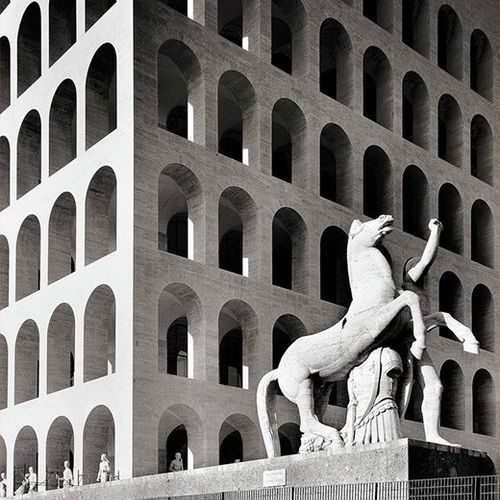
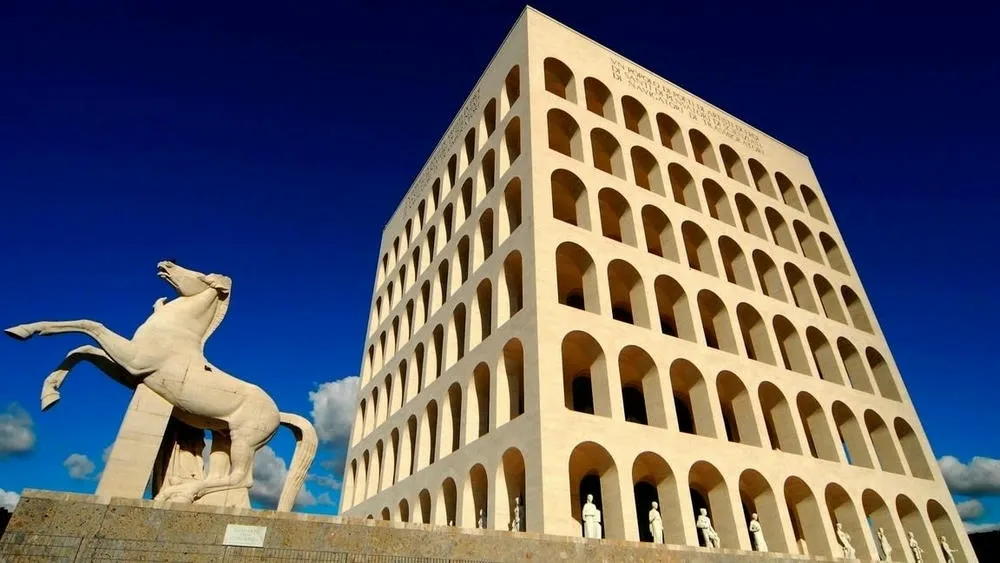
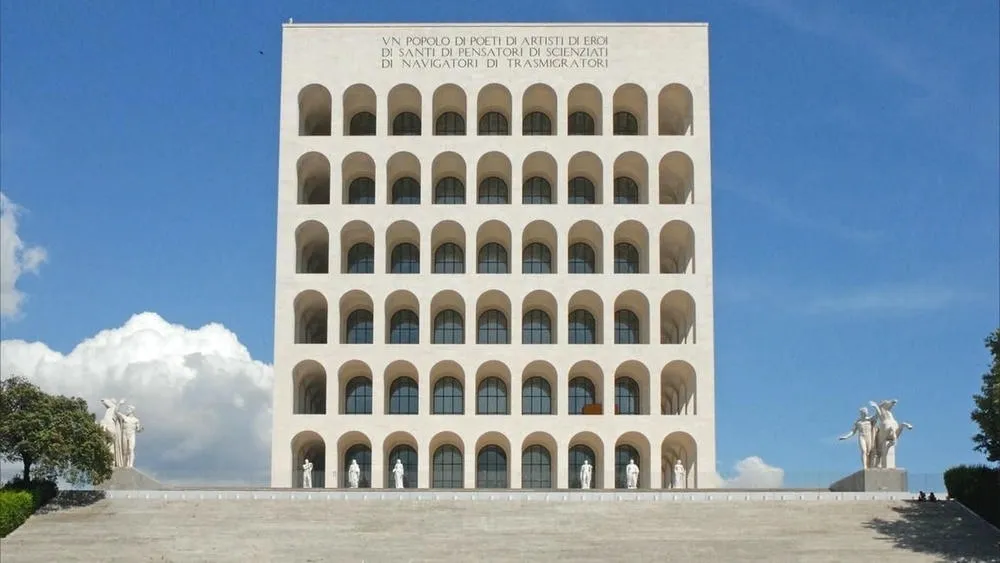
One of the most famous examples of futuristic architecture in the world is the 'Fascist' district in Rome, Italy, known as EUR (Esposizione Universale Roma). Created during the fascist regime of Benito Mussolini in the 1930s, the EUR was intended to showcase the grandeur and power of the Italian Empire. The district features numerous buildings designed in the futuristic architectural style, characterized by their monumental scale, geometric forms, and references to technology and machinery.
The most iconic structure in the EUR is the Palazzo della Civiltà Italiana, also known as the 'Square Colosseum' or 'Colosseo Quadrato'. Designed by architects Giovanni Guerrini, Ernesto La Padula, and Mario Romano, this six-story building is a prime example of futuristic architecture. It has a symmetrical facade with rows of arches and an imposing central section, emphasizing verticality and geometric patterns. The Palazzo della Civiltà Italiana has become a lasting symbol of the futurist movement and is recognized worldwide.
Although the EUR in Rome stands out as a notable example, it is worth mentioning that futuristic architecture was not as widespread or influential as some other architectural styles. However, its principles and aesthetics had a significant impact on later movements, and echoes of futuristic design can be found in various modernist and contemporary architectural works around the world.
Brazilian futuristic architecture
Futuristic architecture had a notable presence in Brazil, especially during the mid-20th century. The influence of the movement on Brazilian architecture can be attributed to several factors, including the international dissemination of futurism, the country's rapid modernization, and the influence of prominent architects.
In the 1920s and 1930s, Brazil underwent significant economic and cultural transformations, embracing modernization and industrialization. This period coincided with the emergence of modernist architecture, which shared some similarities with futurism in its rejection of historical styles and emphasis on functionality, technology, and progress. As a result, the ideals of futurism found fertile ground in Brazil, influencing local architects and shaping their projects.
One of the key figures in the development of futuristic architecture in Brazil was the architect Oscar Niemeyer. Niemeyer, known for his innovative work in modernist architecture, was influenced by the avant-garde movements of his time, including futurism. His designs incorporated elements such as dynamic curves, sinuous lines, and innovative use of materials, reflecting the spirit of futurism.
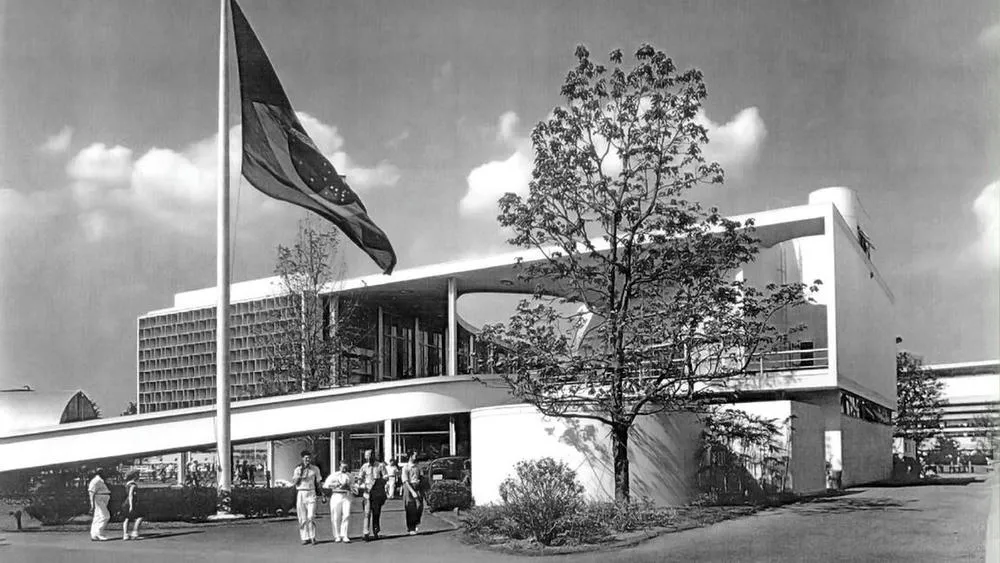
Niemeyer's most renowned work with futurist inspiration is the Brazilian Pavilion at the 1939 New York World's Fair. Designed in collaboration with Lucio Costa, the pavilion showcased Brazil's modernity and progress, featuring a bold and futuristic aesthetic. The building's sleek lines, glass facades, and sculptural elements exemplified the principles of futuristic architecture.
Besides Niemeyer, other Brazilian architects also embraced the ideas of futurism in their projects. Affonso Reidy, another prominent architect of the era, incorporated elements of futurism in his works, including the iconic Pedregulho housing complex in Rio de Janeiro. The complex featured aerodynamic forms, functional layouts, and a strong connection with the surrounding landscape, reflecting the influence of futurist principles.
Overall, futurism had a significant impact on the development of Brazilian architecture, especially during the mid-20th century. The movement's emphasis on modernity, functionality, and innovation resonated with the country's aspirations for progress and cultural renewal. The legacy of futurism in Brazil can be seen in numerous architectural landmarks and in the continued influence of its principles on contemporary Brazilian architecture.
ArchShop is redefining the concept of residential architecture in Brazil, making high-quality projects accessible to everyone. Combining over 20 years of expertise in the construction sector with technological innovation, the company offers a complete digital platform that simplifies and democratizes the process of building the dream home.
We believe that the best ideas arise from the exchange of experiences and the sharing of different perspectives. Open the doors to new opportunities and be part of our blog! If you have an interesting article, an amazing work, a product or service that deserves to be highlighted, contact us.