Inspired by the rich history of the region, it has evolved to embrace minimalism, a clean aesthetic, and an unwavering appreciation for the beauty of natural materials.
Originating from the Nordic countries, the Scandinavian aesthetic has become synonymous with timeless elegance, simplicity, and a harmonious connection with nature. Inspired by the rich history of the region, where functional design and practicality were paramount in the face of harsh climates, Scandinavian architecture has evolved to embrace minimalism, a clean aesthetic, and an unwavering appreciation for the beauty of natural materials. Today, the Scandinavian style is gaining more and more followers and influencing contemporary design trends around the world. This article delves into the essence of the Scandinavian style, exploring its historical roots, fundamental principles, characteristics, and its perfect adaptation to the demands of modern life.
Scandinavian style is a design aesthetic rooted in the Nordic region, encompassing countries like Sweden, Denmark, Norway, Finland, and Iceland. It is defined by its focus on simplicity, functionality, and a strong connection to nature. Characterized by clean lines, uncluttered spaces, and a neutral color palette dominated by whites, light grays, and natural colors, Scandinavian architecture exudes a sense of timeless elegance. The extensive use of wood, in both structural elements and interior finishes, plays a central role in creating warm and inviting spaces. Sustainability is a fundamental aspect of this style, with a commitment to environmentally friendly materials and energy-efficient design solutions. With a nod to its historical roots and a seamless integration of modern innovations, the Scandinavian style continues to captivate the world with its enduring charm and timeless appeal.
A Historical Overview of Scandinavian Style
The roots of Scandinavian architecture can be traced back to ancient times, with its development closely linked to the unique history and environment of the Nordic countries - Sweden, Denmark, Norway, Finland, and Iceland. Although each nation has contributed distinctly, they all share common themes of practicality, craftsmanship, and a deep appreciation for the natural world. During the Viking Age, approximately from the 8th to the 11th century, the Scandinavian people were known for their seafaring skills and fierce warrior culture. Despite this, they also cultivated an appreciation for aesthetics and craftsmanship, which influenced their architectural style.
The unforgiving climate of Northern Europe had a significant impact on architectural choices. With long, cold winters and little daylight, early Scandinavian architecture emphasized insulation, shelter, and ingenuity. Buildings were made to withstand the elements, with steep roofs to prevent snow accumulation and well-insulated interiors to retain heat.
One of the important figures in Scandinavian architecture is Carl Fredrik Adelcrantz (1716-1796), a Swedish architect who played a crucial role in introducing the neoclassical style to Sweden. His work blended the elegance of classical architecture with a touch of Scandinavian simplicity. Another influential figure was Alvar Aalto (1898-1976), a Finnish architect known for his innovative use of organic forms and materials. Aalto's designs integrated seamlessly with nature, reflecting his belief in the harmony between architecture and its surroundings.
The 20th century witnessed a significant shift in Scandinavian architecture with the rise of the modern movement. Architects like Arne Jacobsen, Finn Juhl, and Eero Saarinen embraced functionalism, minimalism, and the use of new materials. They brought their innovative ideas to public buildings, private residences, and furniture design, contributing to the international recognition of Scandinavian design. In the Bauhaus movement, we also find characteristics that resemble the Scandinavian style. The fusion of form, function, and the use of clean lines contributed to its evolution and modernist aesthetic.
Fundamental Principles of Scandinavian Style
The popularity of Scandinavian architecture can be attributed to its key characteristics, which emphasize simplicity, functionality, and a strong connection with nature. These features have not only shaped the architectural landscape of the region but have also inspired designers around the world to adopt a more conscious and sustainable approach to their creations. Below we highlight the fundamental principles of Scandinavian style in architecture:
Minimalism and Simplicity
At the heart of Scandinavian architecture lies a deep appreciation for minimalism and simplicity. The design philosophy is guided by the belief that less is more, with a focus on essential elements that create clean and uncluttered spaces. This emphasis on simplicity provides a sense of tranquility and harmony, enhancing the overall experience of the resident.
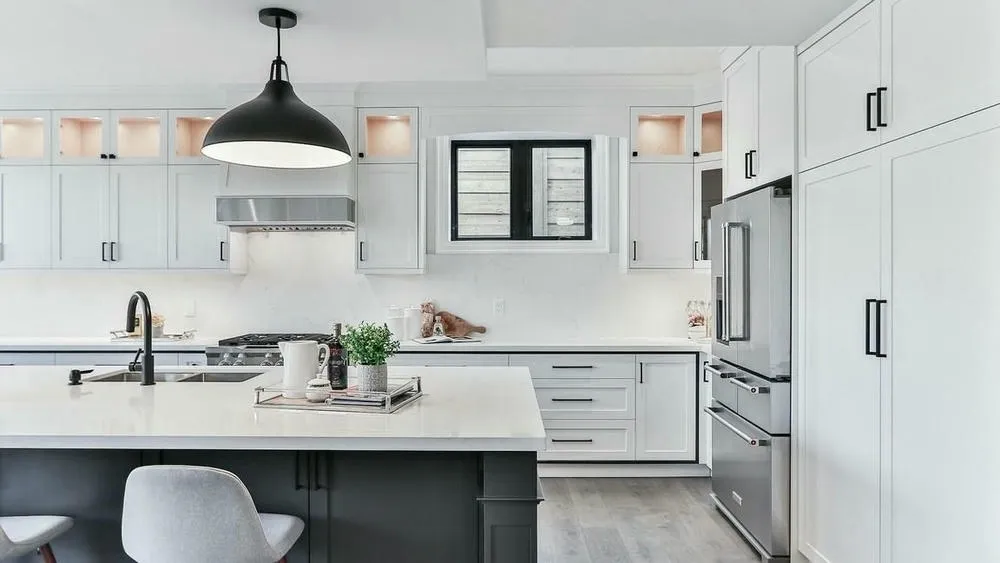
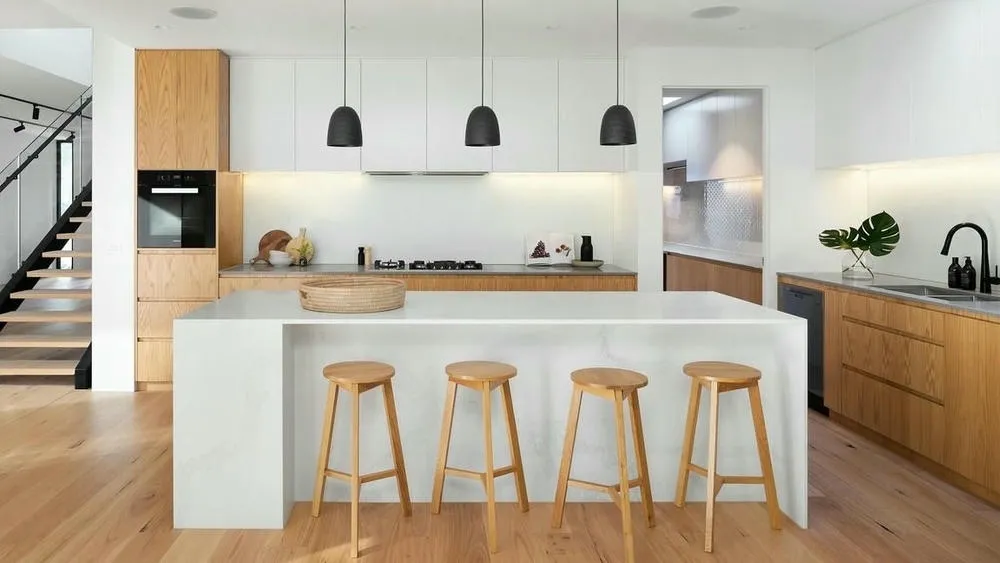
In Scandinavian interiors, we often find open floor plans, unadorned walls, and a limited color palette dominated by whites, light grays, and natural colors. This minimalist approach extends to furniture design, where pieces are characterized by clean lines and functional aesthetics. The minimalist nature of Scandinavian architecture also aligns with the concept of lagom, a Swedish term that symbolizes balance or “moderation.” This concept permeates every aspect of Scandinavian design, from the size of a room to the selection of furniture, creating spaces that are more welcoming and simple, without losing elegance.
Functionality and Practicality
Scandinavian architecture places a strong emphasis on functionality and practicality. Each design element serves a specific purpose, ensuring that the space is optimized for daily life. This approach is a response to the challenging climate and limited resources of the region, where buildings must be efficient and adaptable.
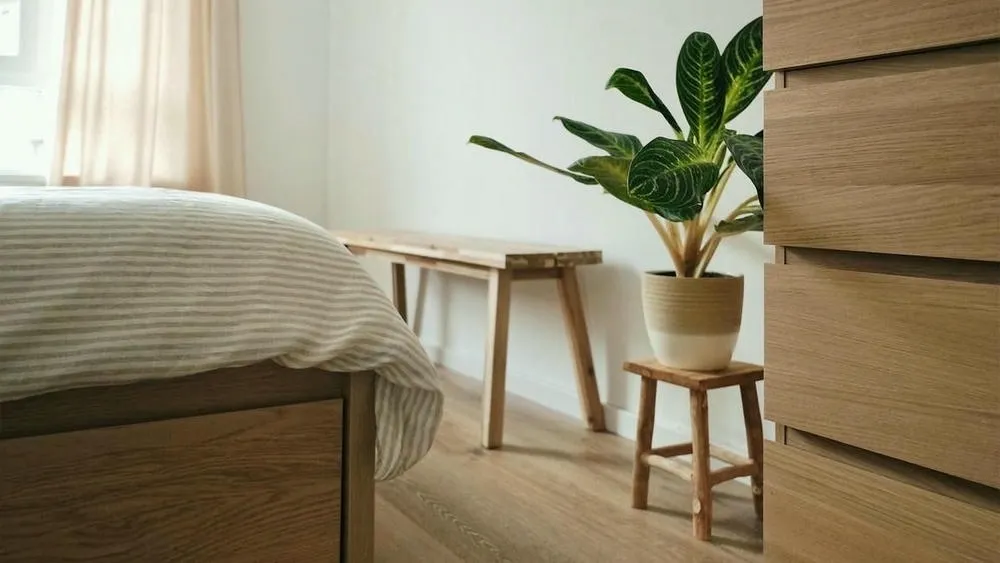
A hallmark of Scandinavian design is the integration of smart storage solutions. Whether it's built-in shelves, under-bed drawers, or wall-mounted cabinets, these thoughtful additions maximize space and reduce clutter. Multifunctional furniture is also favored, offering versatility and efficiency in small living areas.
Furthermore, Scandinavian architecture emphasizes the importance of natural light. Large windows are strategically positioned to allow abundant light into the interiors, which not only enhances the visual appeal of the spaces but also contributes to the well-being of the occupants, especially during the long winters.
Connection with Nature
The stunning landscapes of the Nordic region and a deep reverence for nature have profoundly influenced Scandinavian architecture. This connection with the natural world is evident in the use of sustainable materials, harmonious design, and the integration of indoor and outdoor spaces. Wood, in particular, stands out as an essential material in Scandinavian architecture. Known for its warm feel, durability, and environmental friendliness, wood is extensively used in both structural elements and interior finishes. Its presence infuses spaces with a sense of authenticity and honors the region's rich forest heritage.
To further establish the connection with nature, Scandinavian architects often incorporate elements that blur the boundaries between indoors and outdoors. Large windows not only invite natural light but also frame picturesque views of the surrounding landscapes. Outdoor spaces, such as balconies and terraces, become extensions of the interior, allowing residents to embrace the beauty of nature throughout the year.
Elements of Scandinavian Style
Wood as a Dominant Material
Wood is at the heart of Scandinavian architecture and plays a central role in shaping the style's aesthetic and atmosphere. Abundant in the Nordic region, this natural material has been used for centuries due to its versatility, sustainability, and intrinsic beauty. In Scandinavian houses and buildings, wood is employed in both structural elements and interior finishes. Exposed wooden beams, columns, and rafters add a touch of rustic charm to spaces, while wooden floors create a warm and inviting base for the interiors.
Different types of wood are used, each offering unique characteristics. Lighter woods, such as pine and birch, lend a sense of lightness and simplicity, while darker woods, like oak and walnut, introduce a touch of sophistication and elegance. In addition to providing a strong visual connection to nature, wood also has exceptional insulation properties, essential for coping with the region's harsh climate. The use of wood in Scandinavian architecture ensures that spaces remain warm and comfortable, regardless of the weather outside.
White and Neutral Color Palettes
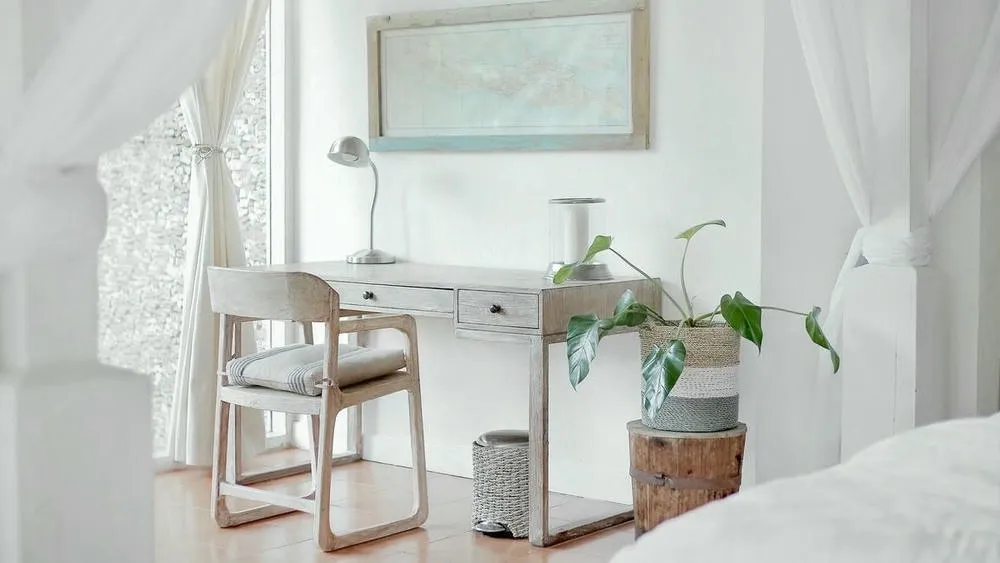
Scandinavian interiors are known for their bright and airy feel, which is largely achieved through the use of white and neutral color palettes. Dominated by shades of white, beige, light gray, and soft pastel colors, these colors serve as a canvas that allows other design elements to shine.
The preference for a neutral color palette is rooted in the limited light during the region's long winters. Light colors help reflect natural light, making interiors feel more spacious and cheerful. This choice also aligns with the minimalist principles of Scandinavian architecture, promoting a sense of calm and uncluttered elegance.
To add visual interest and avoid a sterile environment, designers often incorporate subtle pops of color through textiles, artwork, or decorative pieces. These details complete the spaces with personality and reflect the personal tastes of the residents, while maintaining the overall sense of harmony and serenity.
Hygge, The Coziness Factor
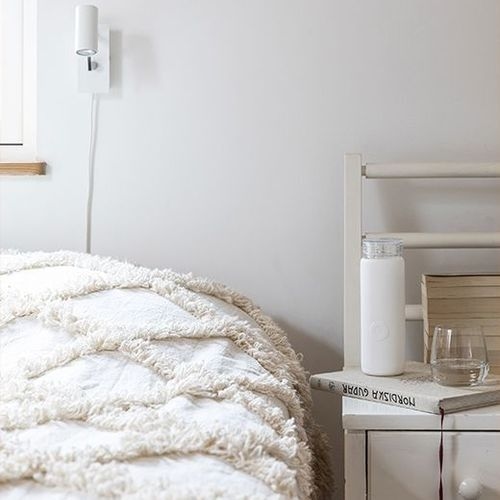
One cannot discuss Scandinavian architecture without mentioning hygge (pronounced 'hoo-gah'), a Danish concept that embodies coziness, comfort, and a sense of well-being. Hygge is not just a design element but a way of life that permeates every aspect of Scandinavian culture. The concept of hygge translates into inviting and comfortable spaces that encourage relaxation and intimacy. Soft textiles, such as sheepskin rugs, chunky knit throws, and plush cushions, add layers of warmth and create cozy seating areas. Warm and soft lighting is another key element in achieving hygge. The soft glow of candles, pendant lights, and table lamps contributes to a relaxed atmosphere, especially during cold weather.
ArchShop is redefining the concept of residential architecture in Brazil, making high-quality projects accessible to everyone. Combining over 20 years of expertise in the construction sector with technological innovation, the company offers a complete digital platform that simplifies and democratizes the process of building the dream home.
We believe that the best ideas arise from the exchange of experiences and the sharing of different perspectives. Open the doors to new opportunities and be part of our blog! If you have an interesting article, an amazing work, a product or service that deserves to be highlighted, contact us.