Sustainable architecture is described as the concern of relating construction processes with an environmental, social, and economic mindset. It is a highly discussed term today, and its issues seek to avoid irreversible threats to the planet's future.
The topic has been the subject of many international debates, and its points are visibly important for environmental conservation. In this context, various fields have been applying sustainable concerns in their daily habits. Architecture and civil engineering could not be different.
In this article, we will see how sustainable practices are presented in the architectural and civil construction fields. In addition, we will address the impact that these practices have on environmental preservation. We will cite the origins of sustainability and the main characteristics that define truly sustainable architecture.
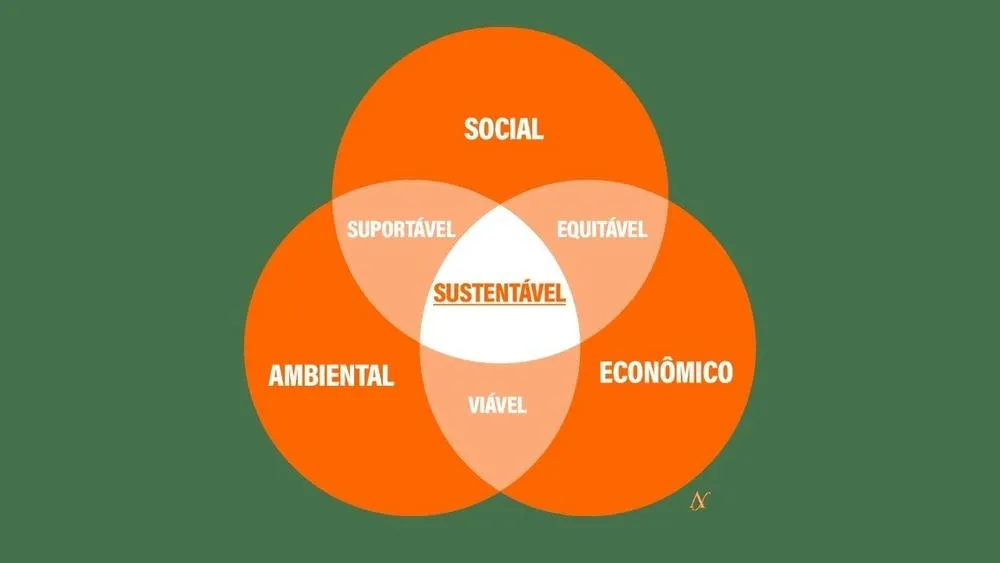
Sustainability is a concept that refers to the ability of a system to ensure its continuity and balance over time. More specifically, it seeks to reconcile the economic, social, and environmental fields to create a fairer and healthier world for everyone. Sustainable actions aim for a development that does not compromise future generations.
Its etymology comes from the Latin "sustentare," which means to sustain, support, and defend. The word "sustainable" also derives from this same root. Both gained prominence in the 1980s, as we will see next. Over the years, new concepts were adopted, and today sustainability is considered a principle to be followed globally.
History of sustainability
We begin our timeline in 1962. The American biologist Rachel Carson publishes the book Silent Spring, in which she documents the harmful effects of industry on nature. Although it included alarming information, the book did not gain the necessary attention. It was written and released at a time when debates on the subject were very scarce.
Reaffirming these environmental concerns, the Club of Rome was formed in 1968. The club's objective was to discuss the relationship between humans and nature in an industrial context. The professionals who were part of the club warned about the indiscriminate use of natural resources and the damage caused by this action. Similar to Carson, the group stimulated the importance of sustainability in a period when it was not yet widely discussed.
Throughout history, the relationship between humans and the environment has generated a distorted view of nature. With natural resources being exploited freely and carelessly, nature was seen as an inexhaustible source of raw materials. We know today that this is a mistaken idea, but civilization only understood the negative impact of this exploitation after the Industrial Revolution.
The Club of Rome began to receive more attention in March 1972, after the publication of The Limits to Growth. Aided by an operating system, the group simulated the impacts generated on planet Earth from the population's behaviors. They highlighted that the risk of a total collapse was imminent and that measures should be taken immediately.
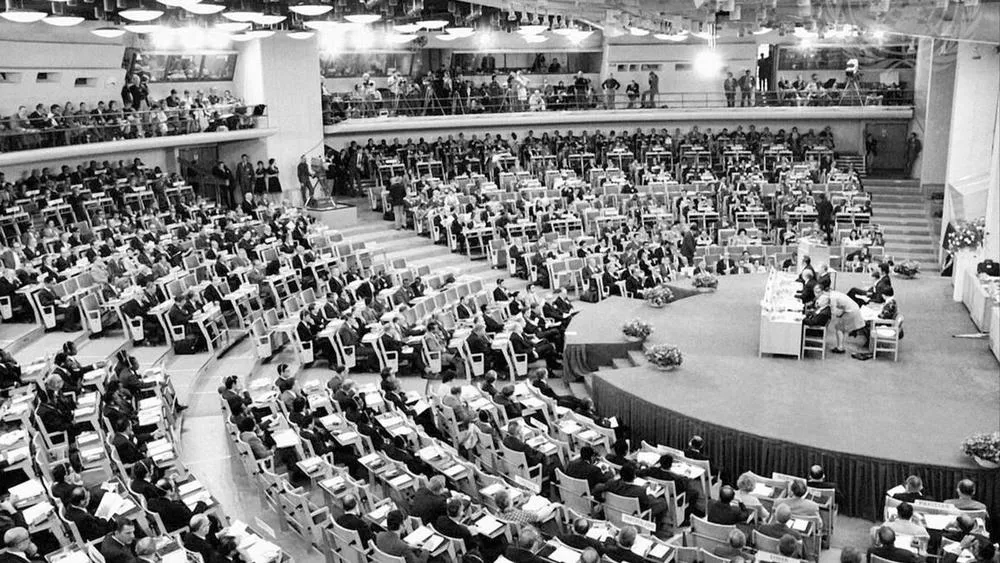
It is in this scenario of apprehension that the historic meeting of June 1972 takes place. Held by the UN (United Nations), the meeting included the first conference among heads of state to discuss the environment. The Stockholm Conference was hosted in the Swedish capital and was attended by the heads of 113 countries. The destructive nature of human action on nature was the main agenda to be debated.
The conference marked the recognition of human power to impact its environment, whether positively or negatively. It conceived and legitimized a historical document that is extremely important to this day. The Stockholm Declaration, as it is known, officially decreed the human right to a quality environment and a dignified life for all.
The meeting was also responsible for introducing the environmental agenda among government priorities. That became the first time that concern for nature gained worldwide attention. A long journey in favor of the environment was started there, receiving a notable boost in 1983, as we will see next.
World Commission on Environment and Development
The World Commission on Environment and Development was created by the Secretary-General of the UN in 1983. Gro Harlem Brundtland, a doctor and former Prime Minister of Norway, was chosen to develop and manage the commission. She received the invitation based on her work in the world of medicine, in which she mixed environmental activities and human development actions.
After dozens of meetings over a period of 4 years, the commission released its official report in 1987. It presented various indices that criticized the position of industrialized countries and reaffirmed threats to ecosystems. The document, named Our Common Future was responsible for introducing the term "sustainable development" to the world. For the commission, the concept advocates for meeting current needs without compromising future generations.
Below is an excerpt from the report:
“Sustainable development requires that societies meet human needs both by increasing productive potential and by ensuring equal opportunities for all. Many of us live beyond the ecological means, for instance, in our patterns of energy consumption… At a minimum, sustainable development must not endanger the natural systems that support life on Earth: the atmosphere, the waters, the soils, and the living beings. In its essence, sustainable development is a process of change in which the exploitation of resources, the direction of investments, the orientation of technological development, and institutional change are all in harmony and enhance both current and future potential to meet human needs and aspirations.” - Our Common Future, 1987
The report established a collection of goals for countries to lead the world to a new reality. It sought to prevent the advance of environmental destruction and ensure greater climate balance. Many are the areas with the potential to help in this mission, and architecture enters the list as one of the main ones.
What is sustainable architecture?
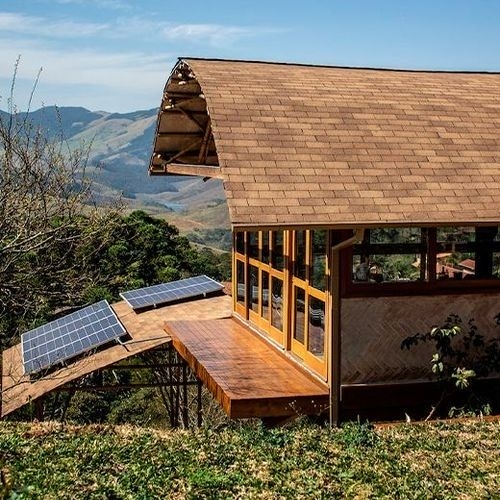
Sustainable architecture represents architectural processes that are equally concerned with users and the environment. Its goal is to optimize buildings so that their performance, in all stages, is more effective and positive. It seeks to create socially just, economically viable, and environmentally responsible spaces.
The life cycle of a sustainable building considers all its parts, from the extraction of the material to an eventual demolition. This type of architecture seeks to minimize its impact on nature through intelligent strategies and solutions. Among them, we can mention: renewable energy sources, energy efficiency, sustainable materials, and intelligent waste management.
Sustainable architecture, therefore, seeks to create buildings capable of remaining in harmony with the community and the environment. In addition, its central objective is to promote the well-being of the people who use these spaces. They provide healthier, more comfortable, and safer environments for their users.
We saw in the previous topic that sustainability has become a common plan in various fields, groups, and social contexts. Much more than an individual decision, being sustainable conveys a concern for the whole, seeking to contribute to the environmental state of the planet. In architecture and civil construction, this approach is even more necessary.
The construction sector is responsible for a large part of the negative impacts on the environment. The irregular disposal of waste and the exaggerated consumption of raw materials are two major examples of this. There are many stages in a construction process that can receive sustainable improvements. Civil construction and architecture have great potential for solutions like this.
About 98% of the waste from the Brazilian construction sector can be recycled, but only 21% of it actually is. If 98% were recycled in just one day, it could help build an area equivalent to 2,134 Maracanã stadiums. The data was calculated by Abrecon (Brazilian Association for Recycling of Construction and Demolition Waste) in 2019.
The role of architecture in this equation is to address intelligent planning for projects. It collaborates with solutions that aim to help in saving energy, light, water, and in the dialogue between nature and the building. Even if civil construction presents more tangible results, such as the correct handling of materials, architecture is essential in the configuration of projects. Both areas must exercise their functions together, seeking an increasingly sustainable result.
History of sustainable architecture
To better understand what sustainable architecture is, it is also important to understand the historical context of its origin. In this part of the article, we will address how environmental discussions have impacted the architectural and civil construction fields.
Following the wave created by the Brundtland Report, several environmental conferences were held in the 90s. Issues related to combating deforestation and controlling gas emissions came onto the agenda in different countries, including Brazil. In 1992, we have the return of the United Nations Conference on Environment and Development, exactly 20 years after the Stockholm Conference.
Rio de Janeiro is the city responsible for hosting the new edition of the conference. It was nicknamed with several names: RIO-92, ECO-92, or even Earth Summit. In this new chapter of history, nations were more prone to environmental issues. The event was highlighted by the large presence of participating countries and the general consent on the attested recommendations.
Named Agenda 21, the final action plan of the conference encompassed themes directed towards sustainable development. In Brazilian planning, the actions in evidence sought to go against the culture of waste in production and consumption systems. The objective was to fully embrace sustainable principles.
It is in this scenario that two important creations officially unite environmental debates and the universe of architecture. The international certifications BREEAM and LEED are launched in the 1990s. Their main focus is on evaluating, classifying, promoting, and stimulating sustainable practices in the architectural and civil construction fields.
BREEAM(Building Research Establishment Environmental Assessment Method), is the oldest certificate in the world. Its first version for corporate buildings arrived in 1990, but it was in 1998 that the brand received its major update. Over the years, it also launched other certificate models for different types of construction.
LEED(Leadership in Energy and Environmental Design), was launched in 1993 by the non-governmental organization USGBC (U.S. Green Building Council). The certificate serves the maintenance of green projects and seeks to work on the design of systems rather than just evaluating them. Houses, buildings, and neighborhoods are part of its spectrum.
After RIO-92, two other conferences for the environmental approach were developed. The RIO+10 of 2002, in Johannesburg, and the RIO+20 of 2012 again in the carioca capital. Both had great prominence of architecture and civil construction in sustainable processes. It had broad participation from architects, urban planners, and specialists to discuss the sustainable development of cities.
It is in the post-RIO+10 that the first Brazilian certifications are launched.
PROCEL Edifica was created in 2003 by PROCEL (National Program for the Conservation of Electrical Energy). The program's mission was to contribute to people's quality of life through electrical efficiency. Through the certificate, it sought to reduce environmental impact and build necessary metrics for the rationalization of energy consumption.
AQUA-HQE™ was created in 2008 by the Vanzolini Foundation in partnership with the Polytechnic School of USP. From the pre-project to the execution of the work, the certificate analyzes all construction stages and prioritizes sustainable solutions. The AQUA-HQE™ was adapted from a French certification, Demarché HQE, one of the most important in the world.
In addition to the already mentioned seals, we find many others scattered throughout Brazil and the world. Casal Azul and AQUA SOCIAL are two Brazilian examples. CASBEE from Japan, NABERS from Australia, DGNB from Germany, and Nordic Swan from the Nordic Countries.
In this topic, we understand that architectural processes are relatively recent among sustainable debates. It is important to note, however, that there were many movements that valued natural and environmental aspects even before they were official.
The relationship of architectural processes with sustainable debates is relatively recent. However, many were the movements that valued natural and environmental aspects in their projects long before that. It is important to be aware of the historical periods of each construction to not confuse concepts and styles. Ecological architecture, for example, is not the same as sustainable architecture.
When we talk about ecological architecture, we work with the idea of total integration with the environment. It works on the preservation of spaces and the least possible environmental impact. This is also a goal of sustainable architecture, but it's not just that. Truly sustainable architecture must involve the 3 pillars: social, economic, and environmental.
In other words, sustainable architecture presents the concept of sustainable development. In addition to the ecological mission, it must also promote the social and economic spheres. To better illustrate this idea, we have separated below the main characteristics of sustainable architecture:
Characteristics of sustainable architecture
Cause the least possible impact on its location
A sustainable architecture project starts, first of all, from the evaluation of its location. Sustainable architecture values a healthy relationship between the building and the environment. Such a relationship is only possible from the solutions found based on the evaluation of its surroundings.
Knowing the construction site beforehand allows the responsible professional to devise the best strategies for a peaceful presence in that environment. One of the great principles of sustainable architecture is to cause the least possible environmental impact, avoiding as much as possible being an adversity to nature.
In this evaluation, the presence and availability of natural resources in that region are also investigated. This detail is important because it can contribute to further optimizing the construction process. The presence of available raw materials dispenses with the search for materials in other places, cheapening transportation and favoring the local economy.
In addition, it is crucial for sustainable architecture that the project is aware of all the geological and territorial conditions involving its location. This is also a study that can be done along with the primary evaluation. It seeks, therefore, the best and most respectful integration of the project with the environment.
Embrace the natural characteristics of the land in its project
Sustainable architecture advocates that buildings should not alter their environment, but rather be molded to the already presented conditions. This principle is directly linked to what we saw in the previous topic. For a sustainable architectural project, it is essential to know the profile of the land to be built on. It is from it that the design of the space will be born.
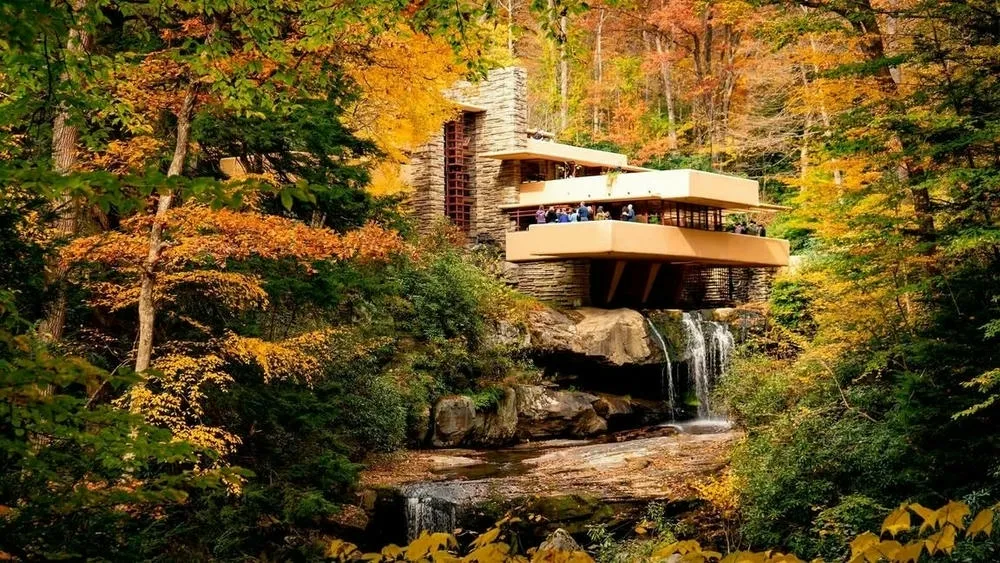
When a land has certain natural characteristics, sustainable architecture tends to preserve them and transform them into an architectural element. The construction embraces its properties and considers them in the pre-project itself. This attitude reaffirms the conservation of the environment and produces unique and ecological buildings.
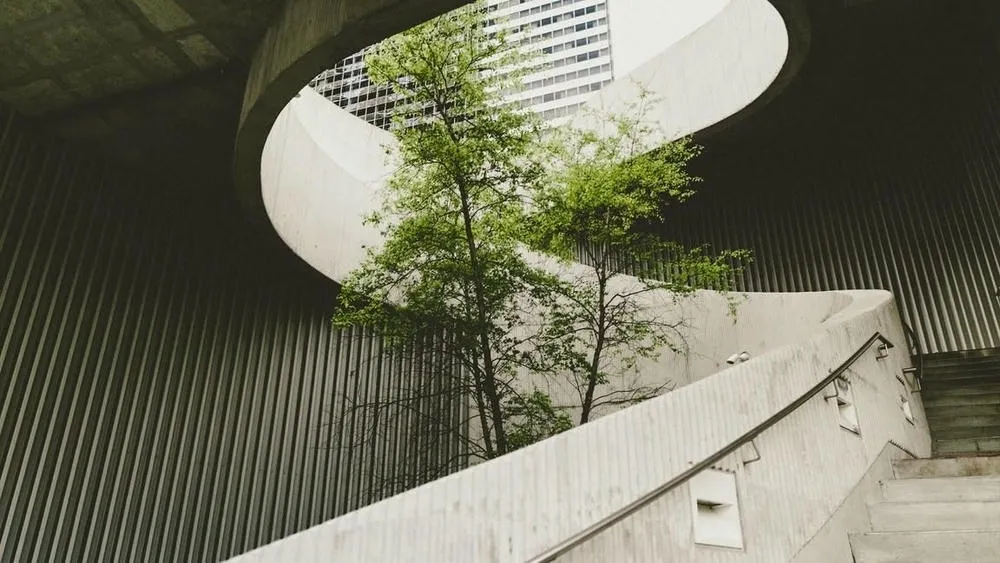
Trees are a good example to illustrate this topic. Instead of cutting them down for construction, one chooses to create a project that adopts their presence. With this, not only the basic issues of planning are taken into account (electricity, water, automation, and so on). The characteristics of the soil, vegetation, ventilation, and natural light also gain importance.
In sustainable architecture projects, the aim is to value the green areas of the land. The focus of the construction is to define a space for landscaping to be the protagonist. Like any other architectural project, the presence of professionals in this planning is essential. Together they can find the necessary solutions for the land and apply them in a coherent and safe way.
Present more economical and efficient systems
Sustainable architecture goes beyond just an ecological profile. Its concept explores 3 important pillars of development, and the economic factor is one of them. To consider an architecture sustainable, we must identify strategies that help transform the construction into a more economical and efficient system.
In a sustainable architectural project, everything is thought out in an optimized way and applied intelligently. The chosen actions seek a reduction in total expenses and promote the economy of water and electricity. Environmental preservation comes as a consequence of all this.
To achieve this result, the strategies can vary according to the location and the land. Generally, renewable energy sources and optimized hydraulic systems are adopted. Sustainable architecture makes it possible to create a project with greater energy and water efficiency, as well as being financially advantageous for the resident.
Its economic solutions, moreover, are not limited only to the optimization of systems. A sustainable project also seeks to consider the entire life cycle of the building, from pre-production to an eventual demolition. The complete analysis of the stages allows them to be improved to the maximum, reducing their costs and aspiring to a total recycling of all materials used.
Speaking of recycling, this is also an extremely important factor in sustainable architectural systems. The environmental mentality seeks to ensure that its processes are reusable and explore natural resources more intelligently. We will delve deeper into this subject in the next topic.
Address recycling as an intrinsic process
One of the most important characteristics of sustainable architecture is recycling. It becomes almost intrinsic to this system, reinforcing the peaceful relationship between construction and the environment. Sustainable architecture comes to promote the reuse of materials and avoid the unbridled and irresponsible consumption of natural resources.
We mentioned earlier that the Brazilian construction industry produces large amounts of waste in its works. Of this number, not even half is properly recycled. It becomes vital in this sector that sustainable practices are adopted and their processes optimized. We saw that in just one day of recycling, the reuse of waste would have a grandiose and effective potential.
Going beyond recycling, sustainable architecture also seeks to enable other sources of raw materials. A good example is reforestation wood, cultivated with the intention of being extracted later. They prevent native trees from being threatened and propose an ecological solution to the problem.
Another sustainable option that involves the reuse process is rainwater harvesting systems. Although not suitable for consumption, rainwater can be used in various activities. Some examples are: washing external areas, irrigating plantations, and washing clothes. This process contributes to the project's water economy.
Reuse can also be applied to other systems. One of them is the sanitary system, which has a special treatment for dry waste and transforms it into fertilizer. This product will reintegrate into the environment and help in the development of gardens, vegetable gardens, among others.
Present a strategic and local landscaping
The study of the location is an essential step for the development of sustainable architecture. Through it, the architectural planning displays more assertive solutions that guarantee the construction a more respectful presence in the environment. And this also applies to the landscaping that will cover the project.
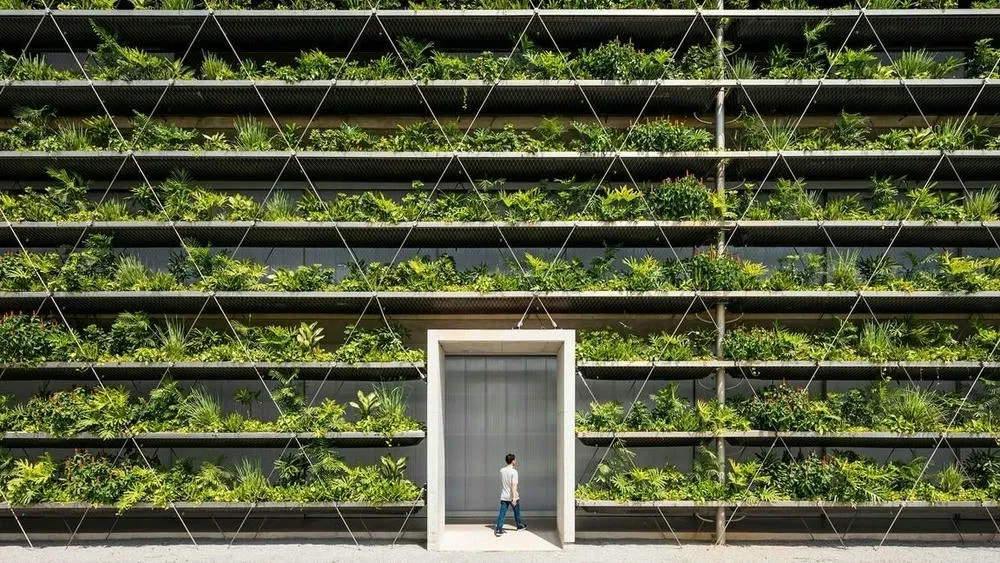
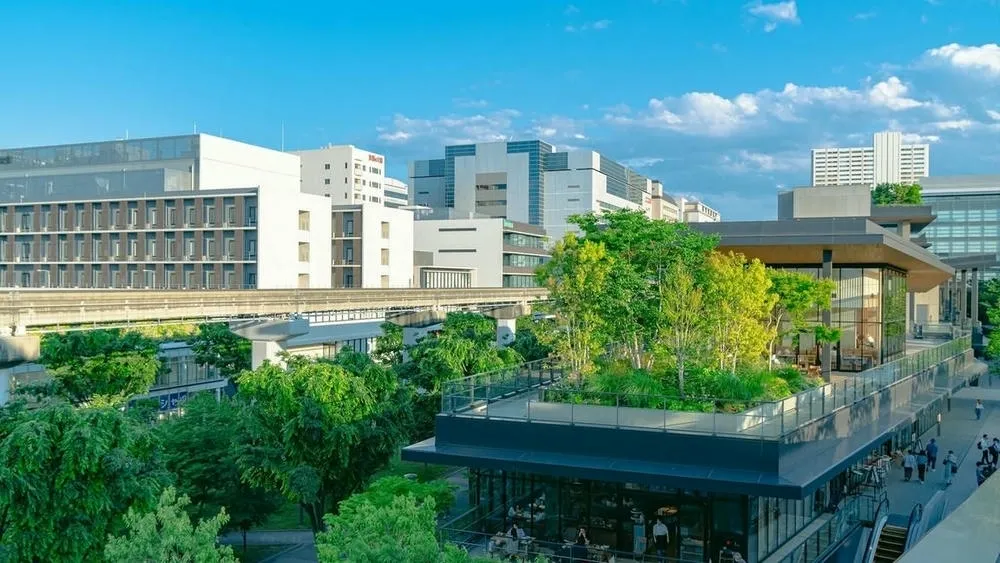
There are many models and applications of landscaping in an architectural project, from green roofs to vertical gardens. The variations go according to the land and the building that will be built. The norm for a sustainable application, however, is to comply with the environmental characteristics of the place, preserving the existing ecosystems.
It is very common to find examples of Brazilian landscaping that do not reference the native plants of the country. The constant use of foreign species ends up devaluing and ignoring the variety of Brazilian flora. In sustainable architecture, this scenario is undone: the highlight is attributed to local plants, in their proper spaces and executions.
By honoring the national flora, the landscaping of sustainable architecture creates a 100% Brazilian environment and a safe haven for the preservation of species. In this sense, the architectural project is responsible for devising solutions that ensure sunlight and ventilation for the plants.
And the functions of landscaping do not stop there. A well-structured landscaping also collaborates for the visual harmony of the project and creates spaces that bring residents closer to nature. This approximation, consequently, provides shelter, comfort, and well-being, reinforcing the ergonomics of the construction and improving the health of the users.
Promote awareness of a sustainable culture
Throughout this article, we have seen how ideas about sustainability have gained breadth throughout history. Through this breadth, important concepts were established and objectives were set in the human trajectory. One of them, as we have mentioned several times here, is sustainable development, which intertwines environmental, economic, and social issues.
When we discuss sustainable architecture, we seek to integrate a more ecological thinking into the planning of buildings, which values the environment. However, as this is an architecture model based on sustainable development, we must also take into account issues beyond environmental ones.
For sustainable architecture to have an effective presence, the mindset of residents and the population also needs to change. Ways of thinking about sustainability need to be included in people's daily lives so that habits are strengthened. A sustainable architectural project loses its meaning when there is no real cultural change in the use of spaces.
Social awareness is perhaps the most relevant characteristic of sustainable architecture, as it serves as a basis for literally all the others. People's behavior counts a lot for sustainability to come to life. Therefore, beyond ecological solutions, sustainable architecture also aims to promote broad social awareness. Its main mission is to insert the sustainable culture in the environments and in the daily life of society.
ArchShop is redefining the concept of residential architecture in Brazil, making high-quality projects accessible to everyone. Combining over 20 years of expertise in the construction sector with technological innovation, the company offers a complete digital platform that simplifies and democratizes the process of building the dream home.
We believe that the best ideas arise from the exchange of experiences and the sharing of different perspectives. Open the doors to new opportunities and be part of our blog! If you have an interesting article, an amazing work, a product or service that deserves to be highlighted, contact us.