What is architecture? Discover the art of designing spaces
In this article, we will explore various topics about architecture. Its meaning, history, functioning, and the reasons why it is such a crucial art in the construction of spaces.
Architecture is one of the oldest arts of humanity and has developed in a unique way. It always seeks to improve the way spaces are built and used. Its objective is to design ergonomic, functional, and beautiful buildings and environments.
In this article, we will explore various topics about architecture. Its meaning, history, functioning, and the reasons why it is such a crucial art in the construction of spaces. If you want to learn more about this fascinating area of knowledge, continue reading and embark on this journey with us!
Architecture is one of the oldest and most relevant forms of art and science that exist. This area has as its main objective to design functional, aesthetic, and safe constructions. To understand what architecture is, it is important to highlight that it covers many types of projects. From residential houses to commercial buildings, public spaces, and green areas, everything depends on the planning of the professionals in this field.
Architecture can also encompass other activities outside the circuit we are used to. There is architecture in the restoration of historical monuments, for example, and even in the creation of sets for audiovisual productions.
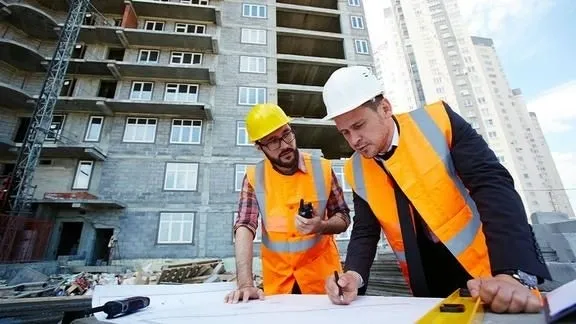
One of the main characteristics of architecture is its ability to unite aesthetics and utility. To design safe, efficient, and pleasant environments, architects work together with several other areas. It is the combination of the skills of engineers, designers, and landscapers that makes an architectural project successful.
Another important point to highlight is that architecture is not just about designing and building buildings. It is also related to cultural, social, and historical aspects. Architecture is able to tell stories about the past of a city and/or country and reflects the characteristics of each society.
In short, architecture is an extremely broad and very relevant area. It involves several activities and professionals who come together to ensure a complete and quality project. It aims to create beautiful, safe, and functional spaces that also reflect the culture and history of a certain people.
Objectives of architecture
Architecture is a field of activity that seeks to create functional and aesthetically pleasing spaces. But in addition to these basic aspects, there are more specific objectives that architecture seeks to achieve in its projects. In this topic, we will explore the main objectives of architecture and how they are important for the success of a project.
Functional spaces
One of the main objectives of architecture is to create spaces that are functional and meet the needs of users. This means that an architectural project must take into account many aspects. Flow of people, ventilation, lighting, accessible environments. A well-designed space must be able to comfortably accommodate the activities that will be carried out there.
Aesthetics
In addition to being functional, architectural spaces must be aesthetically pleasing. This does not just mean designing beautiful buildings, but rather considering the harmony between the forms, colors, and textures present in the space. A successful architectural project should be able to enchant the people who use it.
Sustainable solutions
Concern for the environment is an increasingly present objective in architectural projects. Architecture seeks to create spaces that are ecological and capable of preserving natural resources. This includes everything from the use of sustainable materials to the use of solar energy and rainwater harvesting.
Innovation
Architecture also seeks to create innovative spaces, which present creative solutions to everyday challenges. This may include the use of new materials, the creation of different forms, or the use of advanced technologies. Innovation is important for the evolution of architecture and for the creation of increasingly efficient spaces.
Safety
Finally, architecture also seeks to create safe spaces for the people who use them. This includes aspects such as the resistance of materials, the stability of the structure, and the installation of safety equipment. This aspect is fundamental to ensure the well-being of users in that space.
In short, architecture focuses on creating functional, aesthetically harmonious, sustainable, innovative, and safe environments. To achieve these objectives, it is necessary to consider various aspects of construction. From the use of materials and choice of forms, to the integration of advanced technologies.
Origin of architecture
Architecture is one of the oldest forms of art and science in history. Since the construction of the first shelters, it has developed to meet the needs and desires of societies. In this topic, we will explore its origin, evolution, and architectural influences in different parts of the world.
Origin of architecture
It is believed that architecture emerged with the beginning of civilization. Abandoning simple caves, human beings began to build more elaborate and functional shelters. They sought to address their basic survival needs, such as protection against predators and changes in the climate. The first primitive constructions used natural materials (wood, stone, and clay).
Evolution of architecture
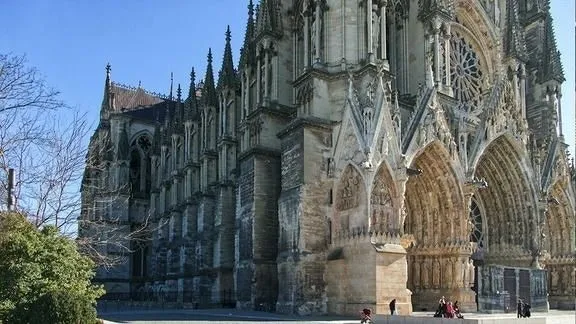
Architecture evolved over the centuries with the influence of different cultures and architectural styles. In Ancient Greece, for example, classical temples with columns and pediments emerged. In the Middle Ages, Gothic cathedrals featured arches and vaults that allowed for taller and more illuminated constructions. In the Renaissance, constructions featured harmonious proportions and symmetry, inspired by the forms and proportions of nature.
First school of architecture
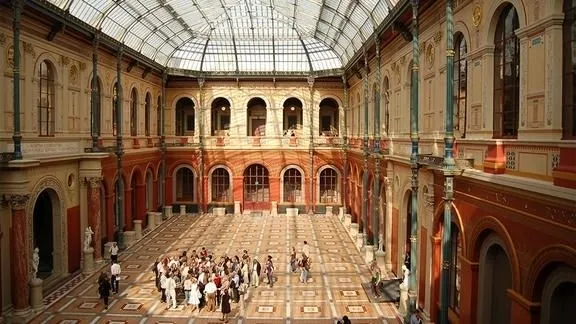
The first modern school of architecture was founded in 1671, in Paris, by the French architect François Blondel. École des Beaux-Arts became the main school of architecture in France and had a significant influence on European and American architecture. The school was responsible for training many of the architects who designed famous buildings. Some examples are the Paris Opera, the Sacré-Cœur Basilica, and the Library of Congress in Washington.
Architecture in the world
Architecture is one of the most important forms of cultural expression in the world. Each region and country has unique architectural styles, influenced by factors such as climate, geography, available resources, and cultural traditions. In Latin America, for example, architecture has indigenous, European, and African influences. The result are styles such as baroque, colonial, and modernist. In Asia, architecture has Buddhist, Taoist, and Hindu influences, resulting in styles such as the pagoda, the temple, and the palace.
Architecture is an ancient and fundamental art. It plays a vital role in building societies and creating functional and pleasant spaces. From its primitive origins to modern evolution, architecture has been influenced by different cultures and traditions around the world. More than that, it also reflects the social values of each people, based on their historical moment.
By analyzing past constructions, it is possible to understand the priorities and ideals of the society at that time. Gothic architecture, for example, reflects the religion present in the lives of people in the Middle Ages. Modernist architecture boasts a search for minimalist and functional aesthetics, common in the 20th century.
In short, architecture is a fundamental art and science for the development of humanity throughout history. From the creation of primitive shelters to the construction of modern skyscrapers, architecture is influenced by different cultures and traditions. It has great power to transform space and impact people's lives. Knowing the history and evolution of architecture is fundamental to understanding its role in society.
Types of architecture
Architecture is a discipline that encompasses a wide variety of styles and approaches, each with its own history and influences. In this topic, we will discuss the main types of architecture, their histories, and some of the most famous examples.
Classical architecture
Classical architecture is a style that originated in ancient Greece and spread throughout the Roman Empire. It is characterized by the use of architectural orders, such as Doric, Ionic, and Corinthian, which are columns with different styles of capital. A famous example of classical architecture is the Parthenon in Athens, which is considered one of the most important monuments of ancient Greece. Another example is the Colosseum in Rome, one of the most emblematic monuments of the Roman Empire.
Gothic architecture
Gothic architecture developed in Europe during the Middle Ages, characterized by its pointed arches, ribbed vaults, and stained glass windows. A famous example of Gothic architecture is the Notre-Dame Cathedral in Paris, which has become an icon of French Gothic architecture.
Renaissance architecture
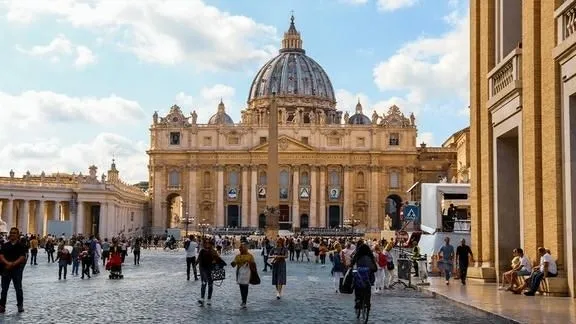
Renaissance architecture is a style that developed in Italy during the 15th century. It is characterized by symmetry, proportion, and balance, and by ornamental details. A famous example of Renaissance architecture is St. Peter's Basilica in the Vatican, designed by Michelangelo, Bramante, and Bernini.
Baroque architecture
Baroque architecture developed in Europe during the 17th century. It is characterized by the use of elaborate decorative elements, such as sculptures and frescoes. A famous example of baroque architecture is the Church of São Francisco de Assis in Ouro Preto, Brazil.
Modernist architecture
Modernist architecture is a style that developed in the early 20th century. It is characterized by the use of industrial materials, such as concrete and glass. A famous example of modernist architecture is Fallingwater, designed by Frank Lloyd Wright in 1935.
Important names in the field of architecture include Le Corbusier, Mies van der Rohe, Zaha Hadid, Oscar Niemeyer, Lina Bo Bardi, among others. Each of these architects left their mark on history, creating iconic buildings that contributed to the advancement of the profession.
Architecture is a discipline that encompasses a wide variety of styles and approaches. Each of them brings its own history and influences over time. It is a form of expression that reflects the ideas and values of its time. Understanding the history and types of architecture is fundamental to appreciating the buildings of our own daily lives.
In addition to the examples mentioned above, there are many other architectural styles. We can mention neoclassical, brutalist, postmodern, contemporary architecture, among many others. Each of these styles has its own characteristics and influences, reflecting the cultural and social trends of the time in which they were created.
In short, architecture is a fascinating discipline that encompasses a wide variety of styles and approaches. The history of the types of architecture reflects the cultural and social changes that have occurred over time. Understanding it is fundamental to better see the beauty and complexity of the buildings around us.
What is an architectural project?
An architectural project is a creative activity that involves the conception, planning, and construction of a building or space. The main objective of an architectural project is to create functional, aesthetically pleasing, and safe spaces that meet the needs of users. In this topic, we will explain what an architectural project is and what are the stages involved in this process.
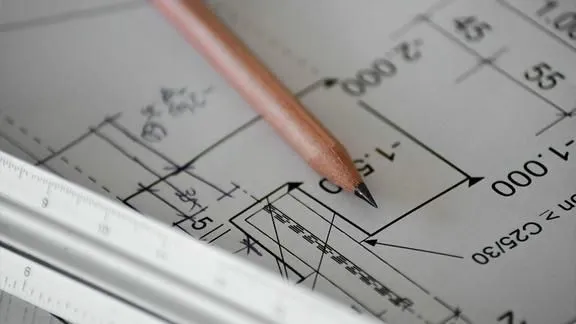
What is an architectural project? An architectural project is a detailed plan that describes the building or space to be built. It includes drawings, diagrams, technical specifications, and construction details. The architectural project is prepared by an architect, who is responsible for ensuring a functional, beautiful, and safe space.
Stages of an architectural project
Needs assessment: In this stage, the architect meets with the client to understand their needs and desires regarding the project. It is important to ask detailed questions to formulate an adequate brief. Question about the size of the construction, number of rooms, style of architecture, materials, among other aspects.
Preliminary studies: After meeting with the client, the architect begins to create preliminary studies to evaluate different layout and design options. It is important that the architect uses the information collected in the first stage to develop coherent and creative studies.
Preliminary project: Based on the preliminary studies, the architect begins to develop a preliminary project, which is a more detailed and refined version of the project. In this stage, the architect works on technical drawings, such as plans, sections, elevations, and perspectives, which will serve as a guide for the execution of the project.
Executive project: After finalizing the preliminary project, the architect prepares the executive project, which is the final version of the project. In this stage, the architect works on more specific details. Materials, budget, schedule, and technical details for the execution of the work.
Approvals: After finalizing the executive project, the architect must submit it to the competent bodies. It is necessary to obtain the necessary approvals for construction (permits and licenses, for example).
Construction monitoring: The architect can also be responsible for monitoring the construction. They verify if the construction is being executed according to the approved project and make adjustments when necessary.
These are the main stages of an architectural project, but each project is unique and may have specific needs. The important thing is that the architect has a well-structured method and process to ensure the quality and effectiveness of the project.
Who does the architectural project?
An architectural project is a complex task that involves many qualified professionals. But after all, who is responsible for creating an architectural project?
The answer is simple: the architect is the professional responsible for the architectural project. The profession of architect is regulated in Brazil by Law No. 12,378/2010. It is established that only architects and urban planners registered with the Council of Architecture and Urbanism (CAU) can practice the activity.
The architect is responsible for creating an architectural project that meets the client's needs and desires. They also consider aesthetic, functional, technical, and economic issues. They work in conjunction with other professionals (engineers, designers, landscapers) to ensure the quality of the project.
Although architecture and engineering are complementary areas, the functions of the architect and the engineer are different. While the architect is responsible for the architectural project, the engineer is responsible for the structure and the electrical and hydraulic installation of the construction.
The training to become an architect requires a higher education course in Architecture and Urbanism, which usually lasts five years. During the undergraduate course, students study various disciplines, such as technical drawing, history of architecture, architectural project, construction technology, among others.
After graduation, the architect must register with the CAU to be able to practice the profession. Continuing education is also important for professional improvement. Therefore, many architects do postgraduate studies, other courses, and participate in congresses and workshops.
In addition to the CAU, another important entity to be mentioned is CREA (Regional Council of Engineering and Agronomy). It is responsible for guiding, verifying, and supervising the professional activities of many areas, including engineers. The CREA is relevant to architecture because it directly affects the execution of projects.
In short, an architectural project is created by an architect. This is the professional responsible for thinking about every detail of the project, from conception to the execution of the work. The engineer and other professionals complement the architect's work. They exercise their activities in their respective areas of training, ensuring quality and safety for the construction.
How to become an architect?
If you are interested in becoming an architect, it is important to understand that the profession requires a unique combination of skills and knowledge. Architecture is a discipline that requires creativity, technical skills, and knowledge of history, culture, technology, and sustainable means.
The first step to becoming an architect is to complete high school. After that, you will need to enroll in an architecture course at a university recognized by the Ministry of Education. The undergraduate degree usually lasts five years and covers a wide variety of disciplines, as we have already mentioned.
In addition, it is important to acquire practical experience in architecture offices. By participating in internships and volunteer work, it is possible to better understand how the profession works.
To become a successful architect, it is essential to master a wide variety of knowledge and skills, including:
Creativity: architecture is a creative discipline that requires the ability to think outside the box. It also seeks to generate innovative solutions to design challenges.
Technical skills: it is important to have solid technical skills to understand how to design and build buildings. This includes knowledge of technical drawing, 3D modeling, material technology, and construction techniques.
Knowledge of history and culture: it is fundamental to understand the history and cultural influences of architectural designs. Only then can a critical view of projects and of architecture itself be created.
Sustainable solutions: sustainable architecture has become increasingly important. It is fundamental to understand how to design buildings that are energy-efficient and environmentally responsible.
Communication skills: architecture involves working in a team and communicating with a wide variety of people. The professional in the field needs to be in contact with everyone from clients to engineers and contractors. It is important to have solid communication and collaboration skills to succeed in the profession.
Why are architects important?
Architecture is a discipline that plays a fundamental role in our lives. It is responsible for designing and building the spaces where we live, work, and have fun. Architects are the professionals who turn our dreams into reality, creating buildings and spaces that are aesthetically attractive, functional, and safe. In this topic, we will discuss why architects are important and what impact they have on our lives.
Design of buildings and public spaces
One of the most important roles of architects is the design of buildings and public spaces. They are responsible for creating projects that are aesthetically attractive, functional, and safe. This involves considering factors such as access, fire safety, thermal and acoustic comfort, ventilation, lighting, and much more. Architects are also responsible for ensuring that their projects are ecological, sustainable, and energy-efficient.
Preservation and restoration of historical heritage
Architects also play an important role in the preservation and restoration of historical heritage. They work in conjunction with historians, conservators, and engineers to preserve historical monuments and buildings. This involves identifying original materials, construction techniques, and appropriate restoration methods. Its purpose is to preserve the authenticity and cultural value of the historical heritage.
Improvement of quality of life
Architects are responsible for designing buildings and spaces that improve people's quality of life. This includes residential, commercial, and public buildings that offer healthier, safer, and more pleasant spaces to be in. They also design public spaces such as parks, squares, and leisure areas that help improve the quality of life in cities.
Sustainable development
Architects have a fundamental role in sustainable development. They are responsible for designing ecological projects, with energy efficiency and sustainable systems. To achieve this goal, they use ecological materials, efficient technologies, and create green spaces for urban environments.
In short, architects are highly important professionals for creating beautiful, functional, safe, and sustainable environments. They play a crucial role in preserving historical heritage and improving people's quality of life.
What is the difference between architects and engineers?
Architects and engineers are essential professionals for the development of construction and urbanism projects. Although there is some overlap in skills, these professionals have different roles in a project. In this topic, we will end your doubts and explain the differences between architects and engineers.
To begin with, architecture is an art and engineering is a science. Architecture is more focused on the aesthetics and function of a project. Engineering is concerned with the structure and technical feasibility of the project. In other words, the architect is responsible for the architectural project, while the engineer is responsible for the execution.
Architects are responsible for the conception and development of a project. From the definition of the program of needs to the coordination of the execution of the work. This process also includes the elaboration of preliminary studies and executive projects.
They must take into account issues such as function, aesthetics, access, thermal and acoustic comfort, as well as compliance with legal and environmental standards. The architect must also keep in mind the impact of the project on society and the urban landscape.
Engineers, on the other hand, have a more technical role in the execution of the project. They are responsible for sizing structures, electrical and hydraulic installations. They also perform calculations and simulations to ensure the safety and efficiency of the project. Engineers can be responsible for sustainable issues, especially in the choice of materials and construction systems.
It is worth noting that the relationship between architects and engineers is very important in a construction project. Both professionals work together to ensure the quality and feasibility of the project. The architect must have a basic technical knowledge of engineering, while the engineer must have basic knowledge of architecture. Communication between these professionals is essential to avoid errors and conflicts.
The difference, therefore, is that architects are responsible for the architectural project and the engineer for the technical execution of this project. Both professionals play fundamental roles in the construction process. Their joint work is essential for the final quality of the building.
What is the difference between architecture and urbanism?
If you are interested in urban and architectural projects, you may have already wondered about the difference between one and the other. Both areas, after all, are related to the construction of spaces and buildings. However, each one is unique and has specific objectives. In this topic, we will address the differences between architecture and urbanism, their skills, and the knowledge required for each area.
What is architecture? Architecture is the art and science of designing and building buildings, taking into account aesthetic, functional, technical, and sustainable issues. Architects are professionals responsible for creating and developing architectural projects, which can range from small houses to large commercial or institutional complexes.
To create pleasant and comfortable spaces, architectural projects use materials, colors, textures, and light points. They also take into account technical aspects, such as the resistance and durability of the construction.
What is urbanism? Urbanism is a discipline that deals with the planning and organization of cities. It includes issues related to infrastructure, urban mobility, housing, environment, and quality of life of the population. Urban planners are responsible for developing urban plans and projects that can improve the quality of life and dynamism of cities.
The objective of urbanism is to create more integrated and sustainable urban spaces. They must meet the needs and demands of the population, taking into account social, economic, and environmental aspects.
One of the main differences between architecture and urbanism is the scope of the work. Architecture deals mainly with the design and construction of buildings. Urbanism has a broader approach, involving the planning and organization of the urban space as a whole.
In addition, architectural projects tend to be more focused on the aesthetic and functional aspect of a space. Urban projects need to take into account broader issues. Access, circulation of people, the environment, and quality of life are some examples.
Another important difference is the training and professional profile of architects and urban planners. Architects usually have a training focused on the design and construction of the building. Urban planners have a more focused training in urban planning, including areas of geography, sociology, economics, and public management.
In short, architecture and urbanism are two areas related to the construction of spaces, but they have different objectives and approaches. In architecture, professionals deal with the design and construction of buildings. In urbanism, professionals have a broader focus, addressing the planning and organization of urban spaces.
5 famous examples of architecture
Architecture is a form of artistic expression that combines aesthetics, function, and technique. Throughout history, architects from all over the world have created iconic projects that have been able to withstand the test of time. In this topic, we list 5 famous examples of architectural projects in Brazil and in the world.
The Great Pyramid of Giza - Egypt
The Great Pyramid of Giza is one of the oldest and most iconic architectural structures in the world. Completed around 2560 BC, it is the largest of the three pyramids that make up the Giza complex in Egypt. At 146 meters high, it was considered the tallest structure in the world for about 3,800 years.
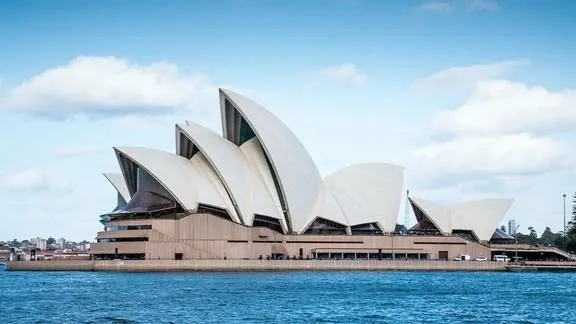
The Sydney Opera House - Australia
Designed by the Danish architect Jørn Utzon, the Sydney Opera House is one of the most iconic architectural projects of the 20th century. Located in Sydney, Australia, the opera house was inaugurated in 1973 and has become an icon of the city.
The Niterói Contemporary Art Museum - Brazil
Designed by the Brazilian architect Oscar Niemeyer, the Niterói Contemporary Art Museum is one of the most iconic architectural works in Brazil. With its curvilinear and futuristic shape, it stands out in the landscape of Niterói, a city near Rio de Janeiro.
The Eiffel Tower - France
The Eiffel Tower is a world icon of architecture and one of the most popular tourist attractions in France. Designed by Gustave Eiffel, the tower was built in Paris for the 1889 Universal Exhibition. At the time of its completion, it was the tallest structure in the world.
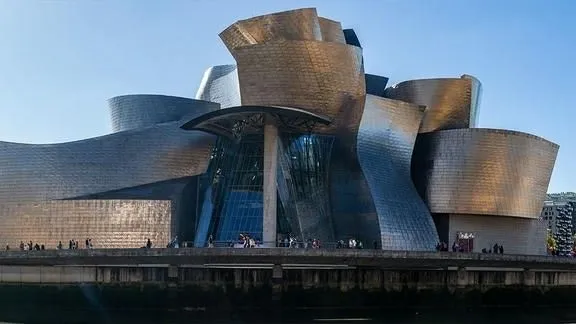
The Guggenheim Museum Bilbao - Spain
Designed by the architect Frank Gehry, the Guggenheim Museum Bilbao is one of the most iconic architectural projects of the 20th century. Inaugurated in 1997, the museum has an unusual and futuristic shape, with curved walls and a titanium facade.
These are just a few examples of famous architectural projects around the world. Each of these projects is unique and has an interesting story behind its creation. Architecture is a form of art that continues to inspire and impress people all over the world.
Examples of architecture in daily life
Architecture is present everywhere. From the houses we live in to the tallest buildings and monuments in the world. Even though it shapes the way we exist, it is common not to notice its value in our daily lives. Therefore, we have listed in this topic some architectural examples that make our lives easier and contribute to our well-being and comfort.
Houses and residential buildings
Residential architecture is responsible for the projects of houses and buildings for housing. It is concerned with the comfort, safety, and practicality of the spaces. Architects seek to create functional spaces that meet the needs of residents. In addition, they incorporate aesthetic elements that make the constructions more beautiful and unique.
Shopping malls and commercial centers
Shopping malls and commercial centers are designed by architects to provide a pleasant and practical experience for consumers. The architecture of these spaces is designed to guide the flow of people and provide thermal and acoustic comfort. It creates a pleasant and safe environment for users.
Public transport stations
Metro, bus, and train stations are designed to provide comfort, safety, and practicality to users. Architects are responsible for designing spaces that can accommodate large flows of people and offer efficient urban mobility solutions.
Squares and parks
Squares and parks are public spaces designed to offer an environment for leisure, conviviality, and contact with nature. The architecture of these spaces is designed to promote integration between people and provide a safe and pleasant environment.
Hospitals and clinics
Hospitals and clinics are complex spaces that require careful architecture. They must offer comfort and well-being to patients and health professionals. Architects are responsible for designing spaces that are easily accessible and safe for users. They also think about technological solutions that improve medical care and optimize hospital dynamics.
As we can see, architecture is present everywhere in our daily lives. From the house we live in to the public spaces we frequent. Through architecture, it is possible to create functional, aesthetically pleasing spaces that meet people's needs. Therefore, it is important to value and recognize the importance of architecture in our lives.
Where to buy an architectural project?
If you are thinking of building the house of your dreams, you need an architectural project. But where to start? One option is to buy a ready-made architectural project, which can be a practical and economical solution. In this topic, we will explain what ready-made architectural projects are, where to buy them, and how to choose the best one for your needs.
An architectural project is essential for any construction, whether it is residential, commercial, or industrial. It is responsible for defining the characteristics of the property, the layout of the rooms, the distribution of spaces, the choice of materials, among others.
When we talk about a ready-made architectural project, we refer to a model of a building already developed by a professional in the field. This model can be purchased and applied by anyone, as long as they have the recommended land measurements. A ready-made project can also be customized, meeting the buyer's needs, but maintaining its original base.
There are many options for where to buy architectural projects, whether they are ready-made or not. One of them is architecture offices, which ensure professional and quality results. However, the prices can be high and the process can take a while.
To gain practicality in acquiring a project, a solution is online architectural projects. ArchShop, for example, is an online architecture store that offers a wide variety of online projects. On the website archshop.com.br, you can choose between ready-made projects, customized, modified, and exclusive, all according to your needs.
Buying online architectural projects at ArchShop is easy and safe. Just choose the desired project, customize it according to your needs, make the payment, and receive the project ready to build. In addition, ArchShop offers technical support to help you with any questions during the process.
With ArchShop, you can save time and money when building your house or business. The available projects are of high quality and can be adapted to meet your specific needs. Check out the ArchShop catalog with over 60 projects!
References of books on architecture
Architects' Data, Ernst Neufert "Architects' Data" is a book written by Ernst Neufert, a German architect who worked at the Bauhaus, one of the most important design schools of the 20th century. First published in 1936, the book has become an architecture classic and is widely used in architecture schools around the world.
What is Architecture, Carlos A. C. Lemos The book "What is Architecture?" is a work written by the Brazilian architect Carlos Alberto Cerqueira Lemos. Originally published in 1976, the book has become a fundamental reference for understanding the meaning and importance of architecture.
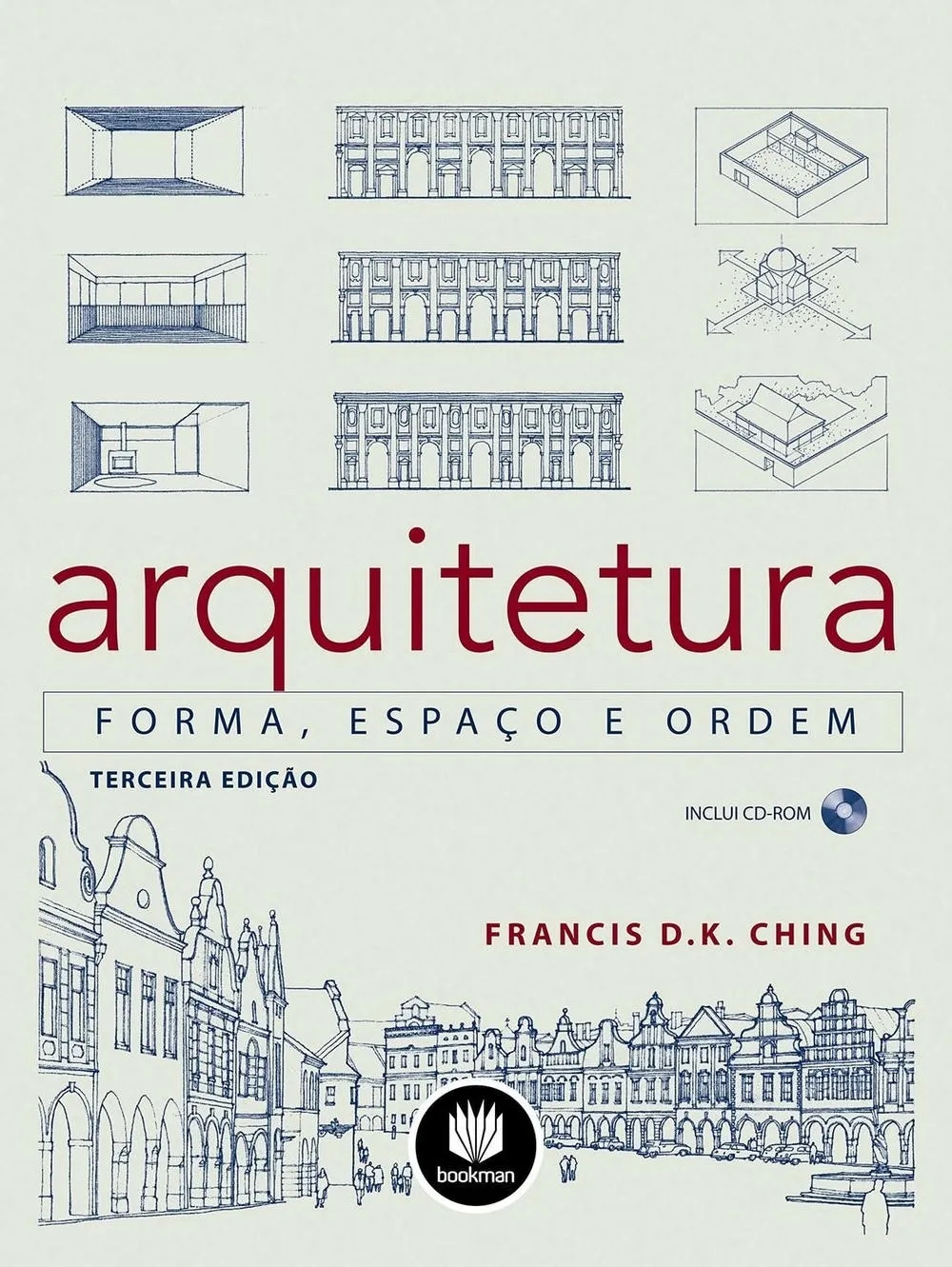
Architecture: Form, Space, and Order, Francis D. K. Ching "Architecture: Form, Space, and Order" is a book written by the architect and professor Francis D.K. Ching. First published in 1979, the book is a fundamental work for anyone who wants to understand the visual language of architecture, providing a solid foundation for students and professionals who want to better understand the fundamental principles of architecture and apply them in their projects.
History of Modern Architecture, Leonardo Benevolo "History of Modern Architecture" is a book written by the Italian architect and historian Leonardo Benevolo. Originally published in 1960, the work presents an overview of modern architecture from the end of the 19th century to the post-World War II period. It has become one of the most important references in the study of modern architecture.
S, M, L, XL, Rem Koolhaas and Bruce Mau "S, M, L, XL" is a book written by the Dutch architect Rem Koolhaas and the Canadian graphic designer Bruce Mau. Published in 1995, the book is a collection of essays, projects, and reflections on architecture, urbanism, and contemporary culture. It is an influential work in architecture and design, presenting a broad and critical view of architecture and its relationship with contemporary society.
How to See Architecture, Bruno Zevi "How to See Architecture" is a book written by the Italian architect and critic Bruno Zevi, first published in 1948. The book is an introduction to architectural analysis, offering a critical view of the principles of architecture and the relationships between space, form, and function. Zevi argues that architecture should not be seen only as an aesthetic object, but also as a means of cultural and social expression.
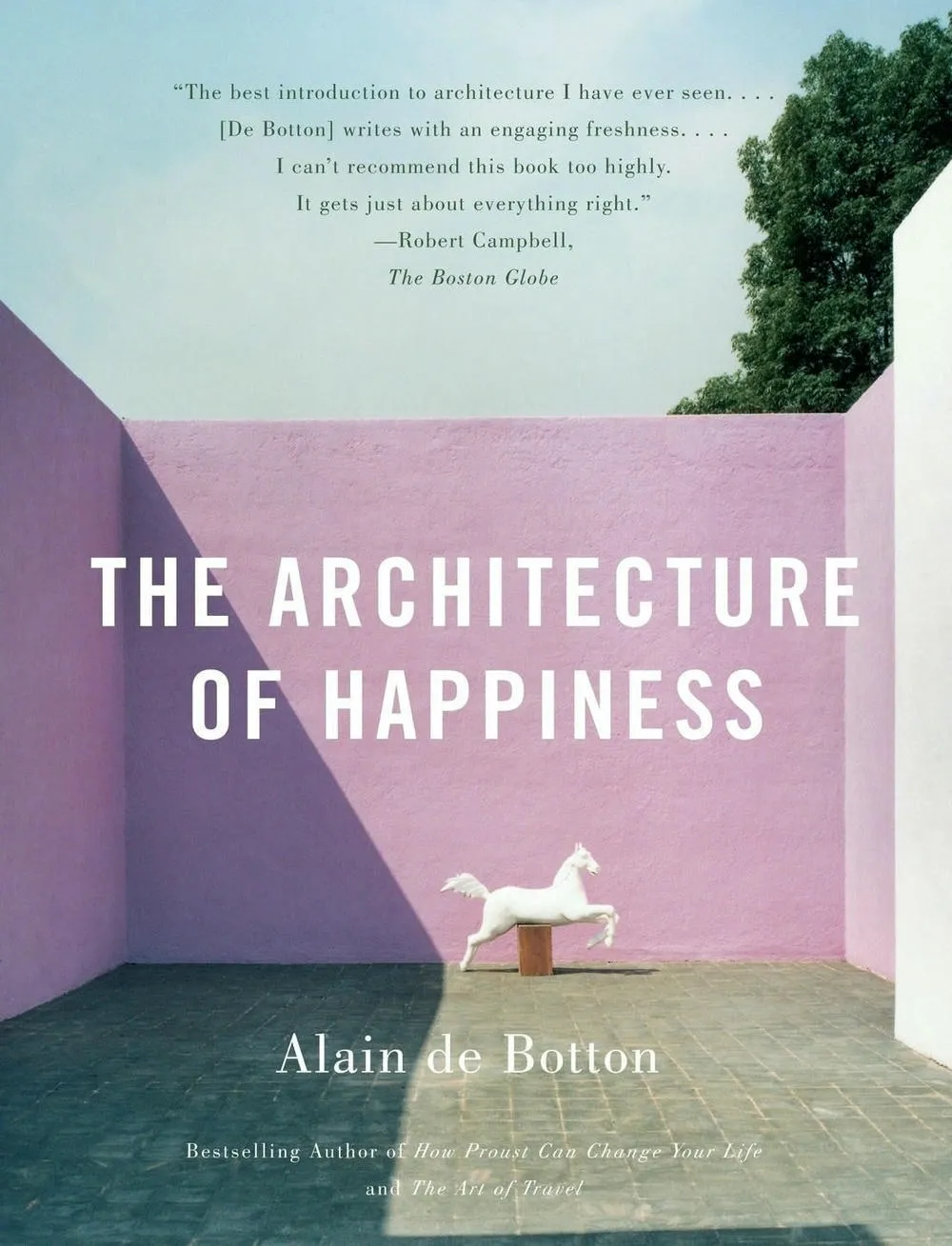
The Architecture of Happiness, Alain de Botton "The Architecture of Happiness" is a book written by the Swiss-British philosopher Alain de Botton, published in 2006. The work explores the relationship between architecture and happiness, arguing that architecture has a significant impact on our lives and emotional well-being. It is a must-read for architects, designers, and all those who are interested in understanding how architecture can influence our lives and emotions.
Architectures in Brazil 1900-1990, Hugo Segawa "Architectures in Brazil 1900-1990" is a book written by the Brazilian architect and professor Hugo Segawa, published in 1998. The work presents a critical analysis of the evolution of architecture in Brazil throughout the 20th century, highlighting the main currents and movements that influenced the development of Brazilian architecture.
All About Architecture, by Denna Jones "All About Architecture" is a book published in 2015 and written by Denna Jones. It addresses various topics related to architecture, from the theoretical to the practical part. With a clear and accessible language, the book is indicated for both architecture students and enthusiasts and those curious about the subject. It is an important reference work for those who seek to understand architecture in its complexity and breadth.
Architecture is an ancient art that aims to design and create spaces that are functional and aesthetically pleasing. It dates from ancient times and has evolved to the present day. It can be found today in multiple different styles and types, each with its own characteristics and stories to tell.
An architectural project is composed of several stages and is carried out exclusively by an architect. They are responsible for transforming the client's wishes into a reality. They define a program of needs, feasibility studies, conception, executive projects, and also monitor the work. In addition, they are in charge of normalizing the project following techniques and the laws of each region.
To become an architect, it is necessary to attend a college of Architecture and Urbanism and obtain a professional registration with the CAU. Architects are important because they are responsible for designing and building spaces that directly affect people's quality of life. They can thus contribute to urban development and the preservation of historical and cultural heritage.
The difference between architects and engineers is that architects have a training more focused on the conception and aesthetics of projects. Engineers, on the other hand, have a more technical training focused on the execution and dimension of structures and systems. In the case of urbanism, it covers the planning and organization of cities and urban spaces.
There are several famous examples of architectural projects in Brazil and in the world. Some examples are the Sydney Opera House, the Casa da Música in Porto, and the Eiffel Tower. In addition, architecture is also present in people's daily lives. From the houses we live in to public buildings, museums, and shopping centers.
Architecture is a fascinating area that has a great influence on people's lives. Knowing more about this art can help to better understand the world around us. In addition, it can also help to appreciate the beauty and utility of the spaces we inhabit.
ArchShop is redefining the concept of residential architecture in Brazil, making high-quality projects accessible to everyone. Combining over 20 years of expertise in the construction sector with technological innovation, the company offers a complete digital platform that simplifies and democratizes the process of building the dream home.
We believe that the best ideas arise from the exchange of experiences and the sharing of different perspectives. Open the doors to new opportunities and be part of our blog! If you have an interesting article, an amazing work, a product or service that deserves to be highlighted, contact us.