In architecture, solar orientation plays a crucial role in building design, allowing for the maximum use of natural light and solar heat. In this article, we will explore what solar orientation in architecture is and how it is applied in the conception of architectural projects. We will unveil the benefits of this practice and provide clear and accessible explanations, even for those without technical knowledge in the area.
Solar orientation refers to the way a building is positioned in relation to the sun, taking into account the sun's path throughout the day and the seasons of the year. It is a fundamental element in architectural design, as it allows for the optimization of natural lighting, thermal comfort, and even the energy efficiency of a building.
When considering solar orientation, architects seek to make the most of natural light. This can be achieved through the strategic placement of openings, such as windows, skylights, and internal courtyards, to allow sunlight to penetrate the interior of the building. In addition to reducing the need for artificial lighting during the day, natural light provides a more pleasant atmosphere and contributes to the health and well-being of the occupants.
Solar orientation also plays an important role in controlling solar heat. Depending on the geographical region and local climate, shading strategies can be used, such as brise-soleils, eaves, or vegetation, to block or filter direct solar radiation. These measures can help reduce excessive heat gain in internal environments, decreasing the need for cooling systems and, consequently, saving energy.
When considering solar orientation, architects aim to achieve maximum thermal comfort for the building's occupants. This means designing spaces that receive adequate sunlight at the right times, without overheating or creating excessively shaded areas. In addition, solar orientation also plays an important role in the building's energy efficiency. By harnessing solar heat during the winter and avoiding excess heat in the summer, it is possible to reduce dependence on mechanical heating and cooling, resulting in energy savings and reduced operating costs.
Solar orientation in architecture is an essential concept that aims to harness the benefits of natural light and control solar heat in buildings. By carefully considering the sun's path throughout the day and the seasons of the year, architects can create comfortable, sustainable, and energy-efficient spaces. By harnessing natural light and reducing energy consumption, solar orientation in architecture contributes to the creation of healthier, more economical, and ecologically responsible buildings.
How to understand solar orientation?
Identifying solar orientation can be done relatively simply. You can start by observing where the sun rises and where it sets in relation to your environment. On a clear day, when the sun rises, it will be near the east, and when it sets, it will be near the west. Thus, by looking east in the morning, you will be facing where the sun rises. By looking west in the late afternoon, you will be facing where the sun sets.
Understanding solar orientation is crucial in various fields of study. One of the main concepts is the apparent movement of the sun throughout the day. The sun rises in the east, reaches its highest point in the sky at solar noon, and sets in the west. This apparent movement occurs due to the Earth's rotation on its axis.
In addition, solar orientation is related to the seasons of the year. Over a year, the sun's position in the sky changes gradually. In the northern hemisphere, for example, during the summer, the sun reaches a higher altitude in the sky and follows a longer path during the day. In winter, the sun is lower in the sky and the daily path is shorter. This occurs because the tilt of the Earth's axis in relation to its orbit around the sun causes this variation.
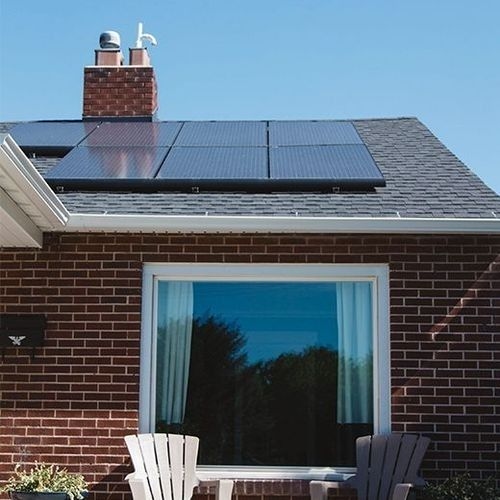
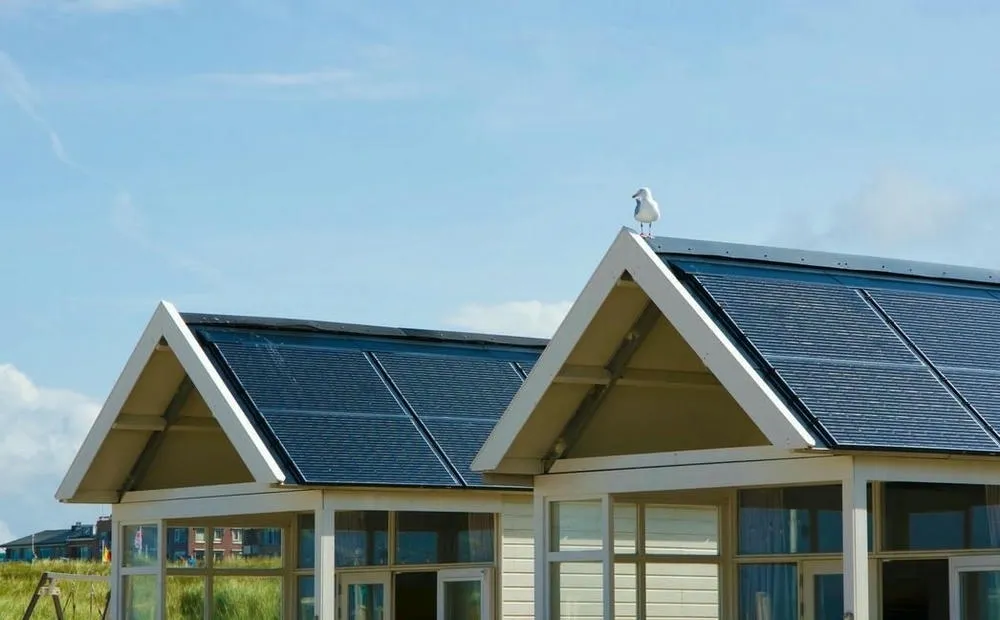
Solar orientation is also fundamental for renewable energy, especially solar energy. Solar panels are most efficient when they are correctly oriented in relation to the sun. Therefore, by knowing the solar orientation, it is possible to position the panels to capture the greatest amount of sunlight possible.
Why is solar orientation important in architecture?
Natural lighting: Proper solar orientation allows natural light to enter the building's interior spaces throughout the day. This not only reduces dependence on artificial lighting but also creates a pleasant atmosphere, improves visual quality, and has benefits for the health and well-being of the occupants.
Thermal comfort: Correct solar orientation can help optimize thermal comfort within the building. By positioning living areas to face direct sunlight, especially in colder regions, it is possible to harness solar heat to reduce the need for artificial heating. Similarly, proper control of solar heat in warmer climates can minimize overheating and the need for mechanical cooling, resulting in greater comfort for the occupants.
Energy efficiency: Efficient solar orientation contributes to the building's energy efficiency. By harnessing sunlight for lighting and heating, electricity consumption is reduced. In addition, by controlling unwanted solar heat gain, the load on cooling systems is decreased, resulting in lower energy consumption and, consequently, long-term cost savings.
Sustainability: The proper use of solar orientation is aligned with principles of sustainability in architecture. Harnessing available natural resources, such as sunlight, reduces dependence on non-renewable energy sources. In addition, the energy efficiency resulting from good solar orientation contributes to the reduction of greenhouse gas emissions and the preservation of the environment.
Property appreciation: A well-oriented architectural project that offers benefits of natural lighting, thermal comfort, and energy efficiency tends to increase the property's value. Awareness of the importance of solar orientation is growing, and buyers and residents are increasingly valuing these features in a home, which can result in a more profitable and attractive investment.
How to use solar orientation in architecture?
Positioning of living areas: When planning the house layout, position living areas, such as living rooms and bedrooms, facing the directions where sunlight is most abundant during the day. This will allow you to make the most of natural light, creating brighter, more pleasant, and welcoming spaces.
Maximize natural light entry: Position windows strategically to capture direct sunlight. Large and well-placed windows can help bring deep natural light into the interior of the house, creating a sense of connection with the external environment and reducing the need for artificial lighting during the day.
Control of solar heat: Use shading elements, such as eaves, brise-soleils, blinds, or even vegetation, to control the entry of unwanted solar heat. These strategies help reduce internal overheating, keeping the house cooler and more comfortable, especially in hot climates.
Harnessing solar heat in winter: In the colder months, it is possible to harness solar heat to naturally heat the environments. This can be done by strategically positioning openings facing the morning and afternoon sun, allowing solar heat to enter and warm the internal spaces.
Consider the landscape: When designing a house, take the surrounding landscape into account. Trees and vegetation can be used as natural shading elements, as well as creating a pleasant and nature-integrated environment. Good integration with the landscape also contributes to the visual comfort and well-being of the residents.
Conclusion
When designing a house or building, it is essential to carefully consider solar orientation, identifying the cardinal points, studying the sun's movement throughout the day and seasons, and strategically positioning living areas and openings. By doing so, we can create architectural spaces that promote well-being, energy savings, and a connection with the natural environment.
In summary, solar orientation in architecture is a fundamental practice for the development of sustainable and efficient projects, improving the quality of life of the occupants, reducing operating costs, and contributing to the preservation of the environment. By embracing this approach, we can build a more sustainable and conscious future.
ArchShop is redefining the concept of residential architecture in Brazil, making high-quality projects accessible to everyone. Combining over 20 years of expertise in the construction sector with technological innovation, the company offers a complete digital platform that simplifies and democratizes the process of building the dream home.
We believe that the best ideas arise from the exchange of experiences and the sharing of different perspectives. Open the doors to new opportunities and be part of our blog! If you have an interesting article, an amazing work, a product or service that deserves to be highlighted, contact us.