Modern architecture is a dynamic and revolutionary design expression that shaped the architectural landscape throughout the 20th century and continues to influence contemporary constructions. Defining modern architecture can be a challenge, as it encompasses a wide variety of styles and approaches. However, at its core, modern architecture is characterized by its pursuit of innovation, functionality, and aesthetic simplicity. It emerged as a response to industrialization and technological advancement, reflecting the social, economic, and cultural transformations of the time. In this article, we will explore its history, characteristics, and main examples found around the world.
The modern style is an artistic and cultural movement that emerged in the late 19th century and extended to the mid-20th century. It represents a break with traditional styles and seeks innovation, functionality, and simplicity in its designs. Modernism in architecture embraces the philosophy that form follows function, meaning that buildings should be designed to meet the practical needs of users, rather than being based on superfluous ornaments and decorations.
Just as in the field of art, the modern style in architecture seeks to express the era in which it was conceived, rejecting historical elements and seeking new forms of representation and experimentation. It is a movement that advocates for aesthetic simplicity, the valorization of structure, and the honesty of the materials used. Modernist architecture is also concerned with the relationship between the building and the environment, seeking a harmonious integration with the surroundings and nature.
The fundamental values of the modern style include rationality, resource economy, efficiency, and sustainability. Modernist architects believe that architecture should be accessible to all, not just a privileged elite. The idea is to create spaces that efficiently and comfortably meet people's needs, using advanced construction techniques and modern materials.
Furthermore, transparency is a central value of the modern style. Buildings are designed with large windows, allowing natural light to enter and creating a visual connection between indoor and outdoor spaces. This openness also symbolizes a more open and democratic approach, reflecting the idea that architecture should be in tune with society and the constantly changing world.
In summary, the modern style in architecture is an artistic movement that values innovation, functionality, and aesthetic simplicity. It rejects superfluous ornaments and decorations, seeking a rational, economical, and sustainable approach. The fundamental values of this movement include harmonious integration with the environment, transparency, efficiency, and accessibility. Modern architecture reflects the era in which it is conceived and seeks to create spaces that meet the practical and emotional needs of people.
How did modern architecture emerge?
Modern architecture is a style that revolutionized the way we conceive and design living spaces. It emerged as a response to the challenges and changes brought by the Industrial Revolution in the 19th century. This architectural movement is distinguished by its pursuit of a functional, simplified, and unadorned aesthetic, with a focus on innovation and the use of industrial materials.
The transition period to modern architecture can be traced back to the late 19th century, when architects began to question the historicist and ornate styles of the past. However, it was in the early 20th century that modern architecture consolidated as a significant force. One of the most influential names of this era was the Swiss-French architect Le Corbusier.
Le Corbusier, whose real name was Charles-Édouard Jeanneret, was a pioneer in developing concepts and principles that became fundamental to modern architecture. He believed that architecture should be a reflection of the needs and aspirations of modern society. His approach incorporated features such as efficient use of space, the adoption of pilotis (columns that elevate the structure) to free up the ground floor, the free facade (absence of structural walls), the roof garden, and the open floor plan (flexible and open spaces).
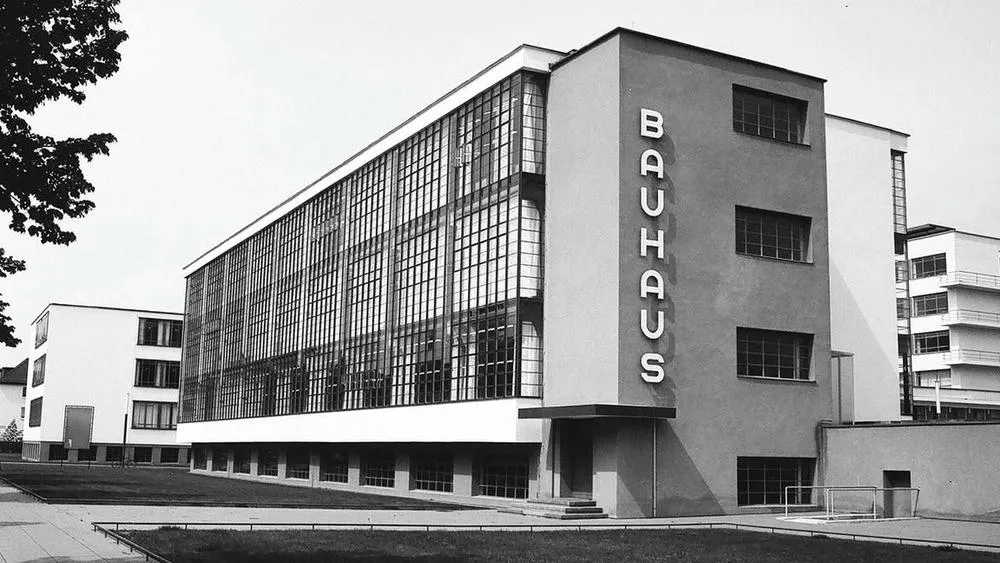
Another important architect of the time was Walter Gropius, founder of the famous German design school Bauhaus. The Bauhaus became a center for experimentation and research in architecture, design, and applied arts, seeking a synthesis between form, function, and industrial production. Gropius advocated the idea that modern architecture should adapt to the social and technological needs of the time, rejecting excessive ornamentation and valuing simplicity and clarity.
Despite the criticisms and challenges it faced, modern architecture had a lasting impact and influenced generations of architects. Its emphasis on functionality, simplicity, and innovative use of materials continues to be relevant in contemporary architecture. Modern architecture has taught us that spaces can and should reflect the needs and aspirations of the society we live in, establishing a connection between people and the built environment.
Characteristics of modern architecture
Modern architecture is an architectural style that emerged in the 20th century and continues to influence the way we design and build spaces today. With its focus on simplicity, functionality, and contemporary aesthetics, modern architecture broke with the traditions of the past, paving the way for a more progressive and innovative approach. In this article, we will explore the five main characteristics of modern architecture and detail each one.
Minimalism: Minimalism is one of the most striking characteristics of modern architecture. In this style, architects adopt a 'less is more' approach, eliminating unnecessary elements and seeking simplicity in both the form and functionality of buildings. Straight lines, smooth surfaces, and neutral colors are often used to create clean and uncluttered spaces, allowing modern architecture to stand out for its elegance and visual clarity.
Use of industrial materials: Modern architecture embraces the aesthetics of industrial materials such as steel, concrete, and glass. These materials are valued for their durability, versatility, and ability to create impressive structures. By using them prominently, modern architects create buildings with an urban and contemporary aesthetic, often characterized by glazed facades, exposed metal structures, and details in exposed concrete.
Openness and integration with the environment: Modern architecture seeks a greater connection between indoor and outdoor spaces, valuing the relationship with the surroundings. Large panoramic windows, balconies, terraces, and courtyards are common features that allow natural light to enter, provide wide views, and create a sense of continuity between the interior and exterior. This openness creates a more airy atmosphere and encourages greater interaction with nature, promoting a sense of well-being and harmony with the environment.
Functionality and flexibility: Modern architecture is known for its functional and adaptable approach. Spaces are designed to efficiently and practically meet the needs of users. The rooms are organized rationally, prioritizing free circulation and the utility of the spaces. In addition, flexibility is valued, allowing spaces to be adapted and reconfigured according to the changing needs and lifestyles of the occupants.
Emphasis on sustainability: Modern architecture is increasingly concerned with environmental sustainability. Architects seek to create energy-efficient buildings that reduce the consumption of natural resources and minimize environmental impact. The use of sustainable technologies, such as rainwater harvesting systems, solar panels, and eco-friendly building materials, is a common practice in modern architecture. In addition, the architectural design takes into account thermal comfort and natural lighting, aiming to provide healthy and pleasant environments for the occupants.
Examples of modern architecture
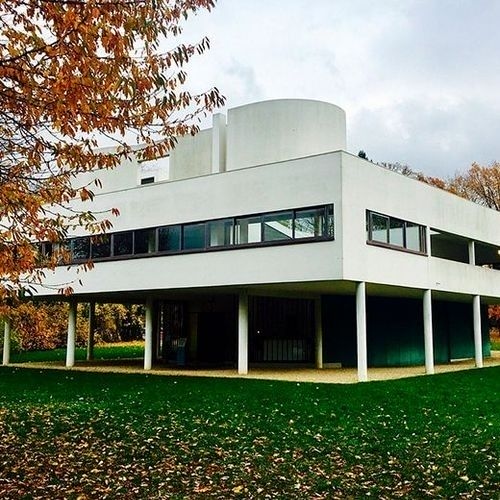
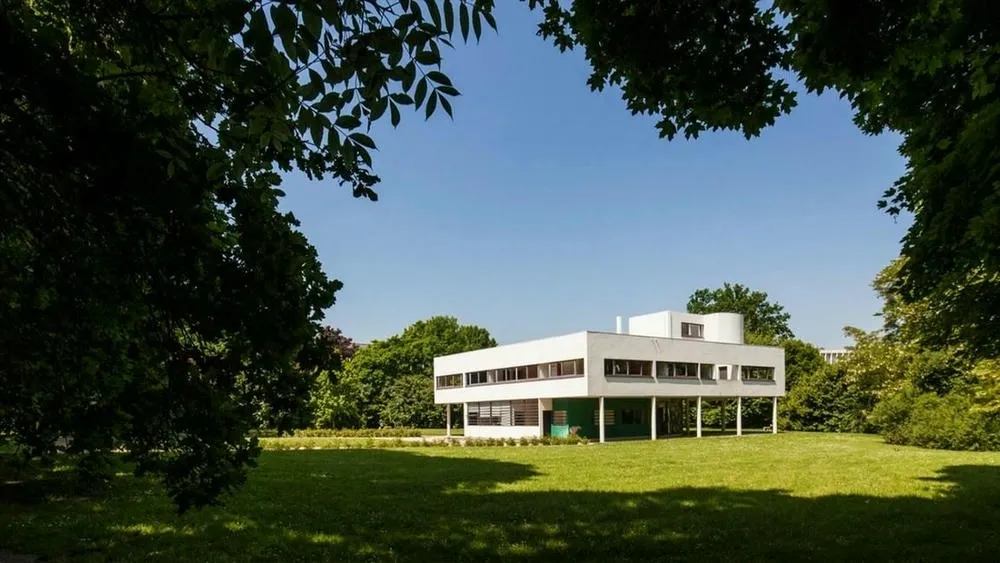
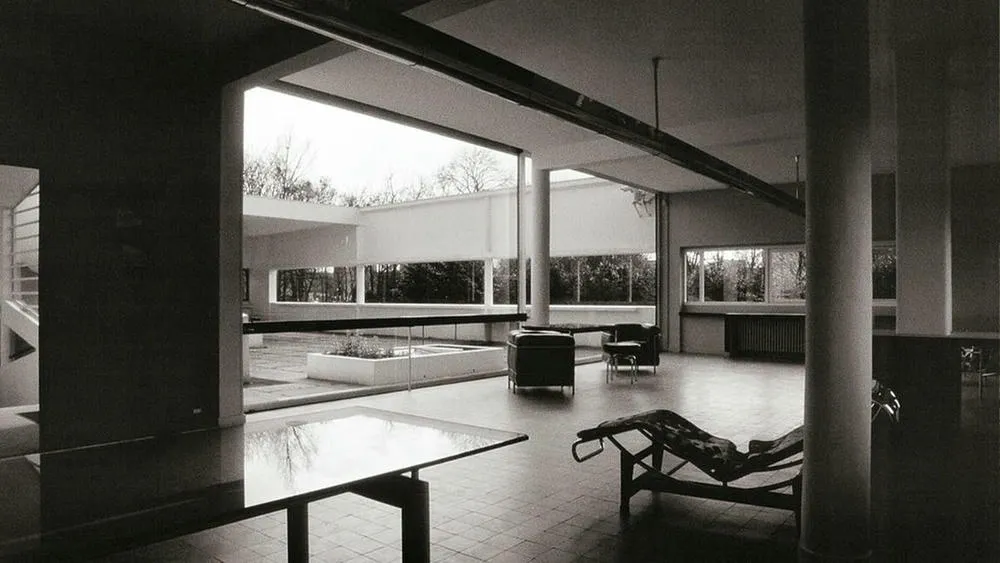
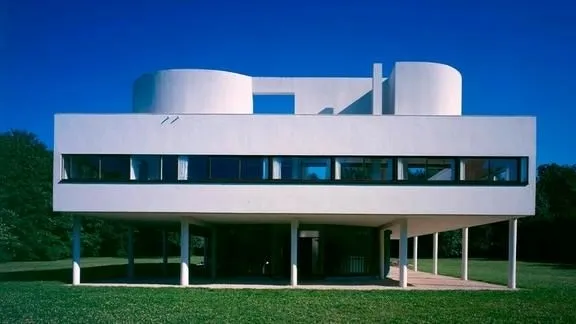
Villa Savoye - Le Corbusier (France, 1928)
The Villa Savoye, designed by the renowned Swiss-French architect Le Corbusier, is a landmark of modern architecture. Located on the outskirts of Paris, this single-family residence is considered one of the most emblematic projects of the modernist movement. The villa was conceived as a machine for living, incorporating the 'Five Points of a New Architecture' proposed by Le Corbusier. With its structure elevated from the ground, white facade, horizontal windows, and roof garden, the Villa Savoye challenged traditional design ideas and set new standards for residential architecture.
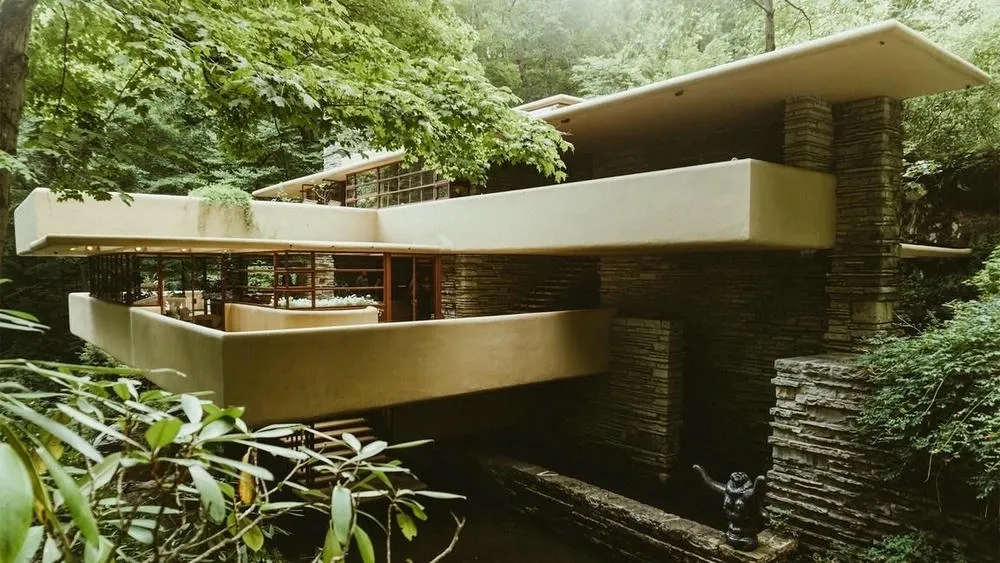
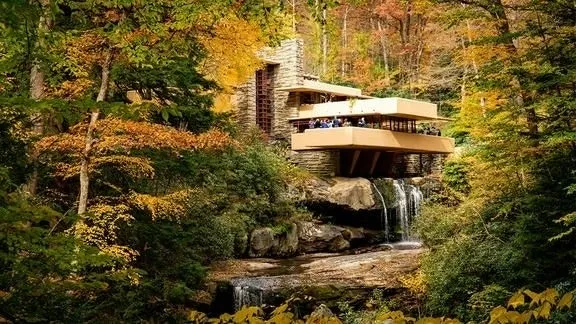
Fallingwater - Frank Lloyd Wright (United States, 1935)
Fallingwater is an icon of organic architecture designed by the American architect Frank Lloyd Wright. Located in Pennsylvania, this masterpiece stands out for its harmonious integration with the surrounding nature. Fallingwater was built over a waterfall, incorporating rocks and trees into the design. Wright challenged the conventional separation between interiors and exteriors, creating a unique connection between the building and its natural environment. Fallingwater is a testament to the power of architecture to unite with the landscape and inspire an immersive experience.
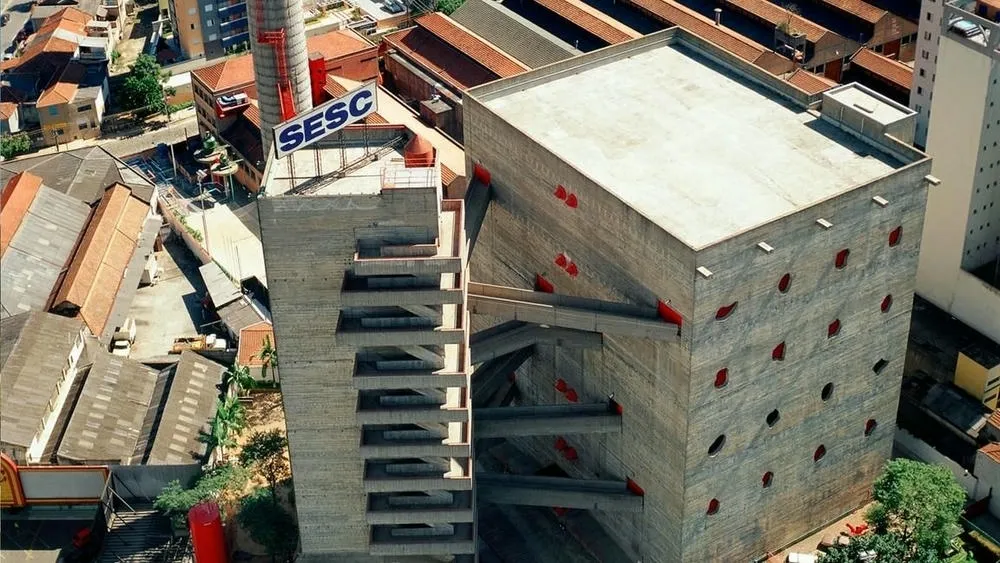
SESC Pompéia - Lina Bo Bardi (Brazil, 1986)
The SESC Pompéia, designed by the Italian-Brazilian architect Lina Bo Bardi, is a notable example of modern architecture in Brazil. Located in São Paulo, this cultural and leisure complex was built in a former oil drum factory. Bo Bardi preserved the original industrial structure and transformed it into a vibrant and dynamic space. With its raw aesthetic and creative use of concrete, the architect created an environment that promotes social interaction and cultural expression. The SESC Pompéia is a landmark of Brazilian modern architecture and stands out for its inclusive and humanistic approach.
These three modern architecture projects are just a small sample of the many notable works that emerged throughout the modern movement. The Villa Savoye, Fallingwater, and the SESC Pompéia represent the courage and innovation of their architects, challenging conventions and shaping the future of architecture. These works have inspired generations of architects and continue to influence the way we design and experience spaces today.
ArchShop is redefining the concept of residential architecture in Brazil, making high-quality projects accessible to everyone. Combining over 20 years of expertise in the construction sector with technological innovation, the company offers a complete digital platform that simplifies and democratizes the process of building the dream home.
We believe that the best ideas arise from the exchange of experiences and the sharing of different perspectives. Open the doors to new opportunities and be part of our blog! If you have an interesting article, an amazing work, a product or service that deserves to be highlighted, contact us.