The modern architecture of the 20th century witnessed the rise of many visionary talents who undeniably marked the history of the discipline. Among these masters, Ludwig Mies van der Rohe stands out, a revolutionary architect who left a lasting legacy on our understanding of modern and contemporary architecture. In this article, we will explore the life and contributions of this renowned architect, highlighting his importance in history and his significant impact on the field of architecture. At the end of the article, we will highlight some of his main works, creations, and famous quotes. Come with us!
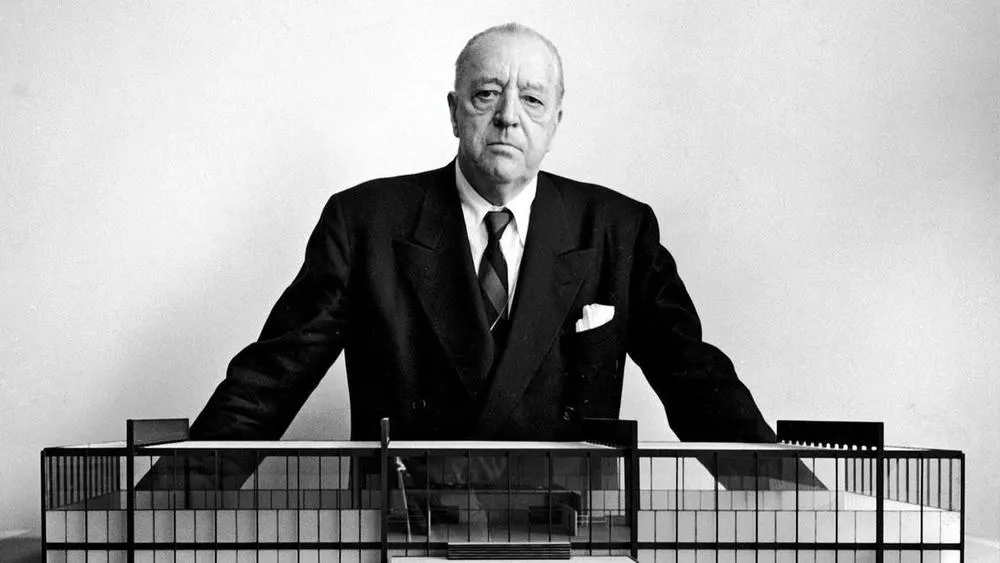
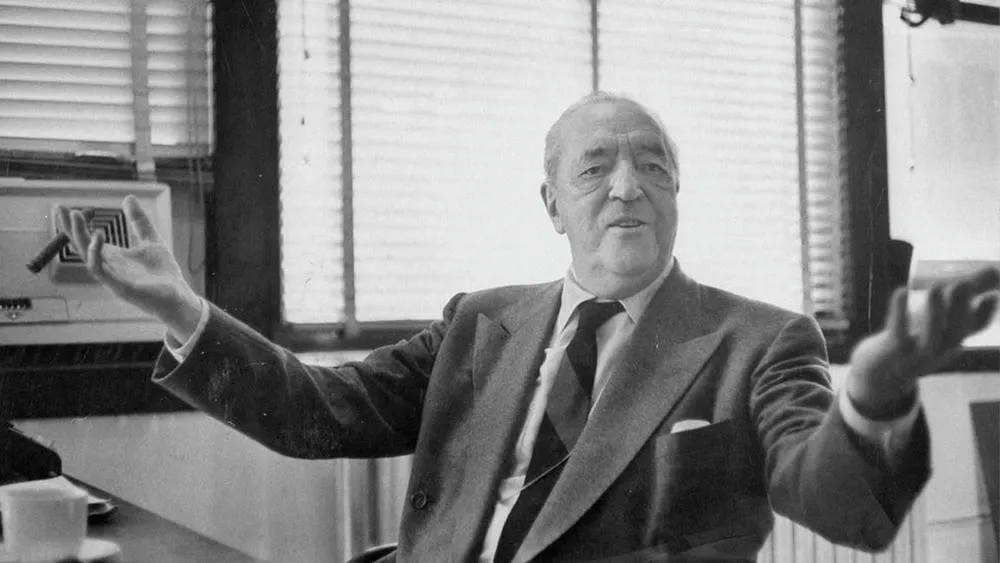
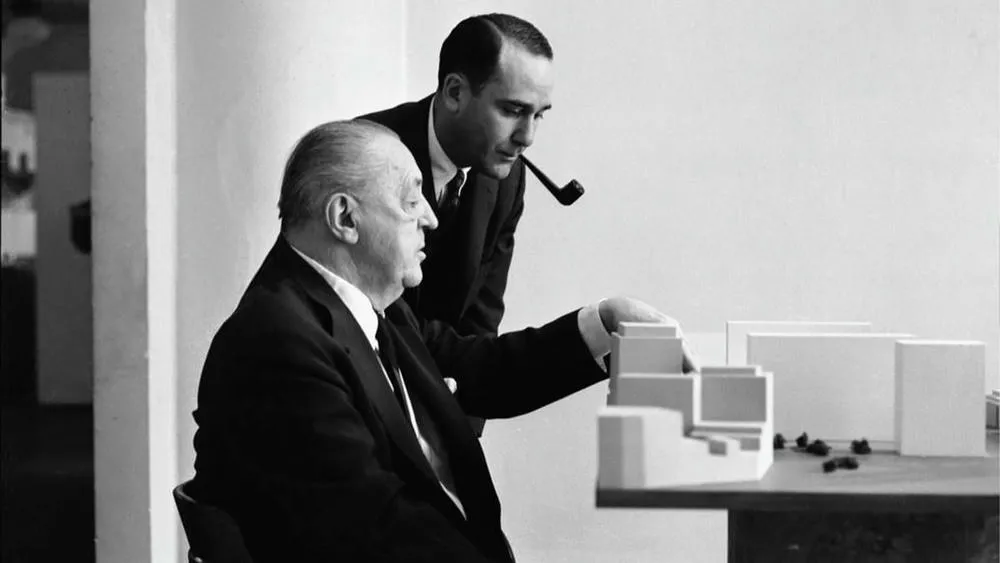
Born in Aachen, Germany, Ludwig Mies van der Rohe (March 27, 1886–August 17, 1969) was an architect and interior designer who became a prominent figure in the modern movement. He is widely recognized as one of the most influential architects of the 20th century, valued for his minimalist style, his pursuit of simplicity and functionality, and his ability to create elegant and timeless spaces.
Mies van der Rohe began his journey in the world of architecture as a civil construction apprentice, working in various architecture offices during his youth. It was during this period that he developed his passion for architecture and began to hone his technical and creative skills. In 1908, Mies started working with Peter Behrens, a renowned architect of the time known for his modern approach. This collaboration provided Mies with the opportunity to work alongside other emerging talents, such as Walter Gropius and Le Corbusier, and contributed to his professional development.
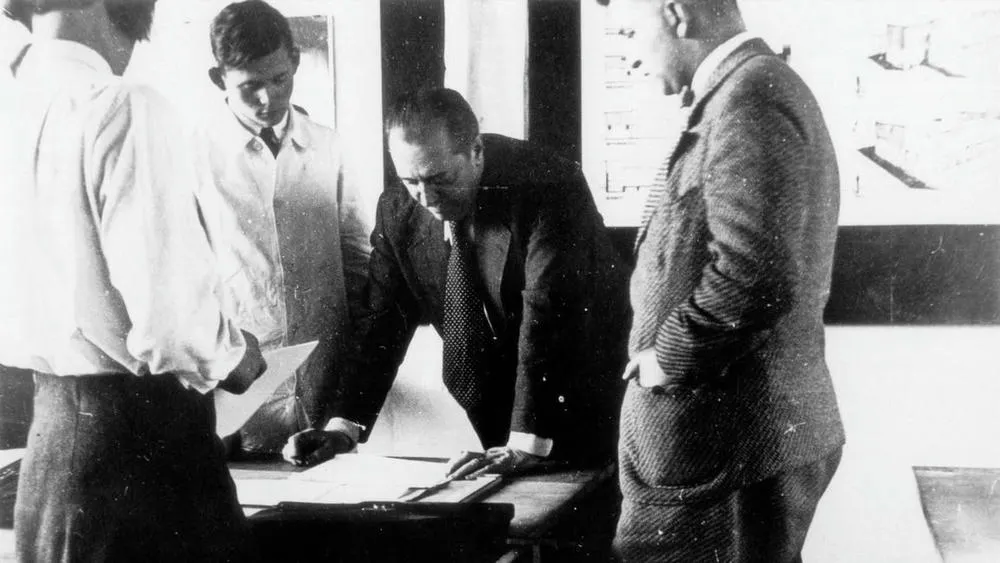
In the mid-1920s, Mies van der Rohe was invited to become the director of the Bauhaus School of Art and Design, located in Dessau, Germany. His leadership at the Bauhaus was a significant milestone in his career, as he had the opportunity to shape education and influence a new generation of architects and designers. During his time at the Bauhaus, Mies advocated for the union of art and technology, emphasizing the importance of function over form. He believed that architecture should be stripped of unnecessary ornamental elements and focus on structural clarity and the expression of material characteristics.
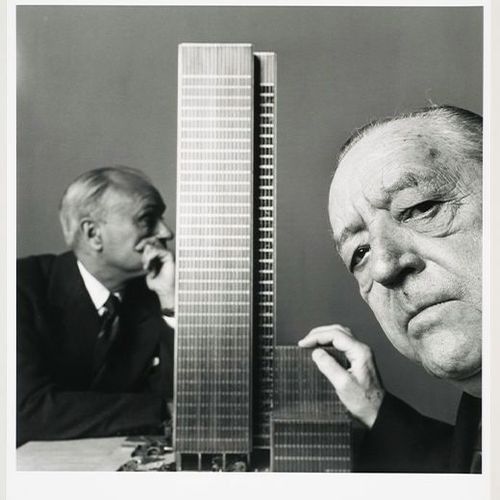
Mies van der Rohe's architectural projects, as well as his furniture, reflect his minimalist aesthetic and his rational approach to design. He had a passion for using clean, geometric lines, open plans, and modern materials such as glass, steel, and reinforced concrete. His iconic buildings, such as the German Pavilion at the 1929 Barcelona International Exposition and the famous Seagram Building complex in New York, stand out for the harmony between interior and exterior, for transparency, and for spatial fluidity.
Mies van der Rohe left a lasting legacy in modern architecture. His visionary outlook and his commitment to simplicity and functionality continue to influence architects and designers to this day. His work exemplifies the notion that architecture should respond to human needs, create inspiring and timeless spaces, and establish a harmonious connection between humans and their built environment.
The legacy of Mies van der Rohe in architecture
Beyond the works mentioned earlier, the legacy and contributions of Mies van der Rohe extend beyond his work as an architect. He was also an influential educator and a leader in the field of modern architecture. Mies van der Rohe had a long career as the director of the Bauhaus, a famous school of design and architecture in Germany. During his time there, he restructured the school's curriculum, emphasizing the integration of art, architecture, and industrial design. His pedagogical approach focused on the importance of understanding materials and construction techniques, as well as promoting creative thinking and experimentation.
Mies van der Rohe's work is characterized by a minimalist aesthetic and meticulous attention to detail. He sought harmony between interior and exterior spaces, using large glass surfaces and steel structures to create a sense of transparency and lightness. His projects were marked by simple, clean lines, with a focus on functionality and the expression of structure.
In addition to his aesthetic approach, Mies van der Rohe was a pioneer in the use of new materials and technologies in his architecture. He was one of the first architects to use steel and glass structures on a large scale, taking advantage of their structural and aesthetic properties. This technical innovation allowed for the creation of large, open spaces without the need for conventional support walls.
Another important aspect of Mies van der Rohe's legacy is his role in defining the architectural style known as the "International Style" or "International Architecture." This style is characterized by simple forms, the use of modern materials, and a universal approach to architecture, suitable for any geographical or cultural location. The International Style became dominant in post-war modern architecture and influenced a generation of architects around the world.
Mies van der Rohe left a lasting impact on contemporary architecture and design. His rational and minimalist approach continues to influence architects and designers today. His search for the essence of architecture and his emphasis on functionality and purity of form left a legacy that transcended his time and continues to be a reference for contemporary architecture.
Main works and creations of Mies van der Rohe
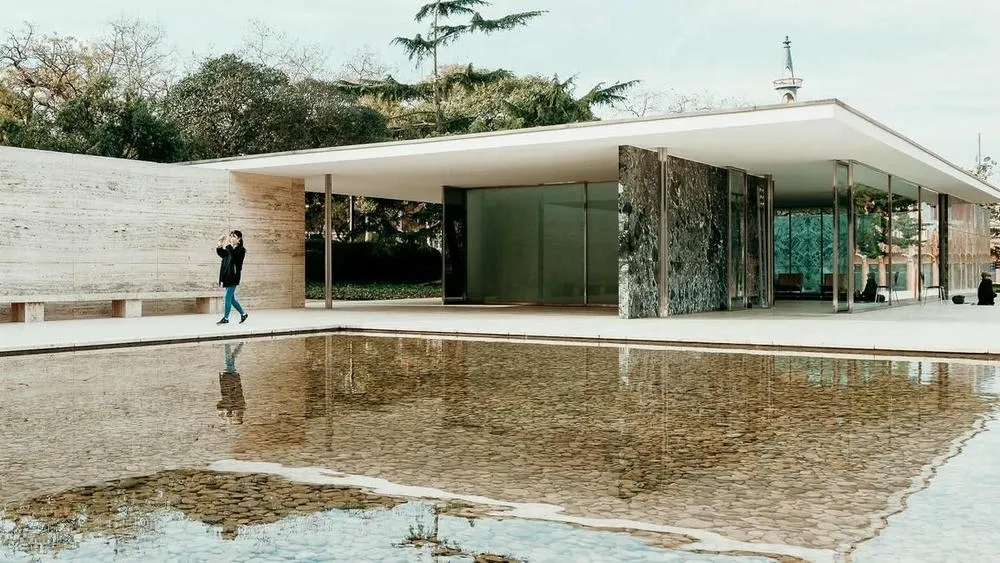
Barcelona Pavilion - Spain, 1928–1929
The Barcelona Pavilion, also known as the German Pavilion, is an architectural masterpiece located in Barcelona, Spain. It was created in 1929 to represent Germany at the Barcelona International Exposition. The pavilion is a pioneering example of the modern movement in architecture, characterized by its simplicity, elegance, and innovative use of materials. Composed of a steel, glass, and stone structure, the pavilion incorporates minimalist elements and clean lines. Its design includes fluid and open spaces, harmoniously integrating the interior and exterior. The Barcelona Pavilion is an icon of modern architecture, standing out for its timelessness and lasting influence on the field of architecture and design.
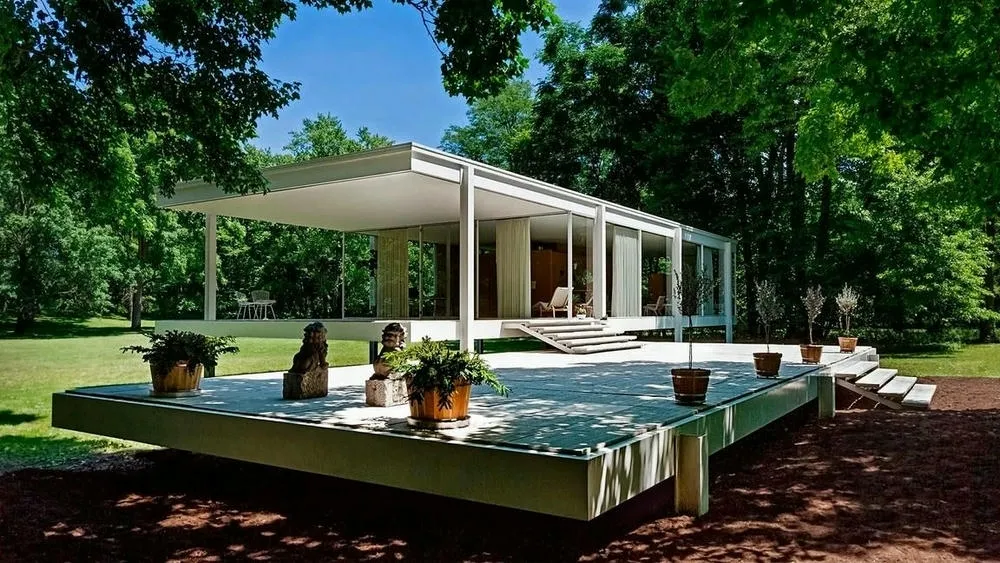
Farnsworth House - USA, 1945–1951
The Farnsworth House, located in Plano, Illinois, USA, was designed in 1951 and is a landmark of the modernist and minimalist movement in architecture. Its overall design reflects the "less is more" philosophy that Mies van der Rohe advocated. The house features a steel and glass structure, with clean lines and aesthetic simplicity. With an open plan, the interior spaces flow harmoniously and are flooded with natural light through the large windows. The Farnsworth House is an iconic example of 20th-century modern architecture and remains a symbol of the architect's visionary and timeless design.
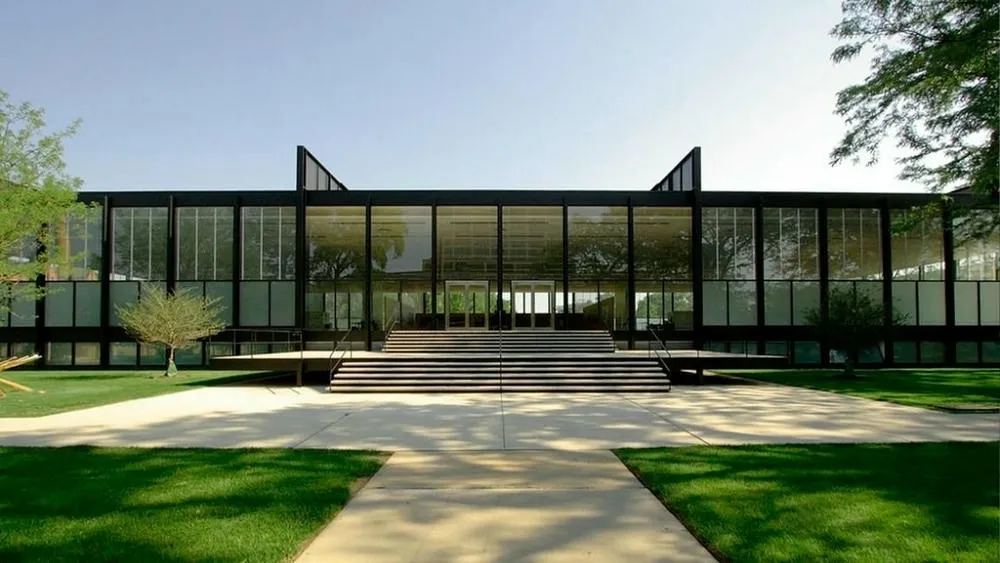
Crown Hall - USA, 1950–1956
Crown Hall, located in Chicago, Illinois, USA, is also a landmark of modern architecture and was inaugurated in 1956 as the home of the School of Architecture at the Illinois Institute of Technology. Its creation marks a significant point in the history of architectural design, remembered for the simplicity and elegance of the Miesian style. Crown Hall is characterized by a steel and glass structure, which combines straight lines and balanced proportions. Its spacious interior is flexible, providing an ideal environment for exhibitions, lectures, and academic events. The main hall is marked by steel columns that support a flat roof, creating an impressive sense of open space and lightness.
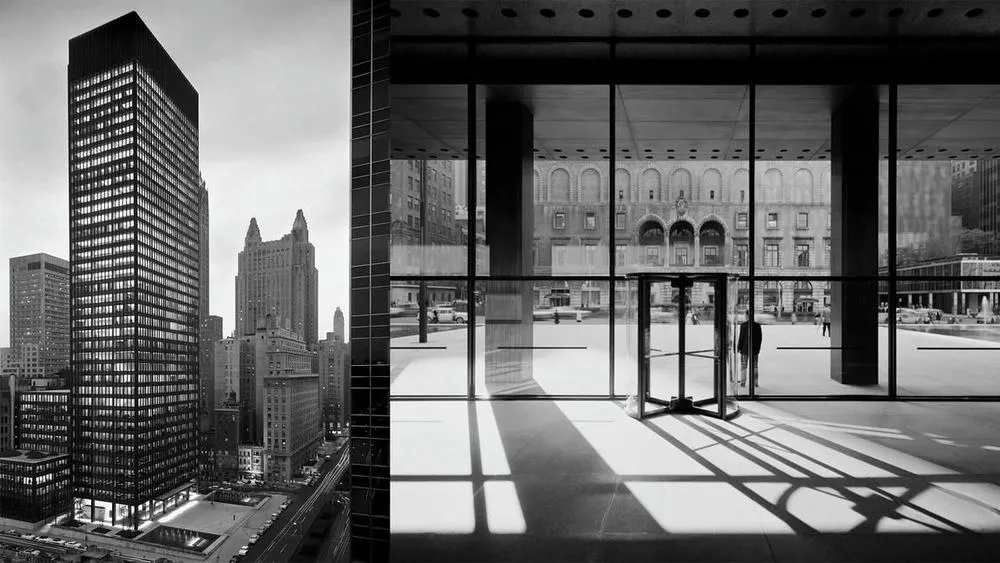
Seagram Building - USA, 1955–1958
The Seagram Building, located in New York, USA, was created in 1958. Its design bears the signature of not only Mies van der Rohe but also the renowned architects Philip Johnson, Ely Jacques Kahn, and Robert Allan Jacobs. With its bronze and glass facade, the Seagram features a minimalist and elegant aesthetic. Its steel and concrete structure reveals an innovative approach for its time. With 38 floors, the building was designed to house the headquarters of the Seagram Company distillery. Its timeless and functional design marks the project as an icon for modern architecture and continues to influence contemporary architecture.
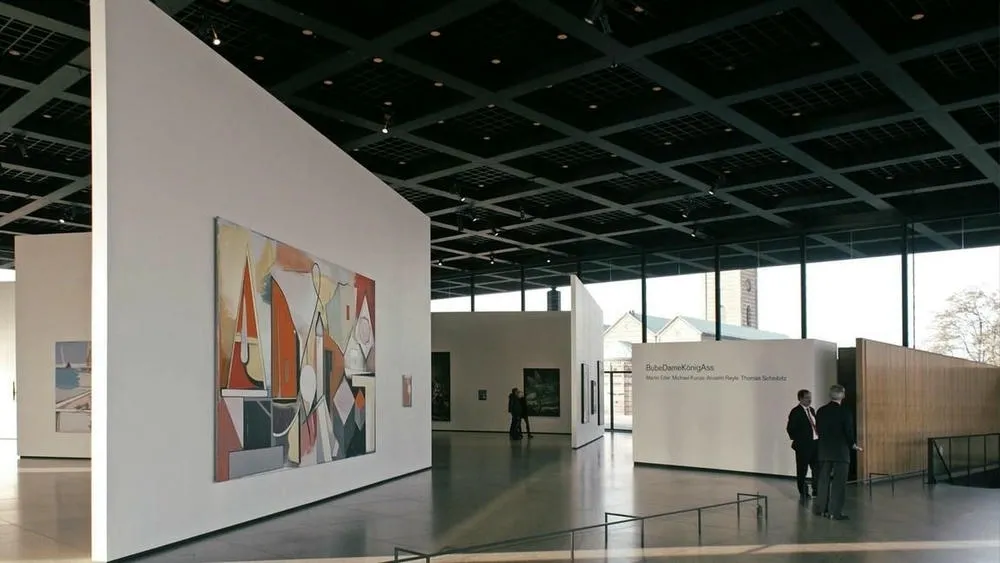
Neue Nationalgalerie - Germany, 1963–1968
The Neue Nationalgalerie is an iconic art museum located in Berlin, Germany, and was completed in 1968. The museum's structure is characterized by a minimalist and modernist design, with an impressive glass and steel facade that allows for abundant natural light. The building consists of a large exhibition hall on the ground floor, surrounded by an elevated entrance area and a distinctive flat roof. Its innovative and elegant architectural design is an emblematic representation of the 20th-century style and continues to be an important landmark in the history of modern architecture.
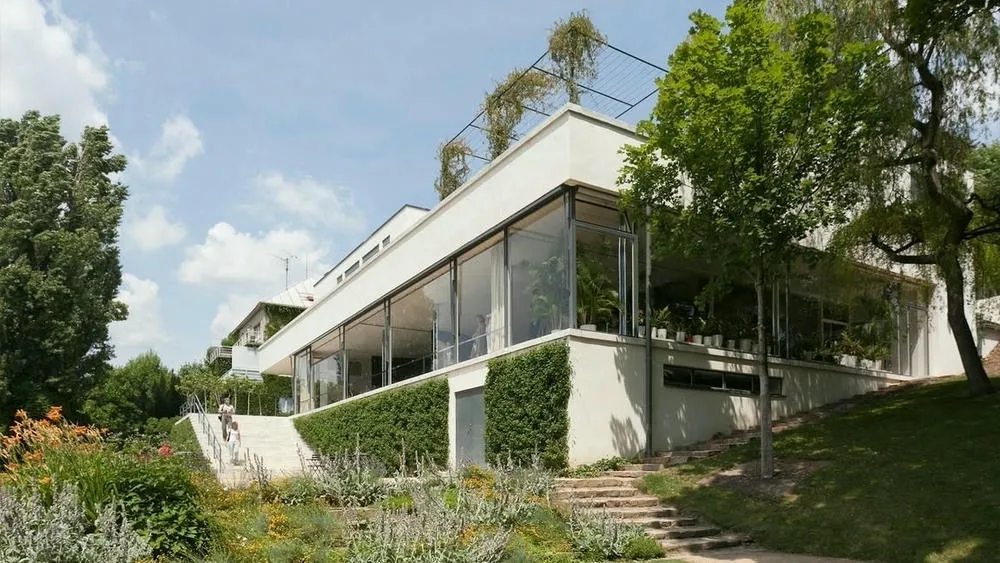
Tugendhat Villa - Czech Republic, 1928–1930
The Tugendhat Villa, located in Brno, Czech Republic, was built between 1928 and 1930. It is an emblematic example of modernist architecture for its innovative design and characteristic elements of the movement. It uses industrial materials, clean lines, and large glazed areas that harmoniously connect interior and exterior spaces. The villa also features the pioneering use of a steel and concrete column system, allowing for a slender and open structure. With its timeless elegance and attention to detail, the Tugendhat Villa is recognized as one of the most significant works of European modernism.
MR Chair, 1927
The MR Chair, also known as the Barcelona Chair, was created in 1927 and is an icon of modern design. Its design was developed as part of the German Pavilion at the Barcelona International Exposition. The chair features an elegant and minimalist structure, with a leather upholstery suspended on a chromed steel frame, creating a sense of lightness and sophistication. Its innovative and timeless design has made the MR Chair a standout piece not only in the architect's portfolio but also in the world of furniture design. It is widely recognized, appreciated, and used in interior compositions to this day.
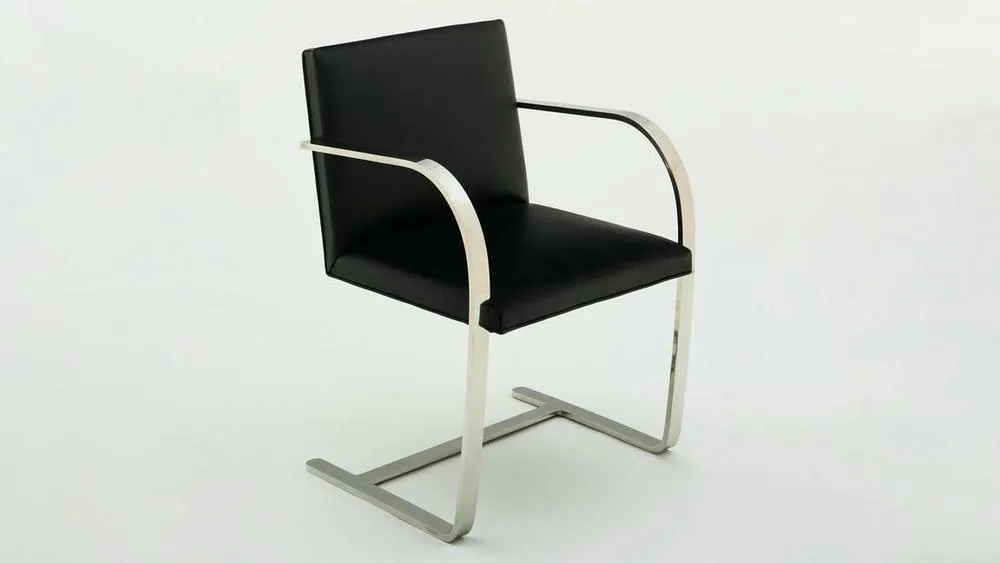
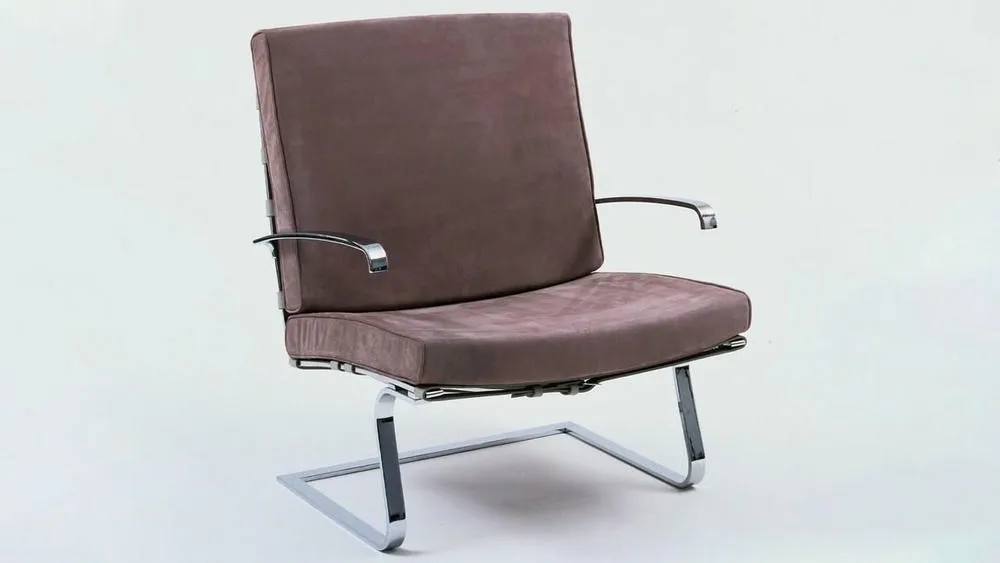
Brno Chair, 1930
The Brno Chair bears the signature of Mies van der Rohe and the German designer Lilly Reich. Created in 1930, it is an iconic chair that represents modernist design. It has a minimalist and elegant style, with straight lines and a chromed steel structure. The seat and back are upholstered and covered in leather, providing comfort and sophistication. The Brno Chair stands out for its simplicity and the harmonious integration of structural and functional elements, representing a milestone in 20th-century design.
Tugendhat Chair, 1929
The Tugendhat Chair is an iconic piece of modernist furniture and was designed specifically for the Tugendhat Villa in Brno. Its creation dates back to 1929 and its design is known for its elegant and minimalist features - a hallmark of the architect. Built with a chromed steel frame and upholstered with leather, the chair features straight and simple lines, combined with a suspended seat that gives a feeling of lightness and sophistication. The Tugendhat Chair represents Mies van der Rohe's commitment to the union of form and function, becoming a timeless piece of furniture.
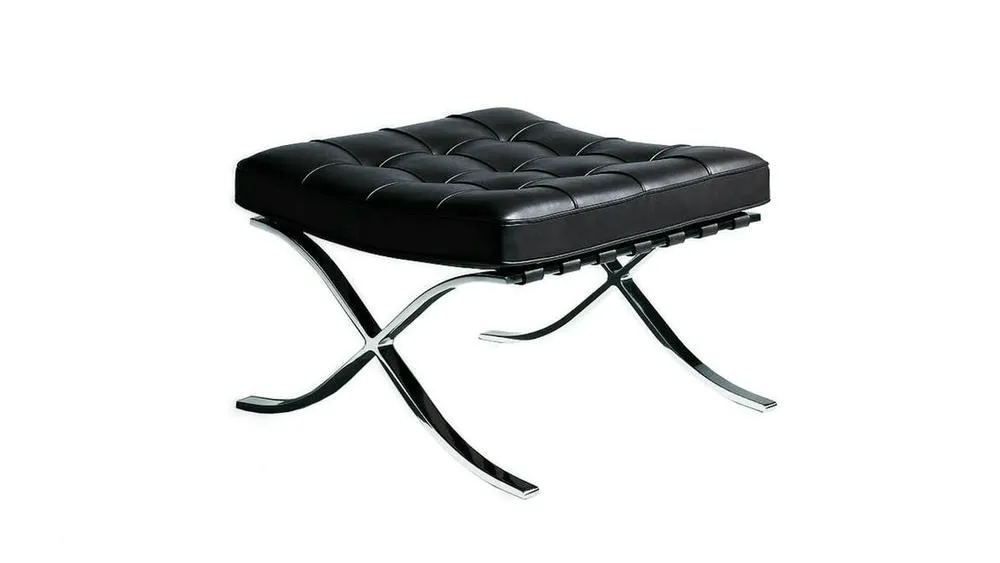
Barcelona Bench, 1929
The Barcelona Bench was conceived by Mies van der Rohe as a complement to the iconic Barcelona Chair. Created in a time of artistic and architectural effervescence, the bench was designed by the renowned German architect in 1929. Its structure features clean and minimalist lines, combining the use of chromed steel and genuine leather. With an elegant and functional design, the Barcelona Bench is an emblematic example of the modernist style, standing out for its sophistication and comfort. Its timeless look continues to be admired and appreciated to this day.
Quotes from Mies van der Rohe
"Less is more."
This phrase captures Mies van der Rohe's philosophy regarding minimalism and simplicity in design. It emphasizes the idea that removing unnecessary elements and focusing on the essential can create greater impact and beauty.
"God is in the details."
Mies believed that paying meticulous attention to the smallest details was crucial to achieving architectural excellence. This phrase reflects his belief that every aspect of a project, no matter how small, contributes to the overall quality and experience.
"Architecture starts when you carefully put two bricks together. There it begins."
Mies emphasized the importance of the basic elements of construction and believed that the careful arrangement of these elements formed the basis of architectural creation. This phrase highlights the importance of craftsmanship and the construction process.
"I don't want to be interesting. I want to be good."
Mies was committed to creating architecture that was not just captivating or flashy, but more importantly, timeless and of high quality. This phrase reflects his dedication to excellence and his rejection of superficial trends or gimmicks.
"A chair is a very difficult object. A skyscraper is almost easier."
Mies recognized the challenges involved in designing everyday objects, like chairs, due to their intimate relationship with human interaction and comfort. This phrase contrasts the complexity of designing functional furniture with the apparent simplicity of creating monumental structures, highlighting the importance of considering human needs in architectural design.
Conclusion
Ludwig Mies van der Rohe, one of the most celebrated architects of the 20th century, left an undeniable mark on the history of architecture. His minimalist approach and his pursuit of simplicity and functionality deeply influenced the field of modern architecture. His lasting legacy is evident in his iconic works and his timeless vision, which continues to inspire architects and designers to this day. Mies van der Rohe is an icon of architecture whose impact will remain relevant and admired for many generations to come.
ArchShop is redefining the concept of residential architecture in Brazil, making high-quality projects accessible to everyone. Combining over 20 years of expertise in the construction sector with technological innovation, the company offers a complete digital platform that simplifies and democratizes the process of building the dream home.
We believe that the best ideas arise from the exchange of experiences and the sharing of different perspectives. Open the doors to new opportunities and be part of our blog! If you have an interesting article, an amazing work, a product or service that deserves to be highlighted, contact us.