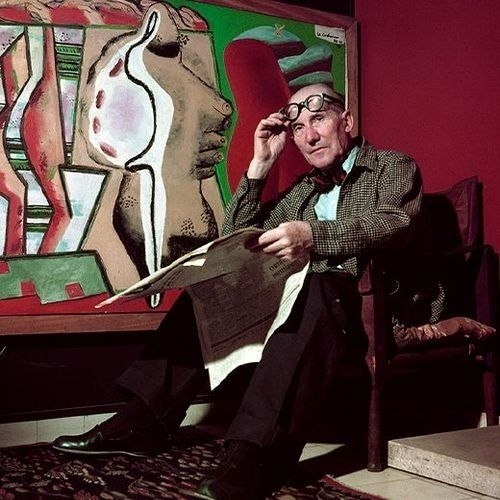
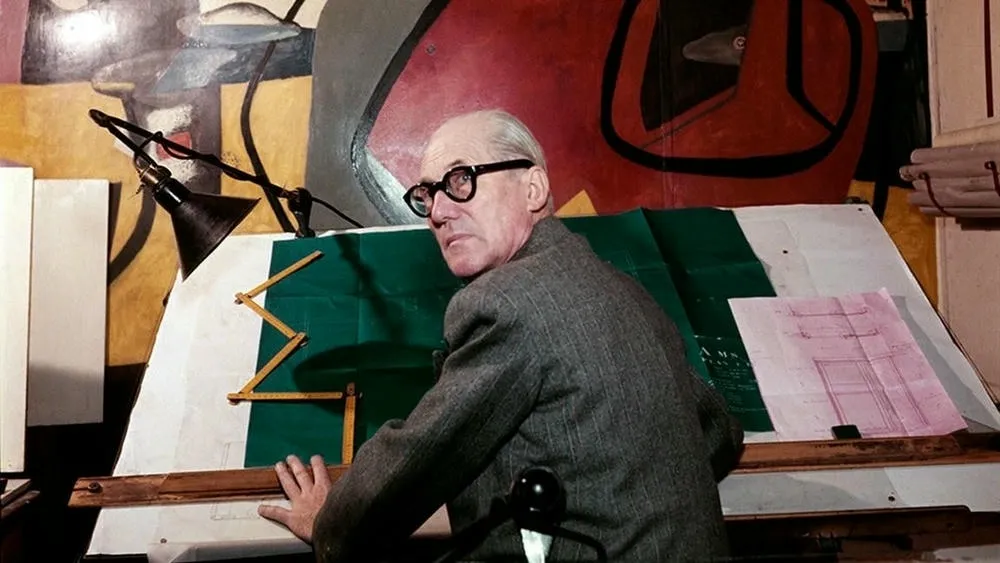
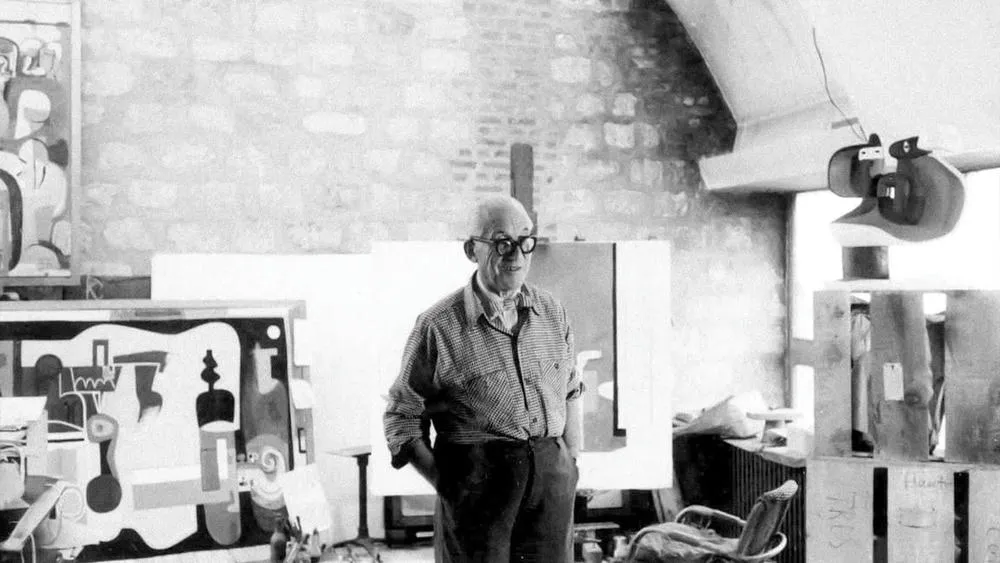
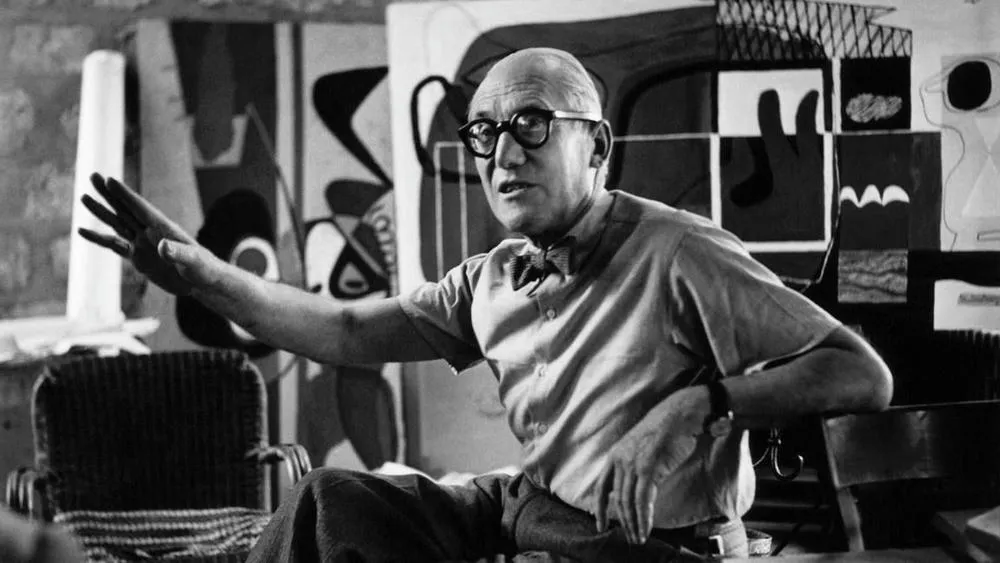
Le Corbusier was one of the most well-known and prestigious architects in history. With a pioneering and avant-garde vision, he was responsible for shaping the way we perceive and design spaces.
Le Corbusier was one of the most well-known and prestigious architects in history. With a pioneering and avant-garde vision, he was responsible for shaping the way we perceive and design spaces. The Swiss architect stood out during the 20th century and introduced the world to what we know as the international style. Le Corbusier was responsible for the movement that revolutionized architectural design through functionality, simplicity, and the use of modern materials. In this article, we delve into the life, legacy, and main contributions of Le Corbusier, exploring the impact he had on modern architecture and urban planning. Join us on this journey to unravel the brilliance of this architectural genius and his profound influence on the world of design.
Le Corbusier, whose real name was Charles-Édouard Jeanneret, is considered one of the most influential architects in the history of modern architecture. Born on October 6, 1887, in La Chaux-de-Fonds, Switzerland, he was exposed to the world of design and craftsmanship from an early age, coming from a family of watchmakers. This upbringing provided him with a deep appreciation for precision and functional aesthetics, which later manifested in his architectural work.
In his youth, Le Corbusier studied decorative arts and briefly worked in an architectural office in his hometown before embarking on extensive travels throughout Europe. These journeys exposed him to a wide range of architectural styles, from classical to modern, significantly influencing his design philosophy.
One of the turning points in his career occurred when he encountered the works of Peter Behrens, a German architect known for his innovative use of industrial materials. This encounter sparked Le Corbusier's interest in functionalism and the potential of using modern materials and construction techniques in architecture.
As his ideas took shape, Le Corbusier published his collection of weekly essays Vers une architecture (“Towards an Architecture”) in 1923. The essays introduced his 5 points of architecture, which became fundamental principles for modern architectural design. These points included pilotis, free plans, free façades, horizontal windows, and roof gardens. His visionary approach to architecture emphasized the importance of form following function and prioritizing the needs of the inhabitants. He believed that architecture should serve as a "machine for living," harmoniously integrating technology and design to improve people's quality of life.
Throughout his career, Le Corbusier collaborated with other prominent figures in the fields of design and urban planning, further expanding his influence on the development of modern cities. Notable among these collaborations was his work with Pierre Jeanneret and Charlotte Perriand, who contributed to some of his most iconic projects.
From the early 1920s until his passing on August 27, 1965, Le Corbusier's legacy continued to grow. He left an essential contribution to the world of architecture, inspiring countless designers and shaping the evolution of contemporary architecture. His work continues to captivate minds and spark discussions about the relationship between form, function, and the human experience in the built environment.
Le Corbusier's legacy in architecture
Le Corbusier's impact on modern architecture is nothing short of revolutionary. He was a key figure in the development of the International Style, which sought to break away from historical architectural ornamentation and embrace simplicity, functionality, and industrial materials. His visionary ideas extended far beyond individual buildings. He explored urban planning and the design of entire cities to improve people's lifestyles. His theoretical writings laid the groundwork for a new era in architectural thought. He advocated for the abandonment of architectural traditions rooted in the past and embraced a fresh, innovative approach. His 5 points were a manifesto of modern design and continue to resonate with architects and designers to this day.
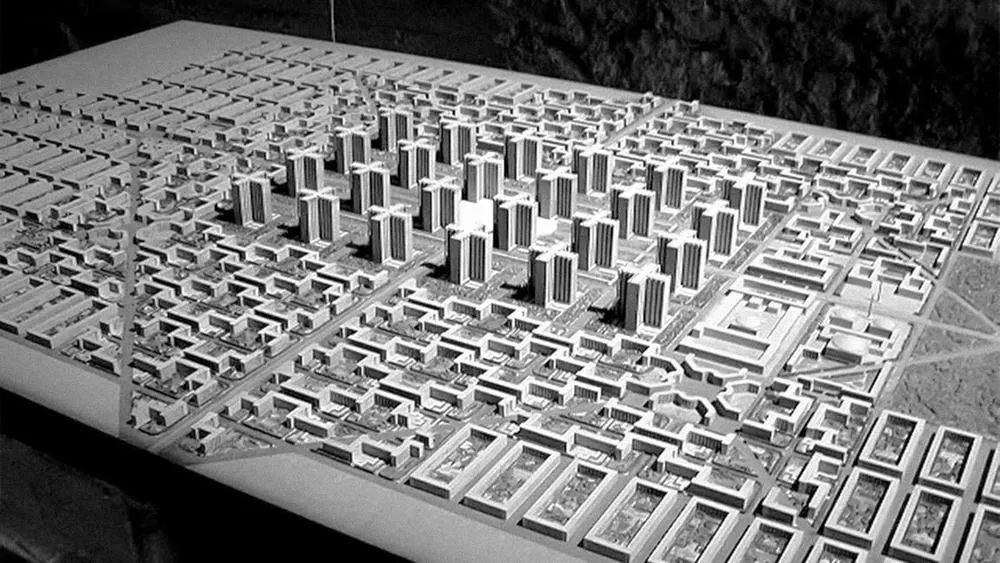
Despite the innovative nature of his work, Le Corbusier was not without his critics. Some critics pointed to the austerity of his designs, arguing that they lacked human warmth and scale. Additionally, some of his urban planning projects faced controversy due to their scope and potential impact on existing communities. The most infamous example is the Radiant City plan, which proposed high-rise residential buildings and large green spaces, but was considered impractical and never fully realized.
However, Le Corbusier's ideas were fundamental in shaping 20th-century architecture and beyond. His concepts of open plans, large windows, and the integration of nature into urban spaces became fundamental elements in modern architectural design. His work paved the way for the emergence of the International Style, influencing architects around the world and leaving a mark on the architectural landscape.
In addition to his contributions in terms of projects and theory, Le Corbusier's architectural legacy is embodied in his built masterpieces. From iconic residential buildings like the Villa Savoye to monumental public buildings, his projects continue to inspire admiration. Le Corbusier's dedication to both aesthetics and functionality resulted in buildings that not only looked striking but also provided an enhanced living experience for their occupants.
In the field of urban planning, Le Corbusier's vision of the ideal city defined the way cities were planned and developed. His principles of zoning and functional separation, though sometimes criticized for being too rigid, shaped the evolution of cities in the 20th century and influenced the modernist movement of urban planning.
Today, Le Corbusier's legacy endures, as his projects and ideas are celebrated and studied by architects, students, and enthusiasts worldwide. His innovative approach to architecture and urban planning continues to be a guiding light for those seeking to create a better, more efficient, and harmonious built environment. Through his remarkable body of work, Le Corbusier's influence continues to permeate the world of architecture, proving that visionary ideas can stand the test of time and leave a lasting impact on how we shape our surroundings.
Le Corbusier's main works
Villa La Roche (1923)
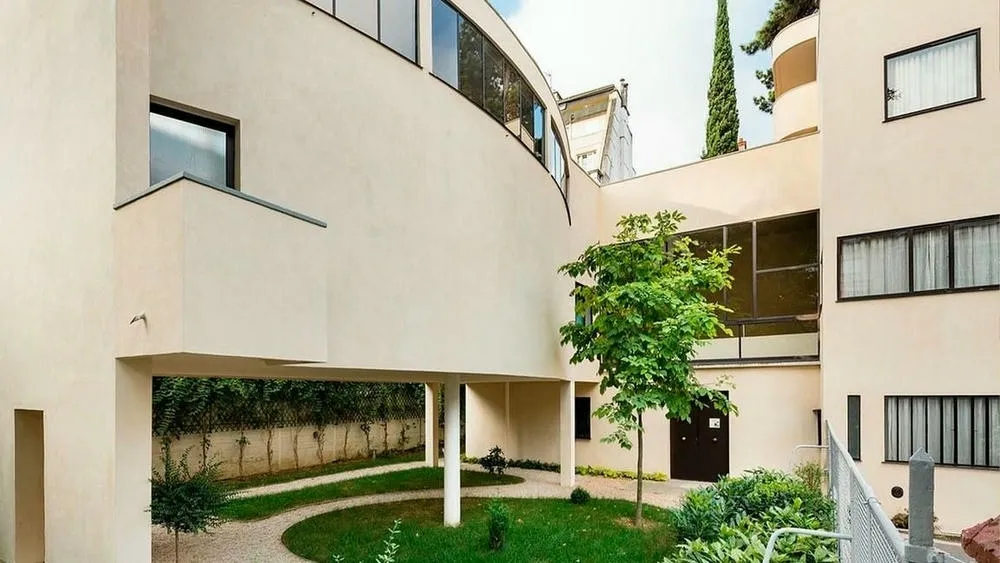
Designed in collaboration with Pierre Jeanneret, Villa La Roche is located in Paris and was commissioned by Raoul La Roche, a Swiss banker and art collector. The villa exhibits essential elements of Le Corbusier's architectural philosophy, such as the use of reinforced concrete, open plans, and the incorporation of natural light. The building's cubic forms and white façade with ribbon windows emphasize his 5 points of architecture. Today, the project houses the Fondation Le Corbusier museum, which preserves the architect's innovative ideas. Its historical value is significant and it embodies the architectural elements that influenced the future of 20th-century design.
Villa Savoye (1928)
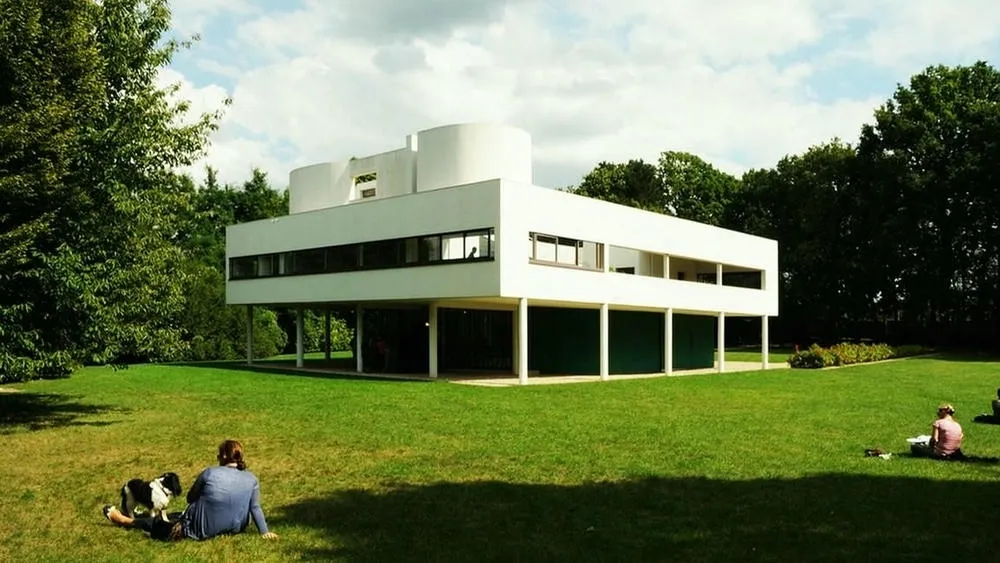
Possibly one of Le Corbusier's most iconic creations, Villa Savoye exemplifies the principles of the International Style. Situated in Poissy, France, this residence was commissioned by the Savoye family as a weekend retreat. The building's pure geometric forms, such as the white rectangular mass supported on pilotis, glass façades, and open plan, reflect Le Corbusier's vision of functional and efficient living spaces. Villa Savoye symbolizes the concept of a "machine for living," where design prioritizes functionality and simplicity. It is also one of the best projects to demonstrate the 5 points created by the architect. Despite initial controversies and its occupation during World War II, Villa Savoye was restored and became a UNESCO World Heritage site in 2016, ensuring its importance as a fundamental work of modern architecture.
Unité d'Habitation (1947–1952)
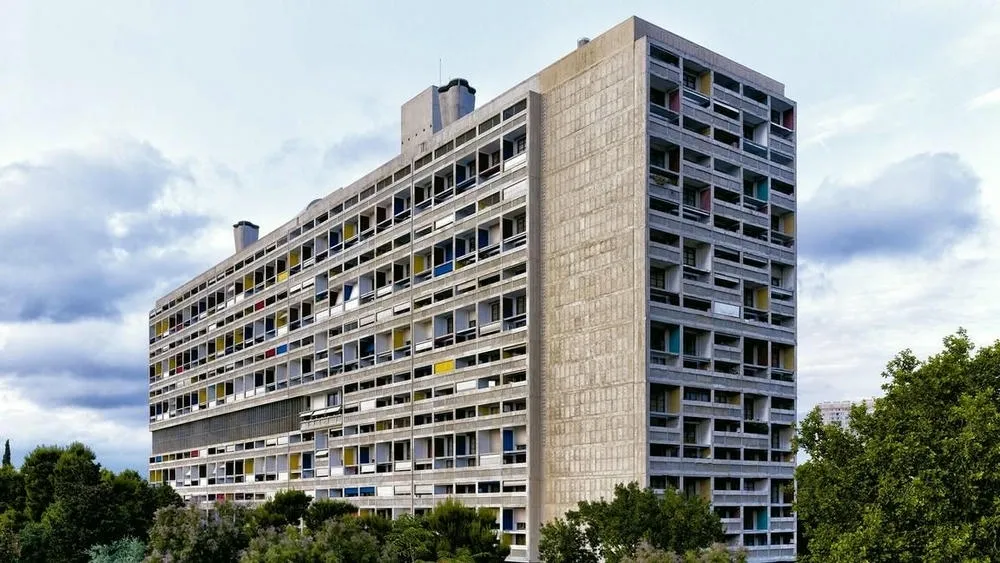
After the devastation of World War II, Le Corbusier embarked on a series of housing projects in response to the urgent need for affordable and efficient housing. The Unité d'Habitation in Marseille, completed between 1947 and 1952, was the first in this series. This innovative building concept sought to combine residential and community functions, integrating shops, a school, and communal terraces within a single high-rise block. The building's imposing scale and innovative use of exposed concrete became a trademark of his later works. The housing unit exemplifies the principles of vertical living, promoting a sense of community and providing ample amenities and open spaces. This influential project set a prototype for high-density housing in urban areas and continues to inspire architects and urban planners worldwide.
Chapel of Notre Dame du Haut (1950–1954)
The Chapel of Notre Dame du Haut, located in Ronchamp, France, and completed between 1950 and 1954, is a masterful example of sacred architecture. Commissioned to replace a church destroyed during World War II, the chapel's organic and sculptural form deviated from Le Corbusier's strictly modernist principles. The unique roof design, with a series of undulating concrete curves and small openings, allows light to penetrate the interior, creating a spiritually evocative atmosphere. The use of exposed concrete and local stone further integrates the chapel with its natural surroundings. The Chapel of Notre Dame du Haut proves the architect's versatility and his willingness to experiment with form and materials.
Heidi Weber Museum/Centre Le Corbusier (1967)
Located in Zurich, Switzerland, the Heidi Weber Museum (also known as Centre Le Corbusier) was the architect's last completed project. Unlike his previous projects, this building acts as a multifunctional museum and cultural center, showcasing Le Corbusier's work, art collections, and design. The structure incorporates elements of his earlier architectural language, with a dynamic interplay of concrete and glass. At the same time, it also features a sculptural terrace and a surprisingly colorful interior. Le Corbusier unfortunately did not see the finished building, passing away 2 years earlier. Today, the museum continues to celebrate his work, offering visitors a comprehensive insight into his multifaceted artistic and architectural career.
Le Corbusier's Quotes
"A house is a machine for living in."
This quote summarizes one of Le Corbusier's fundamental principles: architecture should serve its inhabitants and improve their daily lives. He compared a house to a well-designed machine, which efficiently met the needs and comfort of its occupants. This concept is exemplified in his residential projects, where he prioritized functionality and open spaces, creating dwellings that were not only aesthetically pleasing but also highly livable.
"Space, light and order. These are things that men need just as much as they need bread or a place to sleep.”
Le Corbusier emphasized the importance of space, light, and order in architectural design. He believed that the interplay of these elements was crucial for people's well-being. By introducing abundant natural light, well-organized spaces, and a sense of order, he sought to create harmonious environments that could positively influence the mood and behavior of the building's occupants.
"The home should be the treasure chest of living."
With this quote, Le Corbusier expressed his vision of the home as a place of comfort, joy, and personal fulfillment. He advocated for a house that was more than just a shelter, but a space that held precious memories and provided a sense of belonging. In his projects, he sought to strengthen the connection between residents and their living spaces, promoting a strong emotional bond with the architecture.
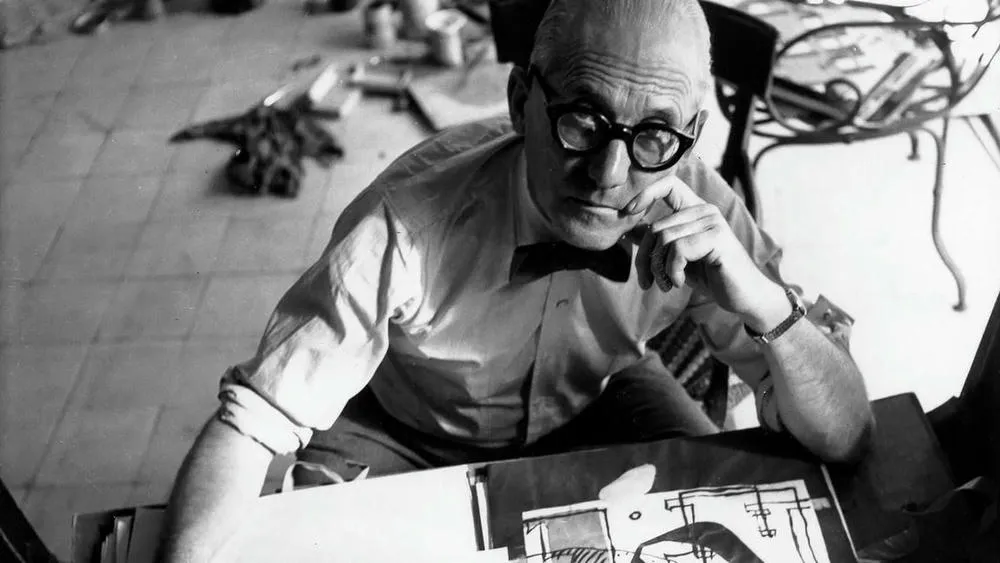
"I prefer drawing to talking. Drawing is faster, and leaves less room for lies."
Le Corbusier's love for drawing and sketching was evident throughout his career. He believed that drawing was a powerful means of communication, allowing architects to convey ideas and visions more efficiently than words. His sketchbooks were filled with quick drawings that captured his design concepts and inspirations. Through drawing, he could express the essence of a project without embellishments or misinterpretations, making it an essential tool in his creative process.
ArchShop is redefining the concept of residential architecture in Brazil, making high-quality projects accessible to everyone. Combining over 20 years of expertise in the construction sector with technological innovation, the company offers a complete digital platform that simplifies and democratizes the process of building the dream home.
We believe that the best ideas arise from the exchange of experiences and the sharing of different perspectives. Open the doors to new opportunities and be part of our blog! If you have an interesting article, an amazing work, a product or service that deserves to be highlighted, contact us.