July 31st: National Day of Women Architects and Urban Planners
The history of architecture has received significant contributions from women architects. However, these contributions are often neglected and underestimated.
The contribution of women in the history of architecture is vast and significant, yet consistently neglected and underestimated. Recent initiatives have been dedicated to valuing the work of these professionals and promoting gender equality in the field of architecture and urbanism. An important milestone in this journey was the approval, in 2020, of the National Day of Women Architects and Urban Planners, celebrated on July 31st.
This date is more than just a reason for celebration; it represents a step in promoting gender equality. The establishment of the Day of Women Architects and Urban Planners by the CAU provides an opportunity to reflect on the actions and policies necessary for equality between women and men in the field. According to data from SICCAU, women represent 64% of professionals in architecture, while men correspond to 36%. It is important to note that in all Brazilian states, women architects are the majority. However, the research revealed numerous inequalities that still exist between male and female architects.
In this article, which we will divide into 2 parts, we will highlight the work and legacy of 15 notable women in the history of architecture. In this first part, we will cover 7 essential women in the history of Brazilian architecture. It is important to note that many women architects have been erased from history, and therefore little is known about them. In addition to the 7 notable names we present here, we also remember the many others who contributed to architecture over the last decades, whether known or not.
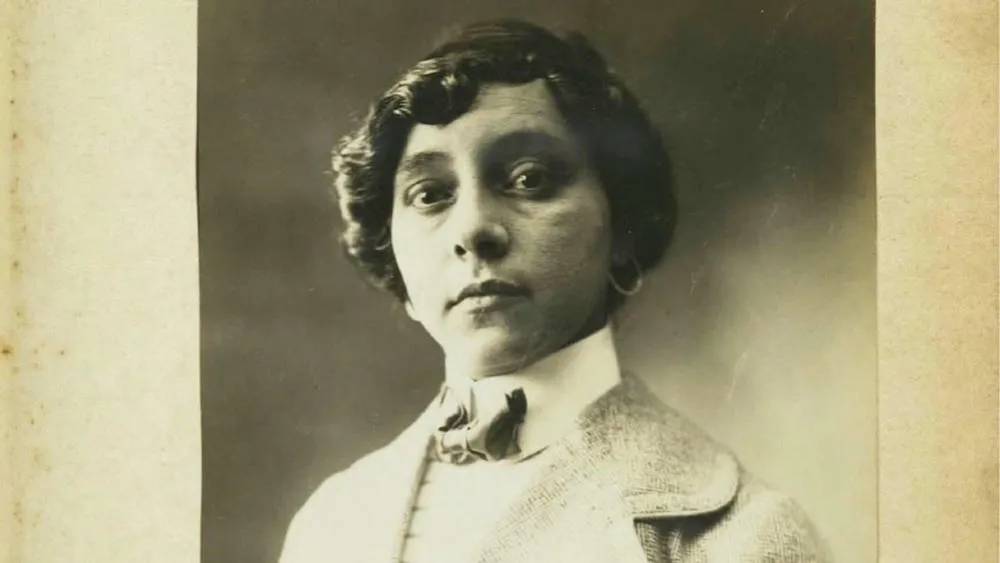
Arinda da Cruz Sobral (1883–1981) was a Brazilian architect and teacher. Born in Rio de Janeiro, she grew up in a middle-class family and became a pioneer in her field. She achieved a significant milestone by becoming the first woman to study architecture in Brazil and possibly the first female architect in Latin America. Arinda studied at the prestigious National School of Fine Arts in Rio de Janeiro, the only institution offering an architecture course in Brazil at the time.
Arinda's pursuit of education in the field was an exceptional achievement that reconsidered gender norms and social expectations of the time. Despite being the only woman in her class, she excelled in her studies and graduated in 1914. Throughout her career, Arinda left her mark on Brazil's architectural landscape, with one of her notable works being the São Silvestre Chapel in the Tijuca National Park. The chapel was completed in 1918 and is now part of an area listed by the National Historical and Artistic Heritage Institute (IPHAN).
Arinda da Cruz Sobral's legacy as the first female architect in Brazil serves as an inspiration for other aspiring women architects today. Her attitude highlighted the importance of following one's dreams and passions despite societal barriers. The architect is still celebrated today and is consolidated as a pioneering figure in national history.
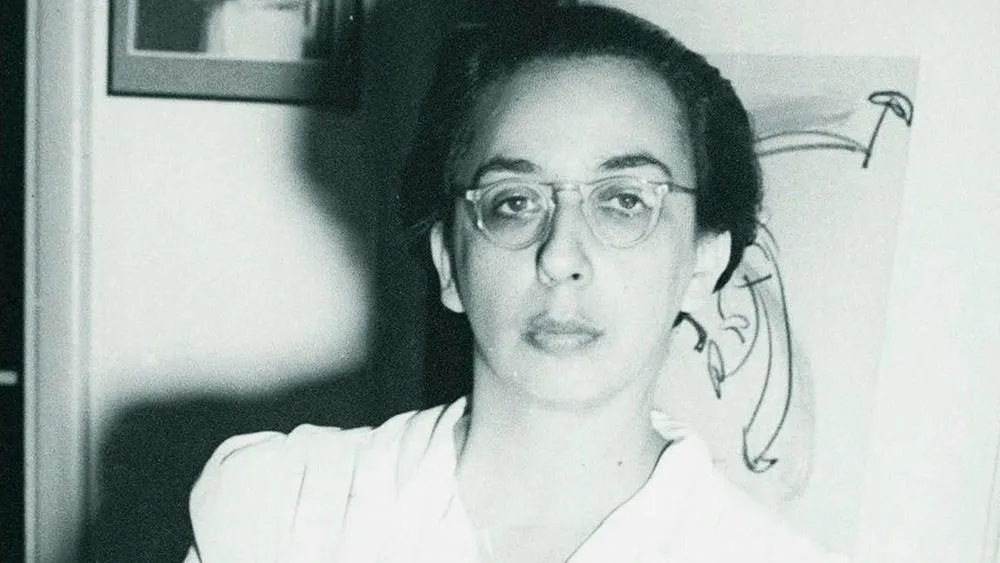
Lota de Macedo Soares
Lota de Macedo Soares (1910–1967) was a self-taught Brazilian landscape architect known for her visionary approach to design and her contributions to the field. Raised in a privileged environment, she developed a passion for art and nature from an early age, which later shaped her career as a landscape architect. Standing out for her progressive and innovative projects, Lota left a lasting impact on the Brazilian landscape.
One of the most renowned projects she was part of was the Aterro do Flamengo (or Parque Brigadeiro Eduardo Gomes) in Rio de Janeiro, considered the largest urban landfill in the world. The project sought to transform reclaimed land into a green space for public enjoyment. The architect's design incorporated elements of modernist architecture with the addition of organic forms. Her approach took into account the functionality, aesthetics, and ecology of the environment. She sought to promote a harmonious coexistence between humans and nature.
Lota lived a significant love story with the American poet Elizabeth Bishop. The couple met in 1951 and were together until 1965. Being an important part of both their personal and professional lives, it was immortalized in cinema with the 2013 film Reaching for the Moon. Glória Pires plays Lota.
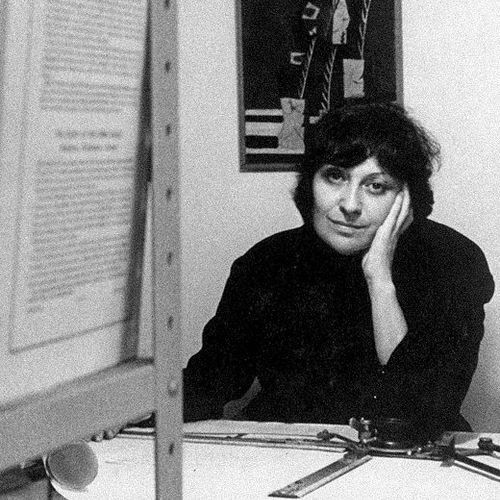
Lina Bo Bardi
Lina Bo Bardi (1914–1992) was an Italian-Brazilian architect, designer, and cultural icon. She grew up in Italy and had an early exposure to the arts, paving the way for what would be an extraordinary career in the field. Her fascination with architecture flourished during her studies at the University of Rome, where she engaged with the city's rich architectural heritage. She moved to Brazil in 1946 with her husband Pietro Maria Bardi, embarking on what would become a transformative journey that would shape her legacy.
Renowned for her ability to harmoniously blend modernist and traditional elements, Lina's projects were characterized by the innovative use of space, materiality, and cultural context. Her most iconic project, the São Paulo Museum of Art (MASP), is a testament to her visionary approach. The museum's bold architectural design, with its suspended glass and concrete structure, challenged conventional norms and became an architectural landmark.
Lina's contributions extended beyond architecture. She was a passionate advocate for social equality and believed in the transformative power of culture. Her projects best illustrated the modernist architecture of Brazil and the world, and today she is recognized as one of the great names of the movement. In 2021, Lina became the first Brazilian architect to receive the Golden Lion at the 17th Venice Architecture Biennale. The posthumous award also marks Lina as the first in the world with a built work and the third Brazilian to win the award, joining Oscar Niemeyer (1996) and Paulo Mendes da Rocha (2016).
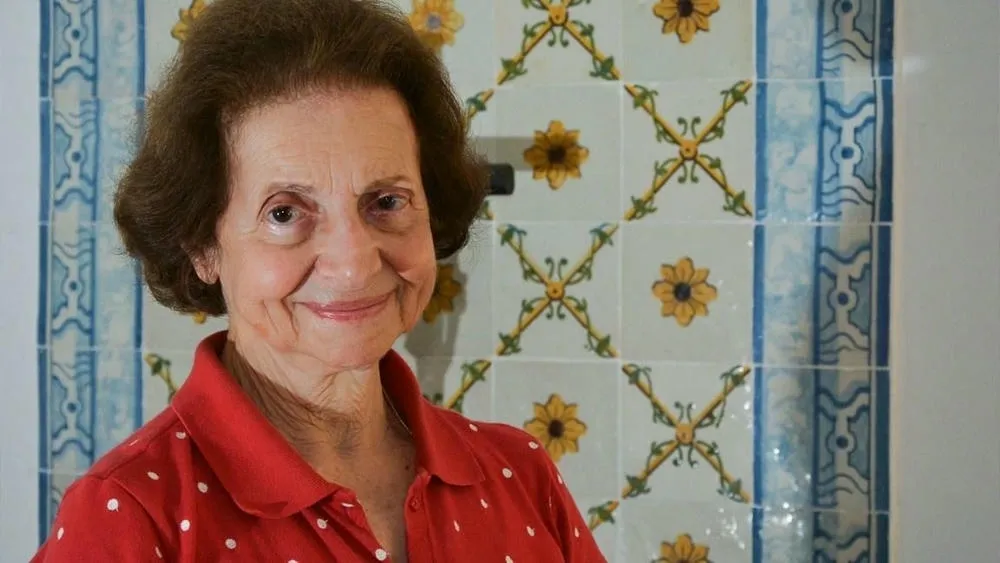
Dora Alcântara (1931–) is a renowned Brazilian architect and professor. Graduating in architecture in 1957 from the University of Brazil, she made notable contributions to the studies of Brazilian tilework and the preservation of the country's architectural heritage. She actively participated in projects carried out by the National Historical and Artistic Heritage Institute (IPHAN) and was involved in initiatives for the conservation and promotion of Brazil's rich cultural legacy.
In addition to her work in preservation, Dora also made important contributions to architectural education. She served as a university professor, passing on her knowledge and experience to aspiring architects. Her role as an educator was fundamental in shaping the next generation of architecture professionals. Her achievements and impact on Brazilian architecture were recognized and honored by the Institute of Architects of Brazil (IAB) in 2020. She became the second woman in history to receive the prestigious Golden Collar award, the highest honor in the field of Brazilian architecture.
As a pioneer in the field of tilework and a woman in a traditionally male-dominated profession, Dora witnessed a transformation over the decades. She observed the increasing presence of women in the field of architecture and expressed hope that this change would contribute to the continuous improvement of the quality of Brazilian architecture. Dora worked tirelessly until the age of 90, exhibiting a remarkable passion for her art. Today, she enjoys a well-deserved retirement, leaving a memorable mark on the Brazilian landscape and cultural heritage.
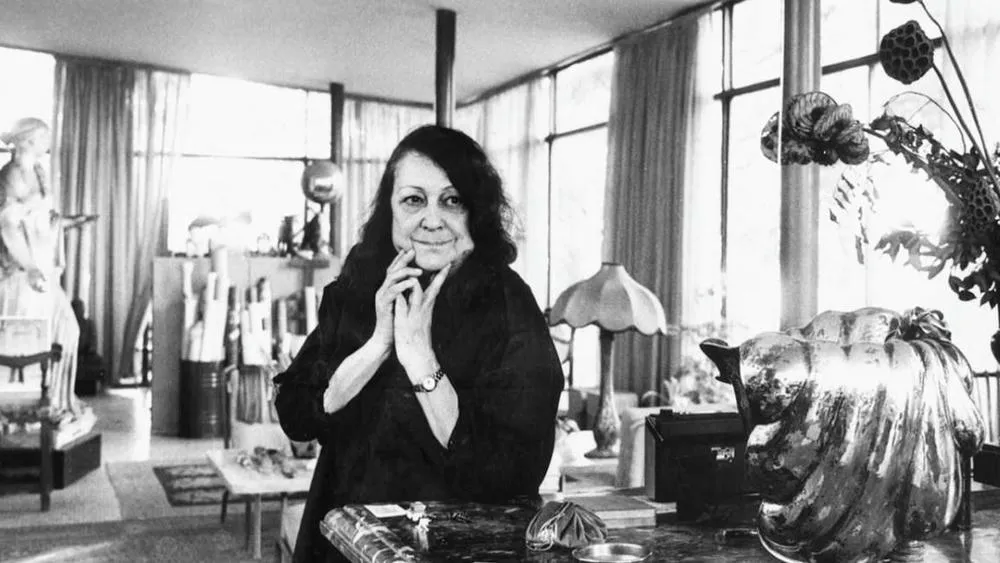
Rosa Kliass
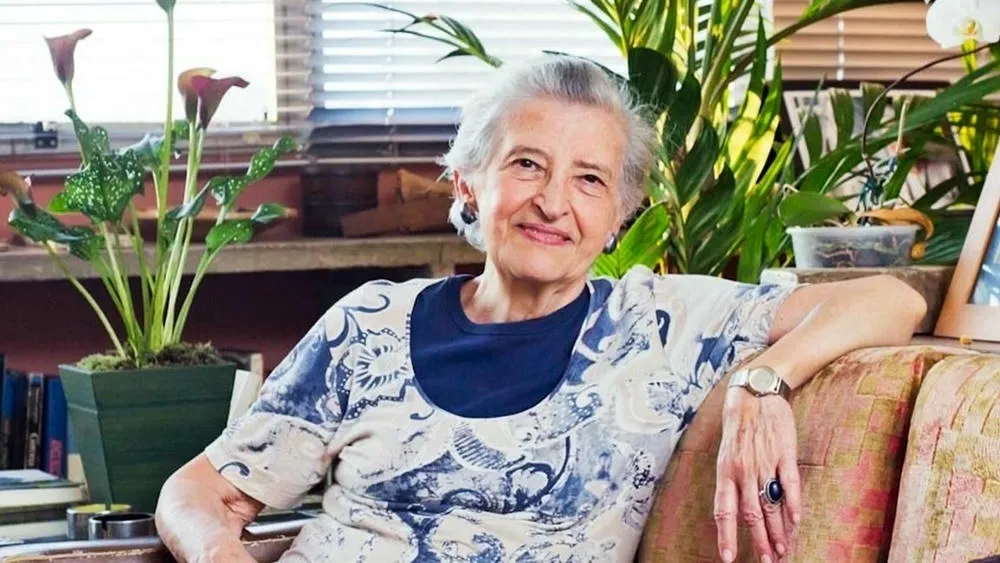
Rosa Grena Kliass (1932–) is an award-winning Brazilian architect and landscape designer. Considered one of the pioneers of this field in Brazil, she entered the history of architecture as one of the most important names in the country's contemporary style. Born in the interior of São Paulo, Rosa took the entrance exam for the Faculty of Architecture at USP, where she was approved and graduated in 1955. Her interest in landscaping arose in her last year of college, when she took classes on the subject with architect Roberto Coelho Cardoso. According to her, she still doesn't know why she chose architecture, but she found her mission in the last year of the course. Rosa would also do her postgraduate studies at the same institution, completing them in 1989.
Throughout her career, Rosa has been involved in numerous projects and designed landscapes for various public spaces, parks, and urban developments. She was responsible for the landscaping project of Avenida Paulista, done in 1973, and the revitalization of the Anhangabaú Valley, in 1981. Another prominent project in her portfolio is the landscaping of the Mangal das Garças, a zoobotanical park in Belém. The idea of the project was to represent the different floristic macro-regions of Pará.
Rosa was actively involved in professional entities in defense of landscaping. She was the first woman, in 1959, to be on the board of IAB-SP. In 1976, she founded and presided over the Brazilian Association of Landscape Architects (ABAP), which promotes training in the area and assists professionals with the challenges of the profession. She made history once again as a professor at Mackenzie Presbyterian University, founding the landscaping chair of the Architecture and Urbanism course. Her great influence and dedication were recognized through numerous awards and honors, including the IAB Golden Collar in 2019, becoming the first woman to receive the award.
Mayumi Watanabe de Souza Lima
Mayumi Watanabe de Souza Lima (1934–1994) was a Brazilian architect important for the theory, planning, and development of public educational spaces. Born in Japan, she became a naturalized Brazilian in 1956 and graduated in architecture from the University of São Paulo in 1960. Mayumi worked alongside renowned architects such as Vilanova Artigas and Joaquim Guedes. With Lina Bo Bardi, she was a collaborator and coordinator of the works of the São Paulo Museum of Art (MASP).
Mayumi focused on the design of public schools and was involved in the construction and restoration of educational spaces. Her extensive experience working with educators, administrators, and children led her to analyze the role of spaces dedicated to children in society. She published two books on the subject: "Espaços Educativos, uso e construção" (Educational Spaces, use and construction), from 1988, and "A Cidade e a Criança" (The City and the Child), from 1989.
Mayumi advocated for architects to play a transformative role in society and, as a professor, she took her students to the favelas, emphasizing the importance of social awareness. Despite her significant contributions, records of her work are scarce online. Her legacy, however, lives on. The Faculty of Architecture and Urbanism at USP, where the architect graduated, created the Mayumi Watanabe de Souza Lima Award. It is awarded to the best Integrated Graduation Projects (TGIs) of the course and is decided by popular vote among students, professors, and staff.
Chu Ming Silveira
Chu Ming Silveira (1941–1997) was an architect and designer responsible for shaping the urban landscape and cultural identity of Brazil. Born in China, Chu Ming immigrated with her family to Brazil when she was only 8 years old. The experience of growing up in a multicultural environment would enrich her artistic perspective. After deciding to study architecture, she studied at Mackenzie Presbyterian University in São Paulo and completed her graduation in 1964.
She was involved in several projects in the field of buildings after college, when she opened her own architecture office. From 1966, she worked for the Brazilian Telephone Company, where she was responsible for preliminary projects, supervision, and coordination of projects for telephone exchanges and service posts. It was during this time that she developed her most famous creation: the telephone protectors Chu I and Chu II, popularized as Orelhinha and Orelhão. Inspired by the shape of an egg, the Orelhões were made of fiberglass and were resistant to Brazilian climatic conditions. Introduced in the late 1960s, it was an innovative approach that combined aesthetics and functionality. The design of the Orelhão not only served as a practical installation for public telephones but also became an iconic Brazilian cultural landmark, remembered and recognized to this day.
In 1975, she designed with her husband a house to be built in the Morumbi neighborhood, in São Paulo. The house was planned in concrete and glass, revealing the architect's brutalist influences. Chu Ming's family (the architect, her husband, and their two children) lived in the house until the 1990s. From 1987, she turned to residential projects on the São Paulo coast. At this time, she named her architectural style "pós-caiçara" (post-coastal), which consisted of the harmonious integration between construction and nature, following the principles of Feng Shui. Chu Ming passed away in 1997, in São Paulo, at the age of 56. Her legacy is immortalized not only in Brazilian history but also through her two children: Alan Chu is an architect and Djan Chu is a photographer.
ArchShop is redefining the concept of residential architecture in Brazil, making high-quality projects accessible to everyone. Combining over 20 years of expertise in the construction sector with technological innovation, the company offers a complete digital platform that simplifies and democratizes the process of building the dream home.
We believe that the best ideas arise from the exchange of experiences and the sharing of different perspectives. Open the doors to new opportunities and be part of our blog! If you have an interesting article, an amazing work, a product or service that deserves to be highlighted, contact us.