The use of cisterns for water storage has been a common practice in sustainable architecture projects. However, many people have doubts about the potability of water from these reservoirs and whether it is safe to consume it directly. In this article, we will address the main issues related to cistern water, including its potability, treatment for human consumption, the time water can remain stored, and the possible uses for it. Let's go!

Is cistern water potable?
The answer to this question depends on several factors. In general, water stored in cisterns is NOT considered potable immediately after collection. Rainwater, which is normally collected in cisterns, may contain impurities, residues of atmospheric pollutants, and even bacteria from the roof. Therefore, cistern water requires proper treatment before it can be consumed.
How to treat cistern water for human consumption?
There are different methods to treat cistern water, ensuring its potability. The first step is filtration, which removes larger impurities, such as leaves and debris. Next, it is recommended to disinfect the water, using methods such as chlorination, which eliminates bacteria and microorganisms. Other disinfection options include the use of ultraviolet rays or ozone systems. It is important to consult a specialized professional to determine the most suitable method for your cistern system and to ensure the quality of the water for human consumption.
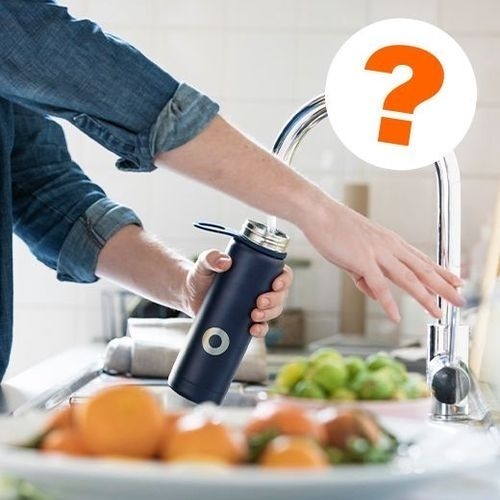
Can you drink water from a cistern?
After proper filtration and disinfection, cistern water can become potable and safe for human consumption. However, it is essential to maintain periodic maintenance of the cistern system, perform regular laboratory analyses of the water quality, and be alert to any changes or contamination that could compromise its potability. Drinking water from a cistern is recommended mainly in situations where there is no access to other sources of potable water, such as in rural areas or in situations of water scarcity.
How long can water stay in the cistern?
The storage time of water in a cistern can vary depending on how the system was designed and the treatment performed. In general, it is recommended that the water be consumed within a maximum period of six months after storage. This is because, even with proper treatment, the water can become contaminated over time due to factors such as air entry and the presence of small organisms. In addition, prolonged storage can affect the quality and taste of the water, making it less pleasant for consumption.
Water stored in cisterns can be a viable alternative for human consumption, provided it is treated properly. It is essential to ensure proper filtration and disinfection of the water, as well as to perform periodic maintenance and laboratory analyses to ensure its potability. Remember that the storage time should be limited, with consumption recommended within six months. By adopting these measures, it is possible to use cistern water safely, contributing to sustainability and the use of water resources in architectural projects.
5 uses for cistern water
Sustainability and the conscious use of natural resources are increasingly present in the agenda of contemporary architecture. One of the most efficient ways to use water is by collecting rainwater in cisterns. In addition to being an ecologically correct practice, it also offers opportunities to explore the versatility of this resource in various aspects of daily life. We list 5 possible uses for cistern water, presenting tips and suggestions for intelligent use.
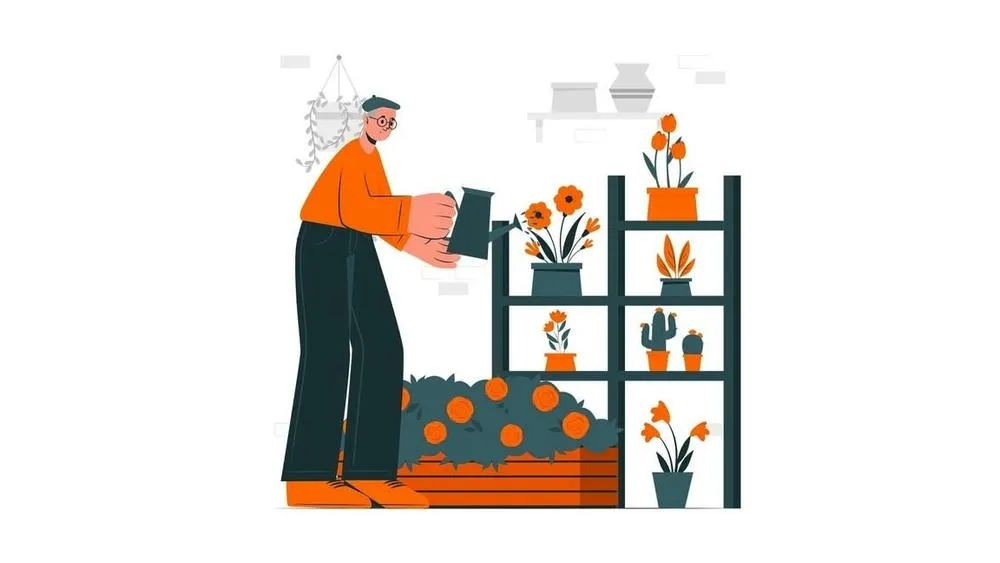
- Irrigation of Gardens and Plants: Water collected by the cistern can be used to irrigate gardens and plants, reducing the need for potable water for this purpose. To optimize its use, it is recommended to install a drip irrigation system, which ensures an efficient distribution of water, avoiding waste. In addition, it is important to choose native or locally adapted plants, which require less water and maintenance.
- Flushing Toilets: Another intelligent way to use cistern water is to direct it for flushing toilets. This use allows for significant savings in potable water, as water consumption in bathrooms is one of the main demands in a residence. For this, it is necessary to install a water reuse system that directs the cistern water to the flushes.
- Washing Clothes and General Cleaning: Cistern water can also be used for washing clothes and for general cleaning of the house. By using this resource for these activities, you reduce the consumption of potable water and contribute to the preservation of water resources. To optimize its use, it is recommended to use washing machines and cleaning equipment that are energy and water-efficient.
- Use in Air Conditioning Systems: Air conditioning systems consume a significant amount of water. By connecting the cistern to the air conditioning system, it is possible to use the collected water for evaporative cooling. This system reduces the consumption of potable water and can help lower the operating costs of the air conditioner. It is important to have the guidance of specialized professionals to ensure proper installation.
- External Cleaning and Maintenance of Common Areas: Finally, cistern water can be used for the external cleaning of the house, such as sidewalks, garages, and common areas in condominiums. These tasks usually require a considerable amount of water, and the use of cistern water is a sustainable and economical alternative. To maximize efficiency, it is recommended to use soft-bristled brooms and hoses with flow regulators.
Cistern water offers several opportunities for conscious and sustainable use. By exploring these creative uses, you not only save potable water but also contribute to the preservation of the environment. By implementing sustainability practices in your residence, you demonstrate a commitment to a more sustainable future and inspire others to adopt similar measures. Take advantage of these tips and suggestions to use cistern water intelligently and responsibly in your daily life.