Color is an essential and fascinating element in our lives, permeating our visual world and influencing our perceptions and emotions. From the vibrant colors of nature to the digital screens that surround us, we are constantly enveloped by an infinite spectrum of tones and hues. Color, in its essence, is the way our eyes and brain interpret light. It is through different frequencies and wavelengths that we perceive the world around us as a rainbow of nuances. However, color goes beyond a mere visual sensation. It triggers emotional and psychological responses, shapes our aesthetic preferences, and culturally symbolizes specific meanings. This article aims to be an introduction to the concept of colors, exploring its theories, models, and explaining practical applications and surprising curiosities.
Colors are fascinating elements that permeate all aspects of our lives, bringing beauty, meaning, and emotional impact to the world around us. In this first part of the article, we will delve into the definition and perception of colors, as well as discuss the essential role they play in our daily lives. Additionally, we will explore the cultural and symbolic importance that colors hold in various societies around the globe.
Definition and perception of colors
To understand colors, it is important to realize that they are the result of how our eyes and brain interpret different wavelengths of light. The light of the visible spectrum is composed of a variety of colors, from red to violet. Our eyes have light-sensitive cells called cones, which are responsible for capturing and transmitting information about colors to the brain.
However, the perception of colors is more than just a physical process. Colors have the power to evoke emotions, feelings, and even influence our behavior. The psychology of colors studies how different shades can affect our mood, perception, and even our decision-making. For example, blue can convey a sense of calm and tranquility, while yellow can make us more alert and stimulated.
The role of colors in our daily lives
Observing our surroundings, we realize that colors are present in almost every aspect of our daily lives. They influence how we relate to the environment, express our identity, and communicate subtle messages. From decorating our homes to choosing the clothes we wear, colors play a fundamental role in our personal expression and lifestyle.
Furthermore, colors have a significant impact on areas such as advertising, product design, consumer psychology, medicine, and therapy. Marketing professionals use colors to evoke specific emotions and influence consumer behavior. In healthcare, colors are used to create therapeutic environments and aid in patient recovery.
The cultural and symbolic importance of colors
Colors have deep cultural and symbolic meaning in different societies around the world. Each culture attributes different meanings and associations to colors, often based on their religious traditions, rituals, and beliefs. For example, red can represent love, passion, and good luck in one culture, while in another, it may be associated with danger or social taboos.
Colors can also be used to represent political identities, social groups, and artistic movements. National flags and organization logos often contain specific color combinations that evoke a sense of belonging and representation.
Color models
A color model is a mathematical or theoretical representation that describes how colors can be reproduced and combined. It is a way of organizing and visually representing colors in a specific system. There are several color models used in different areas, but here we will explore 3 of the best-known and widely used ones (RGB, CMYK, and HSL/HSV).
The RGB (Red, Green, Blue) model and its applications
The RGB model is based on the combination of three primary colors: red (Red), green (Green), and blue (Blue). It is widely used in electronic devices, such as computer monitors, TVs, and smartphones, to display colors on screen. In this model, each color is represented by a numerical value ranging from 0 to 255. By combining these three colors in different intensities, a wide range of visible colors can be created.
One of the advantages of the RGB model is its ability to represent bright and vibrant colors. It is particularly effective for digital images, graphics, and visual media intended for display on electronic screens. However, it is important to mention that the RGB model is not ideal for printing, as the colors displayed on a screen may vary from those printed on paper.
The CMYK (Cyan, Magenta, Yellow, Black) model in printing
Unlike the RGB model, the CMYK model is used primarily for printing. It is also based on the combination of three primary colors, but with the addition of black to improve quality and save ink. In this model, colors are represented by the values of cyan (Cyan), magenta (Magenta), yellow (Yellow), and black (Black).
The CMYK model is suitable for printing because it reproduces a wider variety of printed colors on paper. It takes into account the absorption of light by the inks used in the printing process, resulting in a more accurate representation of colors on paper. It is widely used in printed materials such as magazines, brochures, posters, and other items that require color fidelity in printing.
The HSL/HSV (Hue, Saturation, Lightness/Value) model and its advantages
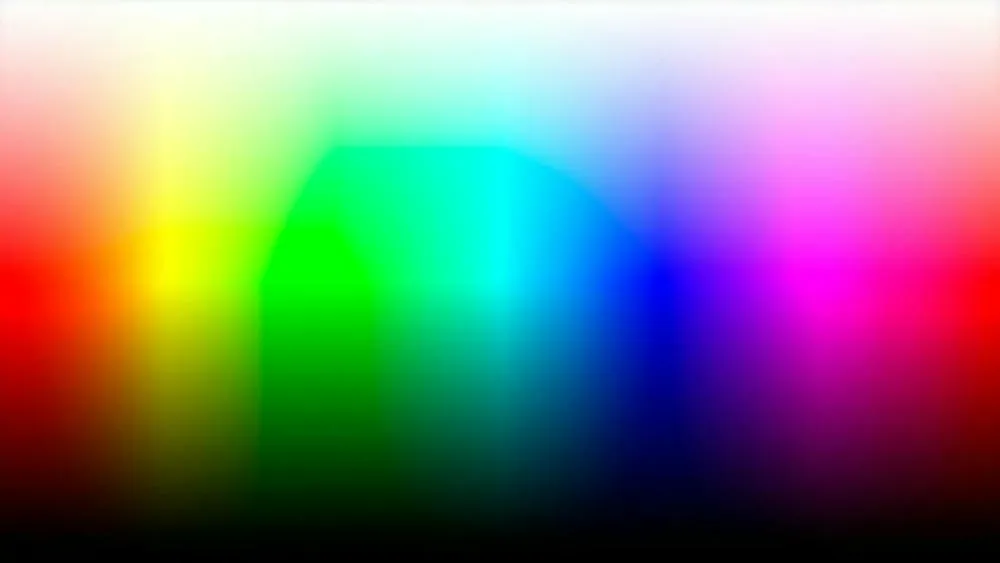
The HSL (Hue, Saturation, Lightness) or HSV (Hue, Saturation, Value) model is a color model that focuses on perceptual characteristics of colors, such as hue, saturation, and lightness/value. These models allow for a more intuitive and easy-to-understand representation of colors, making it easier to select and adjust the desired tones.
In the HSL model, hue (Hue) represents the basic color, saturation (Saturation) controls the intensity or purity of the color, and lightness (Lightness) indicates the brightness of the color. In the HSV model, value (Value) replaces lightness and represents the clarity of the color. An advantage of these models is their flexibility and usefulness in various areas, such as graphic design, image editing, and programming. They allow for easy adjustment of the tone, intensity, and brightness of colors, making them valuable tools for creative professionals.
Color Theories
Color theories are explanations and systems of thought that seek to understand and describe how colors are perceived and how they interact with each other. These theories help to understand the psychology of colors, their influence on emotions, and human perception. There are several color theories developed over time, each with its specific approach and emphasis.
Isaac Newton's theory on color and the visible spectrum
In the 17th century, the renowned scientist Isaac Newton conducted pioneering studies on the nature of light and the formation of colors. He demonstrated that white light can be decomposed into a continuous spectrum of visible colors when it passes through a prism. This experiment revealed that colors were not indivisible entities but rather different wavelengths present in light.
Newton also proposed the idea that color is a perceptual phenomenon resulting from the interaction of light with objects. He described color as a fundamental property of light and laid the foundation for the scientific study of colors.
The color wheel and its use in harmonious color combination
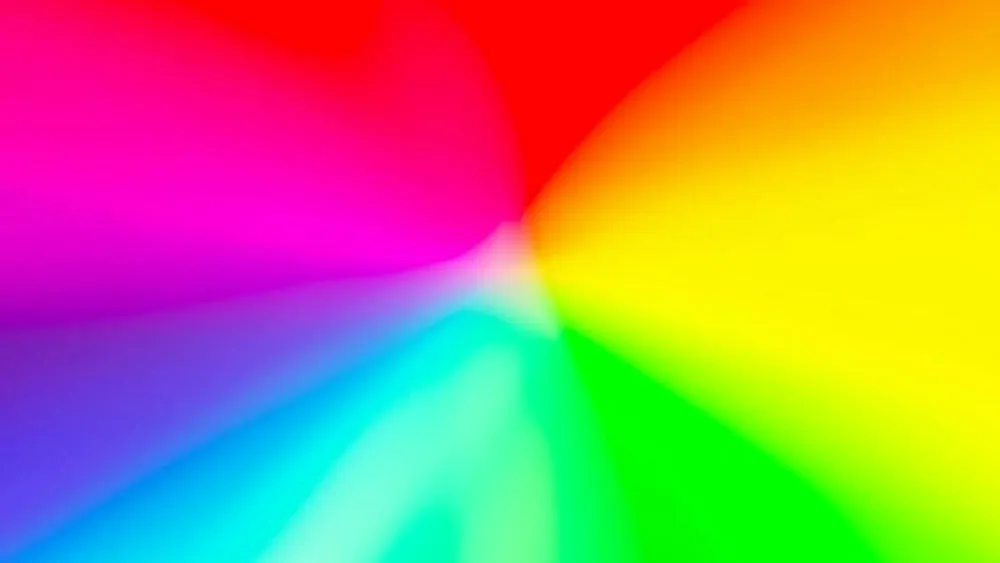
The color wheel is a circular representation of colors that facilitates the understanding of the relationships between them. It is based on the organization of colors in a continuous spectrum, where the primary colors (red, green, and blue) are positioned equally spaced, and the secondary colors (the result of mixing primary colors) are arranged between them.
The color wheel is widely used by artists, designers, and creative professionals to create harmonious color combinations. It allows for the exploration of complementary, analogous, and triadic color schemes, helping to choose colors that complement each other and create visual balance.
The contributions of artists and scientists to the understanding of colors
Artists and scientists throughout history have played a crucial role in understanding colors and their application in various fields. For example, the Impressionist movement of the 19th century, led by artists like Claude Monet and Pierre-Auguste Renoir, explored the relationship between light, color, and visual perception. They sought to capture the essence of colors in nature and how they change as light falls on objects.
Other scientists, such as Johann Wolfgang von Goethe, studied the emotional and psychological responses to colors, contributing to the field of color psychology. They explored how colors can evoke different feelings and emotions in people, influencing their mood and behavior.
Color Psychology
Color psychology is a field of study that explores the relationship between colors and human emotions, behaviors, and perceptions. It investigates how colors psychologically affect people and how they can be used to influence our emotions, attitudes, and even our decisions. Color psychology considers that colors have symbolic and associative meanings that vary according to culture, context, and individual experiences. Although these associations are not universal, there are some common trends that can influence people's emotional reactions.
The influence of colors on emotions and human behavior
Colors have the power to evoke different emotions and influence our behavior. Studies in the field of color psychology show that specific shades can trigger distinct emotional responses in people. For example, red is generally associated with passion, energy, and excitement, while blue conveys calm, confidence, and tranquility.
Furthermore, color psychology explores how colors can influence human behavior. For example, yellow is often used in work environments to stimulate creativity and productivity, while green is associated with a sense of balance and harmony, being used in relaxation spaces.
Studies on the impact of colors in marketing and design
In the field of marketing and design, colors play a crucial role in creating effective brands, products, and campaigns. Studies have shown that colors can affect consumers' perceptions of a brand and influence their purchasing decisions. For example, the use of specific colors in logos and packaging can convey messages and emotional associations. Red can convey a sense of urgency and energy, blue can convey trust and security, while green can be associated with sustainability and ecology.
Marketing and design professionals also consider the cultural context and individual preferences when selecting the appropriate colors for their strategies. Understanding the impact of colors on consumer perceptions and preferences is essential for creating an effective brand identity.
The therapeutic use of colors in chromotherapy
Chromotherapy is a therapeutic practice that uses colors to promote balance and healing. It is believed that different colors can have specific effects on the body, mind, and emotions. For example, light blue can be used to calm and reduce stress, while yellow can stimulate the nervous system and promote joy.
Although chromotherapy is not recognized as a form of conventional medical treatment, some people find therapeutic benefits in intentionally using colors, whether through visualization, the use of colored lights, or contact with colored objects.
Colors in nature and science
The color of objects and substances is directly related to the way they interact with light. White light, composed of all colors of the visible spectrum, falls on objects and some colors are absorbed, while others are reflected. The color we perceive is determined by the light waves that are reflected by objects and captured by our eyes. For example, an object that appears red absorbs all colors of the spectrum except red, which is reflected and reaches our eyes.
Camouflage and visual signaling in animals and plants
In nature, animals and plants have developed strategies to adapt to the environment and communicate visually through colors. Camouflage is an example of adaptation in which organisms have colors and patterns that resemble their surrounding environment, allowing them to blend in and go unnoticed by predators or prey.
On the other hand, visual signaling involves the use of bright and conspicuous colors to attract mates, warn of dangers, or signal specific characteristics, such as toxicity. These vibrant colors serve as a visual communication mechanism between organisms, allowing them to recognize and interact within their species.
The absorption and reflection of light by colors in the atmosphere
The Earth's atmosphere plays a fundamental role in how we perceive colors in the sky. Sunlight is composed of all colors of the visible spectrum, but when light passes through the atmosphere, it interacts with particles and molecules present in the air. The molecules in the atmosphere scatter light of different wavelengths unevenly. This results in the preferential scattering of shorter wavelength colors, such as blue, while longer wavelength colors, such as red, are less scattered.
This is why we see the sky as blue during the day. Blue light is scattered more widely in the atmosphere, while other colors are filtered out. However, during sunrise or sunset, the light travels a longer distance through the atmosphere, resulting in even greater scattering of shorter colors. This creates a spectacle of warm and vibrant colors on the horizon.
Colors and technology
Let's explore the relationship between colors and technology, addressing the digital representation of colors in electronic devices, color calibration in monitors and printers, and the applications of colors in virtual reality, augmented reality, and games.
The digital representation of colors in electronic devices
In electronic devices such as smartphones, tablets, and computers, colors are represented digitally through color models, with the RGB (Red, Green, Blue) model being one of the most commonly used. In this model, each color is represented as a combination of intensities of red, green, and blue. However, the representation of colors in electronic devices can vary due to different factors, such as monitor quality, brightness and contrast settings, and even ambient lighting. This can result in noticeable differences in color reproduction between different devices.
Color calibration in monitors and printers
To ensure color accuracy and consistency, it is important to perform color calibration on monitors and printers. Calibration involves adjusting the device settings so that the color reproduction is as faithful as possible to its original appearance. There are specialized tools and software available for color calibration, allowing the configuration of parameters such as color temperature, gamma, and white balance. With proper calibration, it is possible to obtain more accurate and consistent results in viewing and printing colors.
Applications of colors in virtual reality, augmented reality, and games
Technology is constantly evolving, and colors play a fundamental role in creating immersive experiences in virtual reality (VR), augmented reality (AR), and games. These technologies explore the ability to display vibrant and realistic colors to provide an engaging visual experience.
In virtual reality, colors are used to create immersive virtual environments, where users can interact and explore three-dimensional scenarios with vivid and realistic colors. In augmented reality, colors are applied to overlay virtual elements onto the real world, creating a hybrid and interactive experience. In games, colors are used to convey atmosphere, define characters and environments, and provide visual feedback to players. Colors can evoke different emotions, set the tone of the game, and guide the player's attention to important elements.
Curiosities about colors
The color pink does not exist as a separate light spectrum: Unlike the colors of the rainbow, such as red, orange, yellow, green, blue, and violet, pink is not a color that appears in the continuous spectrum of light. In fact, pink is a visual perception that occurs when our brain combines signals from red and blue light receptors.
Black is the absence of color: While white is the combination of all colors, black is the absence of color. In fact, black is the absence of light or the complete absorption of all visible light frequencies. For example, an object appears black when it absorbs all colors and reflects none of them.
Blue is the most difficult color to produce artificially: The production of durable blue pigments has been a challenge throughout history. It was only in the 18th century that the French chemist Jean Baptiste Guimet developed the first synthetic blue pigment, known as Prussian Blue. Before that, blue pigments were obtained from natural substances, such as the lapis lazuli stone.
Culture influences the meaning of colors: The meaning attributed to colors can vary according to culture and individual experiences. For example, white can be associated with purity and marriage in some Western cultures, while in other cultures it can symbolize mourning and death.
Green is the most relaxing color for the eyes: Green is considered the most relaxing color for the eyes because it is at the center of the visible color spectrum. This means that the color receptors in our eyes do not need to adjust as much to see green, providing a sense of calm and relief.
Vibrant colors can increase appetite: Some research suggests that vibrant colors, such as red, orange, and yellow, can stimulate appetite. This is why many restaurants and fast-food companies use these colors in their logos and decor to attract customers and increase consumption.
The color of the sky varies according to the amount of particles in the atmosphere: The color of the sky is not always the same. During the day, the sky appears blue due to a phenomenon called Rayleigh scattering, which disperses the blue light from the sun in the atmosphere. However, under certain conditions, such as during sunset, the sunlight has to pass through a thicker layer of the atmosphere, resulting in greater scattering of light and more orange and reddish colors.
Color can influence human mood and behavior: Studies show that different colors can have psychological and emotional effects on people. For example, blue can convey a sense of calm and confidence, while red can increase energy and excitement. These associations between colors and emotions can be used in marketing, interior design, and color therapy.
Human skin color is determined by the amount of melanin: Human skin color varies due to the amount and distribution of a pigment called melanin. Melanin is produced by cells called melanocytes and determines the color of the skin, hair, and eyes. The more melanin a person produces, the darker their skin color will be.
The color change of leaves in autumn is due to the decomposition of chlorophyll: During the autumn season, the leaves of trees change color, displaying vibrant shades of red, orange, and yellow. This occurs because the trees begin to break down chlorophyll, the pigment responsible for the green color of the leaves, and other pigments, such as carotenoids and anthocyanins, which were masked by chlorophyll, become more visible.
ArchShop is redefining the concept of residential architecture in Brazil, making high-quality projects accessible to everyone. Combining over 20 years of expertise in the construction sector with technological innovation, the company offers a complete digital platform that simplifies and democratizes the process of building the dream home.
We believe that the best ideas arise from the exchange of experiences and the sharing of different perspectives. Open the doors to new opportunities and be part of our blog! If you have an interesting article, an amazing work, a product or service that deserves to be highlighted, contact us.