Classical architecture: history and characteristics
The classical style is one of the most influential and enduring currents in the history of architecture. It dates back to the times of Ancient Greece and Rome.
Classical architecture is an art form that transcends time, bringing with it an aura of eternity and refined beauty. Throughout history, this architectural expression has played a fundamental role in the development of human civilization. Its distinct characteristics and inspiring examples continue to enchant us to this day. From the majestic Greek temples to the grand Gothic cathedrals, classical architecture has gifted us with magnificent works that echo the grandeur of human creativity.
The pursuit of harmonious proportion, impeccable symmetry, and meticulous attention to detail are hallmarks of this architectural style that has captivated admirers for centuries. In addition to its impactful aesthetics, classical architecture also reveals a deep understanding of society and human aspirations, portraying cultural and religious values that have stood the test of time. In this article, we will explore the richness and enduring legacy of classical architecture, inviting you to delve into a world where magnificence meets eternity.
The classical style is one of the most influential and enduring currents in the history of architecture. It dates back to Ancient Greece and Rome, and its influence has extended over the centuries, leaving a permanent mark on constructions and aesthetic principles that persist to this day.
The classical style is known for its timeless elegance, balanced proportions, and refined details. It incorporates elements and characteristics developed during the classical period of antiquity, such as the use of columns, pediments, arches, domes, and entablatures. These architectural elements are skillfully arranged to create a sense of order and harmony.
Classical buildings are often designed with a central axis and a symmetrical division of architectural elements on both sides. This symmetry creates a sense of visual balance and is one of the reasons why the classical style is considered so pleasing to the eye. The style makes constant use of noble and durable materials (such as marble, granite, and limestone) that are carefully carved to enhance their architectural beauty. These materials give a sense of solidity and permanence to the buildings.
Furthermore, the classical style is also concerned with the harmony between the building and its surroundings. It seeks to integrate with the environment, often featuring symmetrical facades that fit perfectly into their neighborhoods. The combination of balanced proportions, ornamental details, and the relationship with the surrounding context creates a sense of grandeur and timeless beauty.
Although the classical style has its roots in antiquity, it continues to be a source of inspiration for contemporary architects. Many important buildings around the world (such as museums, government buildings, and cultural institutions) are designed in a classical style, both as a tribute to tradition and to convey a sense of solidity, prestige, and importance. Its rich historical heritage and its ability to create spaces that transcend time make it one of the most valuable and influential styles in architecture.
How did classical architecture emerge?
Classical architecture is a style that dates back thousands of years, with deep roots in antiquity. This iconic architectural style, also known as Western classical architecture, has its origins in ancient Greece and Rome. Its influence can be seen in many renowned structures and buildings around the world to this day.
Greek classical architecture flourished during the classical period of ancient Greece, approximately between the 5th and 4th centuries BC. This era was characterized by great intellectual and artistic advances, and architecture was no exception. Greek architects developed a series of principles and architectural elements that would become the basis of the classical style.
The most famous Greek buildings are the temples, which were designed as places of worship for the gods. These structures featured elegant columns, ornate capitals, and triangular pediments. The temples were built with harmonious proportions, symmetry, and an emphasis on aesthetic beauty. A notable example from this period is the Parthenon, located on the Acropolis of Athens, considered one of the greatest architectural achievements of ancient Greece.
After the Roman conquest of Greece, Greek classical architecture had a significant influence on the Roman Empire. The Romans adapted and incorporated Greek elements into their own constructions, resulting in the architectural style known as Roman classical architecture.
Roman classical architecture was distinguished by its grandeur and monumentality. The Romans were responsible for grand constructions, such as amphitheaters, aqueducts, baths, and basilicas. In addition, they developed the system of arches and vaults, allowing for the construction of large and durable structures.
The influence of classical architecture spread throughout the Roman Empire and beyond. With the fall of the Roman Empire, classical architectural knowledge was gradually lost in Western Europe during the Middle Ages. However, the rediscovery of ancient Greek and Roman texts during the Renaissance brought a resurgence of interest in classical architecture.
The Renaissance marked a period of cultural, scientific, and artistic revitalization in Europe, and many architects of the time turned to the architecture of Greece and Rome for inspiration. Classical principles and elements were reinterpreted and incorporated into Renaissance palaces, churches, and public buildings, such as the Cathedral of Santa Maria del Fiore in Florence and the Palazzo Vecchio in Rome.
The influence of classical architecture extended beyond the Renaissance and is still present in modern architecture. Its pursuit of harmony, proportion, and beauty has endured through the centuries, inspiring generations of architects to create buildings that capture the elegance and splendor of the classical style. Its legacy continues to this day, standing out as a timeless style that continues to influence the way we design and build our buildings.
New classical architecture and neoclassical architecture
New classical architecture emerged in the late 20th century as a response to the dominant modernist architecture. During this period, many architects felt a growing dissatisfaction with the minimalist principles and lack of connection to architectural tradition that characterized modernism. As a result, there was a resurgence of interest in classical architecture and a quest to recover the aesthetic and formal principles of the past.
New classical architecture seeks to reinterpret and adapt the elements and principles of original classical architecture to the contemporary context. It aims for a balanced approach between tradition and innovation, combining modern techniques and materials with classical forms, proportions, and details. Architects who embrace new classical architecture seek to create buildings that integrate harmoniously with their surroundings and convey a sense of permanence and enduring beauty.
On the other hand, neoclassical architecture emerged during the late 18th and early 19th centuries, during the period known as Neoclassicism. This movement was a reaction to the excessively ornate Rococo style and sought inspiration in the aesthetic principles of Greek and Roman classical architecture. Neoclassical architecture was widely influenced by the rediscovery of ancient Greco-Roman ruins at archaeological sites and by the ideas of the Enlightenment, which emphasized reason, order, and symmetry.
Neoclassical buildings feature characteristics such as columns, pediments, ornate capitals, symmetrical proportions, and imposing facades. They reflect a return to classical architectural principles and were widely adopted for public buildings, such as governments, museums, theaters, and monuments, conveying a sense of solemnity and grandeur.
Although new classical architecture and neoclassical architecture emerged at different times, they share a deep relationship with the original classical style. Both seek to rescue the principles and aesthetic elements that characterize classical architecture, adapting them to meet contemporary demands and sensibilities.
Both new classical architecture and neoclassical architecture are expressions of a desire to connect with the past, to incorporate a timeless aesthetic, and to create buildings that stand out for their beauty and harmony. Both reflect the continuity of the legacy of classical architecture and demonstrate its lasting influence on the way we design and build our built environments.
Classical architecture is a style of architectural design that flourished mainly between the 15th and 19th centuries. Characterized by its elegance and harmony, this form of architecture exhibits several distinctive features that make it easily recognizable.
One of the prominent features of classical architecture is the use of symmetrical and balanced proportions. Buildings are often divided into proportional horizontal and vertical sections, resulting in a harmonious and pleasing appearance. The most commonly used proportions are the golden ratios, such as the famous "golden number" or "golden proportion," which is approximately 1.618.
Another fundamental characteristic is the presence of classical architectural elements, such as columns, pediments, and arches. The columns are generally of the Doric, Ionic, and Corinthian types. Each has its own distinctive details and ornaments. Pediments are decorative triangles located on the facade of a building, while arches are semicircular or vaulted arches that provide support and structural stability.
Classical architecture also stands out for the remarkable emphasis placed on the symmetry of constructions. Classical buildings generally feature a symmetrical arrangement of architectural elements, such as doors, windows, and columns. Symmetry creates a sense of balance and visual order, giving an impressive appearance to the buildings.
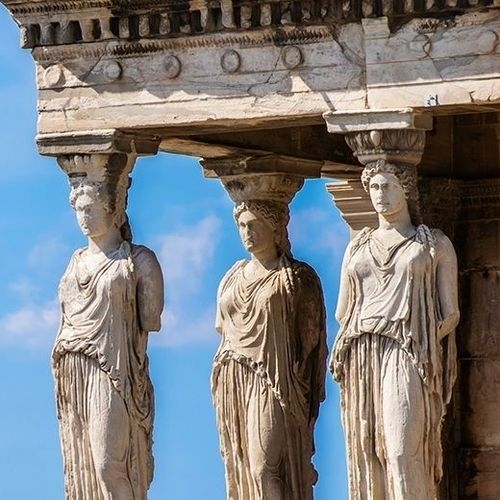
The presence of refined ornamental details is also an important aspect. Classical architecture is known for its meticulous attention to detail and the inclusion of intricate decorative elements. This can include sculptures, moldings, and ornamental reliefs in various parts of the building. These details add a touch of elegance and sophistication to classical architecture.
Furthermore, another highlight of this style is the use of durable and natural materials. Classical constructions are often built with materials such as stone, marble, and wood, which are known for their durability and aesthetic appeal. These materials give a timeless aspect to classical buildings and help preserve their beauty over the centuries.
To identify classical architecture, one can observe these characteristics in a building. If a building exhibits balanced proportions and symmetry, has classical columns, elaborate ornamental details, and is built with durable natural materials, it is likely an example of classical architecture. In addition, one can check if there is a clear influence of classical architectural styles, such as Greek or Roman, in its overall appearance.
What is the difference between Greek and Roman classical architecture?
Greek architecture is known for its balance and harmony, valuing aesthetics and proportion. The Greeks developed three main architectural orders: Doric, Ionic, and Corinthian. The Doric order is the oldest and has robust columns, without a base and with a simple capital. The Ionic order is characterized by more slender and elegant columns, with a base and a capital ornamented with volutes. The Corinthian order is the most ornamental, with a capital richly decorated with acanthus leaves. The Greeks were also masters at creating large, open spaces, such as the classical Greek temple, with its front portico supported by columns.
Roman architecture, on the other hand, was influenced by Greek architecture but developed its own characteristics. The Romans were known for their ingenuity and skill in building large structures. They used the vault, the arch, and the dome extensively in their buildings, allowing for the construction of large and grand interior spaces. The Romans were also pioneers in the use of concrete, which allowed for greater flexibility in creating architectural structures. In addition, the Romans developed the use of arcades and aqueducts for the construction of water transport systems.
Another notable difference between Roman and Greek architecture is the function of the buildings. While Greek architecture was primarily focused on the construction of temples and places of worship, the Romans used their architecture for a variety of purposes, including public baths, amphitheaters, theaters, forums, and administrative buildings. The Romans also developed domestic architecture, with their villas and domus.
Examples of classical architecture
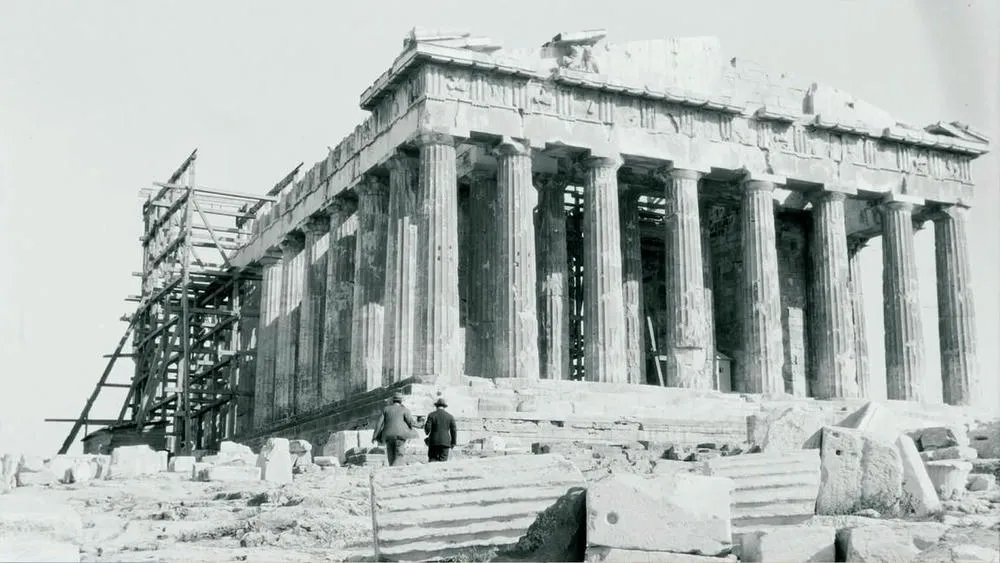
Designed by architects Ictinus and Callicrates, the Parthenon was commissioned by the political leader Pericles to serve as a temple dedicated to the goddess Athena. It is one of the best-preserved examples of classical Greek architecture and was built between 447 BC and 432 BC in Greece. Among the three classical Greek architectural styles, it is a notable example of the Doric order.
The Parthenon has a rectangular plan with Doric columns on its exterior. The building is surrounded by a series of columns around its perimeter, with a total of 46 external columns and 23 internal columns supporting the roof. The west facade, known as the pediment, displays a sculpted frieze in low relief depicting mythological scenes and historical events.
Harmony and proportion are fundamental elements of classical Greek architecture, and the Parthenon incorporates these principles exceptionally well. Every detail, from the curvature of the columns to the slope of the roof, was carefully calculated to create a sense of balance and pleasing aesthetics.
In addition to its architectural beauty, the Parthenon also had a religious function. The statue of Athena Parthenos, made of ivory and gold, occupied the interior of the temple, becoming the central point of worship and adoration. The Parthenon remains an iconic symbol of ancient Greek civilization and an impressive testament to the skill and creativity of Greek architects. Its influence and impact on Western architecture are undeniable, making it an enduring reference and an inspiring example of classical architecture.
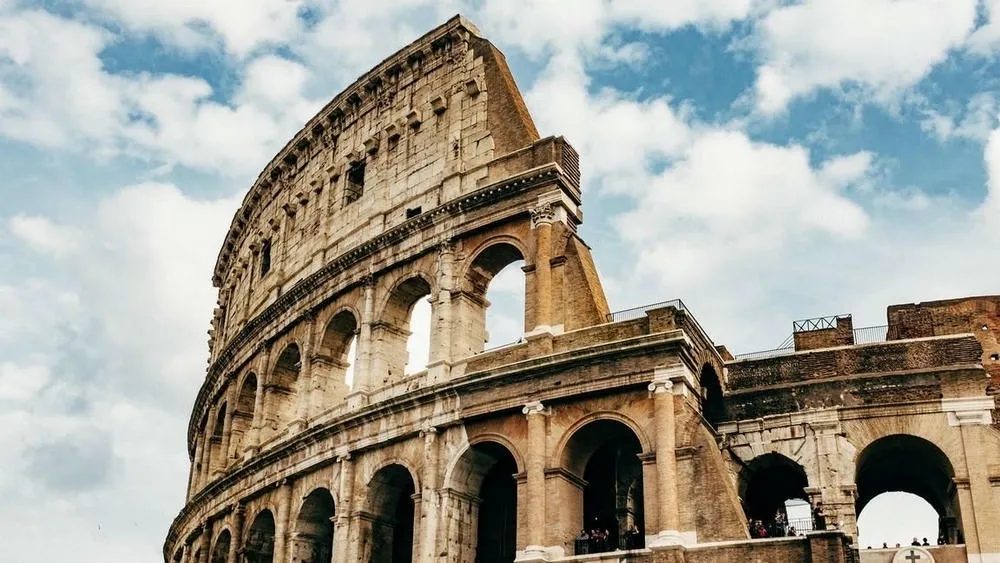
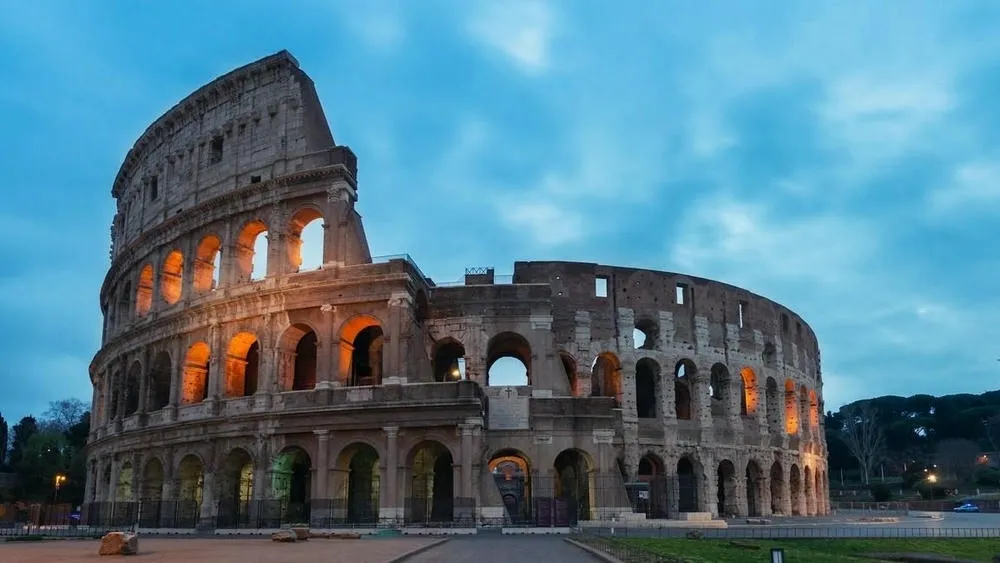
The Colosseum (also known as the Flavian Amphitheatre) is located in the heart of Rome and was built in the 1st century AD. It is one of the most iconic and visited monuments in the world, as well as one of the best examples of classical Roman architecture. With an elliptical and imposing shape, the Colosseum was built mainly with concrete, bricks, and stones. Its main purpose was to serve as an amphitheater for the city, hosting a variety of public spectacles.
The structure of the building is marked by a series of arches and columns that further registered its classical style. The exterior of the Colosseum is composed of three levels of arches, each corresponding to one of the Roman architectural orders. The first level features robust Doric columns, the second level is composed of more ornate Ionic columns, and the third level displays Corinthian columns, the most decorative of the three orders.
In addition to its impressive structure, the Colosseum was designed with the concern of accommodating a large number of spectators. With a capacity for approximately 50,000 people, the amphitheater had a complex network of corridors, stairs, and passages to facilitate public circulation.
Although the Colosseum has suffered damage over the centuries, its sturdy structure has largely survived. Today, it is considered a symbol of the grandeur and ingenuity of classical Roman architecture, an enduring testament to the architectural legacy left by the Roman Empire. Its preservation and historical value continue to fascinate and inspire visitors from all over the world.
ArchShop is redefining the concept of residential architecture in Brazil, making high-quality projects accessible to everyone. Combining over 20 years of expertise in the construction sector with technological innovation, the company offers a complete digital platform that simplifies and democratizes the process of building the dream home.
We believe that the best ideas arise from the exchange of experiences and the sharing of different perspectives. Open the doors to new opportunities and be part of our blog! If you have an interesting article, an amazing work, a product or service that deserves to be highlighted, contact us.