Baroque architecture is an artistic style that flourished between the 16th and 18th centuries in Europe, reaching its peak during the 17th century. Considered one of the most expressive and ornate movements in art history, the Baroque left a remarkable legacy in architecture, sculpture, painting, and music. In this article, we will explore the history of Baroque architecture in Brazil and around the world, as well as mention the distinctive characteristics of this architectural style.
The Baroque style is an artistic and cultural movement that flourished mainly between the 17th and 18th centuries. It emerged primarily in Europe and spread to various parts of the world, encompassing various forms of expression. In art, the Baroque style is characterized by a grand, dramatic, and ornate approach. It was a reaction to the earlier Renaissance style, which emphasized proportion, harmony, and rationality. In contrast, the Baroque sought to impress and engage the viewer through the intensive use of decorative elements, elaborate details, and a sense of movement.
One of the key characteristics of the Baroque style is the appreciation of the contrast between light and shadow, known as chiaroscuro. This technique is used to create dramatic effects, highlighting certain parts of the work and creating depth. In addition, the Baroque is also characterized by curved forms, dynamic lines, and the incorporation of extravagant ornamental elements, such as arabesques, foliage, and decorative elements inspired by nature.
In Baroque architecture, we can observe the presence of elaborate facades, twisted columns, imposing domes, and the frequent use of decorative elements in gold and silver. In sculptures, movement, expressiveness, and meticulous details are emphasized to create a sense of realism and drama. In painting, the Baroque presents complex compositions, intense use of colors, strong contrasts, and themes often linked to religion and mythology.
History of Baroque architecture
Baroque architecture is an artistic and architectural style that flourished between the 17th and 18th centuries, mainly in Europe. Characterized by its extravagant forms, detailed ornamentation, and dramatic use of light, Baroque architecture had a significant influence on the development of Western art and architecture.
The Baroque period originated in Italy, more specifically in Rome, at the end of the 16th century. It emerged as a response to the Protestant Reformation and the growing power of the Catholic Church, which sought to regain its influence through a grand and emotional architectural style. Baroque architecture was seen as a tool to engage the senses and evoke intense emotions in the faithful.
One of the most distinctive characteristics of Baroque architecture is the exuberant use of curves and counter-curves. The facades of Baroque churches and buildings often feature wavy and asymmetrical lines, which give a sense of movement and dynamism. Baroque architecture is also marked by a profusion of ornamental details, such as sculptures, reliefs, Solomonic columns, elaborate pediments, and intricate balustrades.
The use of light plays a fundamental role in Baroque architecture. Baroque churches are often designed to create a dramatic play of light and shadow, providing a theatrical effect. The wide naves are illuminated by skylights, high windows, and domes with openings that allow natural light to enter. The use of light intensifies the sense of grandeur and spirituality of the architectural spaces.
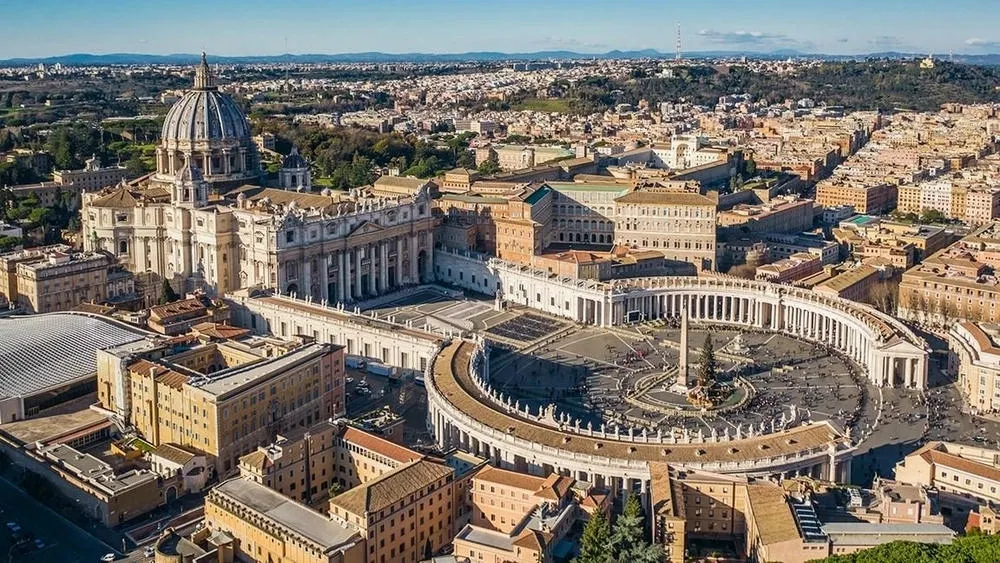
In Italy, the architect Gian Lorenzo Bernini was a central figure in the development of Baroque architecture. He designed St. Peter's Square in the Vatican, considered one of the masterpieces of the style. The square features a series of curved colonnades that extend around a central obelisk, creating a monumental and welcoming space. Bernini was also responsible for the construction of St. Peter's Basilica and the interior decoration of several Roman churches.
In addition to Italy, the Baroque style spread throughout Europe, adapting to the cultural and aesthetic characteristics of each region. In France, for example, the architect Jules Hardouin-Mansart designed the Palace of Versailles, a magnificent example of French Baroque architecture. The palace features an elaborate facade, richly decorated interiors, and impressive formal gardens.
In Spain, Baroque architecture stood out in the construction of cathedrals and churches. The most famous masterpiece is the Basilica of San Francisco el Grande in Madrid, designed by Francisco Sabatini. The basilica's facade is a combination of Baroque and Neoclassical elements, while the interior is richly decorated with frescoes and sculptures.
At the end of the 18th century, Baroque architecture began to lose its popularity as Neoclassical and Rococo architectural styles gained prominence. However, its legacy lives on in many historic buildings and monuments around the world, testifying to the grandeur and lasting impact of Baroque architecture on the history of art and architecture.
Baroque architecture in Brazil
Baroque architecture played a significant role in the history of Brazil, leaving an indelible mark on its cities and monuments. With its exuberant ornamental characteristics and complex construction techniques, the Baroque style arrived in the country through Portuguese colonizers in the 17th century. The presence of Brazilian Baroque is notable in several regions, especially in the historic cities of Minas Gerais, Bahia, Pernambuco, and Rio de Janeiro.
The introduction of Baroque architecture in Brazil was influenced by several factors, including the Portuguese architectural tradition and the influence of religious orders that arrived in the country. Religious architecture played a central role in the development of the Baroque style, as the Catholic Church played a prominent role in Brazilian colonial life.
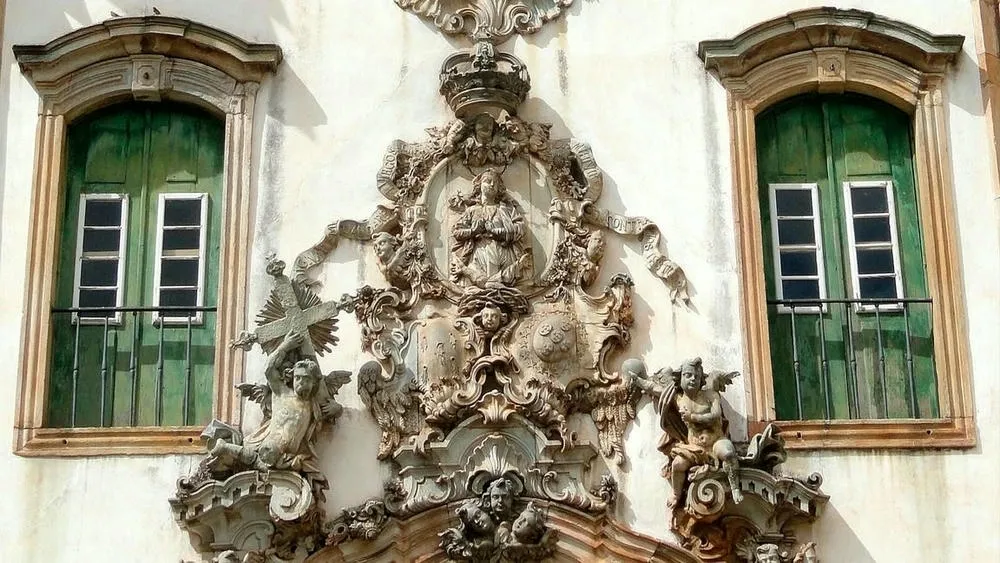
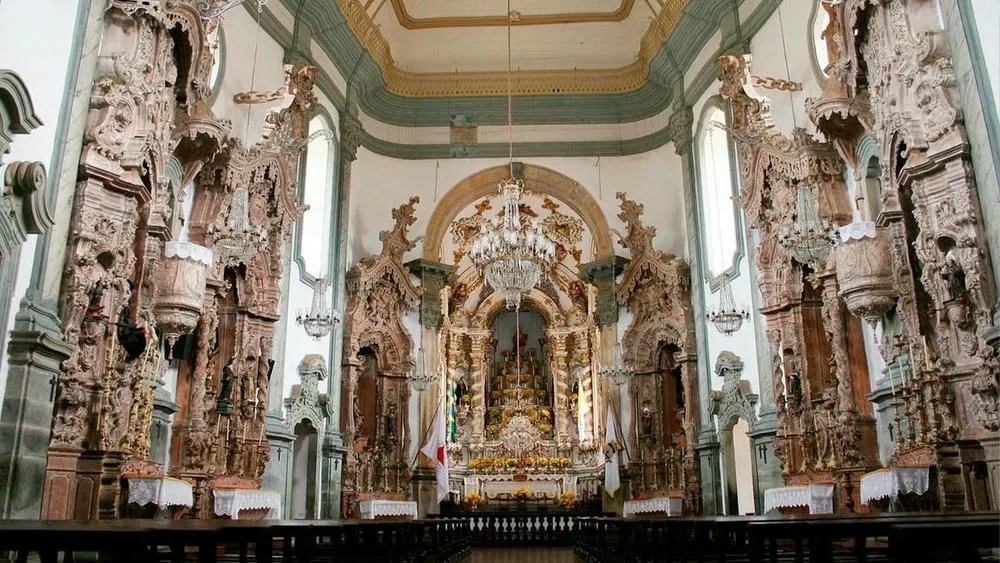
One of the most notable examples of Baroque architecture in Brazil is the city of Ouro Preto, in Minas Gerais. During the gold cycle in the 18th century, the region experienced enormous economic growth, which allowed for the construction of magnificent churches and public buildings. The churches of São Francisco de Assis, Nossa Senhora do Carmo, and the Basilica of Pilar are notable examples of Baroque architecture in Ouro Preto, characterized by elaborate facades, golden carvings, frescoes, and richly decorated altars.
Another important region for Baroque architecture in Brazil is the city of Salvador, in Bahia. The presence of the Baroque style can be seen in churches, such as the Church and Convent of São Francisco, known for its facade adorned with stone sculptures and golden carvings in its interior. In addition, the Pelourinho, the historic district of Salvador, is a notable example of Baroque civil architecture, with its colorful houses and decorated facades.
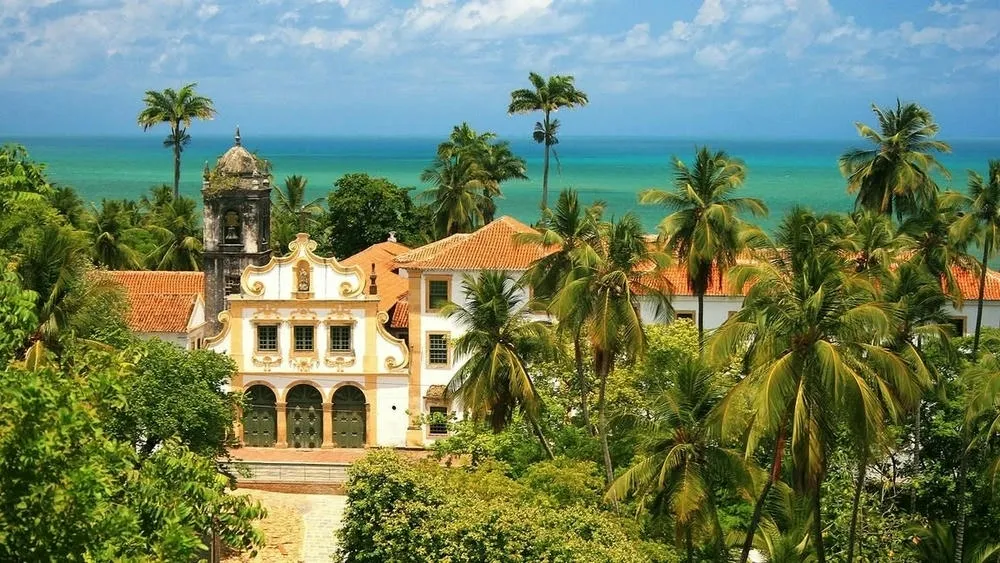
In the northeast of Brazil, in Pernambuco, the city of Olinda stands out, recognized as a World Heritage Site by UNESCO. The city preserves a notable Baroque architectural complex, with churches such as the Sé Church, known for its bell tower and Rococo-style ornaments. In Rio de Janeiro, Baroque architecture is represented by the Candelária Church, one of the oldest in the city, with its richly decorated facade and ornate interior. Baroque architecture in Brazil also developed in other regions, such as in cities like Mariana, São João del-Rei, and Sabará, in Minas Gerais, where the wealth generated by mining allowed for the construction of impressive churches and public buildings.
Over the centuries, Baroque architecture in Brazil was influenced by other styles, such as Rococo and Neoclassicism. However, its ornamental characteristics and the grandeur of its constructions continue to attract the attention and interest of visitors and art history scholars.
Characteristics of Baroque architecture
Baroque architecture is an artistic and architectural style that developed during the Baroque period, between the 16th and 18th centuries. Characterized by exuberance, drama, and elaborate ornamentation, the Baroque aesthetic is recognized by a series of distinct characteristics. Here are some of the main characteristics of Baroque architecture:
Exuberant ornamentation: Baroque architecture is known for its elaborate and detailed ornamentation. Decorative elements such as sculptures, reliefs, carvings, Solomonic columns, and volutes are widely used to create a sense of movement and dynamism.
Drama and theatricality: The Baroque is marked by dramatic and theatrical expression in its constructions. Elements such as curved forms, contrasts of light and shadow, plays of perspective, and optical illusions are used to create an emotionally powerful visual impact.
Use of curves and sinuous lines: Baroque architecture abandons the rigidity and linearity of the Renaissance style in favor of more organic and fluid forms. Curves, counter-curves, and sinuous lines are frequently used, creating a sense of movement and fluidity.
Elaborate pediments and facades: Baroque facades are often decorated with pediments, which are sculpted triangular elements that project above doors or windows. These facades are usually asymmetrical and feature a play of volumes and surfaces.
Use of Solomonic columns: Solomonic columns are a typical feature of Baroque architecture. They are twisted columns that resemble an intertwined rope. These columns are used to create a sense of movement and dynamism in the constructions.
Golden details: The use of golden details is common in Baroque architecture, giving a sense of luxury and opulence to the buildings. Gold leaf is often applied to sculptures, ornaments, and architectural details.
Plays of light and shadow: Light is a fundamental element in Baroque architecture. Baroque architects explore contrasts between light and shadow, using architectural elements to create dramatic effects and highlight ornamental details.
Centralized plan: In many Baroque buildings, the plan is organized around a central point, creating a sense of symmetry and balance. Domes and vaults are also frequently used to emphasize this centrality.
These are just some of the most striking characteristics of Baroque architecture. We emphasize that the Baroque style can vary according to the region and historical period, presenting regional variations and local influences.
Example of Baroque architecture
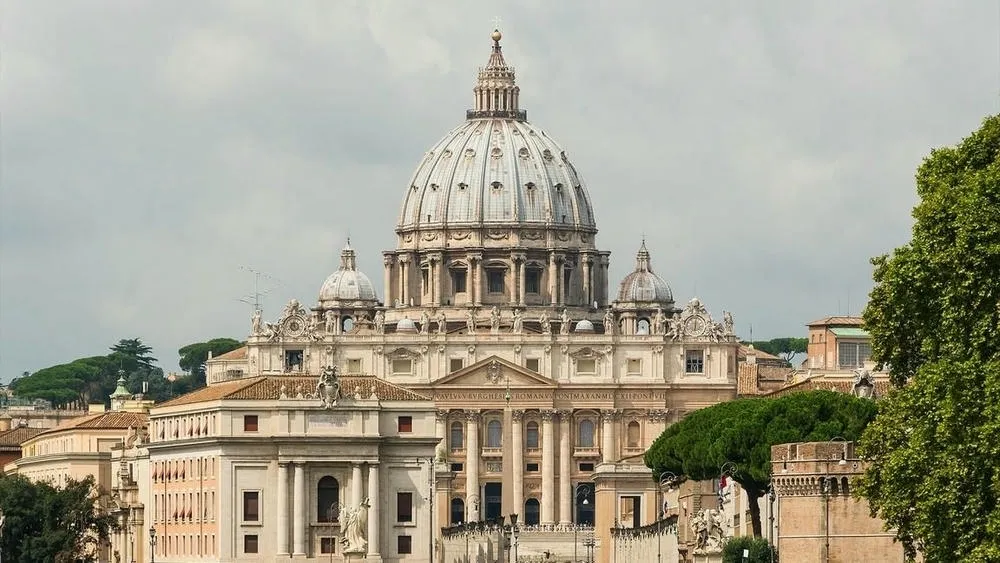
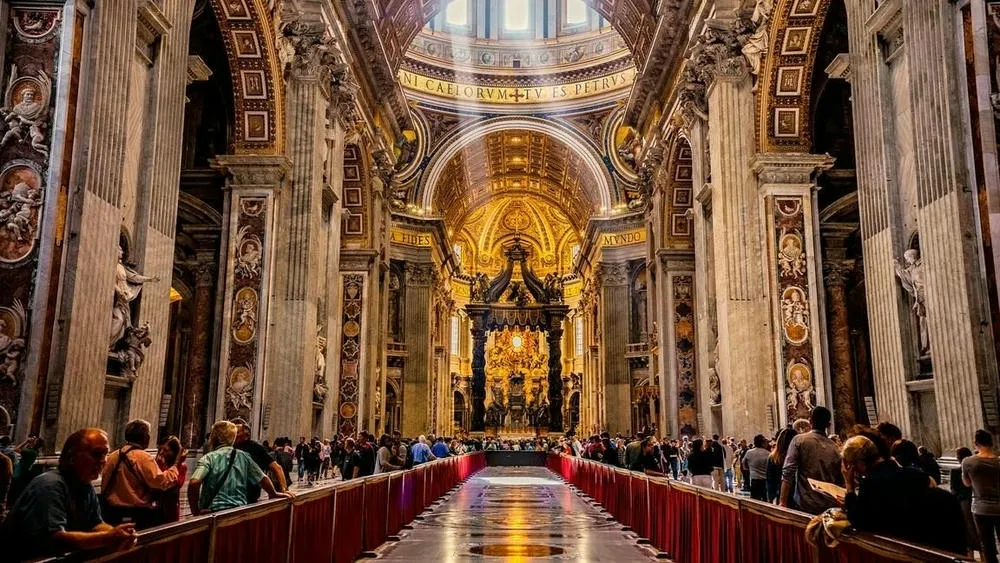
St. Peter's Basilica, located in the Vatican, in the city of Rome, is one of the most notable and impressive examples of Baroque architecture in the world. Designed by renowned architects such as Michelangelo, Carlo Maderno, and Gian Lorenzo Bernini, the basilica is a masterpiece that combines architectural grandeur, artistic skill, and religious significance.
The project of St. Peter's Basilica was commissioned by Pope Julius II in the early 16th century, with the intention of replacing an old church that had been built on the traditional site of St. Peter's tomb. The construction work began in 1506 and took several decades to complete.
The facade of the basilica features a mix of styles, with influences from the Renaissance and the Baroque. The main facade, designed by Carlo Maderno, is marked by a large portico with Corinthian columns, triangular pediments, and statues of saints. Its appearance is imposing and symbolizes the grandeur of the Catholic Church.
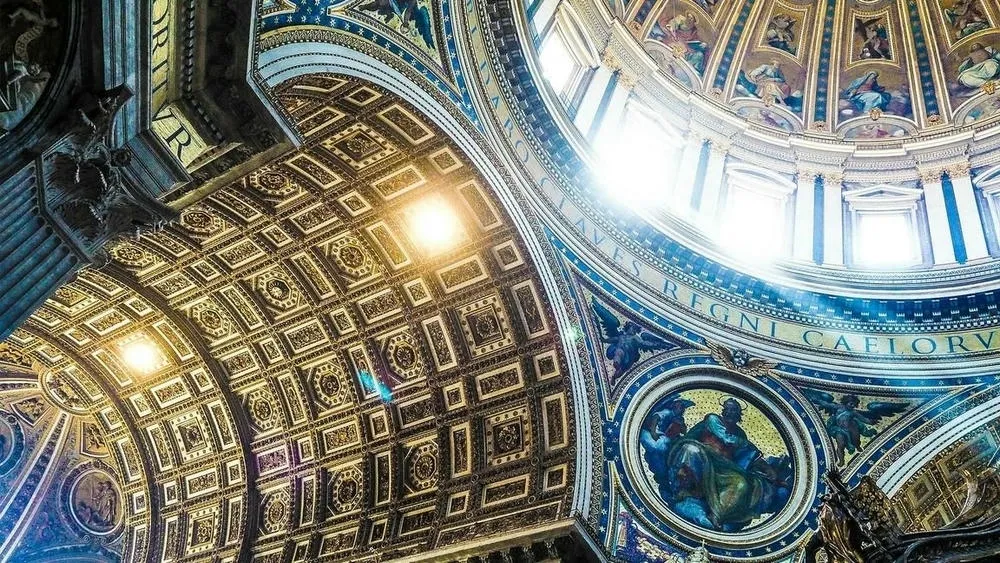
Inside the basilica, visitors are greeted by an impressive succession of large and ornate spaces. The naves are divided by gigantic columns that support a majestic vault. The architectural details are richly decorated, with frescoes, statues, mosaics, and stained glass windows that depict biblical scenes and venerated saints.
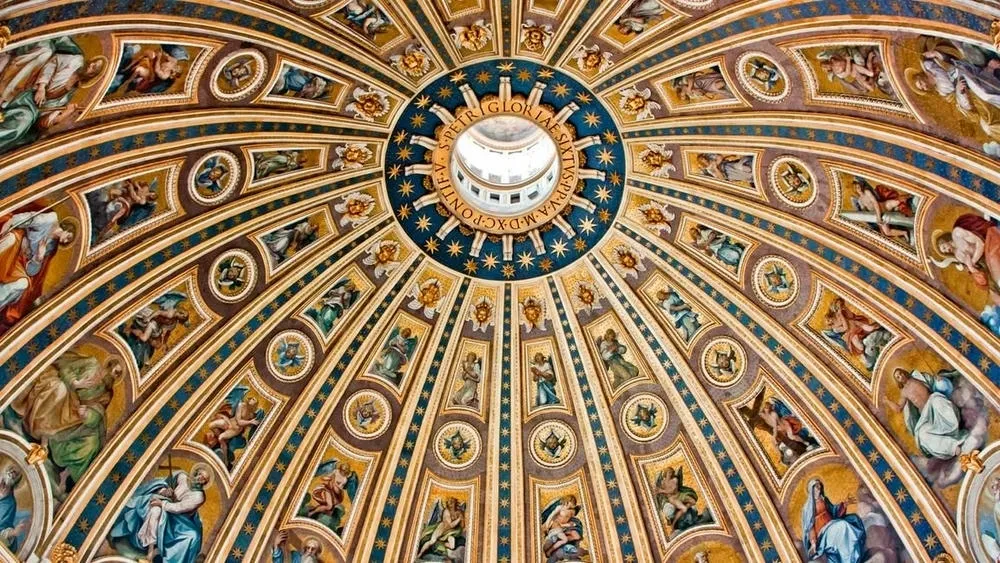
One of the highlights of the basilica is St. Peter's Dome, designed by Michelangelo and completed by Giacomo della Porta and Domenico Fontana. The dome is one of the largest in the world and dominates the Rome skyline. Its interior is covered with gold mosaics and offers a spectacular panoramic view of the city.
Another notable aspect of the basilica is St. Peter's Square, designed by Gian Lorenzo Bernini. The square has an imposing colonnade composed of four rows of Corinthian columns that form a symbolic embrace to the faithful who arrive. In the center of the square, there is an ancient Egyptian obelisk, which was brought to Rome and placed there as a symbol of the Christian faith.
The aesthetic of St. Peter's Basilica is characterized by the grandeur, exuberance, and theatricality typical of the Baroque style. The use of curved forms, ornate details, and the combination of different artistic elements contribute to creating a sense of splendor and magnificence. The intention was to involve visitors in an emotional and spiritually intense experience.
St. Peter's Basilica continues to be one of the most visited and revered destinations in the world, both for its religious importance and for its artistic and historical value. Its Baroque design and aesthetic establish a significant milestone in the history of architecture and continue to inspire admirers and scholars to this day.
ArchShop is redefining the concept of residential architecture in Brazil, making high-quality projects accessible to everyone. Combining over 20 years of expertise in the construction sector with technological innovation, the company offers a complete digital platform that simplifies and democratizes the process of building the dream home.
We believe that the best ideas arise from the exchange of experiences and the sharing of different perspectives. Open the doors to new opportunities and be part of our blog! If you have an interesting article, an amazing work, a product or service that deserves to be highlighted, contact us.