The National Historical Heritage Day originated in Brazil through Decree-Law No. 25, of November 30, 1937, which created the National Historical and Artistic Heritage Service (SPHAN), now known as the National Historical and Artistic Heritage Institute (IPHAN). This institution was responsible for promoting the protection and appreciation of the country's cultural assets. The preservation of historical heritage is fundamental to understanding the identity and culture of a people. Historical assets are material testimonies of the past, connecting us to the roots and evolution of a society over time. By protecting and conserving this heritage, we ensure that future generations can appreciate and learn from Brazil's history. Next, we will present 10 notable examples of Brazilian historical heritage:
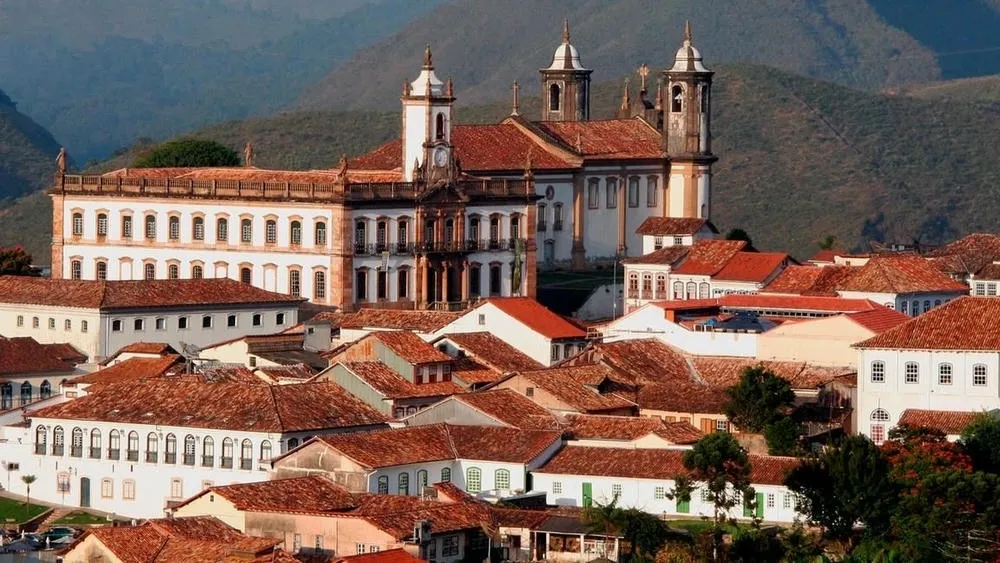
Located in the state of Minas Gerais, the city of Ouro Preto is a true historical gem of Brazil. Founded in the 17th century during the height of the gold rush, its cobblestone streets and colonial mansions preserve the architecture and charm of the Colonial Brazil era. Ouro Preto is also the birthplace of important artists and historical figures, such as Aleijadinho and Tiradentes, making it a living icon of our cultural heritage. In 1933, it was recognized as a national heritage by IPHAN, ensuring its preservation for future generations.
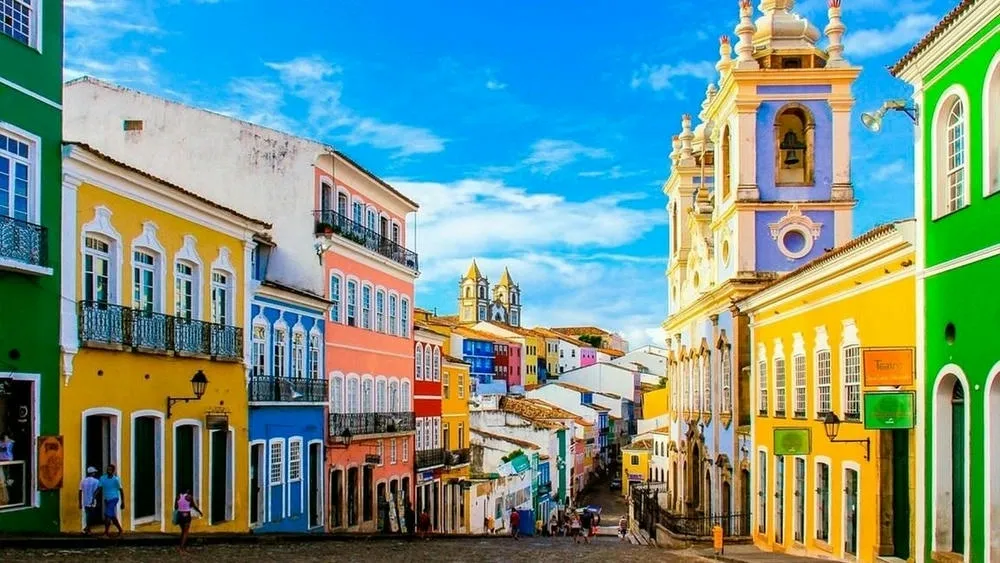
2. Pelourinho, Bahia
Salvador, the first capital of Brazil, is home to one of the richest and most diverse architectural ensembles in the country. The Historic Center, also known as Pelourinho, is famous for its colorful colonial houses, baroque churches, and charming squares. In addition, the African influence on the city's culture, cuisine, and music is evident, making it not only a historical site but also a culturally significant one. In 1985, the Historic Center of Salvador was declared a World Heritage Site by UNESCO and, since 1986, it has been recognized as a national heritage by IPHAN, highlighting its relevance to Brazilian history and identity.
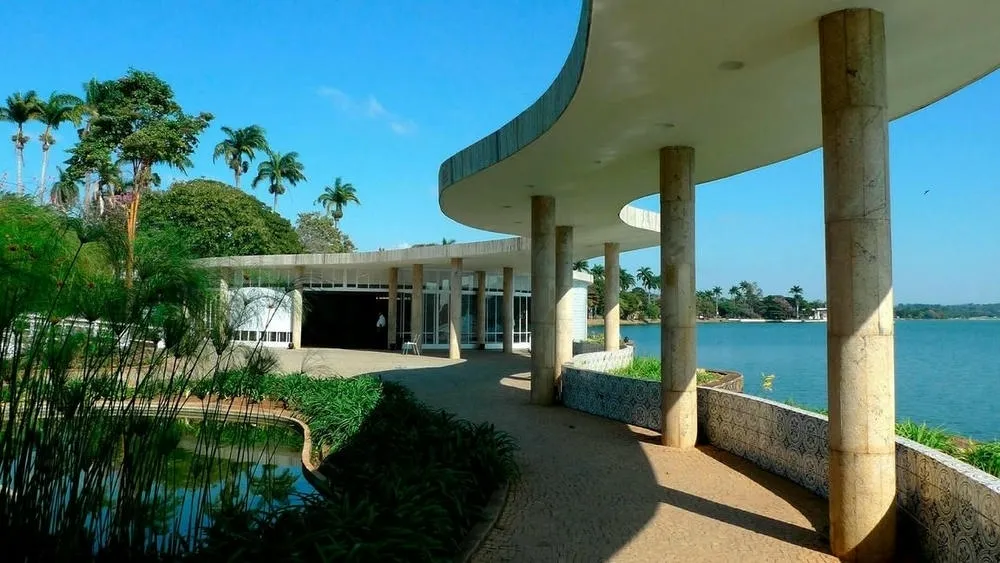
3. Pampulha Architectural Complex, Minas Gerais
Designed by the renowned Brazilian architect Oscar Niemeyer in the 1940s, the Pampulha Architectural Complex is a remarkable expression of modern architecture in Brazil. Located in Belo Horizonte, Minas Gerais, the complex is composed of 4 emblematic buildings: the Church of São Francisco de Assis, the Casino (now the Pampulha Art Museum), the Casa do Baile, and the Iate Tênis Clube. In addition to its architectural value, Pampulha also represents an important milestone in Brazilian cultural history, as it brought together artists and intellectuals of the time. In 2016, the complex was recognized as a world cultural heritage site by UNESCO and, since 2017, it has been considered a national heritage by IPHAN.
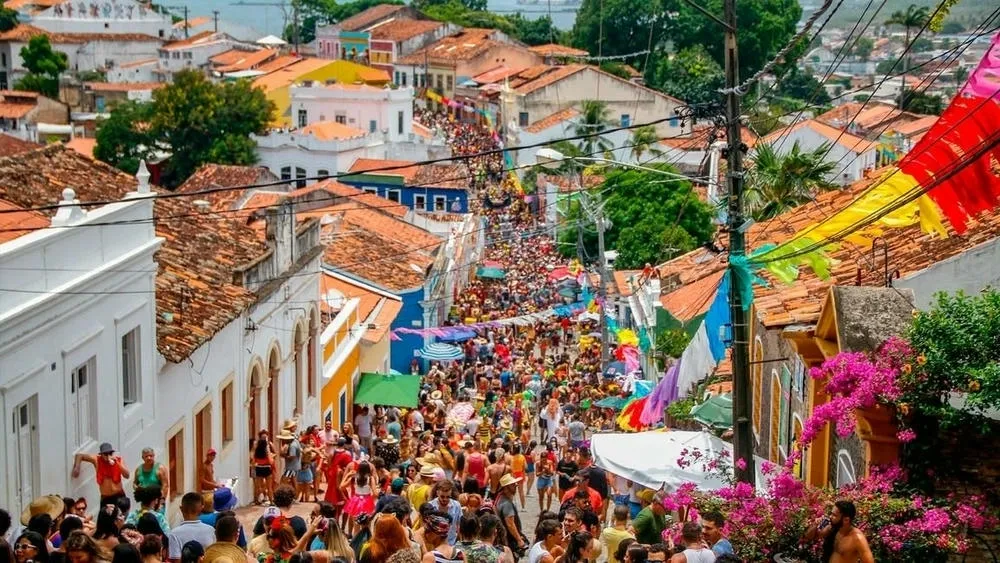
4. Historic Center of Olinda, Pernambuco
Charming and picturesque, Olinda is a city that breathes history and culture. Its historic center is a true architectural treasure, with cobblestone streets, colorful mansions, and baroque churches dating back to colonial times. Founded by the Portuguese in 1535, the city was the stage for important historical moments, including resistance against Dutch invasions. In 1982, UNESCO recognized the value of this heritage and declared the Historic Center of Olinda a World Heritage Site. Nationally, IPHAN also recognizes its importance, registering it as a national heritage since 2000, to preserve and perpetuate the cultural and historical richness of the city.
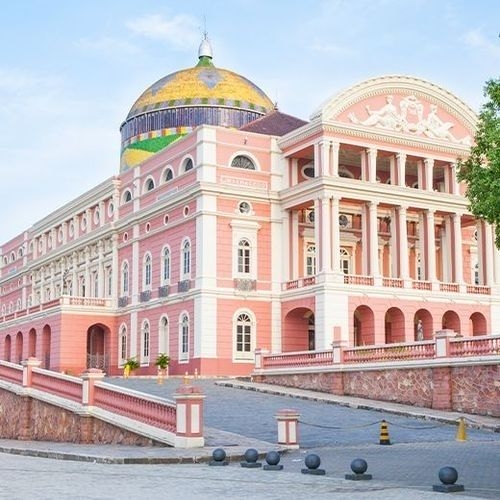
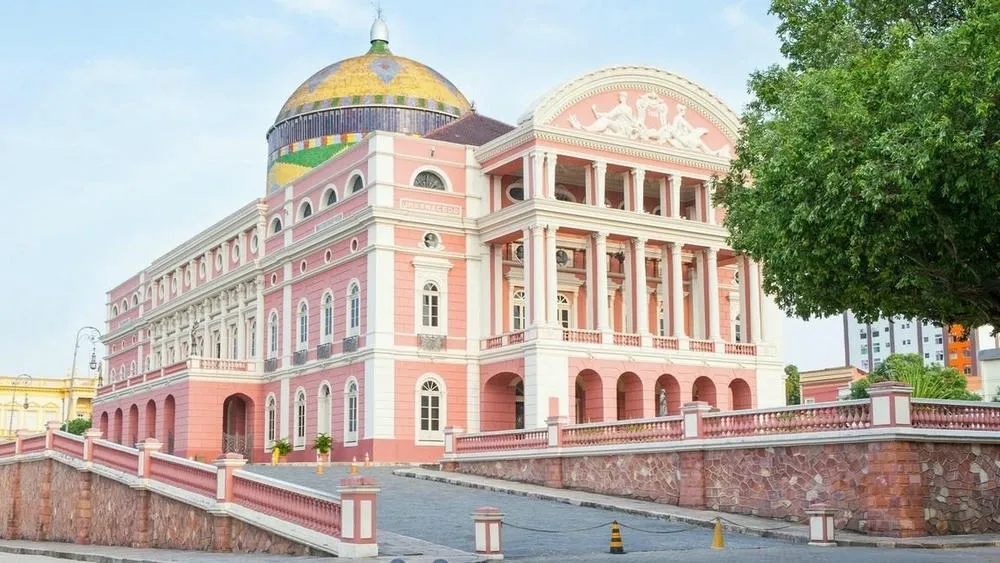
5. Amazon Theatre, Amazonas
Located in the city of Manaus, the Amazon Theatre is a true gem of Brazilian architecture and culture. Inaugurated in 1896, during the golden age of rubber in the Amazon region, the theater was built with materials brought from various parts of the world, which gives it a unique and exuberant beauty. With an architectural style inspired by the Renaissance and the Belle Époque, the Amazon Theatre is a landmark of Brazil's era of economic prosperity. In 1966, the theater was listed by IPHAN, officially becoming a national heritage. Its grandeur and cultural richness attract visitors from all over the world, making it a reference not only for the Amazon region but for the entire country.
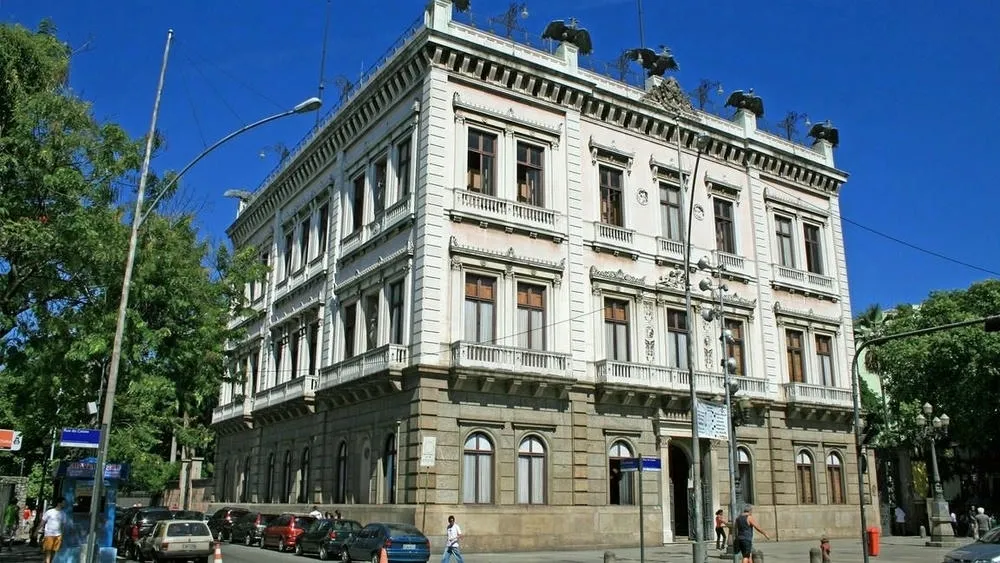
6. Catete Palace, Rio de Janeiro
Former seat of the Brazilian government, the Catete Palace is located in the city of Rio de Janeiro. Built in the late 19th century, the palace was the stage for significant moments in the country's history, such as the proclamation of the Republic in 1889. It was the seat of the Presidency of the Republic until 1960, when the capital was transferred to Brasília. The Catete Palace witnessed important political decisions and social transformations in Brazil over the years. In 1967, the building was transformed into a museum, housing the Museum of the Republic, which preserves the country's republican history. In 1984, IPHAN declared the Catete Palace a national heritage, ensuring its conservation and allowing visitors from all over the world to delve into the political and social history of Brazil.
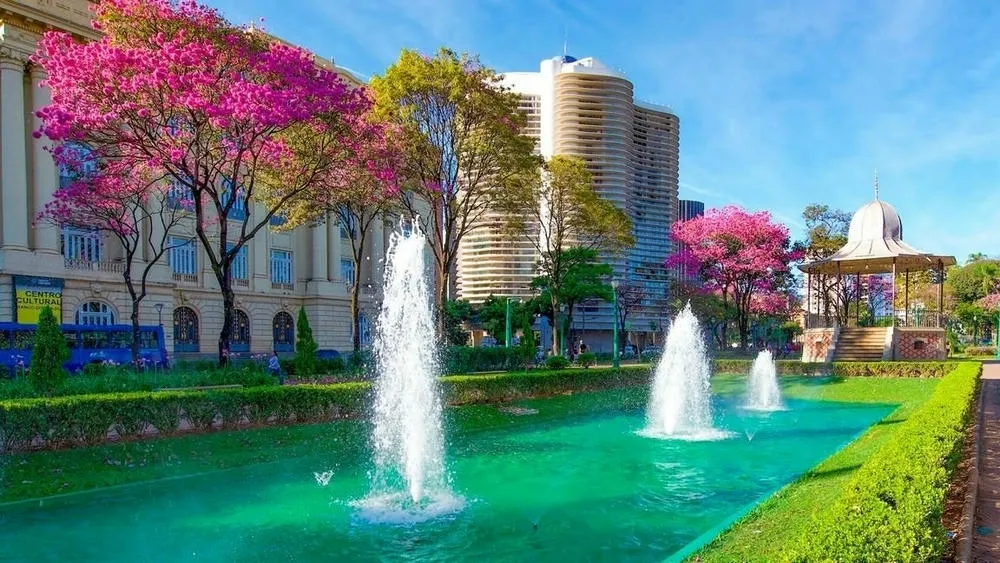
7. Praça da Liberdade, Minas Gerais
Located in the state capital, Belo Horizonte, Praça da Liberdade is a historical and cultural symbol of Minas Gerais. Inaugurated in 1897, the square was originally designed to house the State Government Palace. Over the years, it became the center of the state's main political and social demonstrations. The architectural complex around the square is composed of several public buildings of historical importance, such as the State Secretariat of Education and the Palace of Liberty. The predominant style is neoclassical, with influences from other architectural styles. In 2010, Praça da Liberdade was listed as a cultural heritage site by IPHAN, preserving its historical richness and allowing visitors to appreciate the history and architectural beauty of this important urban area.
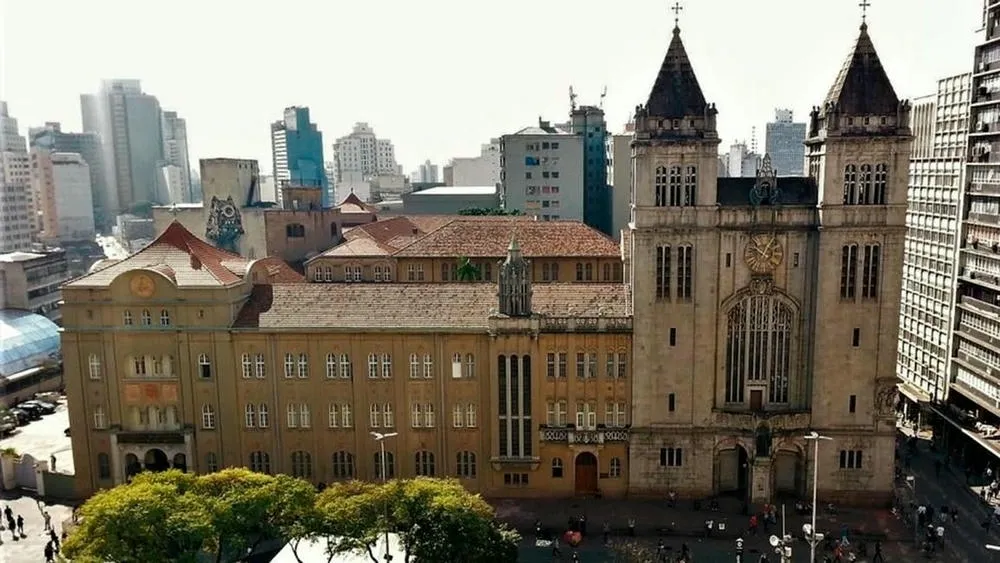
8. São Bento Monastery, São Paulo
Located in the heart of São Paulo, the São Bento Monastery is one of the most important religious buildings in Brazil. Founded in 1598, the monastery is a landmark of the Benedictine presence in the country and a remarkable example of Brazilian colonial architecture. The monastery's church features an exuberant baroque style, with richly crafted altars and ornaments. In addition to its architectural beauty, the São Bento Monastery also played a fundamental role in the cultural and educational history of Brazil, being the birthplace of several intellectuals and artists. In 2007, IPHAN recognized its historical and cultural importance, listing the São Bento Monastery as a national heritage, thus ensuring its preservation for future generations and allowing visitors to appreciate the spirituality and artistic richness of this important monument.
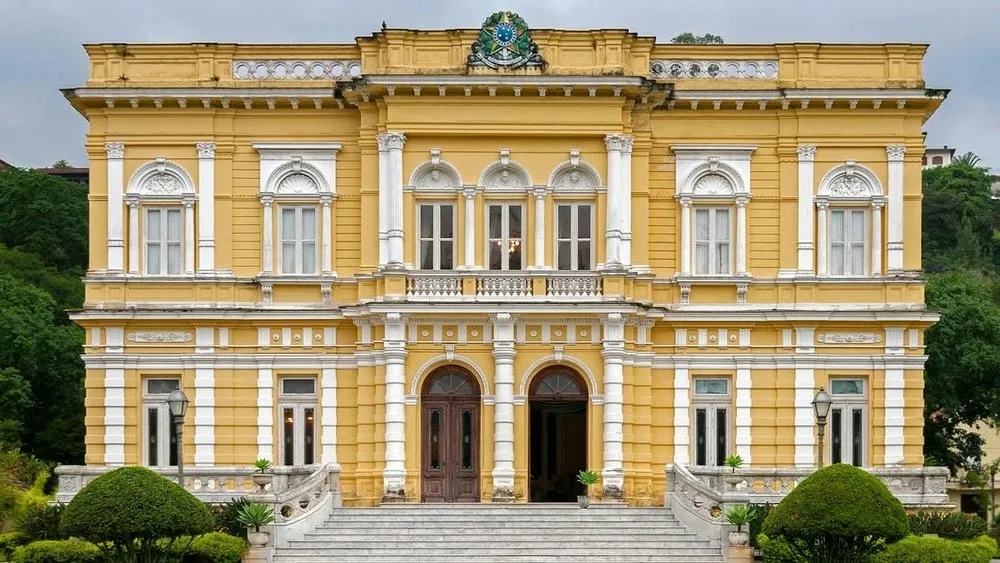
9. Rio Negro Palace, Rio de Janeiro
Located in Petrópolis, a mountain city in the state of Rio de Janeiro, the Rio Negro Palace is a magnificent example of eclectic Brazilian architecture. Built in 1889, it initially served as the summer residence of the Baron of Rio Negro. Later, the palace was acquired by the Brazilian government and served as the official summer residence of the Presidents of the Republic. The building combines architectural elements of different styles, including neoclassical and gothic, and is surrounded by beautiful gardens. The palace witnessed important political and social events in Brazil over the years. In 1979, it was listed by IPHAN as a national heritage, recognizing its historical and cultural importance and ensuring the preservation of this emblematic palace for future generations.
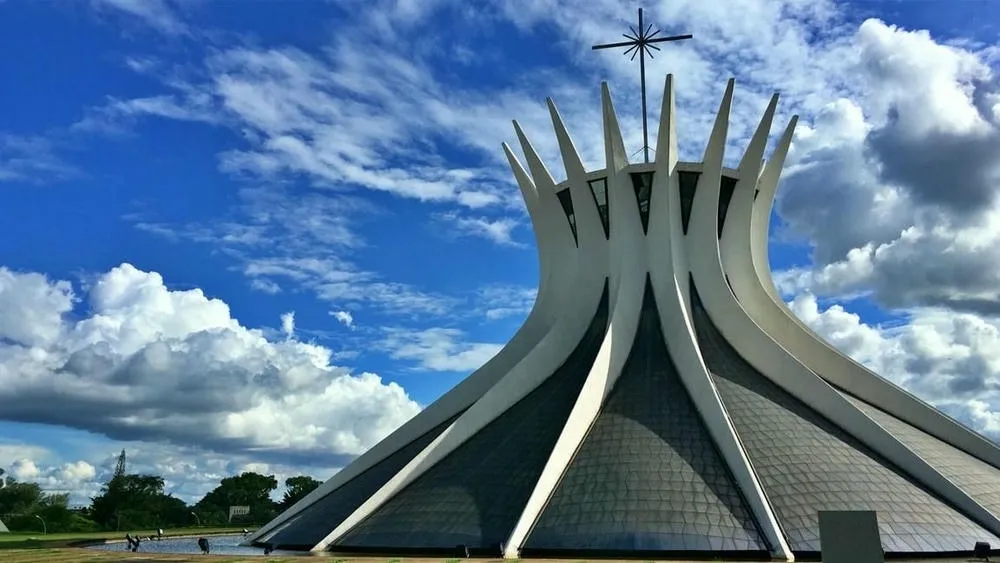
10. Metropolitan Cathedral of Our Lady of Aparecida, Brasília
Designed by architect Oscar Niemeyer, the Metropolitan Cathedral of Our Lady of Aparecida is one of the most iconic works of the Brazilian capital, Brasília. Inaugurated in 1970, the cathedral features a modern and unique architecture, with 16 curved columns that join in a glass structure, forming a spacious and illuminated interior. Its shape resembles a crown and is a tribute to the patron saint of Brazil, Our Lady of Aparecida. In addition to its architectural beauty, the cathedral is also an important space for religious celebrations and cultural events. In 1990, the Metropolitan Cathedral was listed by IPHAN as a national heritage, recognizing its importance as a symbol of modern Brazilian architecture and the religious faith of the Brazilian people.
ArchShop is redefining the concept of residential architecture in Brazil, making high-quality projects accessible to everyone. Combining over 20 years of expertise in the construction sector with technological innovation, the company offers a complete digital platform that simplifies and democratizes the process of building the dream home.
We believe that the best ideas arise from the exchange of experiences and the sharing of different perspectives. Open the doors to new opportunities and be part of our blog! If you have an interesting article, an amazing work, a product or service that deserves to be highlighted, contact us.