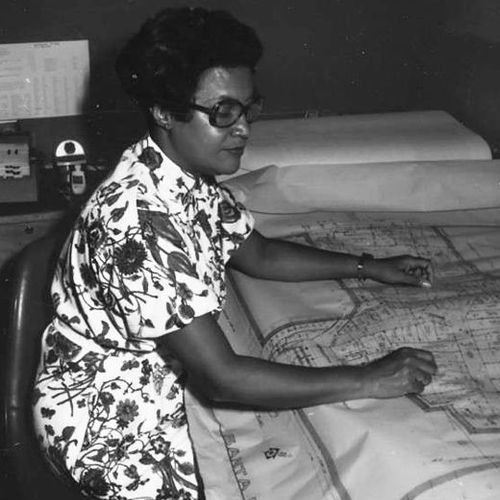
The contribution of women in the history of architecture is vast and significant, yet often overlooked and underestimated. Recent initiatives have been dedicated to valuing the work of these professionals and promoting gender equality in the field of architecture and urbanism. An important milestone in this journey was the approval, in 2020, of the National Day of Women Architects and Urban Planners, celebrated on July 31st.
This date is more than just a reason for celebration; it represents a step in promoting gender equality. The establishment of the Day of Women Architects and Urban Planners by the CAU provides an opportunity to reflect on the actions and policies needed for equality between women and men in the field. According to data from SICCAU, women represent 64% of professionals in architecture, while men account for 36%. It is important to note that in all Brazilian states, women architects are the majority. However, the research revealed numerous inequalities that still exist between male and female architects.
In this article, which we will divide into 2 parts, we will highlight the work and legacy of 15 notable women in the history of architecture. Pioneers of their time, they overcame social obstacles and left an undeniable mark on the architectural field. In this second part, we will cover 8 international names of important women in the history of architecture. It is important to note that many women architects have been erased from history, and therefore little is known about them. In addition to the 8 notable names we present here, we also remember the many others who contributed to architecture over the past decades, whether known or not.
Elizabeth Wilbraham (1632–1705) came from a privileged English family and stood out for challenging the social norms of her time. In a period when it was practically impossible for women to pursue a professional career in architecture, Wilbraham carved her own path. Today, she is considered by many to be the first woman architect in the history of the United Kingdom - and perhaps the world. Her journey began at the age of 19, when she embarked on a honeymoon trip through Europe with her husband. Driven by her passion for architecture, she transformed this trip into an extensive architectural exploration, meeting influential figures like Pieter Post and studying the works of Andrea Palladio.
Despite the lack of concrete evidence directly linking her to architectural projects, research points to her undeniable interest in the field. It is believed that she practiced architecture secretly, using male architectural assistants to supervise her projects and receive credit for them. Even with the social limitations imposed on women of the time, Wilbraham became a patron of 17th-century architecture. Historians speculate her involvement in numerous projects, mainly for her family's mansions. Other theories suggest she was an important mentor to Christopher Wren, one of England's most acclaimed architects. She is also credited with contributing to the design of a large number of churches commissioned after the Great Fire of London in 1666.
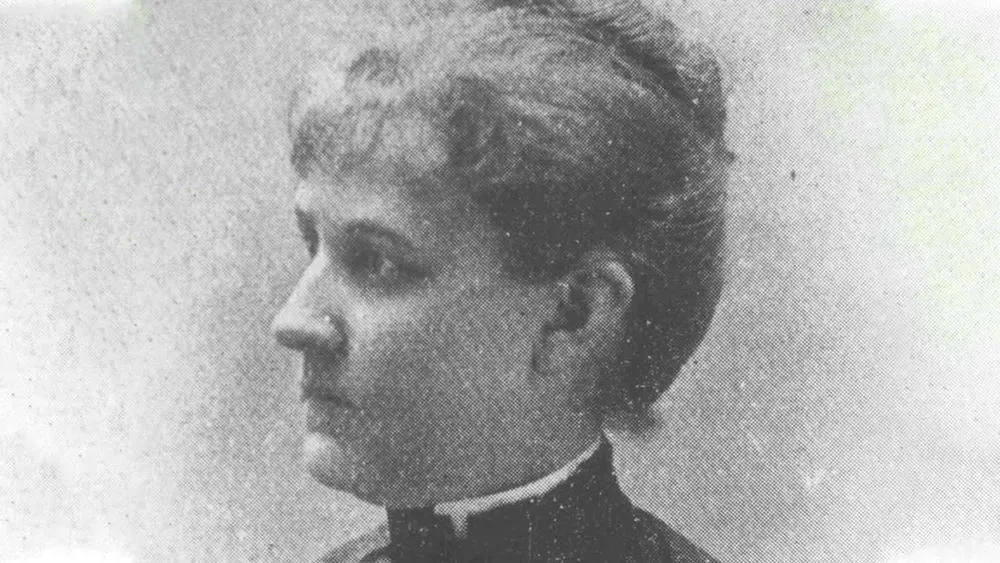
Louise Blanchard Bethune
Louise Blanchard Bethune (1856–1913) was a pioneering figure in the world of architecture and left her mark in the late 19th century. Her journey began in Buffalo, New York, where she worked as a draftswoman for the architectural firm of Richard A. Waite. Through her exceptional talent and dedication to her work, Bethune was promoted to the firm's lead designer, a position previously dominated by men. She broke another barrier in 1881 by becoming the first woman to be officially recognized as a professional architect, being admitted to the Western Association of Architects.
Bethune's architectural contributions spanned a wide range of projects, including commercial buildings, educational institutions, and public spaces. She embraced the emerging Beaux-Arts style and incorporated elements of neoclassical design into her work. Notable examples of her projects include the Hotel Lafayette and the Alling & Cory Company building, both iconic landmarks in Buffalo. Her legacy as a pioneer in the field brought achievements beyond her professional success. She co-founded the Buffalo Society of Architects and became an active advocate for women's rights, particularly in the professional sphere. Bethune's leadership and determination paved the way for future generations of women architects, inspiring them to follow their passions and break down barriers in the world of architecture.
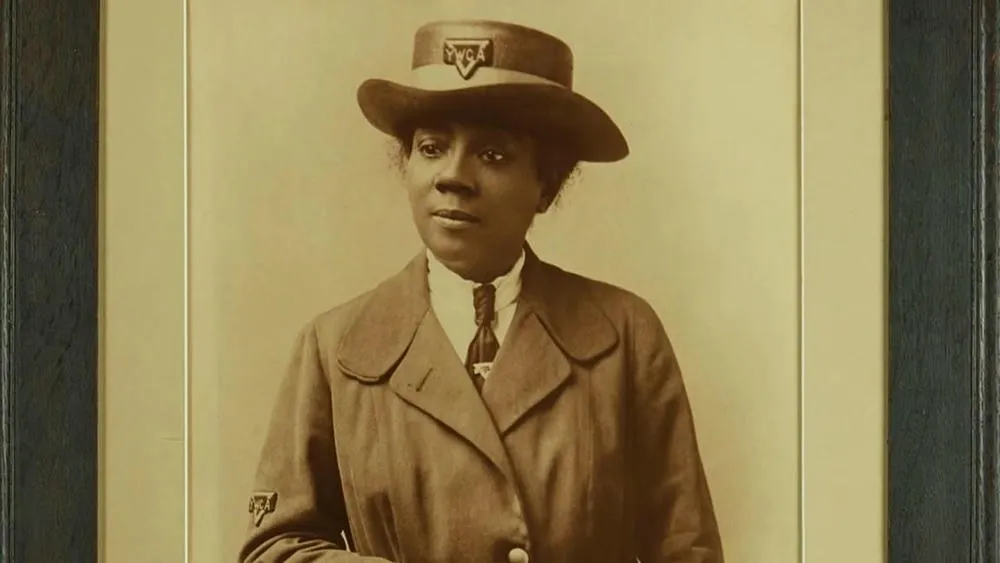
Elizabeth Carter Brooks
Elizabeth Carter Brooks (1867–1951) was an American architect, educator, and social activist. She played a crucial role in advocating for the rights of the Black community and in preserving historic buildings in the United States. A pioneer in her field, she stood out in her time as one of the few Black women considered both an architect and a patron of architecture.
Brooks had a deep passion for education and worked tirelessly to uplift her community. She believed in the power of education as a tool for empowerment and dedicated her efforts to ensuring that Black people had access to quality education and opportunities for personal growth. In 1901, she became the first Black woman hired as a teacher in a public school in the United States. Her commitment to education went hand in hand with her architectural activities.
Recognizing the importance of preserving historic buildings, Brooks actively contributed to the preservation movement. She understood the cultural and historical value of these structures and played a vital role in raising awareness and advocating for their protection. Through her work, she helped shape the understanding of the importance of American architectural heritage. In 1957, she was honored by the city of New Bedford, where she taught for over 25 years, with a school named in her honor.
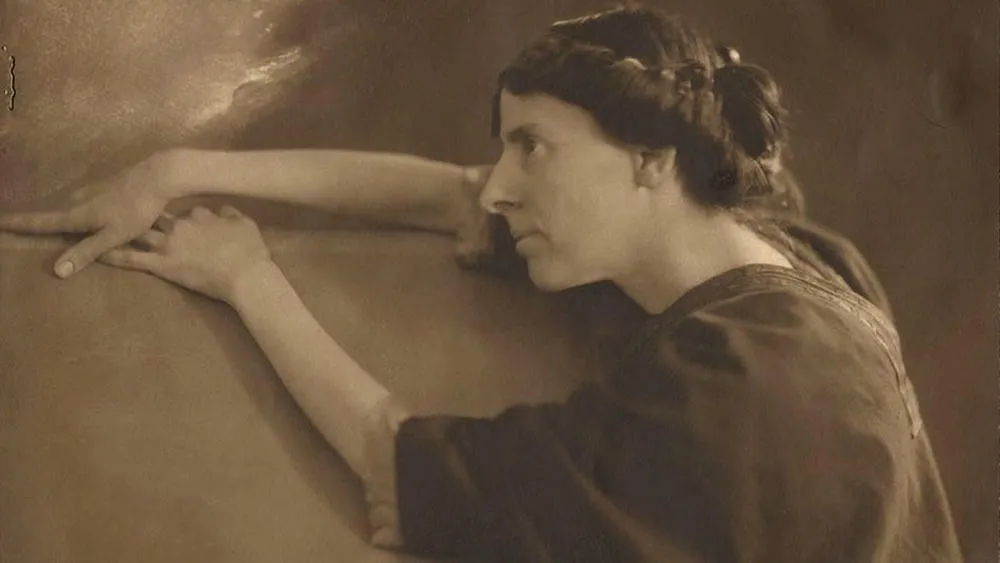
Marion Mahony Griffin
Marion Mahony Griffin (1871–1961) was an American artist and a pioneering figure in the world of architecture. As one of the first licensed female architects in the world, she made significant contributions to the renowned Prairie School movement, which emphasized nature, craftsmanship, and simplicity. In collaboration with Frank Lloyd Wright, she played a crucial role in shaping the movement's principles, which integrated a more organic design into architecture. Her artistic renderings and illustrations brought Wright's visionary ideas to life.
Griffin's architectural projects were characterized by a harmonious blend of aesthetics and functionality, demonstrating her deep respect for the natural environment. Her designs included residences, public buildings, and landscape plans that reflected the principles of the Prairie School. Beyond architecture, Griffin's evocative illustrations and drawings captured the essence of the movement's design philosophy. Her pioneering achievements broke gender barriers and paved the way for other women in architecture, establishing a lasting and significant legacy.
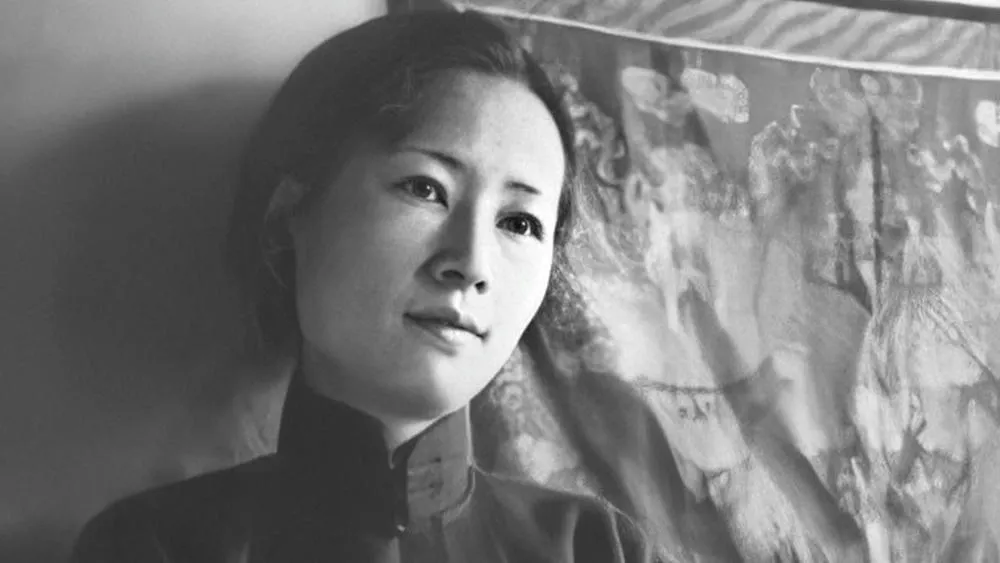
Lin Huiyin
Lin Huiyin (1904–1955) was a Chinese architect, professor, and writer who played a key role in shaping modern Chinese architecture. In a period when women's rights to education were limited, Lin Huiyin benefited from her family's social and economic privileges to pursue her academic training abroad. She became the first Chinese woman to obtain a degree from the University of Pennsylvania in the United States. Although she wished to study architecture, she was refused because she was a woman, so she enrolled in the institution's School of Fine Arts. Her formal studies in architecture would come later, when she enrolled in individual classes in the discipline.
Lin Huiyin met her husband, Liang Sicheng, while studying architecture in college. He would later be known as the “father of modern Chinese architecture,” and together they would work as architects, teachers, and restorers of Chinese cultural buildings. Lin Huiyin was a major advocate for the country's cultural and historical heritage and would dedicate her studies and work in this field until her death. In 1936, she and her husband climbed the roof of the Temple of Heaven to obtain records of ancient Chinese architecture (she became the first woman to attempt the emperor's roof walk). In 1937, during one of her explorations, Lin Huiyin discovered the main hall of the Foguang Temple, the only remaining wooden structure from the Tang dynasty.
Lin Huiyin's commitment to preserving cultural heritage was remarkable. She recognized the importance of protecting historical sites and played an active role in the restoration and conservation of ancient Chinese architecture. Her efforts helped raise awareness about the importance of architectural preservation and laid the groundwork for future endeavors in this area. Lin Huiyin is considered the first woman architect of modern China. The artist and also architect Maya Lin is her niece.
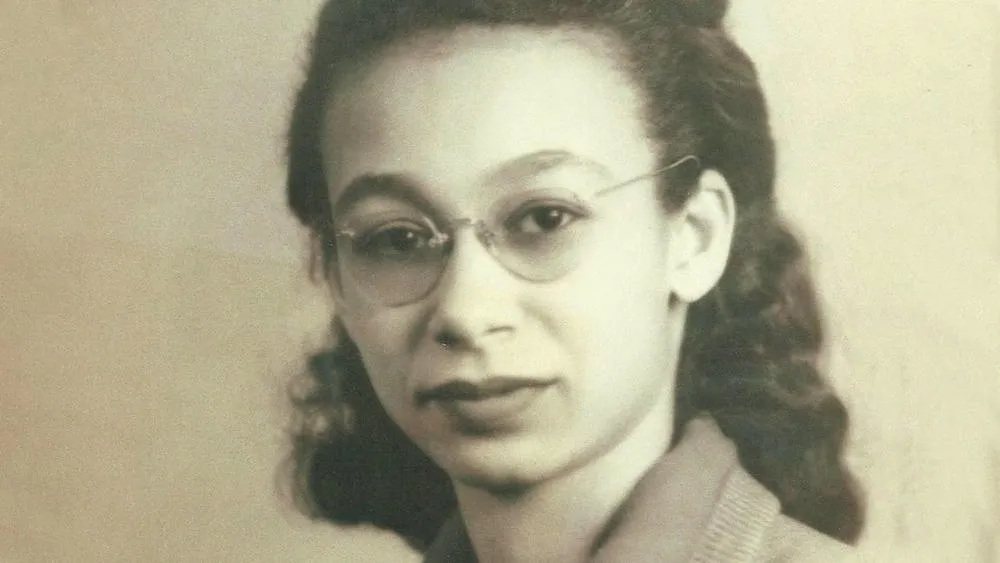
Georgia Louise Harris Brown
Georgia Louise Harris Brown (1918–1999) was a pioneering American architect who made history for Black people in the United States. Showing a natural aptitude for art and mechanics from an early age, she was encouraged by her parents to seek a quality education. She moved to Chicago in 1938, where she enrolled in a summer course at the Illinois Institute of Technology. The course was taught by the renowned architect Mies van der Rohe, who would later become a colleague. In 1940, she entered the University of Kansas, beginning her journey in architecture. She made history at the institution by becoming the first Black woman to obtain a degree in architecture, graduating in 1944.
Facing the racist and sexist obstacles of her time, Brown also became the second Black woman with a professional license for architecture in the United States. She worked for several prominent firms in Chicago and contributed to significant projects, such as the 860–880 Lake Shore Drive apartments. In search of greater opportunities and racial equality, she moved to Brazil in 1954, where she continued her architectural practice. Here, she had the opportunity to work on notable projects with a lasting impact, from multinational companies and industries to residential houses for wealthy clients. But Brown's contributions to architecture go beyond her professional achievements. She was responsible for breaking racial and gender barriers, paving the way for future generations of Black architects.
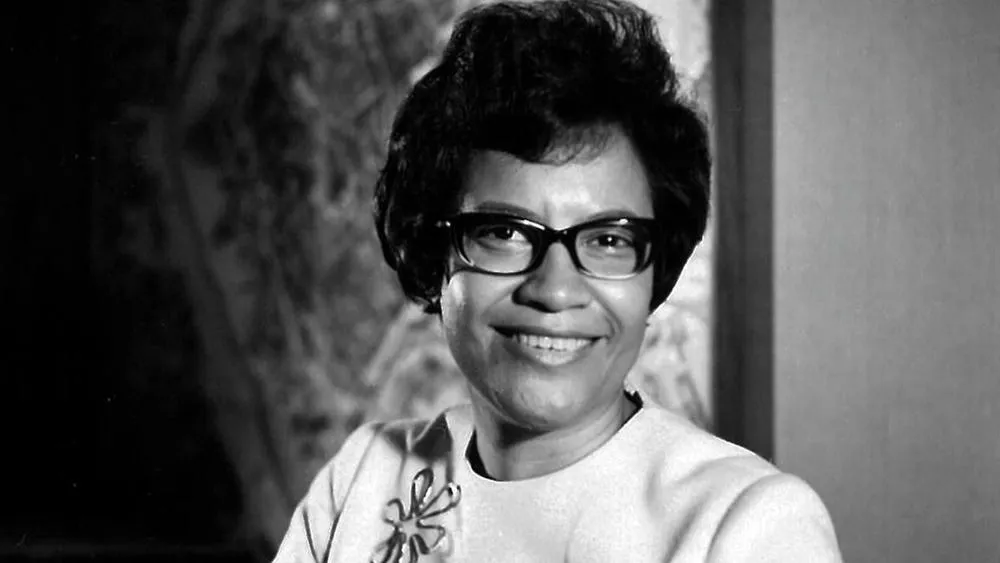
Norma Merrick Sklarek
Norma Merrick Sklarek (1926–2012) was an award-winning American architect and a pioneer in Black history in the United States. Born in Harlem, she showed academic excellence in arts and sciences from a young age. Her interest in architecture emerged while studying mathematics at Barnard College. After graduating, she enrolled at Columbia University in 1954, where she became the first Black woman with a degree in architecture. In the same year, she also became the first Black woman licensed as an architect in New York, and in 1962, the first Black woman licensed by the state of California.
Sklarek worked on notable projects throughout her career and in spaces that marked urban architecture. The Pacific Design Center (1975), for example, is a renowned design center in Los Angeles co-signed by the architect. Her vision helped shape the iconic buildings of striking colors and designs. Additionally, she made significant contributions to the Los Angeles International Airport (1984), one of the busiest in the world. Her design can be seen in the renovation of Terminal 1, which sought to improve the passenger experience. In 1985, she co-founded Siegel, Sklarek, Diamond, one of the largest women-owned architectural firms at the time.
Despite her achievements, Sklarek faced numerous challenges in establishing her career in the field. Despite her talent and qualifications, she suffered from racism and discriminatory practices that hindered her professional progress. Over time, the architect became an active advocate for diversity in the profession, seeking to inspire future generations of architects, especially women and social minorities, to follow their dreams.
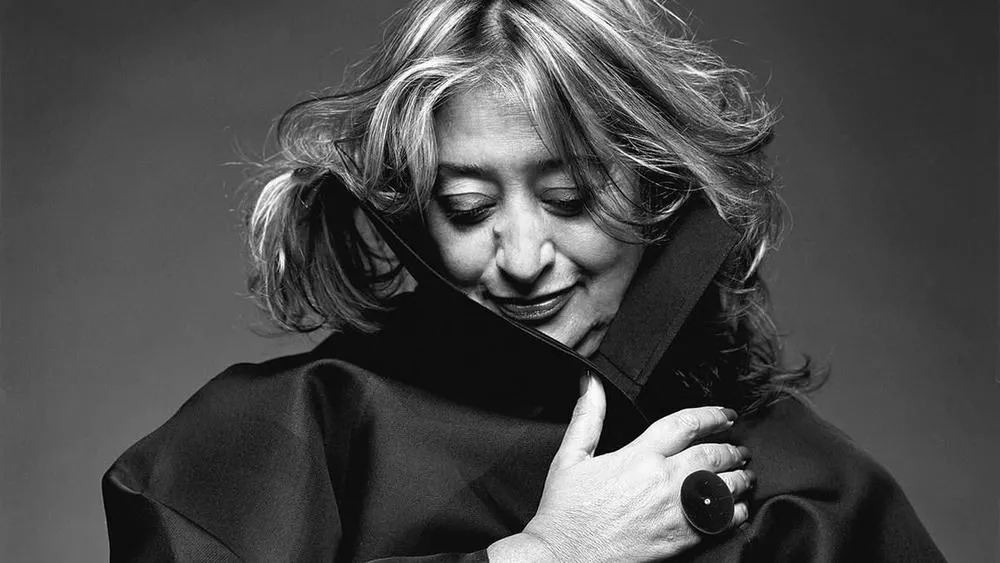
Zaha Hadid
Zaha Hadid (1950–2016) was an Iraqi-British architect who reshaped the boundaries of architectural design. Born in Baghdad, she began her journey studying mathematics at the American University of Beirut in Lebanon. However, upon discovering her passion for architecture, she moved to London in 1972, where she graduated from the Architectural Association School of Architecture, one of the oldest and most prestigious architecture schools in the world. During her studies, Hadid was influenced by visionary architects like Rem Koolhaas and Elia Zenghelis, who inspired her to explore new possibilities and challenge traditional architectural conventions.
Her unique and visionary approach, characterized by fluid forms and unconventional geometries, left an undeniable mark on the field of architecture. Hadid's innovative projects, such as the Vitra Fire Station, the MAXXI Museum, and the Guangzhou Opera House, challenged traditional notions of space and received global acclaim. Hadid became the first woman and Arab person to receive the Pritzker Architecture Prize in 2004. Among her numerous awards, she was also the first woman to receive the Royal Gold Medal for Architecture and was appointed a Dame Commander of the Order of the British Empire by Queen Elizabeth II in 2012.
Despite her premature death in 2016, Zaha Hadid's legacy continues to inspire architects and designers worldwide. Her memorable projects and drawings are an integral part of what we know today as contemporary architecture. Hadid is one of the greatest architects of the 20th and 21st centuries and, in 2010, was considered by TIME magazine to be the world's greatest thinker.
ArchShop is redefining the concept of residential architecture in Brazil, making high-quality projects accessible to everyone. Combining over 20 years of expertise in the construction sector with technological innovation, the company offers a complete digital platform that simplifies and democratizes the process of building the dream home.
We believe that the best ideas arise from the exchange of experiences and the sharing of different perspectives. Open the doors to new opportunities and be part of our blog! If you have an interesting article, an amazing work, a product or service that deserves to be highlighted, contact us.