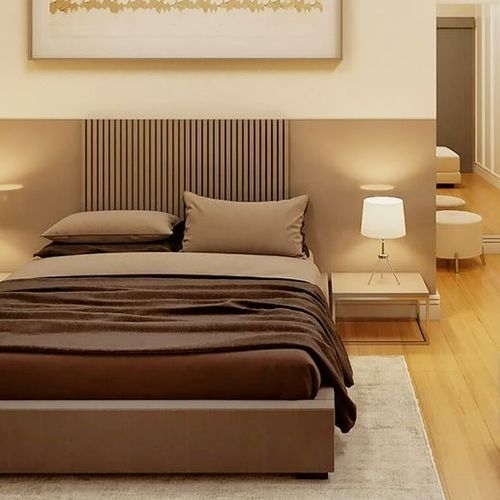
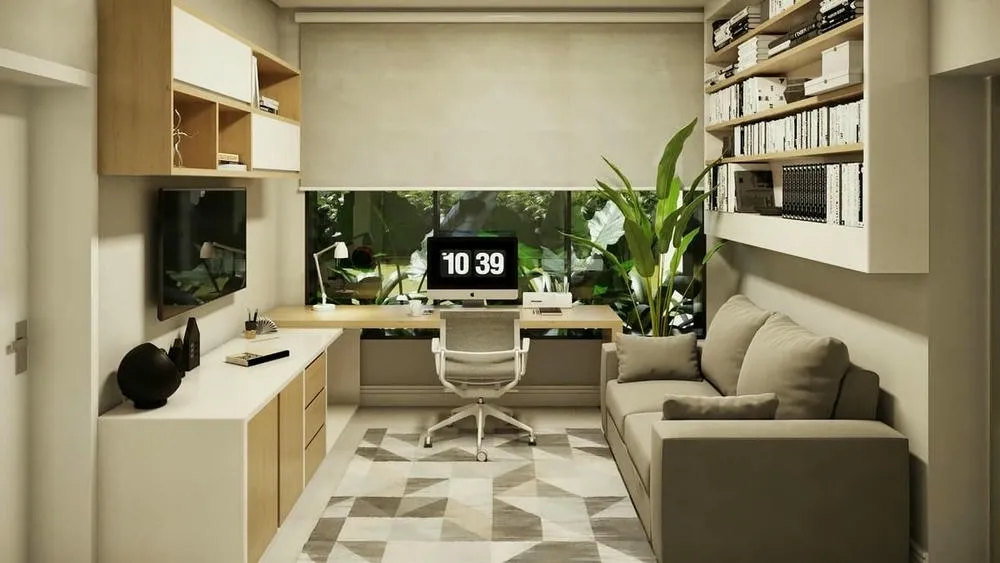
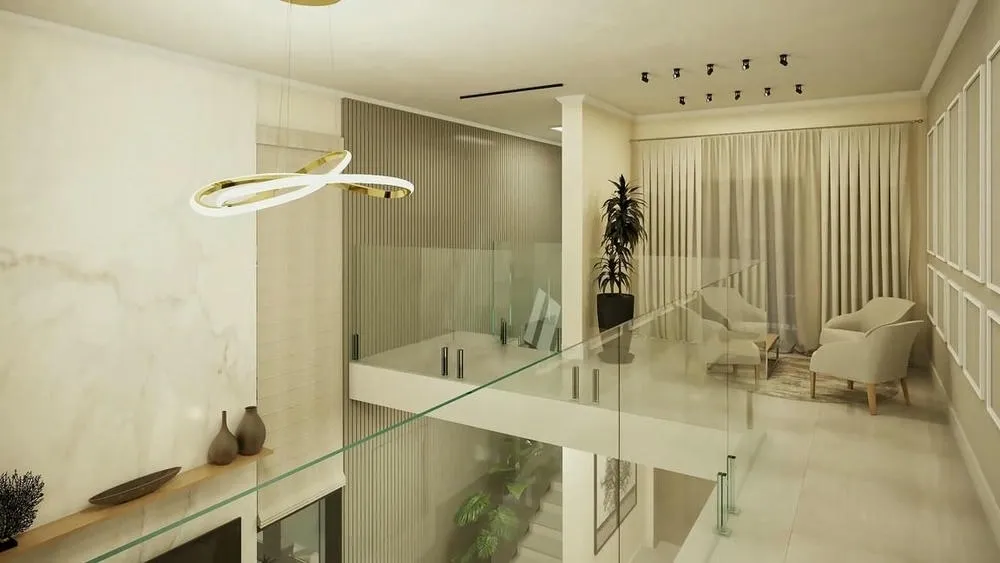
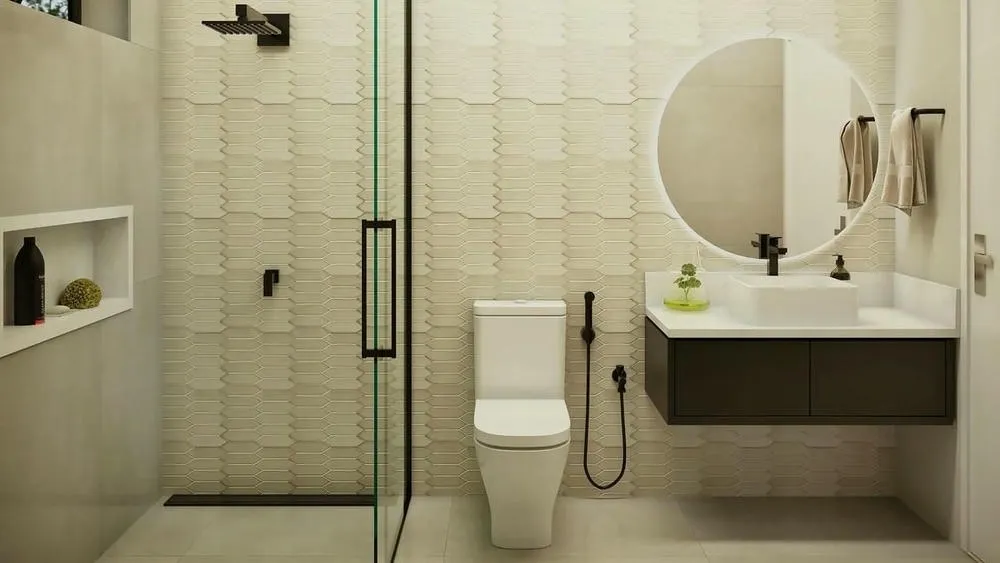
Proper lighting in each room is essential to meet the specific needs of the activities performed in the space. The quality of light affects the senses, emotions, productivity, motivation, and concentration ability. It is common to find places with inadequate lighting, which results in energy waste and discomfort. Therefore, it is important to make careful choices and opt for the most suitable types of lighting for each room, considering comfort, desired effects, and the functional and aesthetic needs of the project. There are no right or wrong answers in selecting lamps and fixtures, but rather the most appropriate choice for each case. In this article, we will look at 5 types of lighting used in architecture. Come with us!
General lighting refers to the main light source of a room, which is responsible for distributing light evenly throughout the space. Generally, this lighting is installed in the center of the room and is designed to provide homogeneous illumination, avoiding excessive shadows or poorly lit areas. General lighting is designed to provide an adequate amount of light for carrying out everyday tasks and to provide comfortable ambient lighting. It can be achieved in various ways, by any type of fixture that spreads light broadly.
In cases of general lighting, it is always recommended that the switch be positioned at the entrance of the room to be illuminated. This facilitates access and control of the light when passing through the room, upon entering or leaving. It is therefore possible to turn the general lighting on or off more practically and conveniently, being an ergonomic and widely applied solution.
It is important to note that general lighting is only one of the lighting options in a room. To create a cozier and more functional atmosphere, it is common to combine general lighting with other light sources. We will see other forms of lighting below and how they can be applied according to individual needs and preferences.
2. Decorative lighting
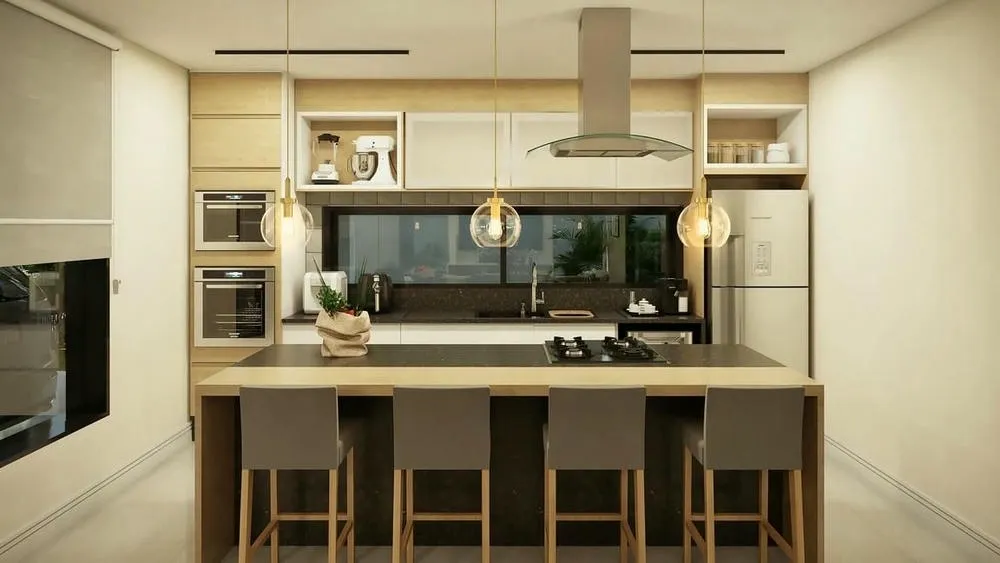
Decorative lighting is that whose aesthetic and decorative function is as important as its ability to generate light. This type of lighting aims to create a charming effect and contribute to the overall atmosphere of the room. The fixtures used in decorative lighting are chosen not only for their functionality but also for their beauty and the way they project light.
Furthermore, decorative lighting can have a scenic effect, creating a more intimate and inviting atmosphere. This can be achieved through the use of light and shadow effects, colors, shapes, and patterns. For example, spotlights directed to highlight a work of art or a textured wall, LED strips to create indirect lighting, or fixtures with a distinctive design that project light patterns on surfaces.
Decorative lighting is an effective way to add personality and style to spaces, as well as to complement general lighting. By combining different light sources and types of lighting, it is possible to create a unique atmosphere and enhance the room's decor.
3. Accent lighting
Accent lighting refers to direct lighting that aims to enhance a specific point. In this type of lighting, a concentrated beam of light is used to create light and shadow effects, highlighting and enhancing certain elements or areas of the room. Its main purpose is to create a center of interest on the element to be highlighted, attracting the observer's attention and enhancing the highlighted element. This technique is often used to emphasize decorative objects, architectural details, among others.
By combining accent lighting with other types of lighting, such as general and decorative lighting, it is possible to create a harmonious and balanced composition, enhancing different aspects of the space and providing an interesting visual experience. Accent lighting is an important tool in lighting design, allowing attention to be directed to specific details and creating a unique atmosphere in each room.
4. Task lighting
Task lighting is designed to provide directed and concentrated light in areas where specific activities are performed. Unlike general lighting, which provides a uniform distribution of light throughout the room, task lighting focuses on specific areas, such as kitchen countertops, work desks, reading areas, dressing tables, among others. The main objective is to provide direct and sufficient lighting to facilitate the performance of these activities.
The choice of the bulb's color temperature is also important in task lighting. It is generally preferable to use bulbs with a more neutral color temperature, close to daylight, to ensure good color rendering and avoid visual fatigue during tasks. In addition, it is important to consider the proper position of task lighting fixtures to ensure that the light falls directly on the area where it is needed, avoiding glare or unwanted shadows.
5. Outdoor lighting
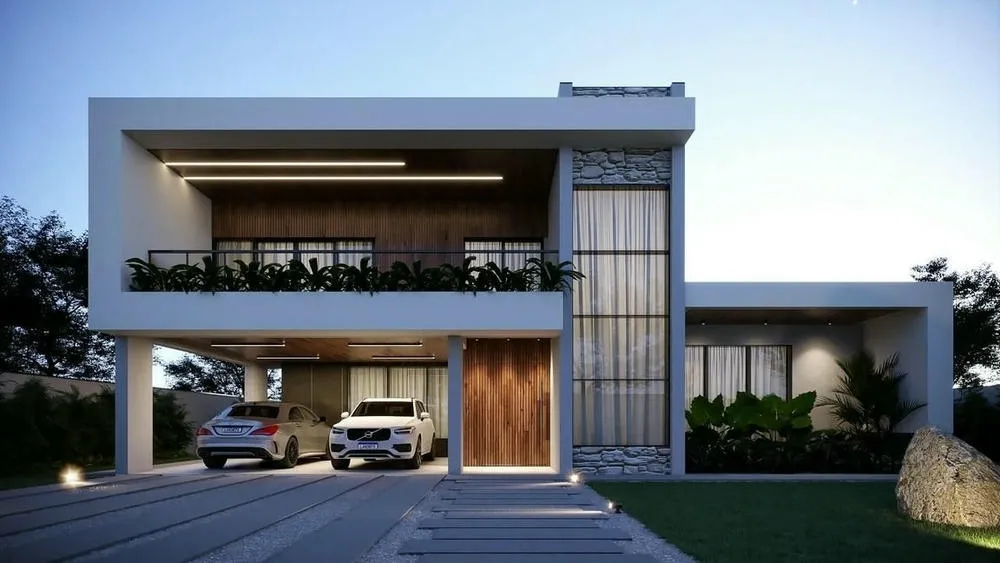
Outdoor lighting refers to the lighting system used to illuminate outdoor areas, such as gardens, backyards, facades, balconies, patios, and paths. This type of lighting serves several functions, including security, aesthetics, and increasing the functionality of outdoor spaces.
One of the main purposes of outdoor lighting is to provide security, illuminating outdoor areas to prevent accidents, identify obstacles, and allow for better visibility at night. Lighting paths and stairs, for example, helps prevent falls and facilitates safe movement around the property.
In addition to security, outdoor lighting also plays an important role in the aesthetics and highlighting of architectural and landscape elements. Through the strategic use of lights, it is possible to enhance the beauty of the house's facade, highlight trees, shrubs, or other garden features, creating a warm and inviting atmosphere.
Outdoor lighting also provides greater functionality to outdoor spaces, allowing them to be used even at night. For example, lighting an outdoor living area makes it possible to enjoy leisure moments, have outdoor meals, or simply relax in a lit and pleasant environment.
It is possible to create different effects with outdoor lighting, such as direct, indirect, focal, diffuse, or even colored lighting, depending on the desired effect and the specific needs of each outdoor area.
Outdoor lighting at home is an effective way to enhance the property, improve security, highlight the beauty of the environment, and increase the functionality of outdoor spaces. It is important to carefully plan the outdoor lighting design, considering the characteristics of the location, the specific needs, and the desired style, to create a pleasant and welcoming atmosphere around the house.
ArchShop is redefining the concept of residential architecture in Brazil, making high-quality projects accessible to everyone. Combining over 20 years of expertise in the construction sector with technological innovation, the company offers a complete digital platform that simplifies and democratizes the process of building the dream home.
We believe that the best ideas arise from the exchange of experiences and the sharing of different perspectives. Open the doors to new opportunities and be part of our blog! If you have an interesting article, an amazing work, a product or service that deserves to be highlighted, contact us.