Archshop,
Jul 1, 2026
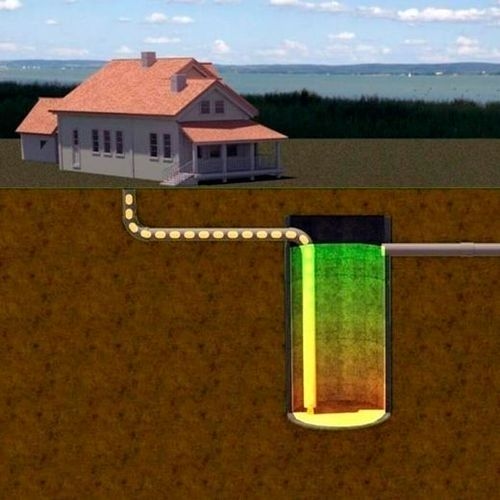
What is a septic tank?
In this article, we will delve into three of the main tank systems, which can be used to understand other varieties of this process.
 https://creativecommons.org/licenses/by-nc-nd/4.0/https://creativecommons.org/licenses/by-nc-nd/4.0/ArchShopArchShop
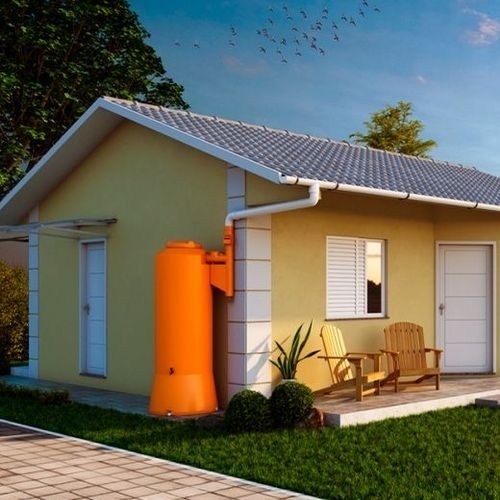
A cistern is a water reservoir used to collect, store, and reuse rainwater.
In the world of sustainable construction and the conscious use of water resources, a key element that deserves highlighting is the cistern. A cistern is a water reservoir used to collect, store, and reuse rainwater. With increasing environmental awareness, the cistern has become an increasingly popular solution, both in homes and commercial buildings. In this article, we will discover how this intelligent and ecologically correct system contributes to the conservation of water resources, as well as promoting sustainability in architecture. Let's go!
A cistern is a fundamental element in architecture and urban design, playing an essential role in water storage. This structure, which can vary in size and shape, has the main function of collecting and storing rainwater or water from other sources for later use.
In general terms, a cistern is an underground or above-ground reservoir, built with durable and waterproof materials such as concrete, iron, polyethylene, or fiberglass. It is designed to capture and store rainwater that falls on roofs, patios, or paved areas, allowing for its sustainable use. The functionality of the cistern covers several areas, from the preservation of water resources to the efficient use of water in homes, commercial buildings, and public spaces. Let's explore some of the main functions of this system:
A well is a vertical drilling carried out in the ground until it reaches a layer of groundwater. This layer is called the water table and is composed of water from rain and infiltration. When drilling a well, water is pumped to the surface, allowing its use. Therefore, the water from the well comes from the water table, which can be influenced by the geological conditions of the region.
On the other hand, a cistern is a water reservoir built in or above the ground, usually using materials such as concrete, fiberglass, or plastic. The water stored in the cistern is collected from external sources, such as rain or public supply, and stored for future use. The cistern does not have direct access to the water table and depends on water harvesting through collection and storage systems.
Therefore, the main difference between a well and a cistern is the origin of the water. A well uses the water table as a source of groundwater, while a cistern stores water from other sources, such as rain or public supply. Both structures have their specific uses and benefits, depending on the water needs of a particular area or property.
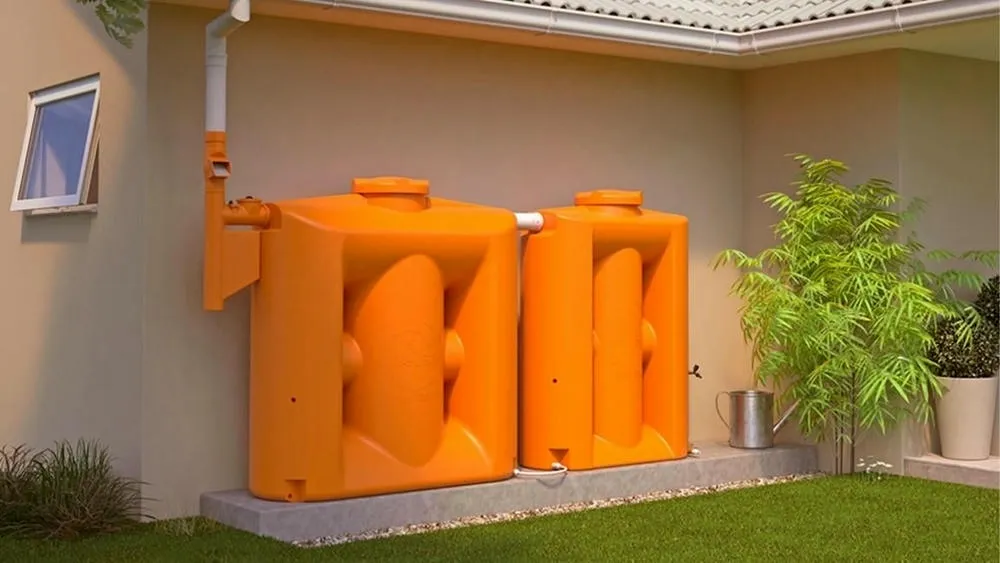
A house cistern is a water reservoir designed specifically for residential use. It plays an important role in water storage and management, ensuring a continuous supply even in situations of scarcity or interruptions in the public supply. In its most basic form, a residential cistern is a tank or container that can be installed above ground, buried in the ground, or even integrated into the house's structure. It is built with durable and waterproof materials, such as concrete, polyethylene, or fiberglass.
The residential cistern is usually connected to the rainwater harvesting system, allowing direct collection of rainwater that falls on the roofs. Gutters and pipes are used to direct the water to the cistern, where it is stored for later use. The capacity of the cistern can vary according to the specific needs of each residence. They can usually store from tens to thousands of liters of water, providing autonomy and reducing dependence on conventional supply sources.
The water stored in the residential cistern can be used for a variety of non-potable purposes, such as irrigating gardens, washing clothes, domestic cleaning, and flushing toilets. However, it is important to note that this water is not suitable for direct human consumption unless it is properly treated and purified.
Why have a cistern? A residential cistern offers significant benefits to residents. In addition to providing an alternative source of water, it contributes to environmental sustainability, reducing the consumption of drinking water and relieving pressure on public supply systems. Furthermore, it can result in financial savings, as it decreases the use of water from the public network, which is reflected in water bills. Cisterns are also a great solution for dealing with water scarcity in drought-affected areas. The stored water can be used later when needed.
The search for more sustainable practices in the field of architecture has become a priority in recent years. As awareness of the environmental impacts of civil construction increases, architects and professionals in the sector have sought innovative solutions to minimize these negative effects. In this context, the cistern stands out as a technology that promotes the integration between sustainable architecture and the environment.
The relationship between the cistern and sustainability goes beyond saving water resources. By adopting this technology, architectural projects can reduce the amount of rainwater discharged into drainage networks, minimizing problems related to floods and overloading of sewage systems. This contributes to the development of a more resilient city, capable of dealing more efficiently with extreme climatic events.
In addition to environmental benefits, the cistern also has economic advantages. By reducing the consumption of drinking water, owners can lower their water bills, becoming more independent from public services. Furthermore, in some regions, it is possible to obtain tax incentives and discounts on the water tariff for those who invest in rainwater harvesting systems.
Sustainable architecture seeks to integrate solutions like the cistern harmoniously into projects, considering factors such as climate, topography, and the characteristics of the surroundings. In this way, it is possible to create buildings that relate consciously to the environment, promoting the rational use of natural resources and reducing environmental impacts.
It is important to emphasize that the use of cisterns as a sustainable practice must be accompanied by good maintenance and water treatment practices. It is essential to ensure that the stored water is treated properly, avoiding health risks. In addition, choosing durable and low-environmental-impact materials and construction systems is also essential to ensure the efficiency and longevity of the system.
 https://creativecommons.org/licenses/by-nc-nd/4.0/https://creativecommons.org/licenses/by-nc-nd/4.0/ArchShopArchShop
ArchShop is redefining the concept of residential architecture in Brazil, making high-quality projects accessible to everyone. Combining over 20 years of expertise in the construction sector with technological innovation, the company offers a complete digital platform that simplifies and democratizes the process of building the dream home.
See also
In this article, we will delve into three of the main tank systems, which can be used to understand other varieties of this process.
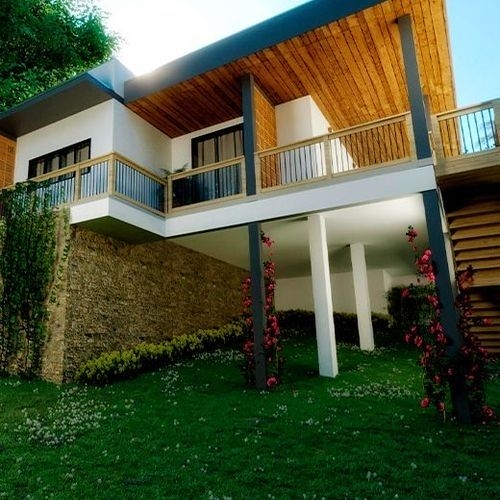
When considering the construction of a new property, choosing the right lot is a crucial factor to consider.
A cistern is a water reservoir used to collect, store, and reuse rainwater.
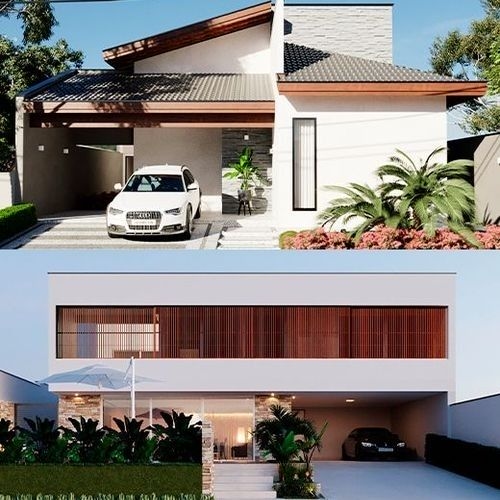
When planning the construction of a house, one of the most important aspects to consider is the choice of the roof.
Advertise or Publish
We believe that the best ideas arise from the exchange of experiences and the sharing of different perspectives. Open the doors to new opportunities and be part of our blog! If you have an interesting article, an amazing work, a product or service that deserves to be highlighted, contact us.