Archshop,
Jul 1, 2026
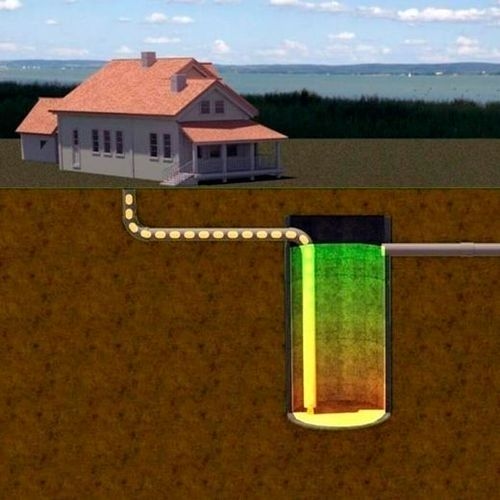
What is a septic tank?
In this article, we will delve into three of the main tank systems, which can be used to understand other varieties of this process.
 https://creativecommons.org/licenses/by-nc-nd/4.0/https://creativecommons.org/licenses/by-nc-nd/4.0/ArchShopArchShop
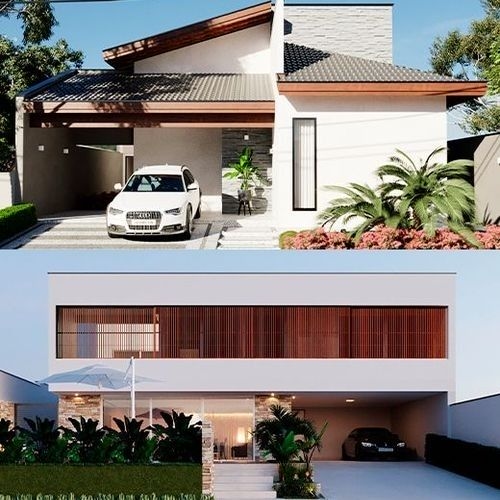
When planning the construction of a house, one of the most important aspects to consider is the choice of the roof.
When planning the construction of a house, one of the most important aspects to consider is the choice of the roof. And one of the crucial decisions to be made is whether the roof should be exposed or built-in. Each option has its advantages and disadvantages, which should be carefully weighed. The exposed roof is a popular choice for its striking aesthetics, while the built-in roof can offer a more discreet and modern look. In addition, the choice of the roof also affects issues such as thermal insulation, ventilation, and maintenance. In this article, we will help you decide which is the best option for your construction.
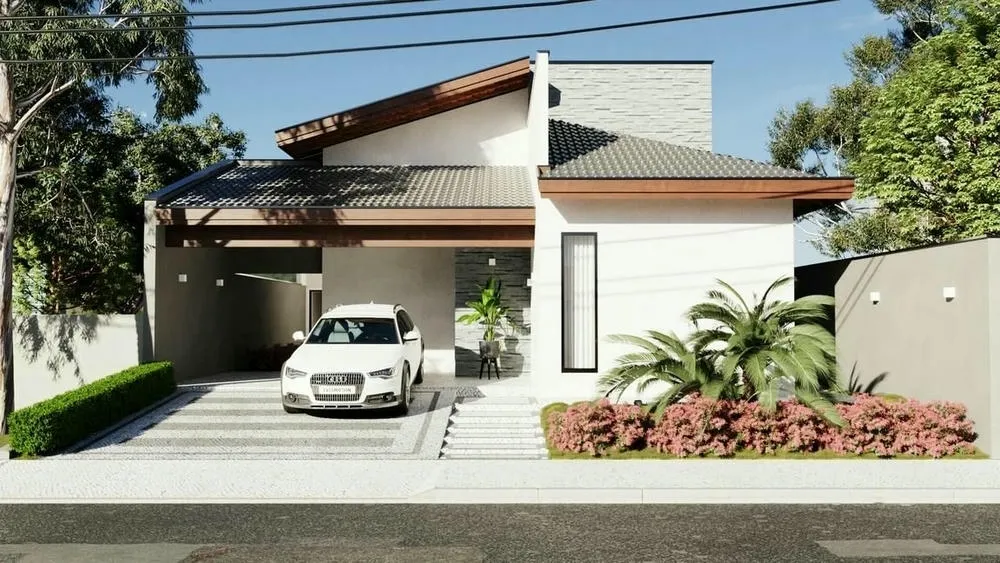
The exposed roof is an architectural element characterized by the exposure of the roof structure, including beams, rafters, and tiles. This technique has been used for centuries in different architectural styles around the world, from rustic houses to modern buildings. One of the main characteristics of the exposed roof is its ability to give personality and charm to the construction. In addition, its presence becomes a striking element on the building's facade, creating a sense of robustness and solidity.
The exposed roof is also a very versatile option, which can be used in different types of constructions, from residences to commercial buildings. In addition, it is able to adapt to different architectural styles, from the most traditional to the most modern.
When referring to traditional architectural styles, the exposed roof harks back to old constructions, such as farmhouses and colonial buildings. In these architectural styles, the exposed roof is a trademark, giving a cozy and familiar feel to the building. In classical styles, such as neoclassical and baroque, the exposed roof is used in a more elaborate way. It features curved tiles and wooden ornaments. This gives the construction a majestic and imposing air, reminiscent of an era of grandeur and luxury.
In more contemporary architectural styles, the exposed roof is used in a simplified way. It is a way to highlight the structure of the construction and create an interesting contrast with other elements of the facade.
The exposed roof is a versatile architectural technique that gives personality and charm to the construction. It refers to traditional, classic, and cozy architectural styles, being able to adapt to different project proposals and decoration styles.
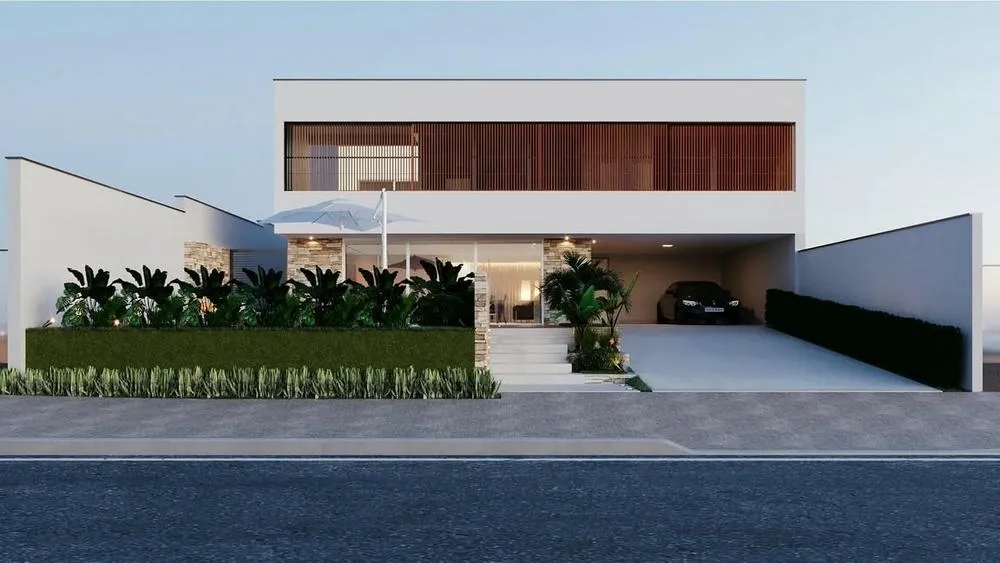
The built-in roof is a style of roofing that is increasingly used in modern and contemporary architectural projects. In this type of roof, the structure is built into the construction itself, being invisible when viewed from the outside. This technique allows for a more minimalist and clean aesthetic, in addition to optimizing the internal space of the building.
One of the characteristics of the built-in roof is that it does not have eaves or protrusions that extend beyond the walls of the construction. Instead, the roof is level with the walls and the roof finish is done with other materials. Slabs or concrete plates, waterproofing membranes, thermo-acoustic tiles, among others.
In addition to providing a more modern look, the built-in roof also has advantages in terms of safety. With it, there is no risk of falls resulting from displacements on the edges of the roof. In addition, the built-in roof offers greater protection against leaks, as the construction is completely sealed.
The built-in roof is often associated with modern and contemporary architectural projects. Minimalist houses and commercial and residential buildings are some examples. This roofing is an interesting option for those who seek a sophisticated and minimalist look for their construction.
The built-in roof is a style of roofing that is characterized by being built into the construction itself. It presents a minimalist and clean look, in addition to offering advantages in terms of safety and protection against leaks. It is an increasingly used option in modern and contemporary architectural projects and an alternative for those seeking a more minimalist look.
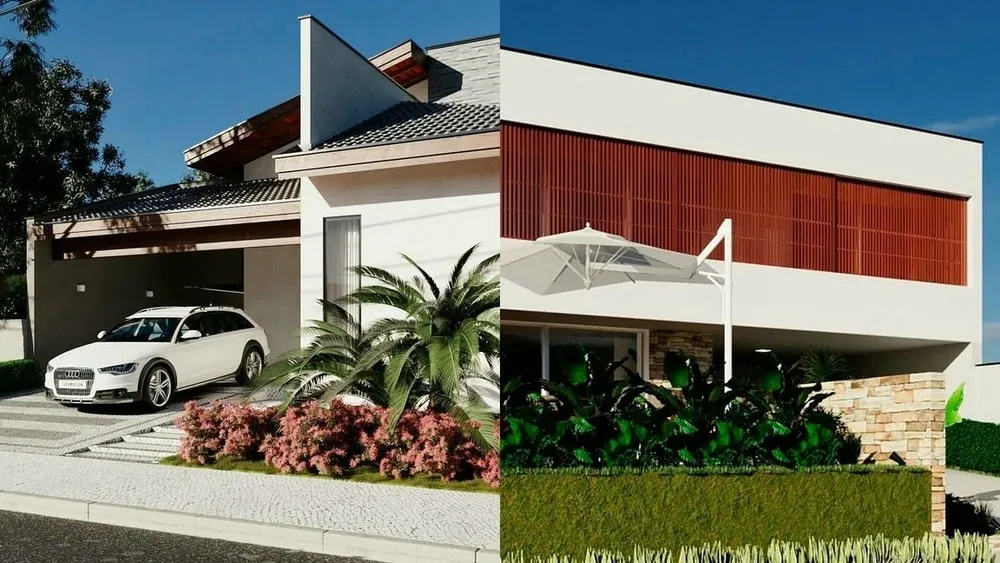
When designing a roof for a construction, it is important to take into account several factors. The climate of the region, the architectural style of the building, the functionality of the space, among others. Two very common types of roofs are the exposed roof and the built-in roof. Both have significant differences in terms of aesthetics, functionality, and maintenance.
The exposed roof, as the name suggests, is externally visible, with its structures and finishes apparent. It can give a more rustic and charming look to the building. It is usually composed of ceramic, metal, or concrete tiles, fixed on wooden or metal structures. The exposed roof may be more suitable for regions with a hot and humid climate. The ventilation provided by the space between the tiles helps to reduce the internal temperature of the construction.
The built-in roof, on the other hand, is one that is hidden, not visible externally. Its structure is hidden below the slab or the ceiling. This type of roof is more common in modern constructions, with straight and minimalist lines. It is composed of light materials, such as fiber cement, polycarbonate, or glass tiles, fixed on metal structures. The built-in roof is more suitable for regions with a cold or rainy climate. The sealing provided by the slab or the ceiling helps to prevent water infiltration.
In addition to aesthetics, the differences between the two types of roofs also extend to functionality and maintenance. The exposed roof can be easier to repair, as its structures are visible and accessible. However, it may also require more maintenance, such as cleaning the gutters and replacing broken tiles. The built-in roof, on the other hand, can be more difficult to repair, as it requires removing the ceiling or the slab to access its structure. However, it tends to require less maintenance and may have a longer durability, as it is protected from the weather.
In summary, the main differences between the exposed roof and the built-in roof are in aesthetics, functionality, and maintenance. It is important to be careful when choosing the type of roof for the construction and to take into account several factors, such as the climate of the region. In addition, it should be a type of roof that fits the architectural style and the needs of the developed project.

When it comes to building a house, one of the main decisions to be made is the type of roof to be used. In addition to its essential protective function, the roof also plays a significant role in the aesthetics and overall cost of the project. Two commonly considered options are the exposed roof and the built-in roof.
The exposed roof is one that is externally visible, with its structures and materials on display. It is a popular choice for architectural projects that seek a traditional or rustic aesthetic. One of the main advantages of the exposed roof is its easy maintenance. Its structures and coverings can be easily accessed, facilitating future inspections and repairs. However, in terms of cost, the exposed roof tends to be more expensive than the built-in roof.
The built-in roof, on the other hand, is one in which the roof structure is hidden by a slab or a similar finish. It provides a cleaner and more modern look. This option is often chosen for architectural projects that seek more minimalist and contemporary lines. The built-in roof can be more economical than the exposed roof. This is due to the reduction of necessary materials and the lower complexity of the system. In addition, the built-in roof can also offer additional benefits, such as improved thermal and acoustic insulation.
When considering which option is cheaper, it is important to take into account several factors that can affect the costs of a roof. Some of these factors include:
When answering the question of which roof option is cheaper, it is important to consider all the factors involved. Even if the built-in roof has a reduction in materials used and simplicity in installation, it will not always be the best option. It is essential to take into account the desired architectural style, the durability of the materials, the needs of the project, and the long-term maintenance.
Each project has its particularities. The choice between an exposed roof and a built-in roof should be based on a careful analysis of all factors. The needs of the project, the available budget, and the aesthetic preferences of the owner. Ultimately, it is advisable to consult an architect or a specialist engineer. Through a professional eye, it is possible to get personalized guidance to make the most appropriate decision for your project.
The exposed roof is known for its traditional and elegant aesthetic. It is characterized by having its support structures visible, which creates a striking and distinctive look. This option is often chosen for classic or rustic style houses, as it adds a touch of charm and personality to the construction. In addition, the exposed roof allows for the creation of useful spaces in the attic, providing an additional use of the built area.
One of the advantages of the exposed roof is the ease of maintenance and repairs. With the structures visible, it is easier to identify and solve problems such as leaks or damage. In addition, natural ventilation is favored, helping to regulate the internal temperature of the house. However, it is important to consider some disadvantages of the exposed roof. Firstly, it can be more susceptible to damage caused by weather phenomena, such as strong winds or storms. In addition, this type of roof can be more expensive to build, as it requires specific materials and specialized labor.
On the other hand, we have the built-in roof, which has been gaining popularity in recent years. In this style, the roof structures are hidden behind the walls, creating a cleaner and more modern look. The built-in roof is often used in contemporary architectural projects, where simplicity and visual harmony are valued.
One of the main advantages of the built-in roof is its durability. As it is less exposed to natural elements, such as rain and wind, it tends to suffer less wear and tear over time. In addition, maintenance is facilitated, as it is not necessary to access the roof structures to carry out repairs. However, it is important to consider that the built-in roof may limit the options for using the space in the attic. In addition, if a problem occurs with the roof, the repairs may require more complicated access and higher costs.
The choice between an exposed and built-in roof, therefore, should take into account the aesthetic and economic preferences of the owner. It is essential to evaluate the style of the house, the architectural context of the region, the climatic conditions, and the available budget. A qualified architect or interior designer can be a great ally in this process. They will be the professional responsible for making the right decision based on the individual needs of the project.
It is important to remember that the choice between an exposed and built-in roof is not necessarily a definitive decision. In some cases, it is possible to combine the two styles, creating a hybrid solution that meets the aesthetic and functional preferences of the owner. Whatever option is chosen, it is essential to ensure that the project is carried out by experienced and qualified professionals. In this way, it is possible to ensure that the roof is built safely, efficiently, and in accordance with current regulations.
The choice between an exposed and built-in roof is a matter of personal preference, aesthetics, and budget. The exposed roof brings a traditional look and allows for greater use of the attic space. However, it requires more maintenance and may have higher costs. The built-in roof, on the other hand, offers a modern aesthetic, ease of maintenance, and greater durability. On the other hand, it may limit the use of the attic space and have higher costs in case of repairs. When deciding, it is important to take into account the architectural style, durability, maintenance, and budget.
 https://creativecommons.org/licenses/by-nc-nd/4.0/https://creativecommons.org/licenses/by-nc-nd/4.0/ArchShopArchShop
ArchShop is redefining the concept of residential architecture in Brazil, making high-quality projects accessible to everyone. Combining over 20 years of expertise in the construction sector with technological innovation, the company offers a complete digital platform that simplifies and democratizes the process of building the dream home.
See also
In this article, we will delve into three of the main tank systems, which can be used to understand other varieties of this process.
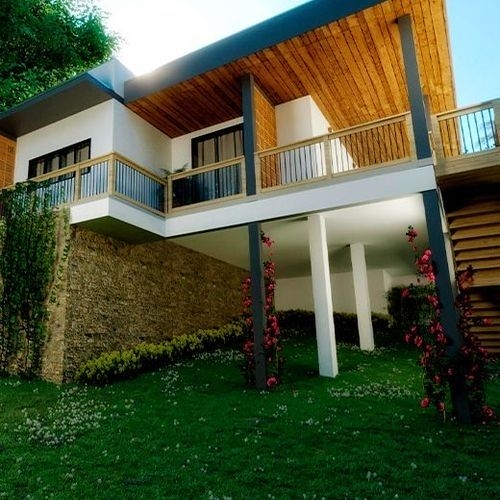
When considering the construction of a new property, choosing the right lot is a crucial factor to consider.
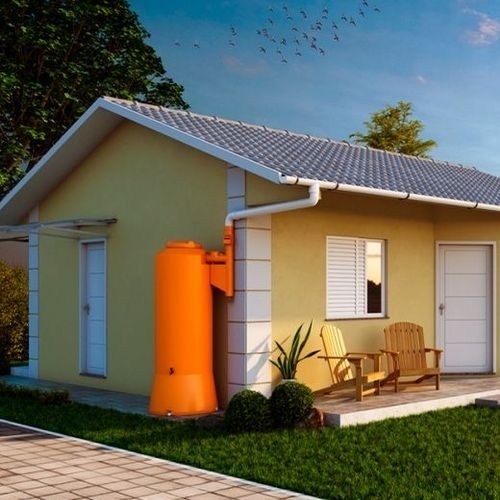
A cistern is a water reservoir used to collect, store, and reuse rainwater.
When planning the construction of a house, one of the most important aspects to consider is the choice of the roof.
Advertise or Publish
We believe that the best ideas arise from the exchange of experiences and the sharing of different perspectives. Open the doors to new opportunities and be part of our blog! If you have an interesting article, an amazing work, a product or service that deserves to be highlighted, contact us.