Archshop,
Jul 1, 2026
What is a septic tank?
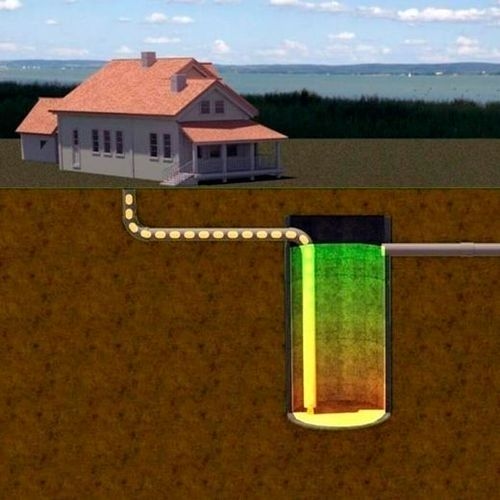
In this article, we will delve into three of the main tank systems, which can be used to understand other varieties of this process.
 https://creativecommons.org/licenses/by-nc-nd/4.0/https://creativecommons.org/licenses/by-nc-nd/4.0/ArchShopArchShop
Infiltrations can be a persistent and damaging problem in homes.
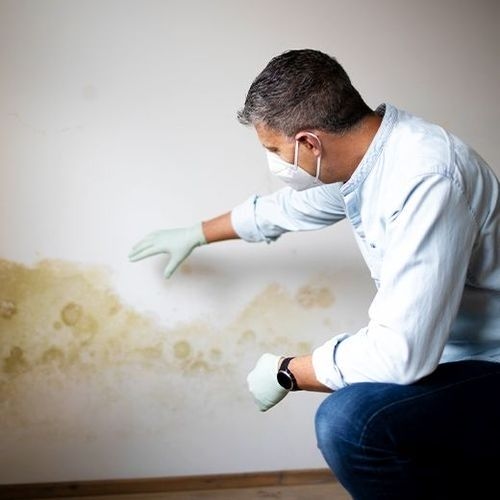
Infiltrations can be a persistent and damaging problem in homes. In addition to causing structural damage, they can lead to the formation of mold and mildew, affecting the health of residents. In this article, we will clearly and didactically address the topic of infiltrations, from their definition to ways of correcting and preventing them. With objective information, we aim to help people who do not have prior knowledge on the subject to understand how infiltrations occur and how to deal with them effectively. Let's go!
An infiltration is the unwanted entry of water into a residential structure. This can occur through cracks, fissures, or failures in the waterproofing system, allowing water to penetrate walls, floors, ceilings, or other areas of the house. This infiltrated water can cause damage over time, compromising the integrity of the structure and creating an environment conducive to the development of mold and mildew.
There are several ways in which infiltrations can occur. Here are some of the most common causes:
Infiltrations can cause a series of problems in the residence. Some of the most common effects include:
The first step to fixing an infiltration is to identify its source. Look for visible signs of moisture, such as stains, bubbles, or peeling paint on walls, ceilings, or floors. Also, check for leaks in exposed pipes, such as sinks, bathtubs, and faucets. This will help determine the exact location where the water is entering.
If the infiltration is related to pipe leaks, it is important to fix them as soon as possible. Identify the source of the leak and replace or repair the damaged pipe. If necessary, consult a professional plumber to assist with this task.
Fissures and cracks in the walls are often responsible for infiltrations. Use spackling paste or acrylic putty to fill the fissures. Then, sand and apply a new layer of waterproofing paint. For more severe cracks, it is recommended to seek professional guidance.
Make sure that areas subject to infiltration, such as bathrooms, kitchens, and external areas, are properly waterproofed. If necessary, redo the waterproofing, applying a new layer of suitable material to the surfaces. It is important to follow the manufacturer's instructions and ensure a uniform and complete application.
If the infiltration is related to the roof, perform a careful inspection. Look for broken, cracked, or poorly positioned tiles. Replace the damaged tiles and check if the gutters and downspouts are unobstructed. If necessary, hire a professional specialized in roofs to make the necessary corrections.
Check if the drainage system around the house is working properly. Make sure that the gutters and drainage pipes are free of obstructions and direct water away from the foundation of the house. Consider installing channels and drains to ensure proper drainage.
Fixing an infiltration at home requires patience, attention to detail, and, in some cases, hiring specialized professionals. However, by following the tips presented, it is possible to take initial steps to solve the problem. Remember that prevention is also fundamental. In the next part of this article, we will address strategies to avoid infiltrations in homes.
The first step is to maintain regular maintenance of the house. Regularly check the roof, gutters, pipes, and other areas prone to infiltration. Make immediate repairs to any identified problems, such as broken tiles, cracks in the walls, or leaking pipes.
It is important to invest in adequate waterproofing in areas susceptible to infiltration, such as bathrooms, kitchens, external areas, and terraces. Apply waterproofing coatings to the surfaces, following the manufacturer's recommendations. Do not forget to periodically inspect these areas and make repairs as needed.
Also, make sure that windows and doors are properly sealed. Regularly check the integrity of the sealing rubbers and replace them if they are damaged. This will help prevent water from entering during heavy rains.
Gutters play an important role in the proper drainage of water from the roof. However, they can only act optimally if they are clean. Regular cleaning of the gutters can prevent the accumulation of leaves, branches, and debris that may obstruct them. This will ensure a free flow of water and help prevent leaks and possible infiltrations. In addition, the direction of the water is also important. Whether it comes from gutters, drains, or pipes, it should be directed away from the foundation of the house. Installing extensions, channels, or drainage systems that direct water away from the walls and the house are some viable options.
Regarding the external environment, try to avoid planting trees or shrubs with aggressive roots near the foundations of the house. The roots can damage the structures and even break pipes, leading to infiltrations. Keep plantings at a safe distance from the house.
In general, being aware of the signs of infiltration is always a good idea. Pay attention to signs such as moisture stains, bubbles in the paint, mold or mildew odors, and deformations in the walls. When you identify any problem, take immediate action to correct it and avoid further damage.
Fixing and preventing infiltrations at home is an essential task to maintain the integrity of the structure and the well-being of the residents. By identifying and correcting the causes of infiltrations, such as leaks and waterproofing failures, it is possible to avoid greater damage. In addition, adopting preventive measures, such as regular maintenance and proper water drainage, contributes to protection against future infiltrations. With the information presented in this article, we hope to have provided a useful and clear guide to dealing with infiltrations in your home, promoting a safe and problem-free environment caused by water.
 https://creativecommons.org/licenses/by-nc-nd/4.0/https://creativecommons.org/licenses/by-nc-nd/4.0/ArchShopArchShop
ArchShop is redefining the concept of residential architecture in Brazil, making high-quality projects accessible to everyone. Combining over 20 years of expertise in the construction sector with technological innovation, the company offers a complete digital platform that simplifies and democratizes the process of building the dream home.
See also
In this article, we will delve into three of the main tank systems, which can be used to understand other varieties of this process.

When considering the construction of a new property, choosing the right lot is a crucial factor to consider.

A cistern is a water reservoir used to collect, store, and reuse rainwater.

When planning the construction of a house, one of the most important aspects to consider is the choice of the roof.
Advertise or Publish
We believe that the best ideas arise from the exchange of experiences and the sharing of different perspectives. Open the doors to new opportunities and be part of our blog! If you have an interesting article, an amazing work, a product or service that deserves to be highlighted, contact us.