Archshop,
Jul 1, 2026
What is a septic tank?
In this article, we will delve into three of the main tank systems, which can be used to understand other varieties of this process.
 https://creativecommons.org/licenses/by-nc-nd/4.0/https://creativecommons.org/licenses/by-nc-nd/4.0/ArchShopArchShop
When designing or renovating a space, doubts often arise about the various elements that make up its structure.
When designing or renovating a space, doubts often arise about the various elements that make up its structure. And when we talk about finishing and cladding, the confusion can be even greater. After all, what's the difference between them? Basically, finishing is the final layer of a material or surface that aims to improve its appearance and durability. Cladding, on the other hand, is the outer layer that covers or protects a surface.
To better understand this distinction, we can cite some examples. Laminate flooring and paint are finishes, while porcelain tiles and wallpaper are claddings. In this article, we will delve deeper into this topic and show the main differences between them. Let's go!
What is a finish?
What is cladding?
So, what's the difference between a finish and cladding?
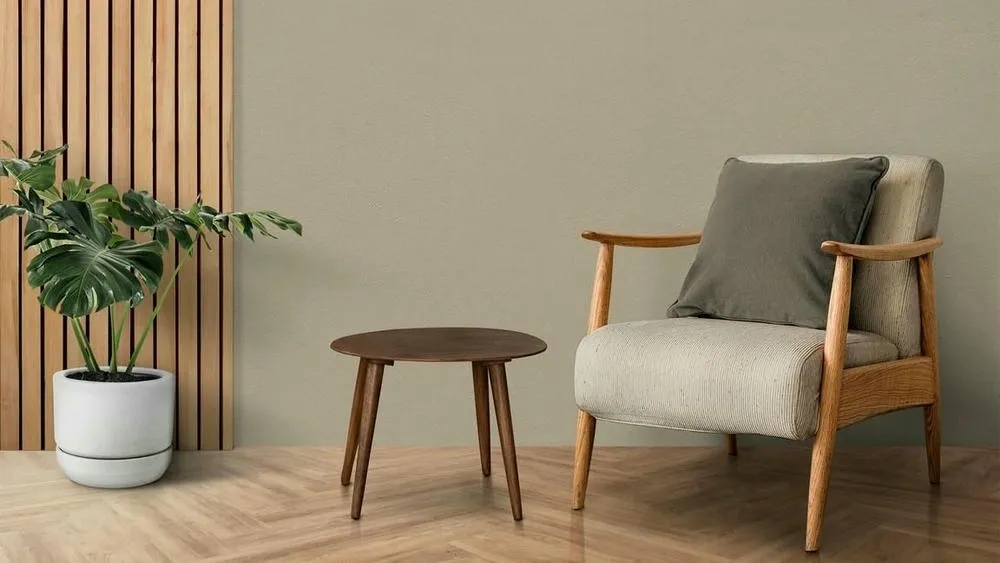
The finish is one of the fundamental elements of architecture and interior design. It is the final phase of construction or renovation, responsible for giving the final touch to the project. The finish is the surface layer that is applied over structures, surfaces, and claddings. It provides protection, beauty, durability, and functionality and can be composed of various materials. It is important to note that the finish is a phase that should be thought about from the beginning of the project. This ensures that the final result has visual harmony and is more functional for the environment.
Among the most common types of finish, we can mention paints, which can be applied to walls, doors, windows, and other construction elements. Another type of finish is waterproofing, essential to prevent infiltration and humidity in bathrooms, kitchens, and external areas. Regarding finishing techniques, there are several options, with the application of textures on walls being one of them. This is a technique that can be used to create interesting visual effects and give a touch of personality to the environment.
There is also polishing. It can be applied to stone or concrete floors to give a smoother and more uniform appearance. Another common technique is ceiling lowering, which can be done with plaster or drywall. It seeks to create a sense of depth and sophistication in the environment.
The finishing materials are also varied and should be chosen according to the purpose and style of the project. For walls, for example, we can use paints, wallpaper, ceramics, stones, among others. For floors, there is an infinity of options, such as wood, porcelain, granite, marble, among others. In addition, we can use metals, glass, and mirrors to give a touch of elegance and sophistication to the project.
Examples of finishes:
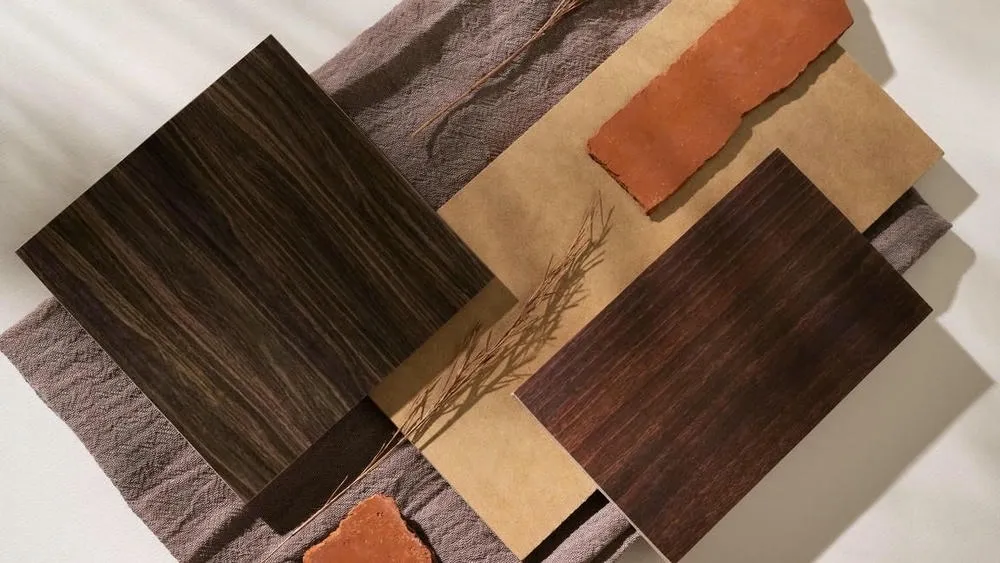
Cladding is an architectural element that consists of covering a surface with a specific material to protect or decorate it. It can be found on walls, floors, ceilings, or facades of buildings, and provides resistance, thermal insulation, acoustic, or visual. Cladding can be made with a wide variety of materials, such as tiles, ceramics, wood, glass, stone, bricks, among others.
The choice of the type of cladding to be used will depend on the objective and functionality that one wants to achieve. The options can also vary according to the aesthetic preferences of the architect and the client. When building or renovating a property, choosing the ideal cladding can make all the difference in the final result. There are many types, materials, and rooms that can receive this type of finish. Knowing a little more about each of them can help in making the right decision.
Among the main types of cladding are ceramics, porcelain tiles, mosaics, natural stones, and wood claddings. Each of these materials has specific characteristics that can better suit certain needs. For example, ceramic claddings are very resistant and durable, while porcelain tiles offer a wide variety of colors and textures. Natural stones, such as marble and granite, have great elegance and sophistication.
As for the rooms that can receive cladding, the options are numerous. In wet areas, such as bathrooms and kitchens, ceramic claddings and mosaics are very common due to their high resistance to humidity. In the living room and bedrooms, wood and porcelain tile claddings can be great options, as they provide thermal and visual comfort. In addition, the external walls of the property can also receive cladding, such as natural stones or large-format porcelain tiles.
It is important to highlight that the choice of cladding should take into account not only aesthetics but also functionality. Therefore, it is essential to evaluate factors such as resistance to humidity, durability, and ease of cleaning. In addition, it is necessary to take into account the available budget, as the prices of materials can vary greatly. It is worth remembering that having the help of a professional specialized in architecture can make all the difference. With the right guidance, it is possible to achieve an incredible result that combines beauty and functionality in a harmonious and balanced way.
Examples of claddings:
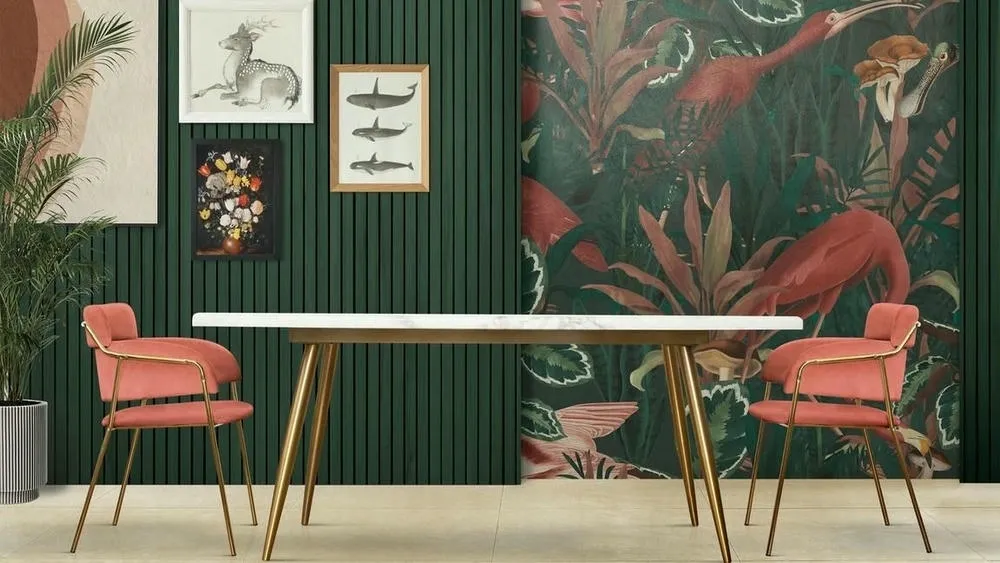
When it comes to building or renovating a house, it's common to hear about finishes and claddings. But after all, what's the difference between them? Although they may seem similar at first glance, they have distinct functions and should be chosen according to the needs of the project.
The finish is the last layer of material applied to a surface. Its purpose is to give a final finish and improve the appearance of the environment. The most common finishes are paints, textures, varnishes, sealers, among others. They are mainly used on walls, ceilings, floors, and furniture, and can be applied to different types of materials, such as concrete, plaster, wood, metal, among others.
Cladding, on the other hand, is a layer of material applied to a surface with the aim of protecting it or improving its characteristics. It can help with thermal insulation, acoustics, and waterproofing. The most common claddings are ceramics, porcelain tiles, natural stones, mosaics, among others. They are mainly used on floors, bathroom walls, kitchens, and facades.
So, when to use a finish or cladding in an architecture project? The answer depends on the specific needs of each environment. For high-traffic areas (such as corridors and rooms), it is recommended to use more resistant claddings. Ceramics and porcelain tiles are some options that guarantee greater durability and ease of cleaning. In humid environments (such as bathrooms and kitchens), it is advisable to use waterproof claddings. Mosaics and tiles, for example, prevent the proliferation of fungi and bacteria.
For living areas and bedrooms, finishes can be more decorative. Textures and paints can give a touch of personality to the environment. In furniture and decorative objects, the finish can be chosen according to the style of the project. A lacquer paint for furniture to add modernity, while varnish on wood is recommended for classic furniture.
The difference between a finish and cladding lies in the purpose of each one. While the finish gives the final touch to the ambient aesthetics, the cladding has a protective function and improves the characteristics of a surface. The choice of each should be made according to the needs of the project and the environment in question.
 https://creativecommons.org/licenses/by-nc-nd/4.0/https://creativecommons.org/licenses/by-nc-nd/4.0/ArchShopArchShop
ArchShop is redefining the concept of residential architecture in Brazil, making high-quality projects accessible to everyone. Combining over 20 years of expertise in the construction sector with technological innovation, the company offers a complete digital platform that simplifies and democratizes the process of building the dream home.
See also
In this article, we will delve into three of the main tank systems, which can be used to understand other varieties of this process.
When considering the construction of a new property, choosing the right lot is a crucial factor to consider.

A cistern is a water reservoir used to collect, store, and reuse rainwater.
When planning the construction of a house, one of the most important aspects to consider is the choice of the roof.
Advertise or Publish
We believe that the best ideas arise from the exchange of experiences and the sharing of different perspectives. Open the doors to new opportunities and be part of our blog! If you have an interesting article, an amazing work, a product or service that deserves to be highlighted, contact us.