
Archshop,
Jul 1, 2026
What is a septic tank?
In this article, we will delve into three of the main tank systems, which can be used to understand other varieties of this process.
 https://creativecommons.org/licenses/by-nc-nd/4.0/https://creativecommons.org/licenses/by-nc-nd/4.0/ArchShopArchShop
When designing or renovating a home, the choice of windows is fundamental, impacting both the aesthetics and the performance of the indoor environment.
When it comes to designing or renovating a home, the choice of windows plays a crucial role in both the aesthetics and the performance of the indoor environment. Windows are not just architectural elements that allow natural light in, but they also play a vital role in ventilation, thermal and acoustic insulation, security, and energy efficiency. With a wide variety of types and styles available, it is essential to know the options and understand their characteristics to make an informed decision. Here are 8 types of windows for your home:
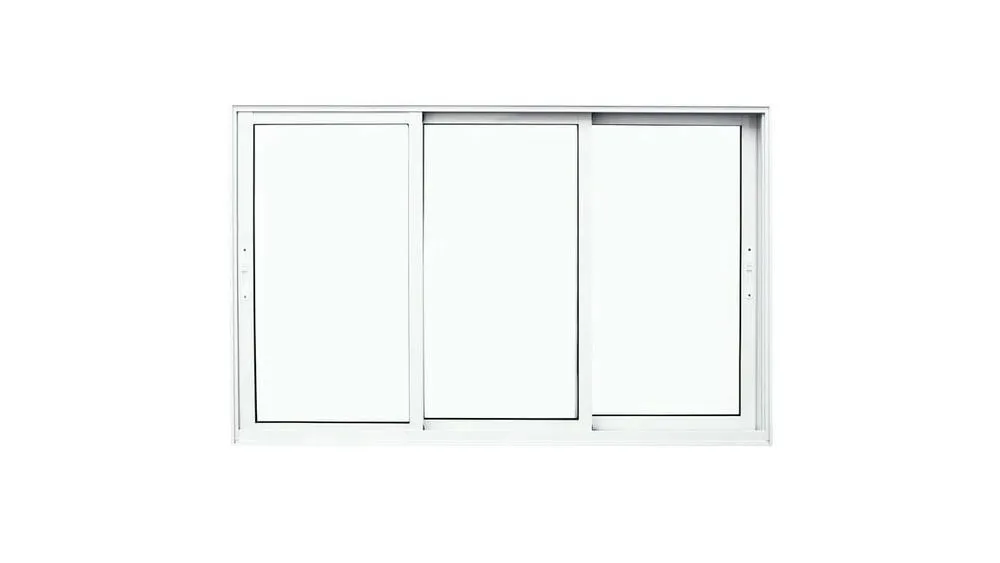
A sliding window, also known as a slider window, is a type of window with movable panels that slide horizontally to open or close the opening. Instead of opening inwards or outwards like traditional windows, sliding windows glide smoothly along horizontal tracks. It allows for ventilation and natural light to enter a room while saving space. Sliding windows are especially suitable for areas with limited space, such as apartments, small bedrooms, or rooms with panoramic views. They are also widely used in offices and commercial buildings.
One of the main advantages of sliding windows is their ease of use. The sliding panels can be moved easily, providing a smooth opening and allowing for control of the desired ventilation. Additionally, sliding windows are known for their energy efficiency, as they provide a good seal, reducing heat loss in winter and preventing hot air from entering in summer.
The recommended applications for sliding windows are varied. They are often installed in living rooms and bedrooms, allowing for an unobstructed view of the exterior and creating a sense of open space. In kitchens and dining rooms, sliding windows can be used to facilitate air circulation and the entry of natural light during daily activities. In commercial settings, sliding windows are popular in offices, shops, and restaurants, as they can add a modern touch to the space's design, as well as provide a visual connection to the outdoor area.
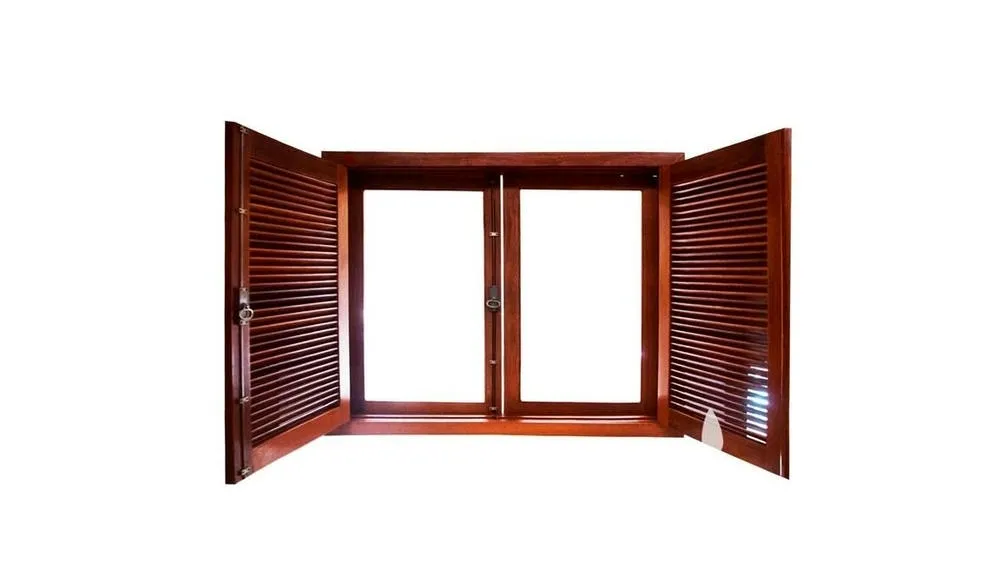
A casement window, also known as a hinged window, is a common type of window that can be opened to allow air and light into a room. Unlike fixed windows, casement windows are designed with hinges on one side, allowing them to be easily opened or closed. They are generally composed of one or more sashes, which can be opened inwards or outwards. When opening the window, outside air can enter, providing adequate air circulation and refreshing the indoor environment. This is one of the most popular types of windows.
The recommended applications for casement windows are diverse. They are commonly used in houses, apartments, offices, and commercial buildings. These windows are especially useful in areas where it is necessary to control the internal temperature, as they allow fresh air to enter when needed. Additionally, casement windows can be combined with insect screens to prevent the entry of mosquitoes, flies, and other unwanted insects. This allows the environment to remain airy while protecting against pests.
Another advantage of casement windows is the ease of cleaning. Since they can be opened completely, it is easy to reach the outer areas of the window for regular cleaning and maintenance. However, it is important to note that the choice of the appropriate window depends on the specific needs of each environment. Other types of windows, such as awning or sliding windows, also have their advantages and may be more suitable in certain situations.
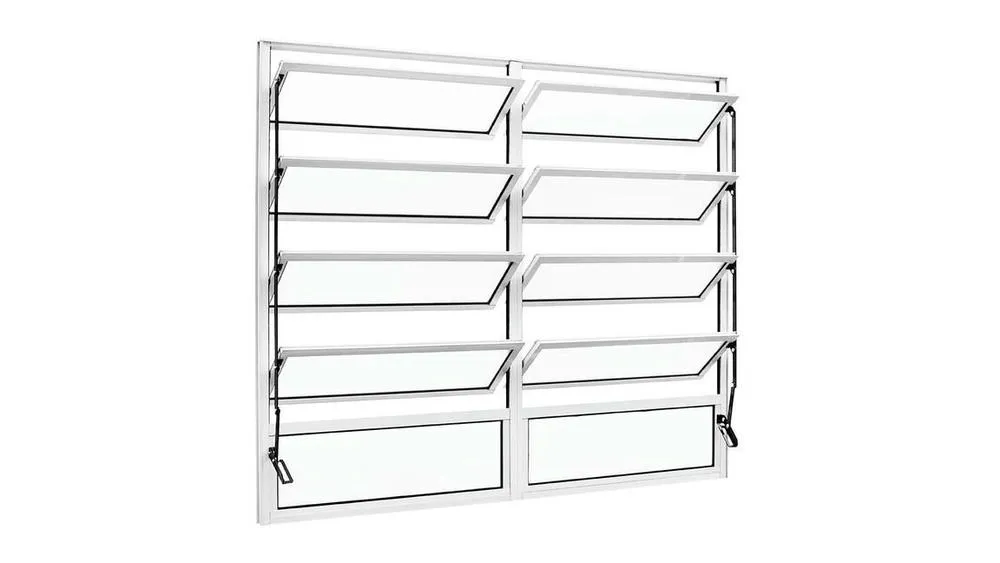
An awning window is a type of window that can be opened at both the bottom and the top. It is designed to allow the window to be tilted inwards, providing a partial opening for ventilation, or to be fully opened in the awning position, allowing fresh air to enter more broadly. Its main function is to provide efficient and controlled ventilation for a space. By tilting the window inwards, an opening can be created at the top, allowing hot and humid air to escape while fresh air enters from the bottom. This helps regulate the temperature and air quality in a room, improving the comfort of the occupants.
Recommended applications for awning windows include spaces where adequate ventilation is essential. They are particularly useful in areas where temperatures can be extreme or where natural ventilation is preferred over the constant use of air conditioning systems. Additionally, awning windows can also be installed in bathrooms and kitchens, as they allow for the quick release of odors and moisture. Another common application is in buildings with security restrictions, such as schools and hospitals. They can be designed to open only to a limited angle, ensuring that the openings are not large enough to allow a person to pass through, yet still providing adequate ventilation.
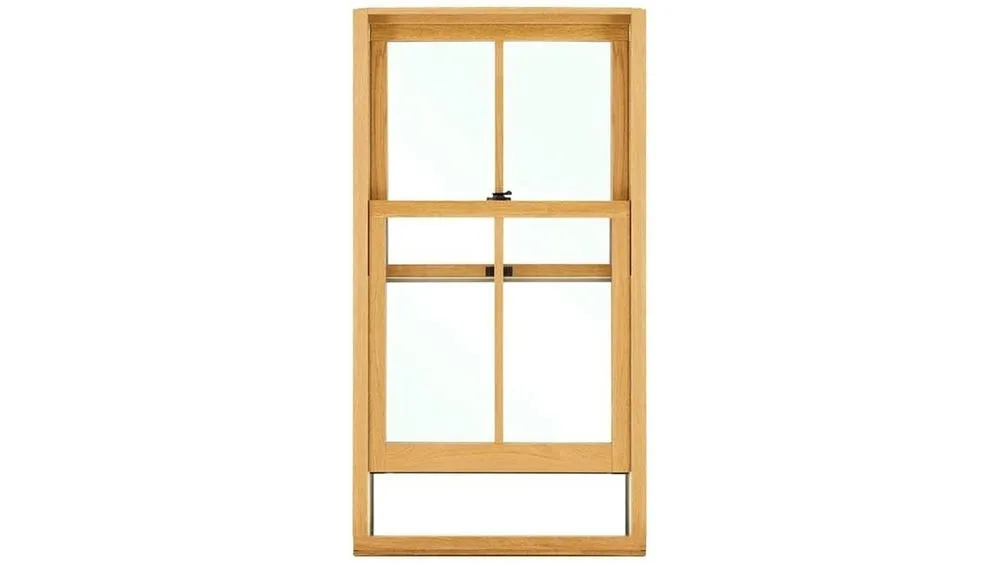
A sash window is a type of vertical window composed of two glass panes that slide vertically on tracks. The main distinguishing feature of this type of window is the ability to move the glass panes up and down, allowing for partial or full opening of the window. The glass panes can be adjusted to different positions, which facilitates the control of airflow and the regulation of the internal temperature of a space. These windows are particularly useful in places where natural ventilation is desired.
In addition to their basic functions, sash windows also offer other advantages. As the glass panes slide vertically, they occupy less space compared to conventional casement windows, making them suitable for areas with limited space. Furthermore, these windows are relatively easy to operate and clean due to their simple design.
The recommended applications for sash windows are diverse. They are commonly used in residences as a stylish and functional alternative to conventional windows. In historic buildings or those with traditional facades, sash windows can be chosen to maintain the original aesthetic while benefiting from modern advantages. They are also widely adopted in schools and institutional buildings, where proper ventilation is important to ensure the comfort of the occupants.
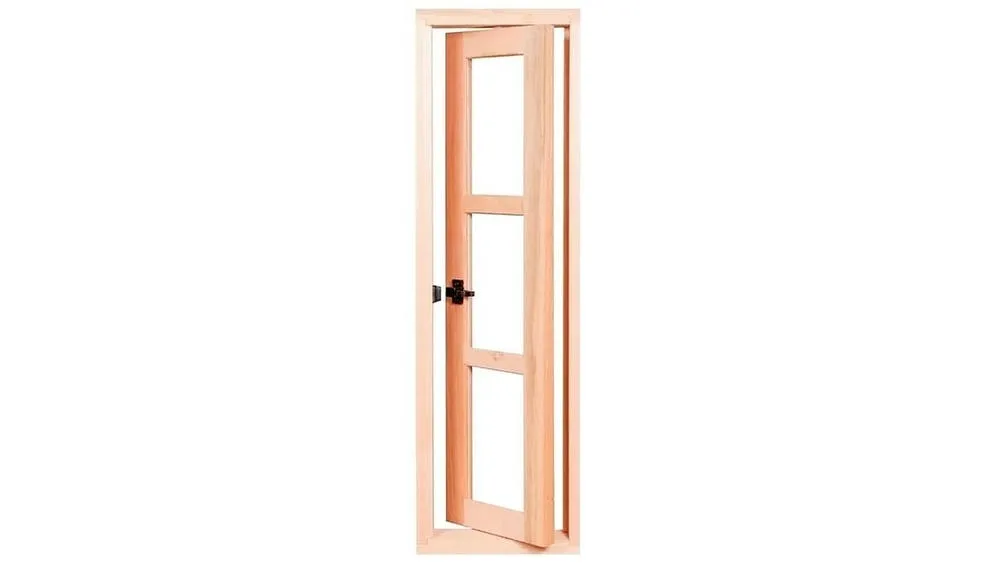
A pivoting window is designed to rotate around a vertical axis, allowing the window opening to be directed inwards or outwards from the space where it is installed. Unlike conventional windows, which are usually opened sideways or vertically, pivoting windows offer a more flexible opening. By rotating the window around its vertical axis, an opening can be created in different positions, allowing for directed airflow as desired. This flexibility allows the window to be adjusted to provide adequate ventilation, whether to increase the circulation of fresh air in a space or to facilitate the exit of hot air.
Pivoting windows can be applied in various architectural project models, whether residential, commercial, or corporate. It is important to note that this type of window can vary in terms of design and functionality. In addition to considering the style of the project, it is also recommended to consult manufacturers and specialists to determine the most suitable options for each specific situation.

A fixed window is a type of opening in an architectural project that cannot be opened or closed. Unlike the windows we've seen before, such as sliding or casement windows, fixed windows are planned as a definitive and static element, with no operating mechanisms to move them. Their main function is to provide natural lighting and allow a view of the outside. They are designed to let sunlight into the room, creating a sense of open space and connection with the external environment.
There are several recommended applications for fixed windows in different contexts. In residences, they can be installed in areas where an operable opening is not necessary, such as in side walls, living rooms, or bedrooms. Fixed windows can be especially useful when there is a panoramic view that you want to enjoy without obstructions. In commercial or institutional buildings, fixed windows are commonly used in glass facades as part of the architectural design. They help create a modern and aesthetically pleasing appearance, allowing natural light to enter the interior spaces.
Additionally, fixed windows can also be used in industrial or commercial environments where natural lighting is needed in specific areas, such as storage warehouses, factories, or production spaces. These windows can help reduce dependence on artificial lighting during the day, resulting in energy savings.
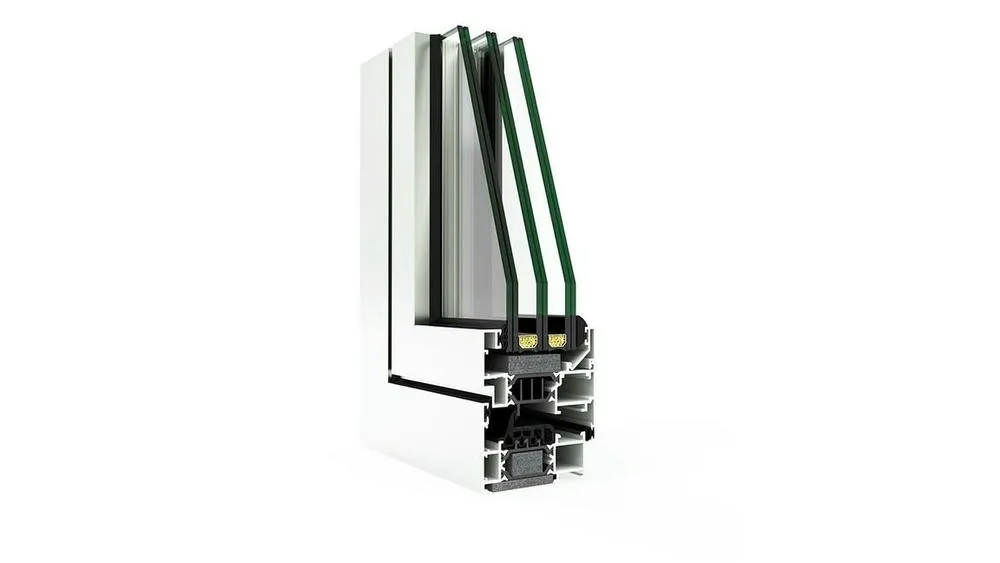
A double or triple-glazed window is a type of window composed of two or three layers of glass separated by one or two chambers of air or gas. This configuration creates an insulating space between the glass layers, resulting in significant benefits in terms of thermal and acoustic insulation.
The main function of double or triple-glazed windows is to improve the energy efficiency of a building. The space between the glass layers acts as a thermal barrier, reducing heat transfer between the interior and exterior. This helps to maintain a more stable internal temperature, reducing the need for artificial heating or cooling. As a result, energy consumption is reduced, leading to long-term cost savings.
In addition, double or triple-glazed windows also provide excellent acoustic insulation. The space between the glass layers helps to block external noise, making the indoor environment quieter and more peaceful. This is especially beneficial in busy urban areas, near roads with heavy traffic, or in places where noise is a concern, such as hospitals, schools, or offices. The applications for these types of windows are diverse. They can be especially effective in regions with extreme climates, where temperature variations are significant. They can also be used in sustainable construction projects aimed at improving energy efficiency.
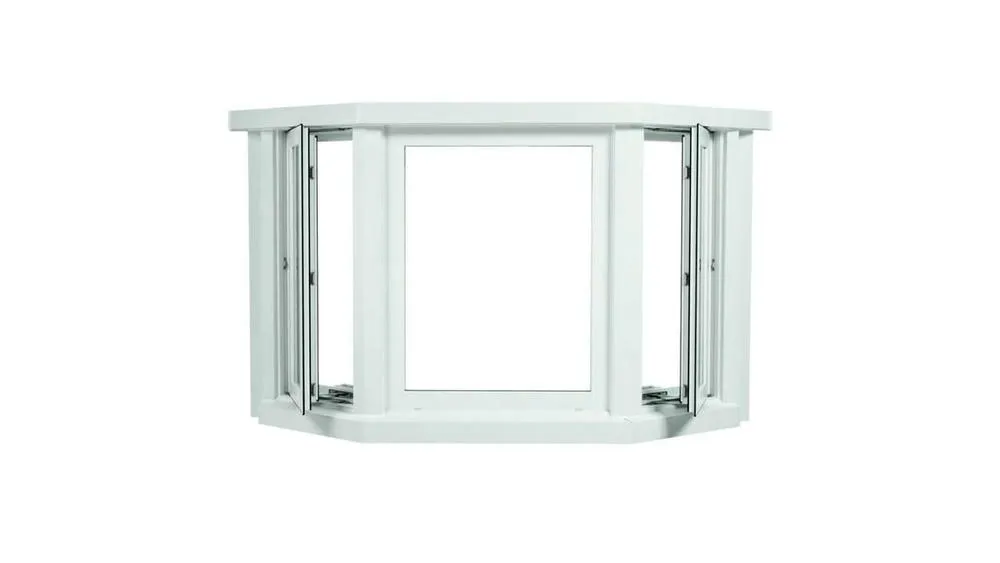
A bay window is a type of architectural window that projects outward from the wall of a building. It is composed of three or more glass panels, forming a protruding area that creates additional space inside the structure. The typical configuration of a bay window consists of a fixed central panel and two side panels that can be opened for ventilation.
The main function of bay windows is aesthetic, as they add an interesting architectural element to the project's facade. They create a sense of spaciousness and allow a greater amount of natural light to enter a room. Rooms with bay windows tend to be more airy and bright. Their main application is in residential projects, often installed in living rooms, dining rooms, or bedrooms. Bay windows provide a panoramic view of the exterior and create additional space, which can be used for shelves and benches.
In commercial establishments, bay windows are often used in cafes, restaurants, or shops, as they create an inviting environment for customers, offer a wide view of the interior space, and can be used to display products or create additional seating.
These are just some of the options available. Windows can vary in terms of the materials used, such as wood, aluminum, PVC, or fiberglass, as well as in other features, such as UV-protected glass, built-in insect screens, and integrated blinds. The choice of window type will depend on personal preferences, the style of the house, geographical location, and available budget.
 https://creativecommons.org/licenses/by-nc-nd/4.0/https://creativecommons.org/licenses/by-nc-nd/4.0/ArchShopArchShop
ArchShop is redefining the concept of residential architecture in Brazil, making high-quality projects accessible to everyone. Combining over 20 years of expertise in the construction sector with technological innovation, the company offers a complete digital platform that simplifies and democratizes the process of building the dream home.
See also
In this article, we will delve into three of the main tank systems, which can be used to understand other varieties of this process.
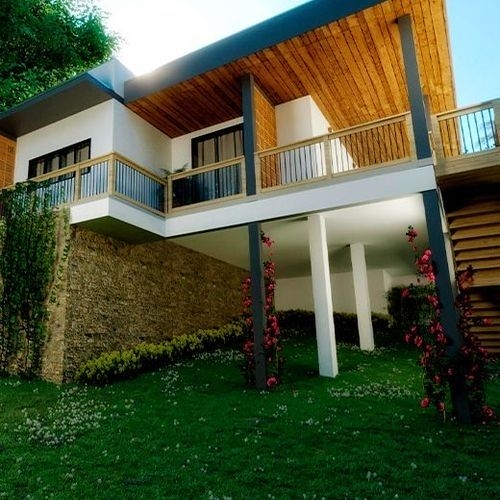
When considering the construction of a new property, choosing the right lot is a crucial factor to consider.
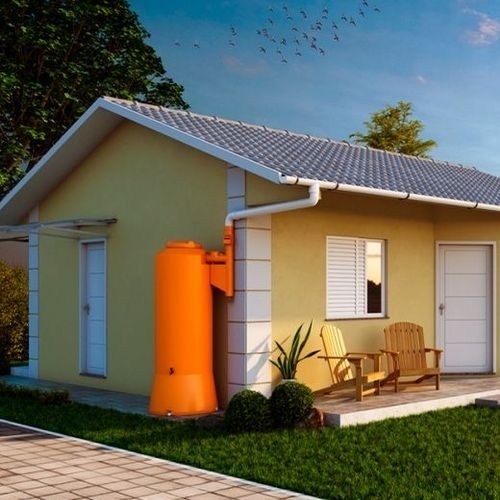
A cistern is a water reservoir used to collect, store, and reuse rainwater.
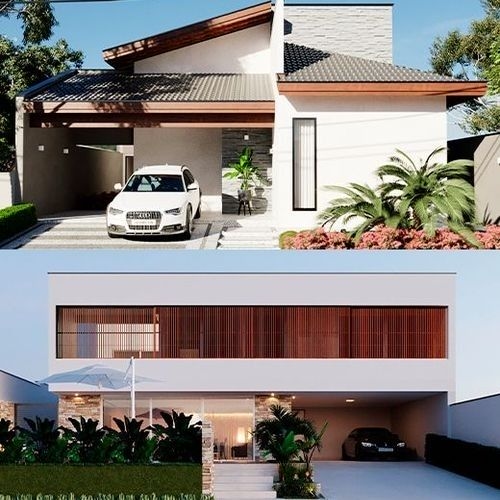
When planning the construction of a house, one of the most important aspects to consider is the choice of the roof.
Advertise or Publish
We believe that the best ideas arise from the exchange of experiences and the sharing of different perspectives. Open the doors to new opportunities and be part of our blog! If you have an interesting article, an amazing work, a product or service that deserves to be highlighted, contact us.