Archshop,
Jul 1, 2026
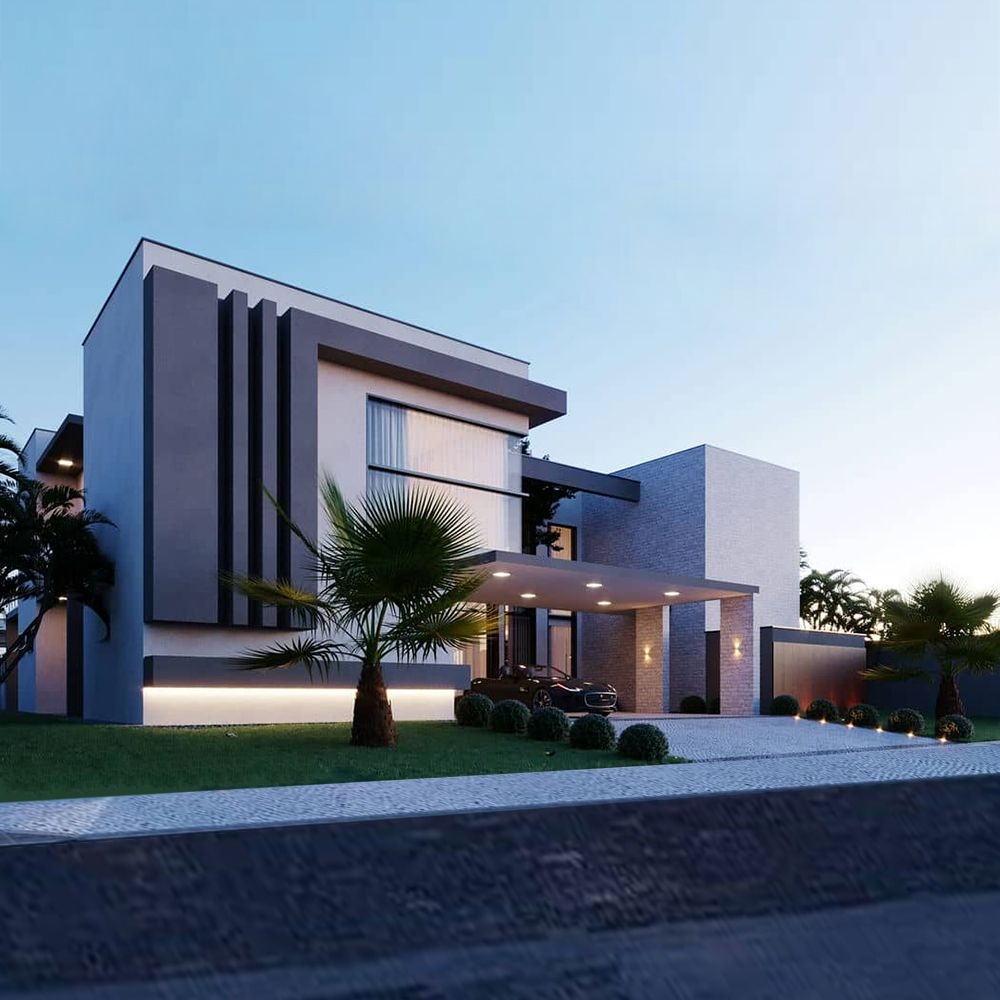
Luxury Two-Story House
Understand what a true luxury two-story house is. Come check out its essential characteristics so you don't make a mistake when transforming a beautiful project.
 https://creativecommons.org/licenses/by-nc-nd/4.0/https://creativecommons.org/licenses/by-nc-nd/4.0/ArchShopArchShop
In this list, we highlight 3 notable examples of retrofit in Brazil.
Brazil has been the stage for several retrofit projects in the field of architecture, where historic buildings are revitalized and adapted to meet contemporary needs. In this list, three notable examples stand out: the Ipiranga Museum, the Pinacoteca de São Paulo, and Sesc Pompeia. These emblematic constructions underwent retrofit processes that preserved their rich architectural heritage while making them modern and functional spaces, capable of welcoming and enchanting visitors from all over the world.
The retrofit in architecture is a process of renovating and updating old or obsolete buildings. It involves modernizing systems, infrastructure, and construction elements, with the aim of improving energy efficiency, functionality, and the building's aesthetics. This approach allows for the preservation of the original structure of the building while adapting it to contemporary needs, extending its useful life and reducing its environmental impact.
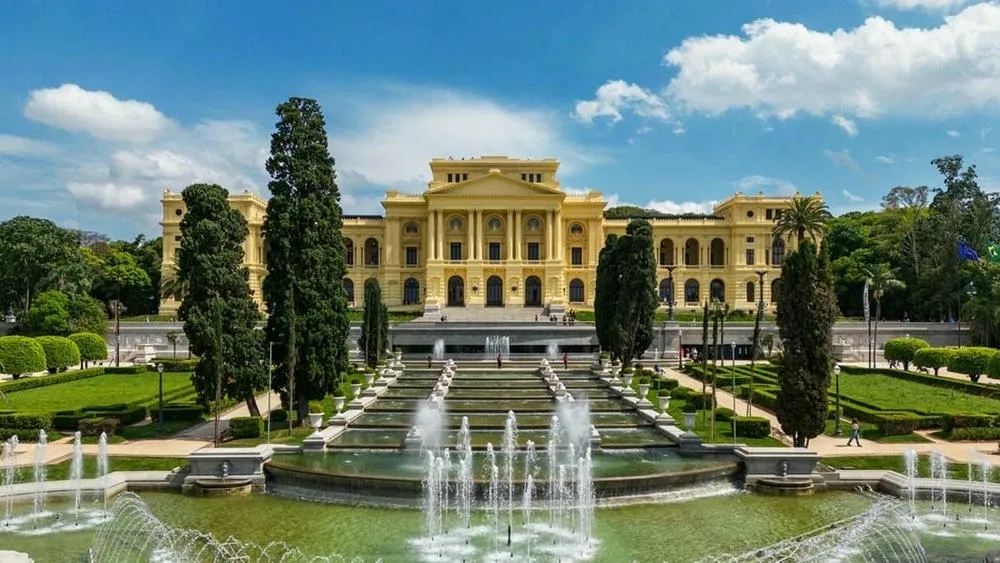
The Ipiranga Museum, located in the city of São Paulo, is one of Brazil's most important cultural institutions. Founded in 1895, it houses a diverse and valuable collection, telling the country's history from its beginnings to the present day.
Over the years, the Ipiranga Museum has undergone several transformations and expansions to meet the growing needs of preserving and exhibiting its collection. However, in 2013, the historic museum building was temporarily closed due to structural problems and the need for restoration. It was then that the Ipiranga Museum's retrofit project came into play, led by the firm H+F Arquitetos. The proposal's main objective was to revitalize and modernize the museum, preserving as much as possible the original characteristics of its architecture.
The retrofit project sought to balance the conservation of historical heritage with the incorporation of contemporary technologies and resources. The challenge was great, as it was necessary to preserve the grandeur and splendor of the original building, built in the neoclassical style, while adapting the space to meet museological needs and offer an enhanced visitor experience. After years of planning, studies, and technical work, the Ipiranga Museum reopened to the public in 2022, revealing a completely renovated new museum. The retrofit project provided a modern and interactive atmosphere without compromising the integrity of the historic building.
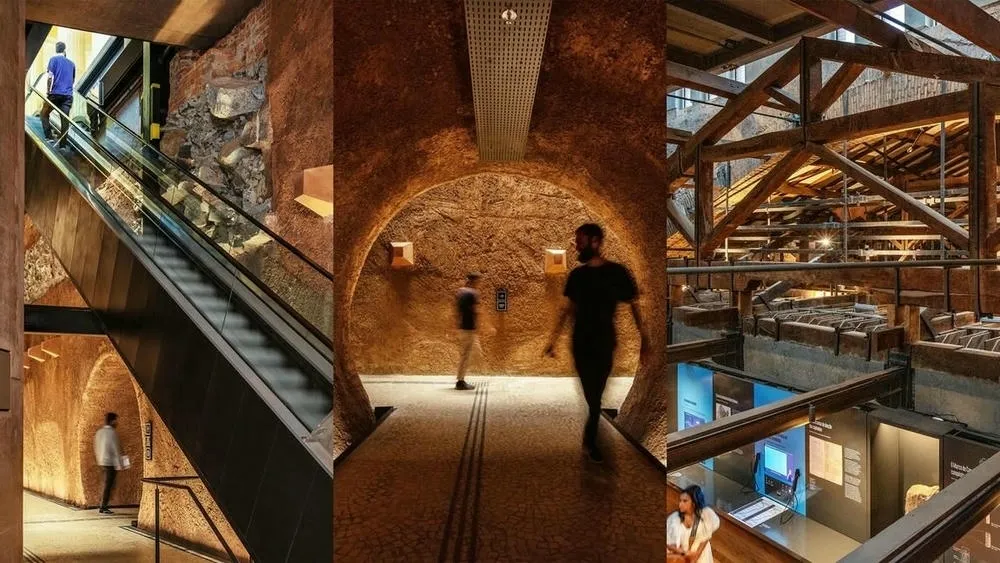
The new Ipiranga Museum offers an enriching experience to visitors, with expanded exhibition spaces, improved accessibility, state-of-the-art technology, and a contemporary approach to presenting the historical collection. At the same time, the architectural beauty of the original building has been carefully preserved, allowing visitors to appreciate the grandeur and history present in every detail.
The retrofit project carried out by H+F Arquitetos at the Ipiranga Museum is an inspiring example of how it is possible to modernize a cultural institution without losing its essence and historical identity. It represents the importance of preserving heritage and the harmonious dialogue between past and present, offering future generations the opportunity to learn and connect with Brazil's history in a unique and meaningful way.
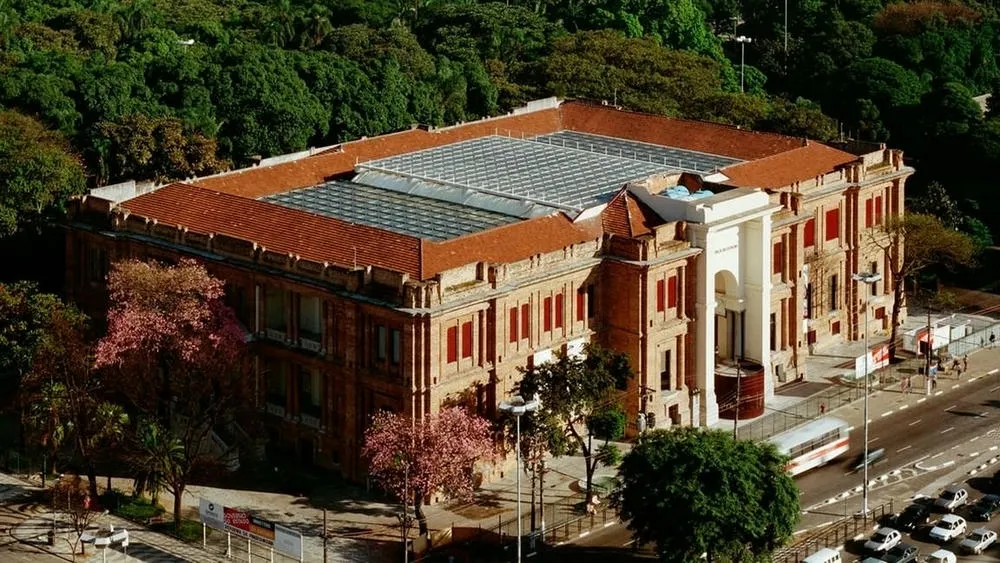
The Pinacoteca do Estado de São Paulo, one of Brazil's most renowned art museums, recently underwent an exciting retrofit project led by architects Paulo Mendes da Rocha, Eduardo Colonelli, and Weliton Ricoy Torres. The goal of this project was to revitalize and modernize the building's infrastructure while preserving its rich history and architectural importance. The Pinacoteca's retrofit was conceived with a careful approach that respected the original essence of the building, designed in the late 19th century by architect Ramos de Azevedo. The architects sought to harmonize the contemporary needs of a museum with the heritage value and historical aesthetics of the building.
One of the most notable aspects of the retrofit project is the improvement of accessibility conditions. Measures were implemented to ensure that people with reduced mobility could fully enjoy the museum, including ramps, elevators, and adapted restrooms. Additionally, climate control and humidity control systems were installed to properly preserve the exhibited works of art, ensuring their long-term integrity.
Another important feature of the project was the incorporation of sustainable technologies. Solar panels were installed to harness renewable energy, thereby reducing the building's energy consumption and carbon footprint. Furthermore, energy efficiency strategies were implemented throughout the project, such as low-consumption LED lighting and smart energy management systems.
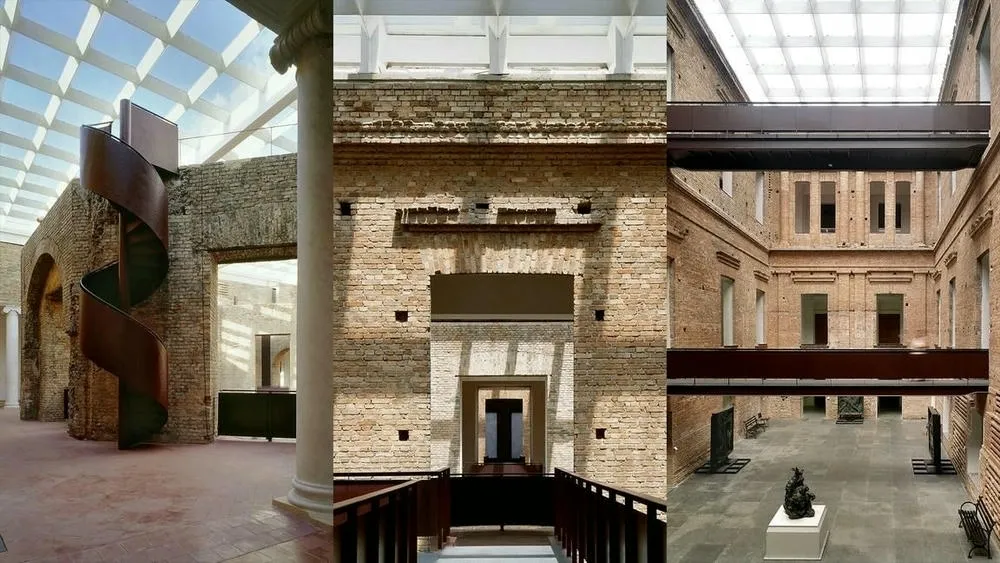
The internal spaces of the Pinacoteca were also renovated to better accommodate exhibitions and events. The exhibition rooms were reconfigured to provide a more fluid and engaging experience for visitors, while the circulation areas were optimized to facilitate movement through the museum. The project also included the creation of new social areas, such as cafes and rest spaces, providing more welcoming and inviting environments.
The final result of this retrofit project is a remarkable balance between the old and the new, preserving the history and identity of the Pinacoteca while offering a modern and functional infrastructure. The museum's revitalization not only enhances the visitor experience but also reinforces its role as a vital cultural center in the city of São Paulo.
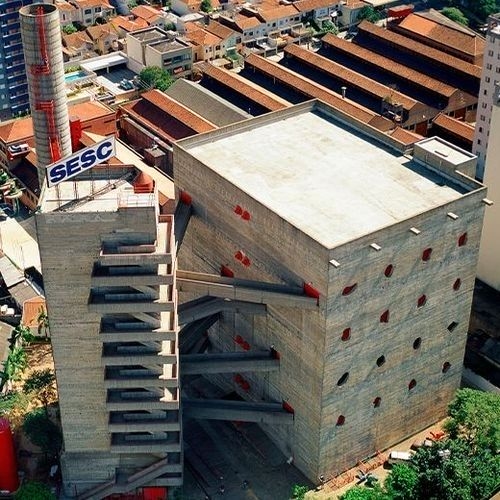
The retrofit project for Sesc Pompeia was designed by the renowned architect Lina Bo Bardi and is a remarkable work that transformed an old industrial complex into a multifunctional and iconic cultural space in the city of São Paulo.
Located in an old factory building, Sesc Pompeia was an abandoned drum factory that was acquired by the Social Service of Commerce (Sesc) in the 1970s. The institution aimed to create a cultural and recreational center that would benefit the local community, but recognized the need for a rehabilitation project that would preserve the history and identity of the original building. It was then that Lina Bo Bardi was invited to lead the retrofit project. Lina, recognized for her commitment to preserving historical heritage and her creative and innovative approach, embraced the challenge of transforming the old factory into a vibrant cultural space.
Lina Bo Bardi's retrofit project was based on principles of respect for the history and original architecture of the building, combined with contemporary interventions aimed at promoting social interaction and cultural vitality. She maintained elements of the industrial structure, such as the concrete columns and exposed pipes, creating a unique atmosphere and valuing the memory of the place.
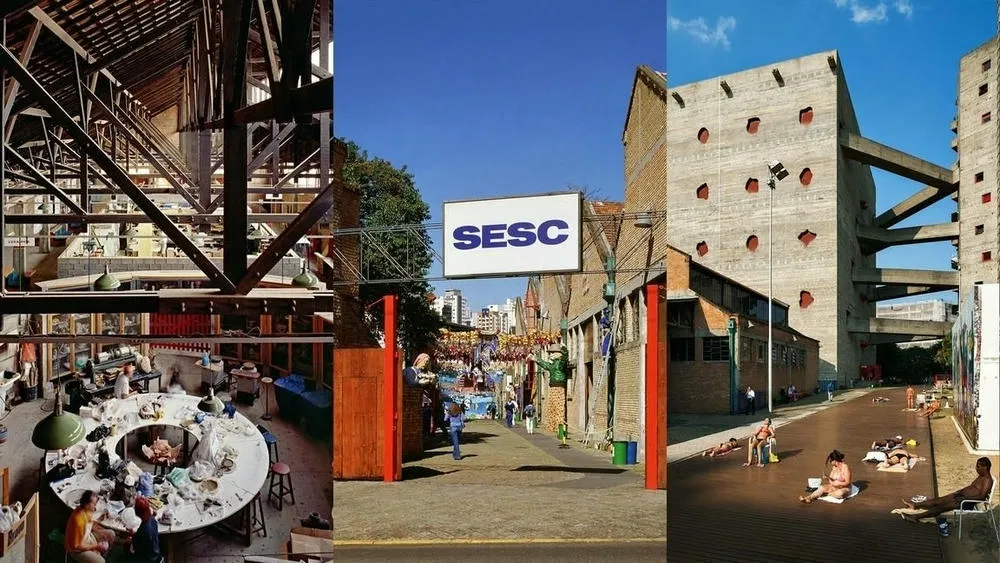
However, Lina also added modern and functional elements to the project. She built an exposed concrete tower that houses elevators and stairs, as well as offering a panoramic view of the region. She created open spaces and social areas that invite people to interact and participate in cultural activities. In addition, Lina Bo Bardi paid special attention to the outdoor spaces. She designed a public swimming pool and an open-air theater, making Sesc Pompeia an outdoor cultural space open to the community.
The retrofit project of Sesc Pompeia by Lina Bo Bardi is considered a remarkable example of the revitalization of an industrial building. The combination of historical preservation and architectural innovation resulted in a dynamic and inclusive cultural space that has become a landmark in the city of São Paulo. Lina Bo Bardi's work at Sesc Pompeia exemplifies her ability to balance past and present, creating spaces that reflect the identity and needs of the community.
 https://creativecommons.org/licenses/by-nc-nd/4.0/https://creativecommons.org/licenses/by-nc-nd/4.0/ArchShopArchShop
ArchShop is redefining the concept of residential architecture in Brazil, making high-quality projects accessible to everyone. Combining over 20 years of expertise in the construction sector with technological innovation, the company offers a complete digital platform that simplifies and democratizes the process of building the dream home.
See also
Understand what a true luxury two-story house is. Come check out its essential characteristics so you don't make a mistake when transforming a beautiful project.
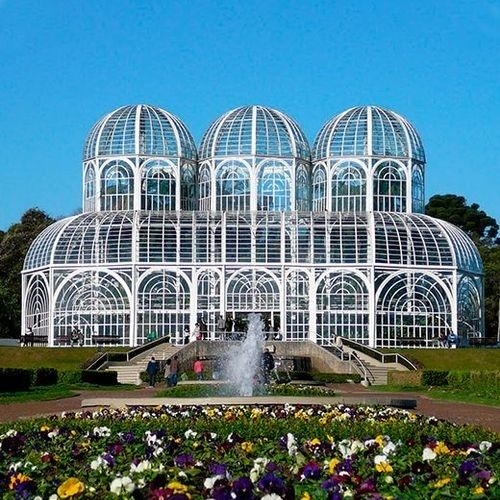
In this article, we will present 5 Brazilian cities that are a reference in architecture and that enchant visitors with their imposing constructions and beautiful urban landscapes.
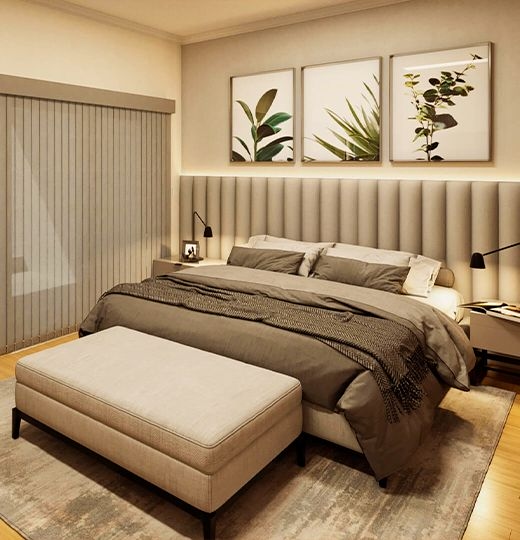
Looking for a 3-bedroom house plan that meets the needs of the whole family? Check them out below!
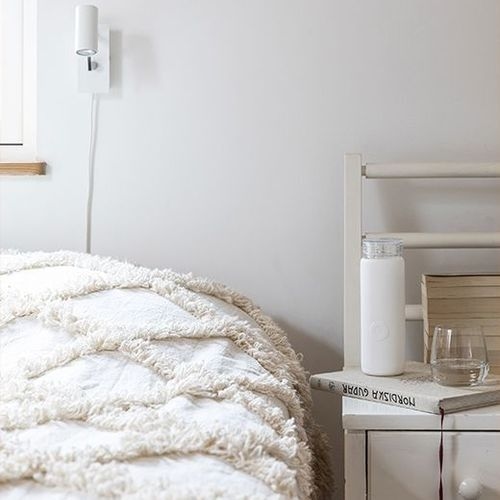
Inspired by the rich history of the region, it has evolved to embrace minimalism, a clean aesthetic, and an unwavering appreciation for the beauty of natural materials.
Advertise or Publish
We believe that the best ideas arise from the exchange of experiences and the sharing of different perspectives. Open the doors to new opportunities and be part of our blog! If you have an interesting article, an amazing work, a product or service that deserves to be highlighted, contact us.