Archshop,
Jul 1, 2026
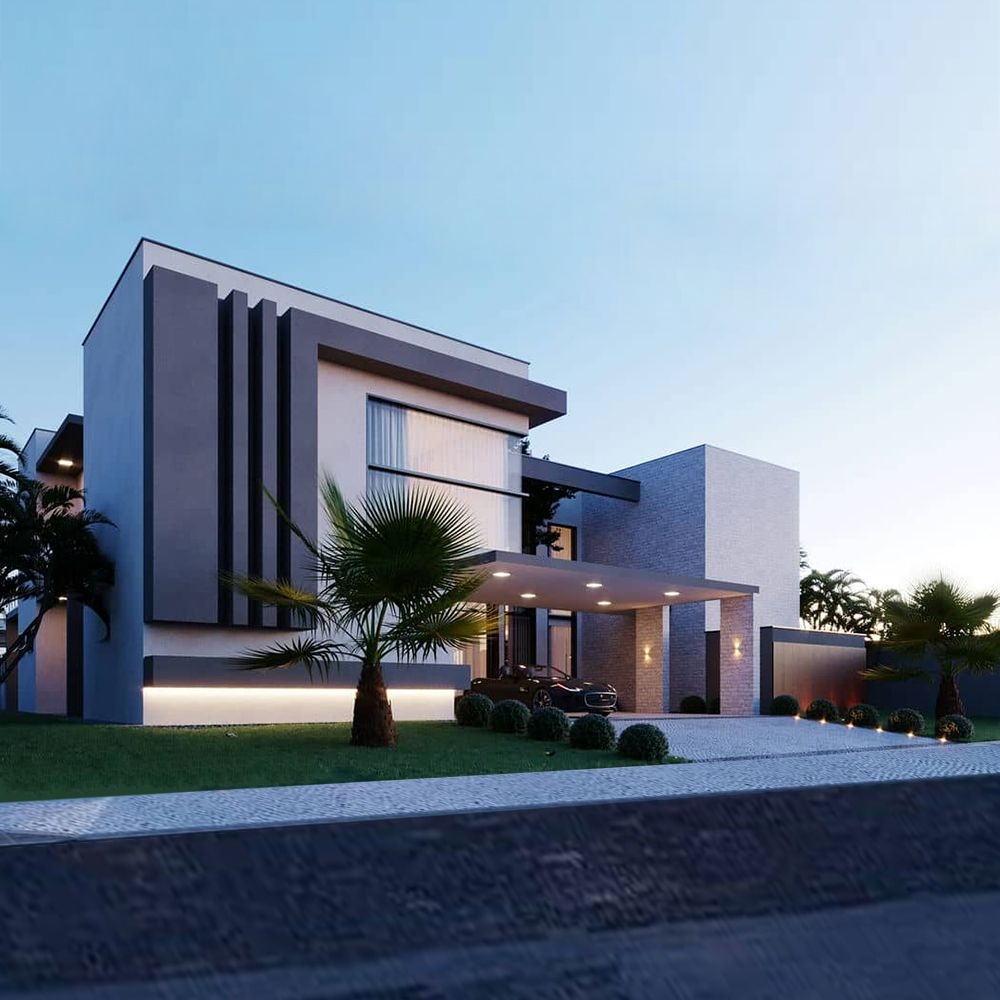
Luxury Two-Story House
Understand what a true luxury two-story house is. Come check out its essential characteristics so you don't make a mistake when transforming a beautiful project.
 https://creativecommons.org/licenses/by-nc-nd/4.0/https://creativecommons.org/licenses/by-nc-nd/4.0/ArchShopArchShop
Slow living is a lifestyle that seeks to balance well-being with the hectic pace of modern life.
Architecture is an expression of our culture and our way of life. In daily life, it plays a fundamental role in building well-being and emotional balance. With the growth of urban centers, many people have started to seek a slower, more peaceful life. The goal is to escape the hustle and bustle of big cities and live a quieter, less stressful lifestyle.
It is in this context that the concept of slow living emerges, becoming increasingly popular in architecture.
Slow living is a lifestyle that seeks to balance well-being with the hectic pace of modern life. It is a philosophy that values simplicity, connection with nature, and time to enjoy the little things in life. In architecture, slow living is presented in homes and spaces that prioritize functional, sustainable, and peaceful values.
Slow living architecture seeks to create welcoming and comfortable environments. Its goal is to slow down the residents' daily routine and connect them with nature. It is an architecture that values natural light, open spaces, and the use of sustainable materials. It also prioritizes the functional side of spaces, ensuring they are efficient and used effectively.
One of the most important aspects of slow living architecture is the use of natural materials. Wood, stone, and glass are very present in this type of architectural project. They convey feelings of comfort and tranquility and help create a connection with nature.
In addition, sustainable materials are also part of the slow living style. Solar energy and geothermal heating contribute to a more balanced and healthy world.
Another important aspect of slow living architecture is the appreciation of natural light. Spaces with large windows and big openings are ideal for creating welcoming and peaceful atmospheres. Abundant natural light is integrated with an efficient lighting system. LED lamps, for example, ensure adequate lighting without consuming much energy.
Functionality is another important detail in slow living architecture. Well-planned spaces are essential to ensure the comfort and tranquility of residents. The creation of flexible spaces helps maximize the utility of the environments. A room that can be used in different ways makes the house more effective.
Slow living also values the connection with the environment. Outdoor spaces (gardens, balconies, and terraces) are fundamental in this type of project. They help in the connection with nature and allow the resident to enjoy a peaceful outdoor environment. The use of plants and flowers contributes to air quality and the emotional balance of the residents.
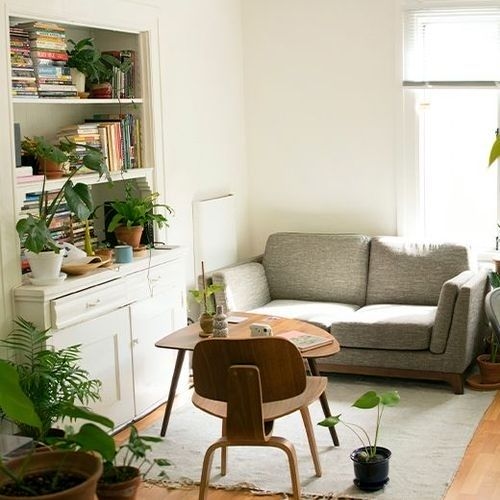
Slow living is a lifestyle that values simplicity, tranquility, and connection with nature. This lifestyle has been increasingly incorporated into architecture, creating spaces that reflect people's values and needs. We list below the main characteristics of slow living in architecture:
Simplicity is the foundation of slow living. In architecture, this means creating clean and minimalist spaces, without excess or unnecessary elements. Simplicity helps create an atmosphere of tranquility and well-being.
Slow living values the preservation of the environment. In architecture, this means using ecological materials and construction techniques, as well as ensuring the energy efficiency of buildings.
The connection with nature is one of the most important aspects of slow living. In architecture, this means creating spaces that allow residents to enjoy nature, whether through gardens, balconies, or terraces.
Functionality is a fundamental piece in slow living architecture. Well-planned environments, with good circulation and efficient use of space, are essential to ensure the comfort and tranquility of residents.
The creation of flexible spaces is a way to maximize the practicality of spaces and ensure they are used effectively.
Slow living is becoming increasingly popular in architecture. Many architects and interior designers are adopting this style to create welcoming and peaceful spaces. We have listed some examples of slow living that we identified in architecture:
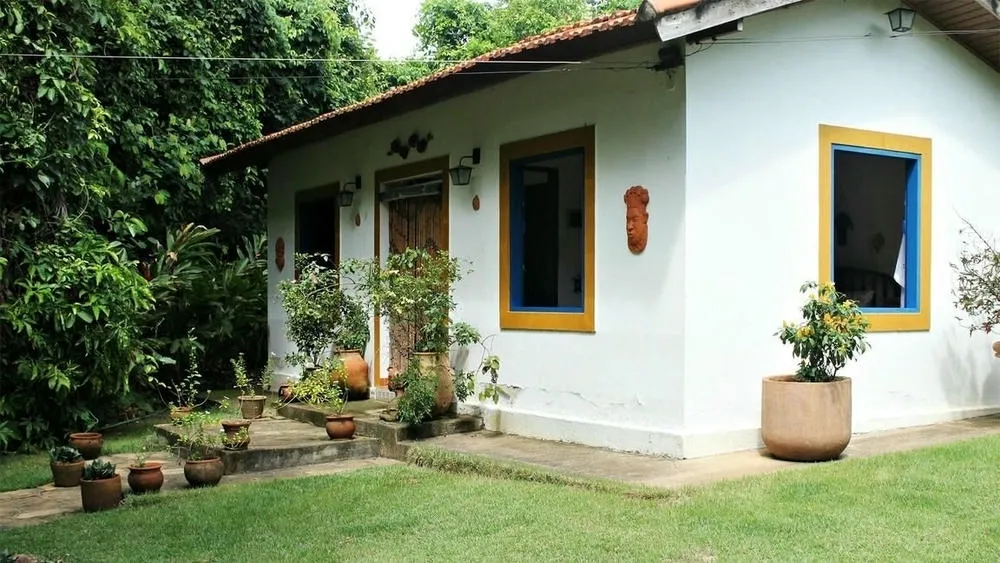
Country houses are one of the most common examples of slow living in architecture. They have simple lines and full connection with the environment. Their projects are ideal for those seeking a more peaceful and simplified life.
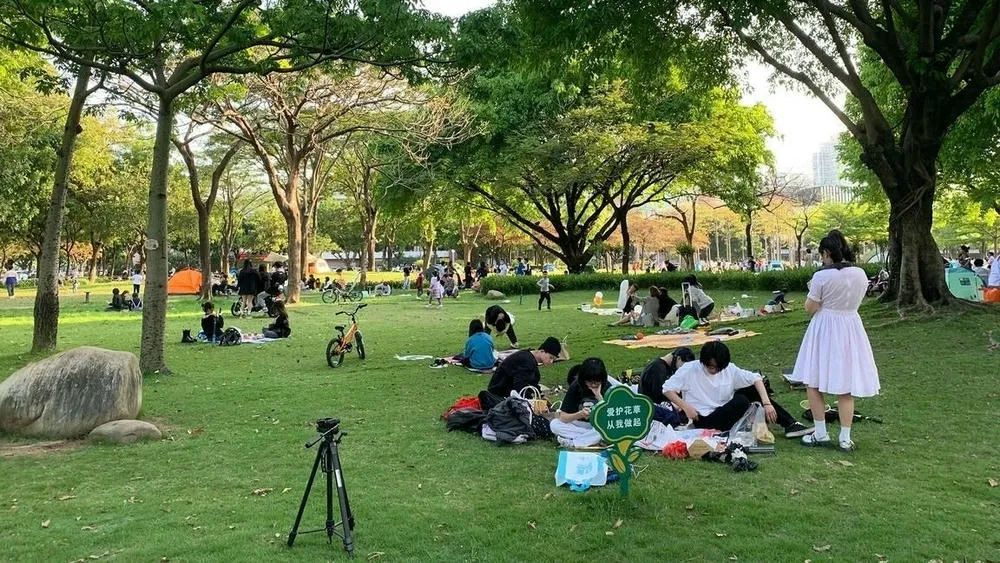
Slow living is also being incorporated into community spaces, such as public gardens, parks, and squares. These spaces are designed to create a welcoming and calming atmosphere. They encourage people to connect with nature and their community.
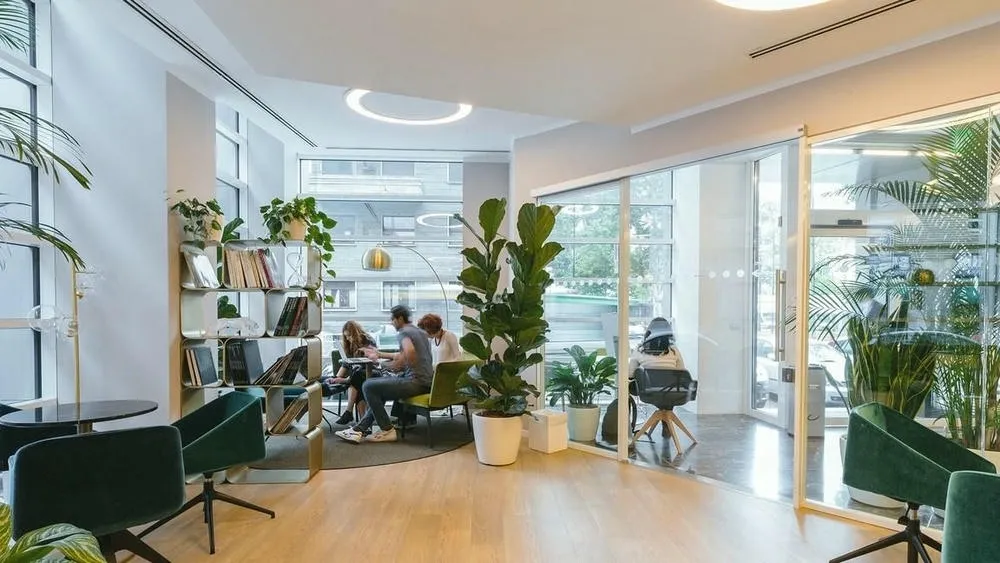
Offices are also adopting slow living, creating welcoming and balanced workspaces. These offices often include green spaces, natural lighting, and common areas. They encourage teamwork and connection among employees.
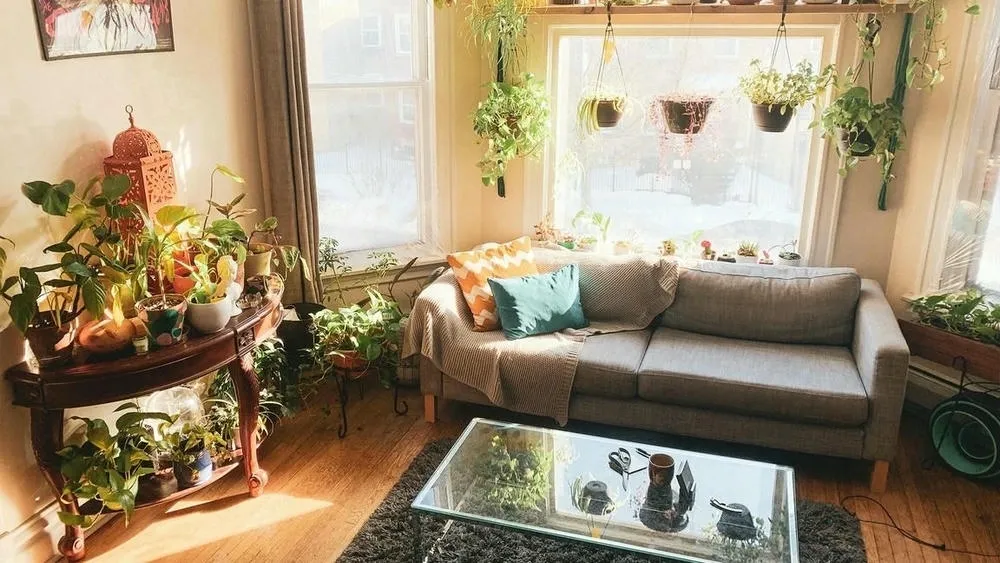
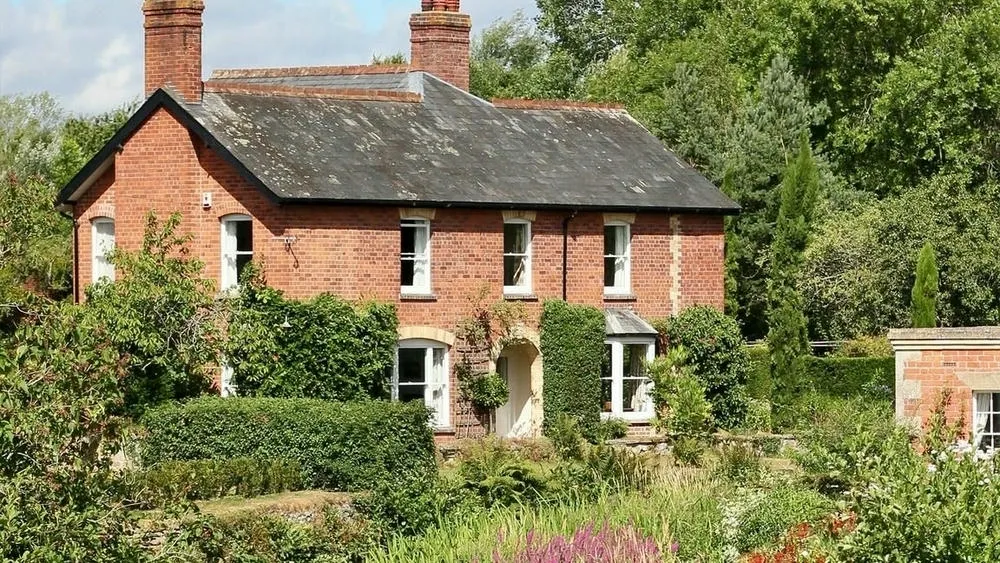
Residences are also adopting slow living, creating spaces that reflect the values and needs of the residents. These residences often include green spaces, terraces, and gardens, as well as sustainable materials and construction techniques.
We conclude that slow living architecture is a way of creating spaces that reflect people's well-being and balance. It is an architecture that values the simple, functional, and sustainable in its projects. Adopting slow living in architecture is a more sustainable and peaceful way of living. Preserving the environment and contributing to a better world, it helps you appreciate the little things in life.
 https://creativecommons.org/licenses/by-nc-nd/4.0/https://creativecommons.org/licenses/by-nc-nd/4.0/ArchShopArchShop
ArchShop is redefining the concept of residential architecture in Brazil, making high-quality projects accessible to everyone. Combining over 20 years of expertise in the construction sector with technological innovation, the company offers a complete digital platform that simplifies and democratizes the process of building the dream home.
See also
Understand what a true luxury two-story house is. Come check out its essential characteristics so you don't make a mistake when transforming a beautiful project.
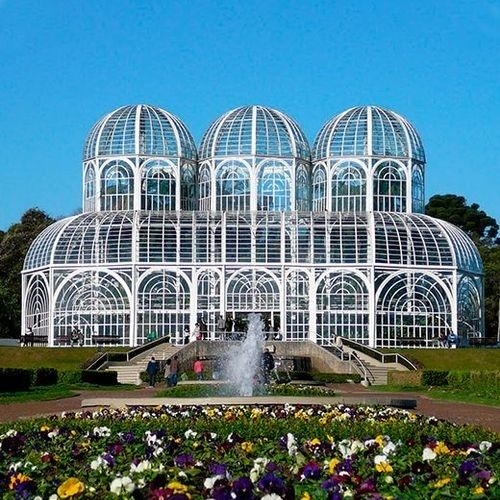
In this article, we will present 5 Brazilian cities that are a reference in architecture and that enchant visitors with their imposing constructions and beautiful urban landscapes.
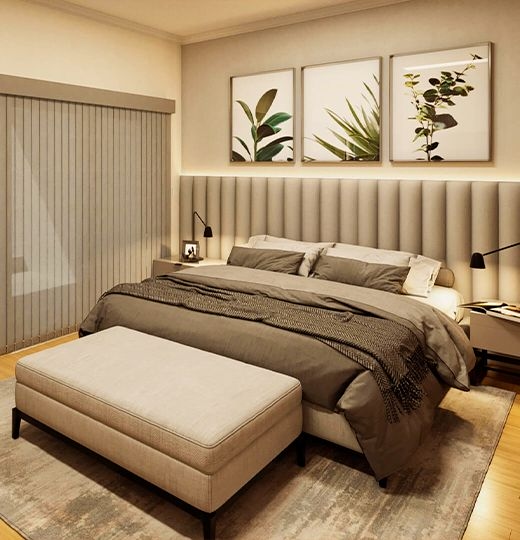
Looking for a 3-bedroom house plan that meets the needs of the whole family? Check them out below!
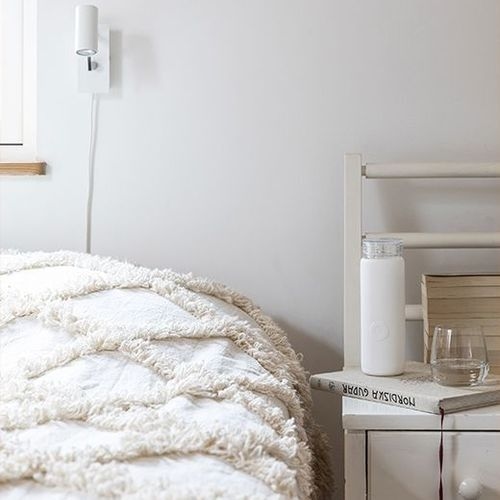
Inspired by the rich history of the region, it has evolved to embrace minimalism, a clean aesthetic, and an unwavering appreciation for the beauty of natural materials.
Advertise or Publish
We believe that the best ideas arise from the exchange of experiences and the sharing of different perspectives. Open the doors to new opportunities and be part of our blog! If you have an interesting article, an amazing work, a product or service that deserves to be highlighted, contact us.