Archshop,
Jul 1, 2026
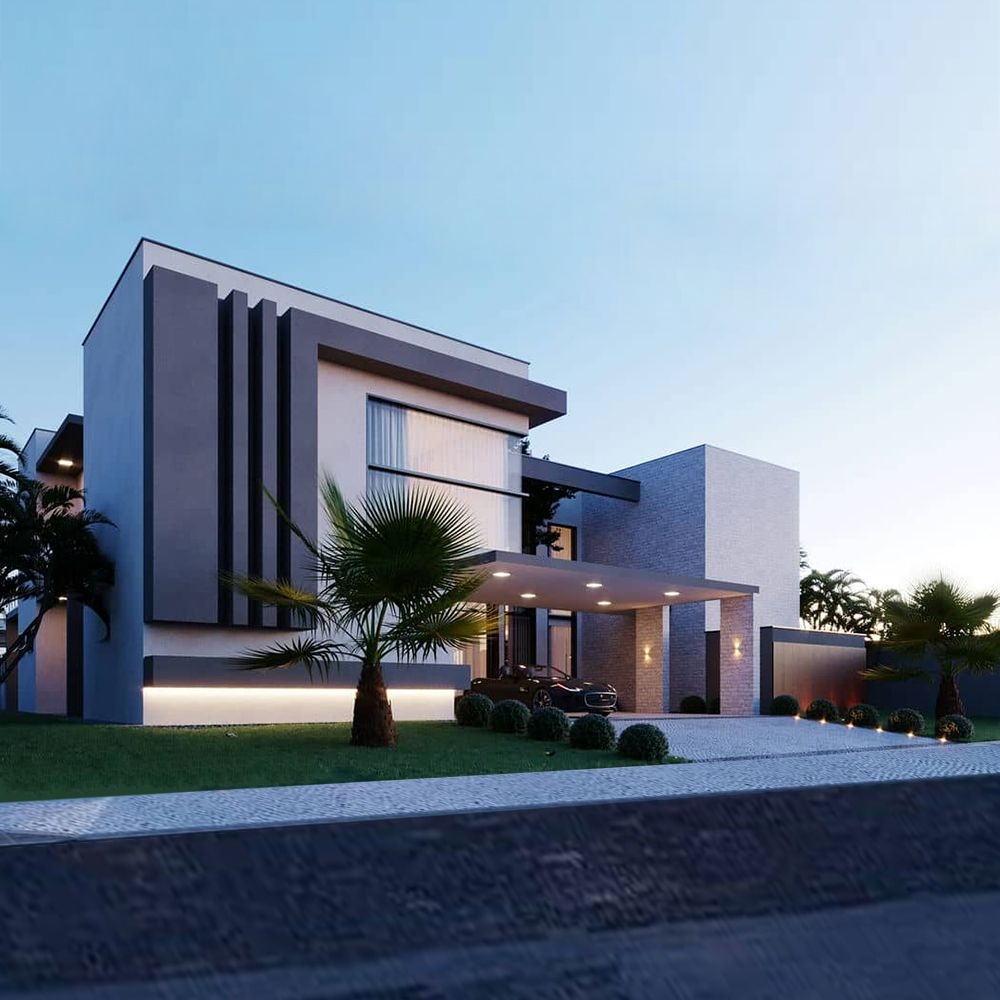
Luxury Two-Story House
Understand what a true luxury two-story house is. Come check out its essential characteristics so you don't make a mistake when transforming a beautiful project.
 https://creativecommons.org/licenses/by-nc-nd/4.0/https://creativecommons.org/licenses/by-nc-nd/4.0/ArchShopArchShop
The rustic style in architecture is one of the oldest and most appreciated today, for its simplicity, charm, and coziness.
The rustic style in architecture is one of the oldest and most appreciated today, for its simplicity, charm, and coziness. With the use of natural materials and the valorization of rusticity, this style brings a feeling of tranquility and harmony with nature. In this article, we will explore the history and main characteristics of the rustic style in architecture. We will also present an example of a residential project that uses this style to set the mood of the house. If you are passionate about architecture or want to know more about the rustic style, continue reading and embark on this journey with us.
In the etymology of the word, "rustic" derives from the Latin rusticus, which means peasant, related to the countryside, from the rural area. Over time, this meaning has become broader and has taken on other connotations. We can call something rustic that is simple, rudimentary, or often associated with life and customs of the countryside. Rustic can be used to describe people, objects, or environments that have simple, natural, or unsophisticated characteristics.
For architecture, the rustic style is a concept that originated in simplicity and the use of natural materials. This style is characterized by the use of wood, stone, ceramics, wrought iron, and other similar materials. It can be related to a diversity of artistic and architectural movements and periods. Being a simple style, with a striking and accessible look, it has a great presence throughout the history of architecture and civil construction. The wood frame construction system, for example, is mainly defined by the rustic aesthetic created by the wooden structure.
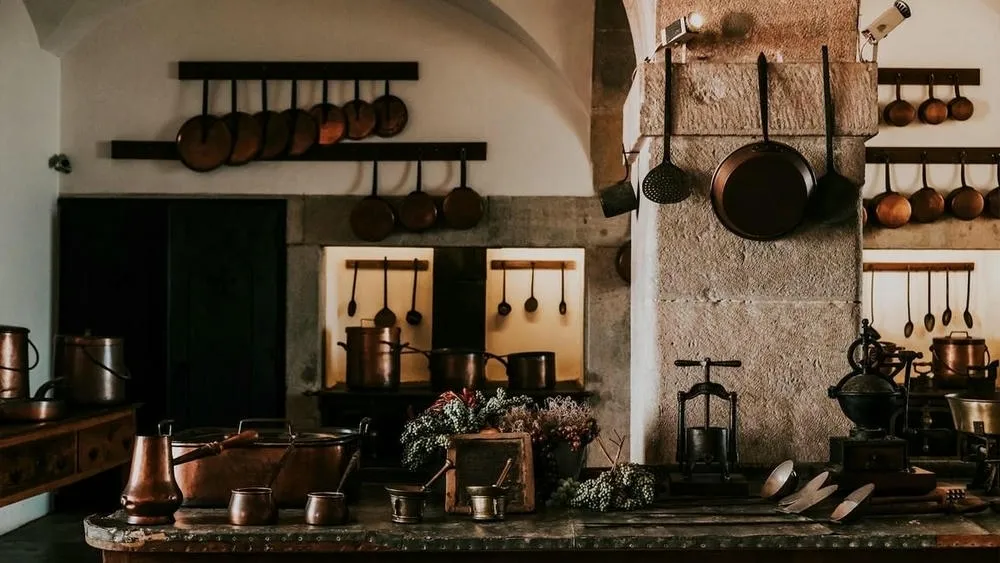
The origin of the rustic style in architecture dates back to the prehistoric period, mainly with the beginning of vernacular constructions. At that time, people began to build shelters for protection against the weather and wild animals. The first builders used natural materials to create simple and resistant structures. Over time, these shelters evolved and improved, incorporating new materials and techniques.
In ancient Greece, for example, the rustic style was characterized by robust columns carved from wood, thatched roofs, and stone walls. In the Middle Ages, Italy and France were also the stage for many rustic style architectures. For the time, it was common to build fortresses and castles made of solid stone, which protected cities from possible invaders.
During the Renaissance, the rustic style in architecture experienced a revival in popularity. Architects and designers began to use ancient techniques and natural materials in more creative designs. Many Renaissance buildings featured stone walls and wood carved in ornamental details. In North America, the rustic style gained greater popularity in the late 19th and early 20th centuries. The increase in popularity was mainly in response to the growth of industry at the time.
Currently, the rustic style remains popular worldwide. Many designers and architects have been exploring new ways to incorporate natural elements into their projects. The trend of using recycled and reused materials can also be seen as a rustic aesthetic. They offer a more sustainable way to build buildings while maintaining a connection with nature.
In short, the rustic style in architecture has its roots in vernacular constructions, evolving throughout history. Today it is found as a distinctive and very popular style in architectural projects. Its lasting appeal is partly due to its ability to evoke simplicity and harmony with the environment. In a world that seems overly complex and artificial, rustic characteristics stand out.
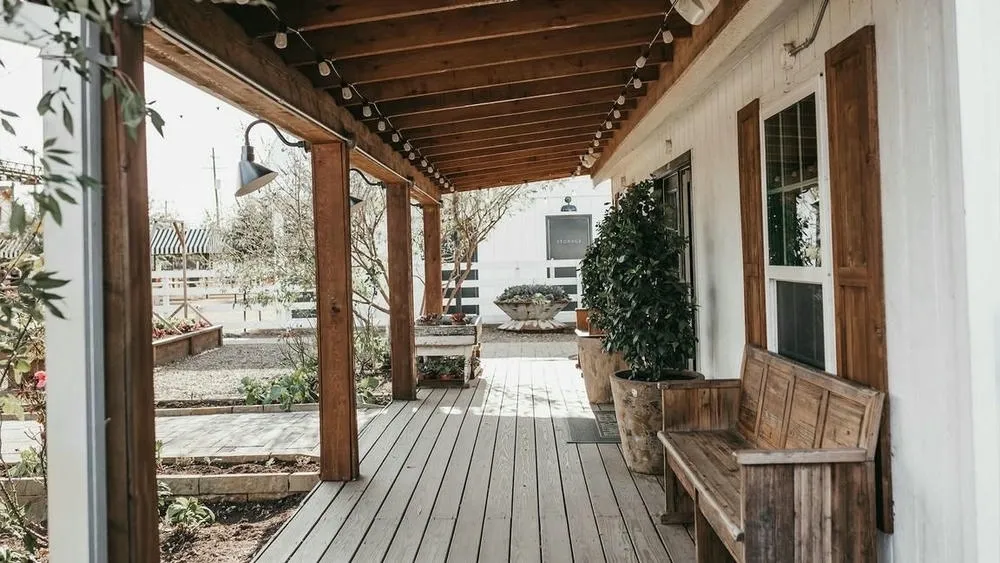
Integrating natural elements into a rustic style project is essential to create an authentic, cozy, and nature-connected environment. Nature is the root of this style, and valuing it is the key to a successful project.
The rustic style is known for its cozy and natural atmosphere, which evokes a sense of comfort and tranquility. Nature is the root of this style, and all the elements used in the project are inspired by the environment. In this sense, integrating natural elements into the project is essential to create an authentic and cozy space.
One of the main characteristics of the rustic style is the proximity between indoor and outdoor areas. For this, the use of large glass panels and doors are very effective options. They allow for a greater connection with the environment and favor the entry of natural light.
Vegetation is also very welcome in the planning of the house, as is the landscaping that can surround it. Plants and flowers beautify the environment, in addition to providing health benefits to residents. Therefore, it is important that the project prioritizes openness to natural elements, green areas, plants, flowers, and other organic decorations.
However, it is also possible to create a project with subtle references to the rustic style. With natural items and a sophisticated composition, the design can create a sense of relaxation and well-being. The elements create a balance and adopt only the desired characteristics of the rustic style, without completely transforming the space.
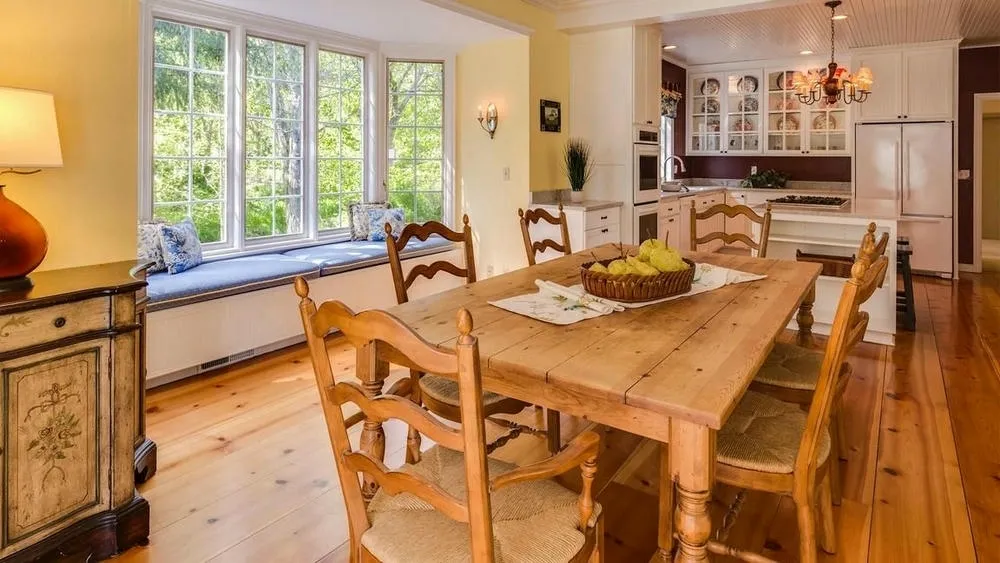
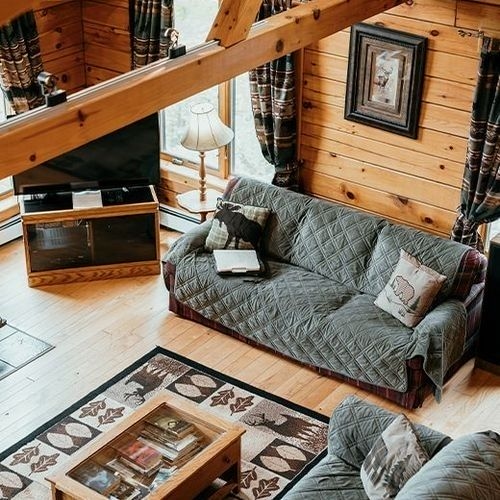
The rustic style is characterized by the use of natural materials and decorative elements that give a more authentic and cozy look to buildings.
The composition of the rustic style is mainly characterized by the use of natural elements. Through them, the country atmosphere is created and the chosen design can be developed. Materials play a fundamental role in the execution of an architectural project in a rustic style. Among the main materials used in this style, we can highlight:
The list of materials used by the rustic style is extensive, and the rusticity of a project can be achieved in various ways. It all depends on the idea to be explored and the rusticity requested by the construction. Materials are a key piece to bring the rustic style to the environment, giving a natural and sophisticated touch to the decoration.
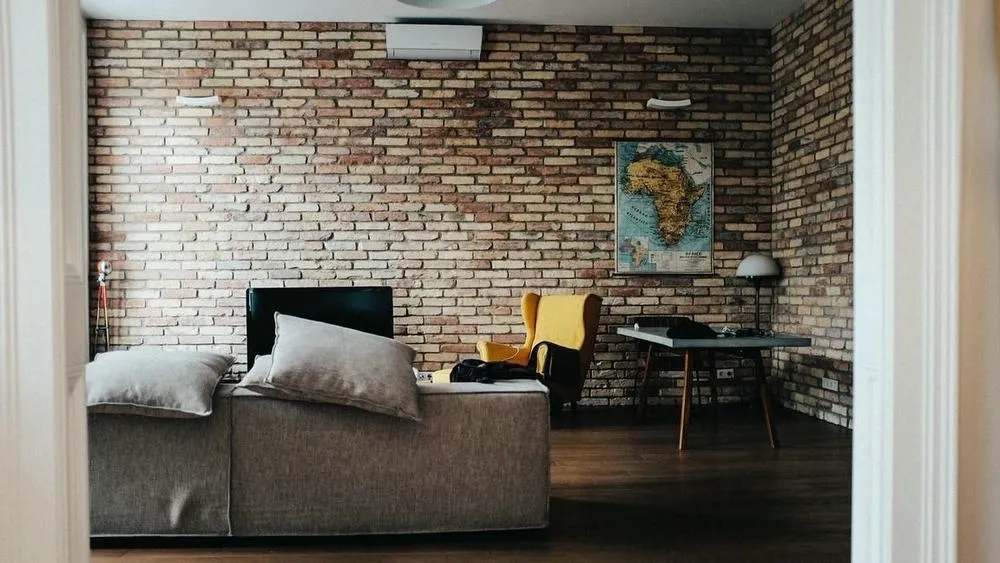
Investing in cladding is a great option for those who want to apply the rustic style to an architectural project. The claddings are capable of creating an immersive sensory experience that refers to the countryside.
The rustic style is known for its simplicity and comfort, but also for its authenticity. And one of the elements that can be used to reinforce this authenticity is cladding. Although not mandatory, rustic claddings add personality to environments and create an immersive sensory experience that refers to the countryside.
Although wood is one of the most used materials in the rustic style, claddings also have their particularities. Exposed bricks and stone walls are the main highlights and are capable of giving a rudimentary character to the environment. The irregularities in the shapes and positions of the cladding are part of the experience and add even more to the rustic personality.
In addition to bricks and stones, there are other materials that can be used as rustic cladding, such as ceramics, burnt cement, and even metal. These materials have in common the fact that they are resistant and durable, which makes them ideal for country environments.
However, it is important to note that the excessive use of rustic cladding can overload the environment and make it heavy. Therefore, it is important to use these materials in moderation and in harmony with the other elements of the environment.

Exploring the palette of natural and earthy colors is one of the main characteristics of the rustic style in architecture. In addition to bringing coziness and warmth, the colors provide a connection with nature and a harmonious and balanced environment.
The rustic style in architecture is marked by a connection with nature, which is mainly reflected in its color palette. The tones used in this style seek a direct reference to the environment and frame a pleasant composition. White, black, grays, and browns are neutral tones used as a base. There is also the presence of more characteristic tones, such as the green of vegetation and the blue of the sky.
When establishing the color palette for a rustic project, it is important to take into account the feeling expressed by the composition. The goal is to create comforting spaces that have harmony with each other. The cozy atmosphere of the rustic style can be achieved by balancing colors and materials and favoring warm undertones.
Inviting colors are essential to create a stimulating and comfortable space for residents. In addition to those already mentioned, orange, red, and pink tones are also interesting options to incorporate into the rustic palette of an environment.
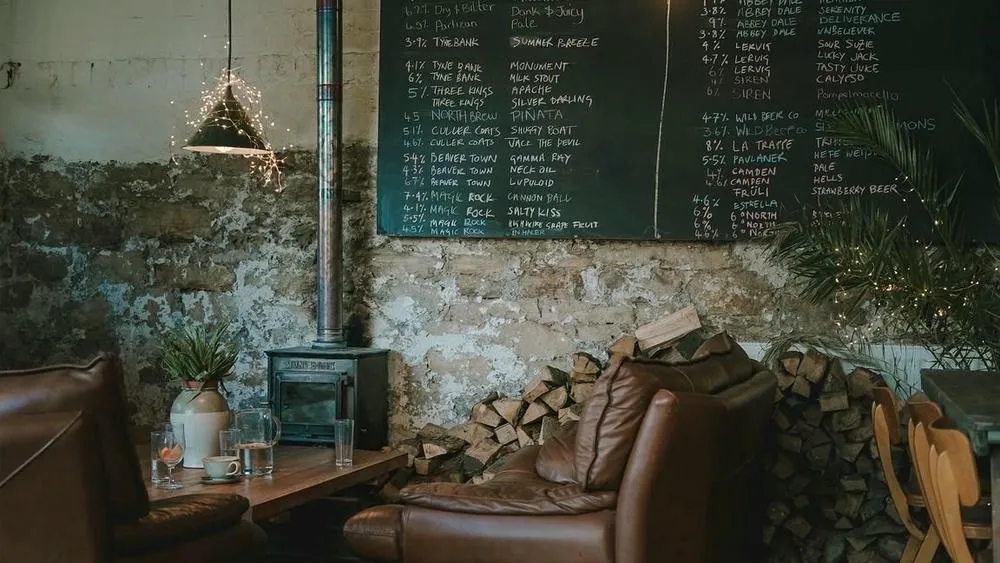
Lighting is a fundamental element in creating a rustic environment and should be chosen with care. It helps to ensure the cozy and inviting feeling that the style provides.
The rustic style is known for its cozy and inviting atmosphere, which refers to life in the countryside and nature. For this feeling to be achieved, lighting is a key element in the decoration of rustic environments. Proper lighting values the colors and materials chosen for the space, highlighting the beauty and naturalness of each one. Therefore, it is important to use softer and gentler lights than conventional lighting models.
Yellow or lower wattage bulbs are ideal for creating the feeling of warm and cozy lighting. This type of lighting is often found in rustic spaces and makes a direct reference to the country atmosphere. In addition, floor lamps, table lamps, and pendant lights are great options for creating the characteristic half-light of this style.
Another important characteristic of lighting in rustic environments is the combination with natural light. This type of environment benefits from large entrances of natural light, so it is important to privilege large windows and glass doors. Natural lighting not only saves energy, but also allows the internal natural elements to gain more life. By using soft and natural lights in combination with natural light, it is possible to create a cozy and inviting rustic space.
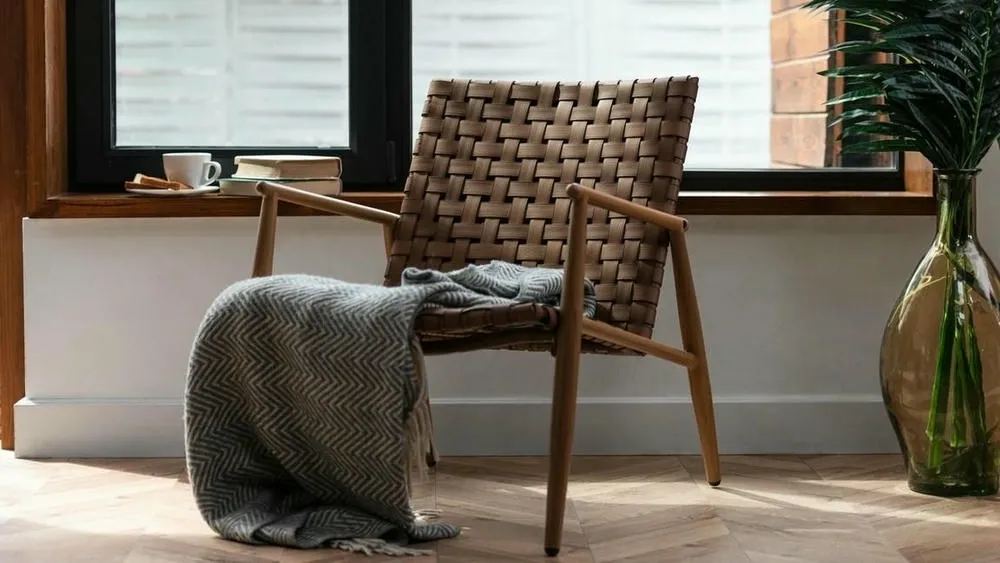
If you are thinking of adopting the rustic style in your home decoration, remember the importance of handicrafts. In addition to contributing to the beauty of the environment, you will be valuing popular culture and supporting local artists and artisans.
The rustic style is characterized by the use of natural materials and simple finishes, referring to the climate of country houses. To further reinforce this style, the use of handmade pieces in the decoration can be an excellent option. In addition to adding aesthetic value to the environment, handmade objects help to create a unique sensory experience. They are the result of manual work and belong to the local popular culture.
Using handicrafts to complement a rustic architectural project is a way to continue the style. Beyond materials, colors, and claddings, the details in the decoration can be the ideal solution to create a more immersive environment. In addition, handmade objects are financially more accessible pieces, with reasonable values and easy to locate. They can act as an economic strategy in the conception of spaces. Best of all, by opting for handicrafts, you also contribute to the appreciation of local artists and artisans.
And it is possible to go even further with handmade pieces. The project can invest not only in decorative objects but also in the furniture itself. Handmade furniture are versatile elements and fill the environment with the desired aesthetic. The careful choice of handmade objects and furniture can completely transform an environment and create a cozy and welcoming atmosphere.
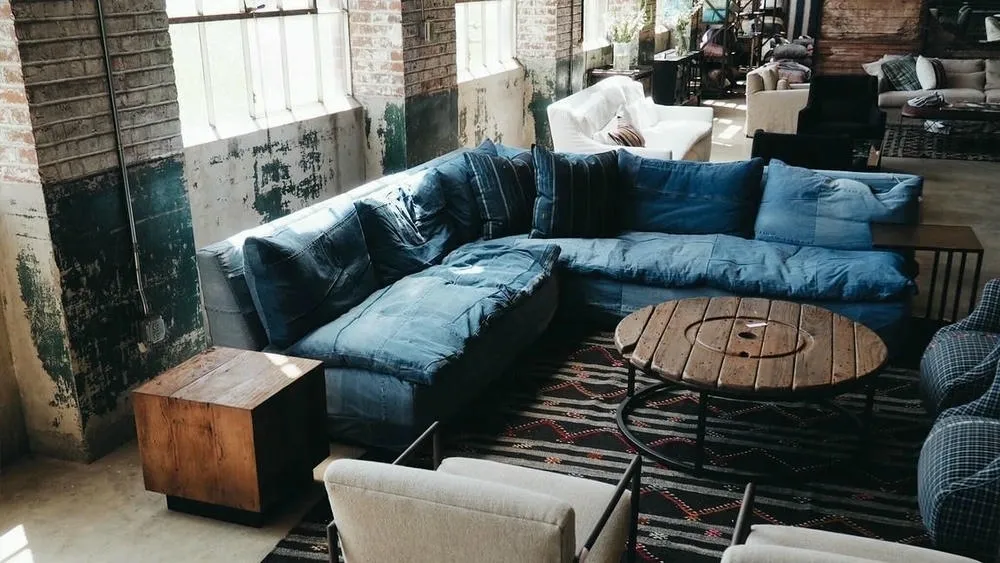
In the rustic style, imperfections are highly valued for transmitting authenticity and personality to the project. And if the goal is to make the house rustic, conserving a cozy atmosphere is essential for a successful project.
Unlike other styles that appreciate impeccable finishes, the rustic style embraces imperfections and a natural aesthetic. From claddings to furniture, imperfections are highly valued with the aim of preserving the rusticity of the environment. They are small, simple, and inexpensive details, but they add directly to the feeling of comfort and coziness.
By appropriating the elements and materials in their natural state, the rustic style favors the aged look. It seeks never to follow a visual metric that fits it into a certain pattern. The mixture of rustic materials and textures is essential to create a relaxing environment with personality.
One of the main characteristics of this style is the cozy atmosphere it provides. Whether in a simple or sophisticated rustic environment, it is possible to create a pleasant and inviting space for the whole family. The use of natural elements such as wood, stone, and ceramics are some of the options to make the space warmer and more welcoming.
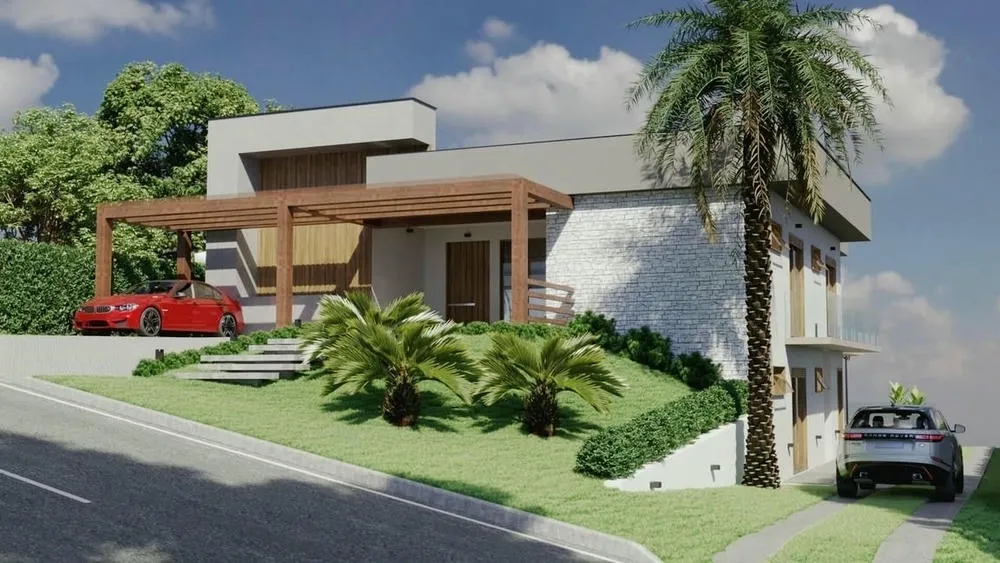
The rustic style is one of the most beloved and sought-after styles in architecture. It brings a touch of nature and simplicity to environments, making them cozy and charming. An excellent example of a rustic style house is the Buenos Aires Project from ArchShop.
Idealized on a 25x50 meter plot, the project has a constructed area of 444.46m². It has 5 suites, 7 bathrooms, 2 garages, a gourmet area, and a pool. It is a high-end residential project and stands out for its double-height ceiling in the social areas. The house has great sophistication and a feeling of spaciousness.
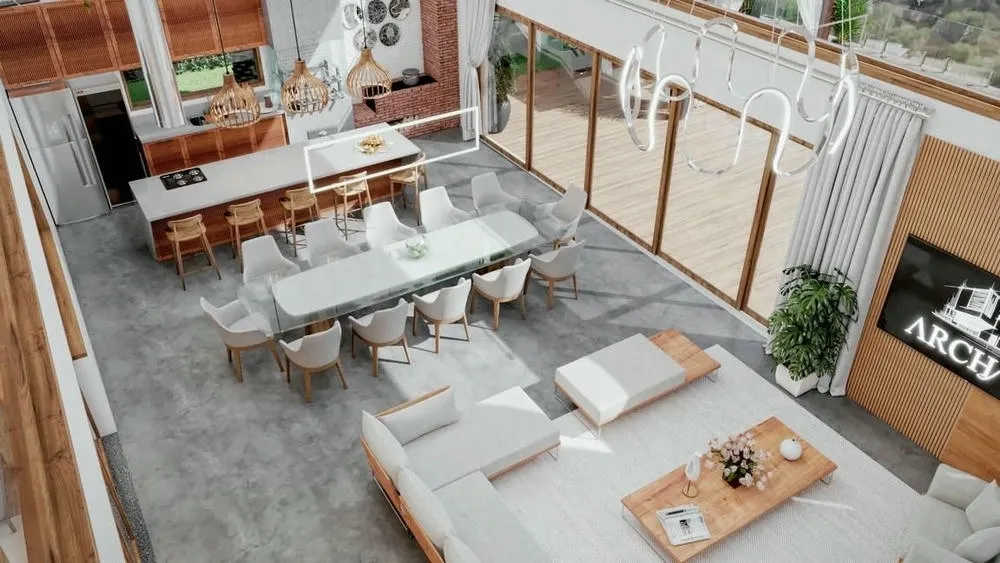
The façade of the Buenos Aires Project is marked by rustic elements, such as wood, bricks, and stone. Along with the palette in neutral tones, the elements give a natural look and bring elegance in their lines. The pool and barbecue area is integrated into the social area of the house, creating the best space to receive gatherings. The internal decoration follows the rustic line presented, with furniture and objects in wood, in addition to a palette in neutral and earthy tones. As for lighting, the large openings invite natural light and amplify the spaces.
The Buenos Aires Project from ArchShop is an example of how the rustic style can be used in an elegant and sophisticated way in residential architecture. With natural elements and cozy decoration, this project is perfect for those looking for a quiet and welcoming environment to call home.
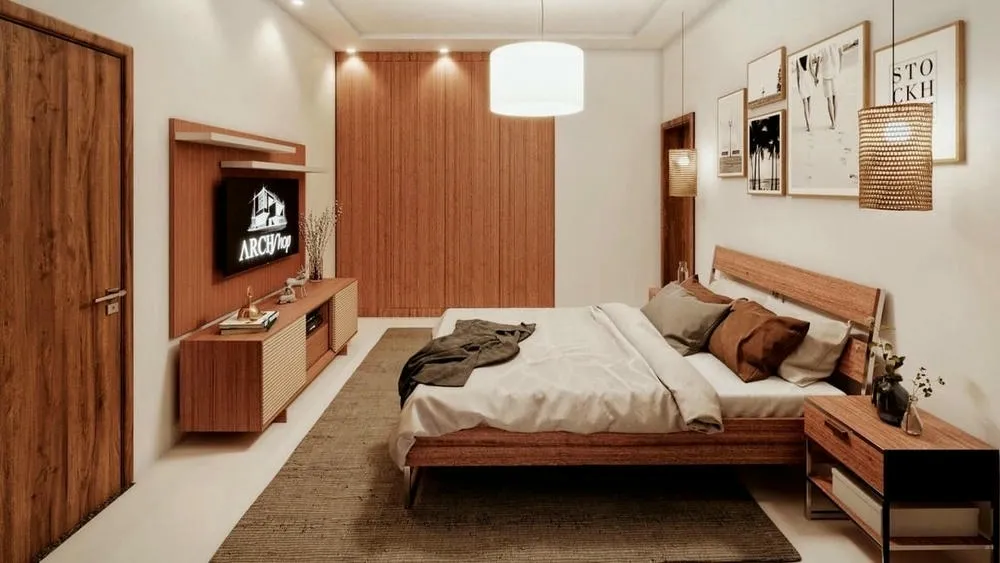
The rustic style is an approach that offers many benefits for residential projects. It creates cozy and comfortable environments through the use of natural materials and earthy colors. The Buenos Aires Project from ArchShop is just one of the many options available in our catalog. Here we offer a wide variety of residential projects to meet the needs and preferences of all clients.
Architecture in a rustic style is an excellent choice for those looking for a quiet and welcoming environment. Regardless of where the house will be built, the rustic approach is one of the most versatile and effective present in architecture. It offers several design possibilities and adaptation for different needs and styles.
 https://creativecommons.org/licenses/by-nc-nd/4.0/https://creativecommons.org/licenses/by-nc-nd/4.0/ArchShopArchShop
ArchShop is redefining the concept of residential architecture in Brazil, making high-quality projects accessible to everyone. Combining over 20 years of expertise in the construction sector with technological innovation, the company offers a complete digital platform that simplifies and democratizes the process of building the dream home.
See also
Understand what a true luxury two-story house is. Come check out its essential characteristics so you don't make a mistake when transforming a beautiful project.
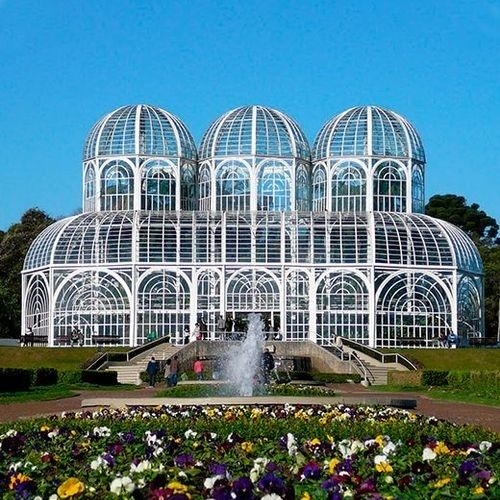
In this article, we will present 5 Brazilian cities that are a reference in architecture and that enchant visitors with their imposing constructions and beautiful urban landscapes.
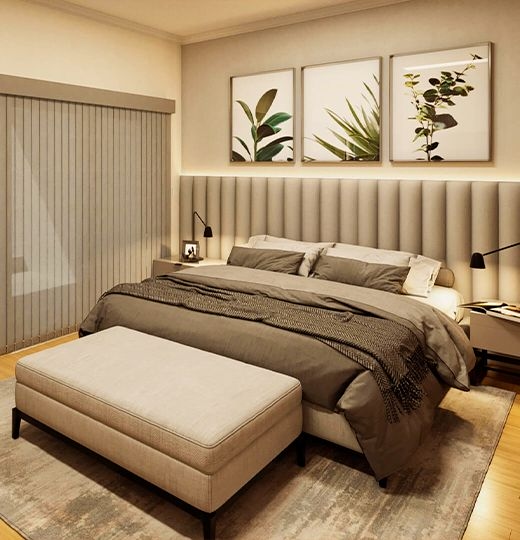
Looking for a 3-bedroom house plan that meets the needs of the whole family? Check them out below!
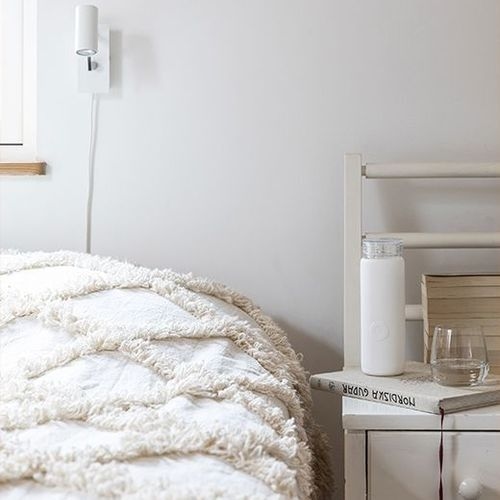
Inspired by the rich history of the region, it has evolved to embrace minimalism, a clean aesthetic, and an unwavering appreciation for the beauty of natural materials.
Advertise or Publish
We believe that the best ideas arise from the exchange of experiences and the sharing of different perspectives. Open the doors to new opportunities and be part of our blog! If you have an interesting article, an amazing work, a product or service that deserves to be highlighted, contact us.