Archshop,
Jul 1, 2026
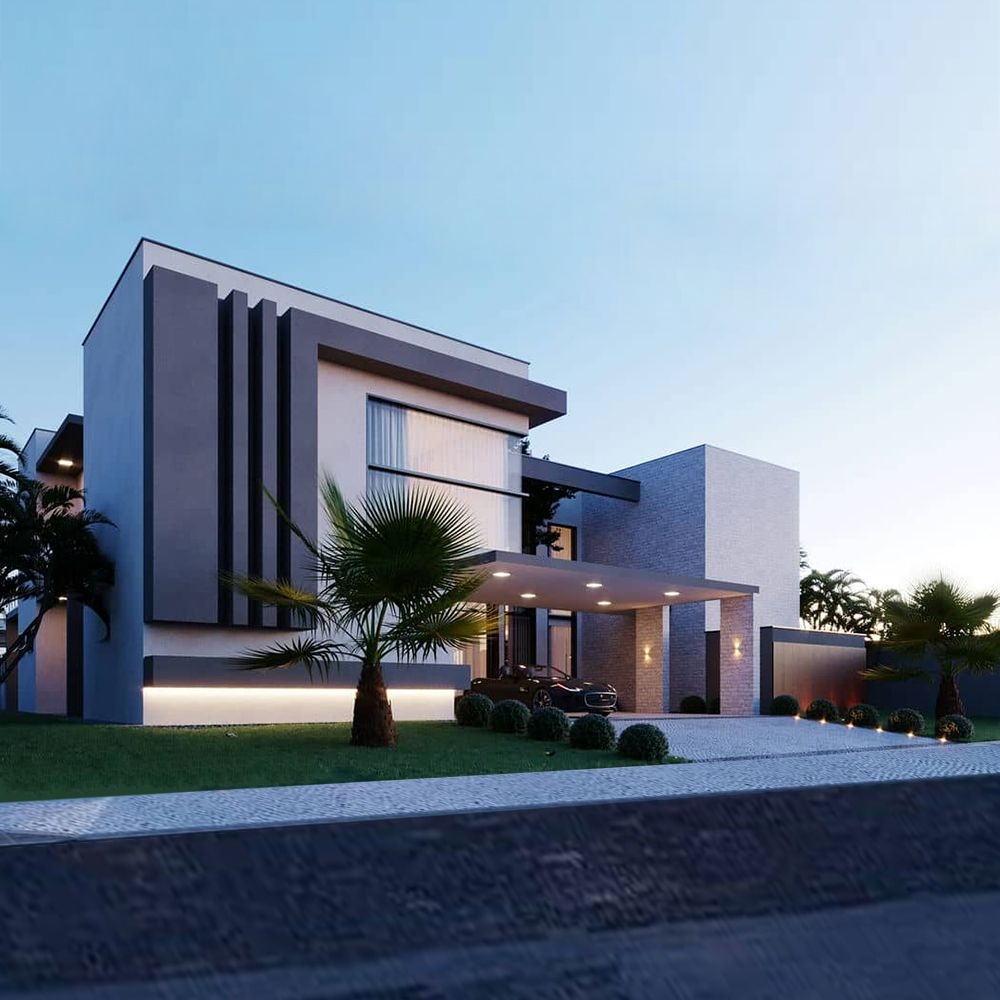
Luxury Two-Story House
Understand what a true luxury two-story house is. Come check out its essential characteristics so you don't make a mistake when transforming a beautiful project.
 https://creativecommons.org/licenses/by-nc-nd/4.0/https://creativecommons.org/licenses/by-nc-nd/4.0/ArchShopArchShop
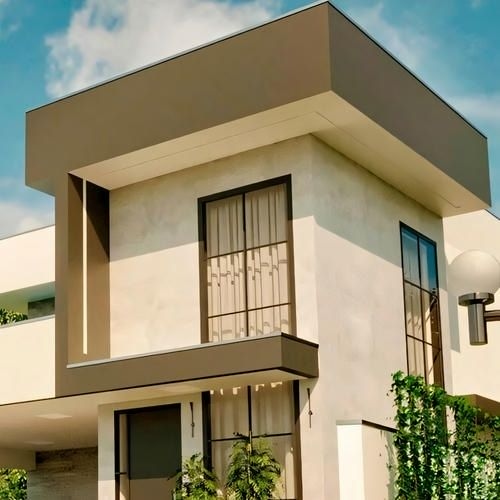
The platband is an architectural element that plays a fundamental role in the aesthetic and functional composition of buildings.
The platband is an architectural element that plays a fundamental role in the aesthetic and functional composition of buildings. It consists of a horizontal extension of the wall beyond the roof, creating a visually clean and smooth line between these elements. Its main function is to provide a harmonious transition between the roof and the facade, hiding the roof's slopes and structures, and giving a modern and elegant look to the construction. In addition, the platband can be customized with decorative details, such as moldings, cornices, or reliefs, adding a touch of style and personality to the building. In this article, we will explore in greater depth the characteristics of platbands and answer frequently asked questions about them.
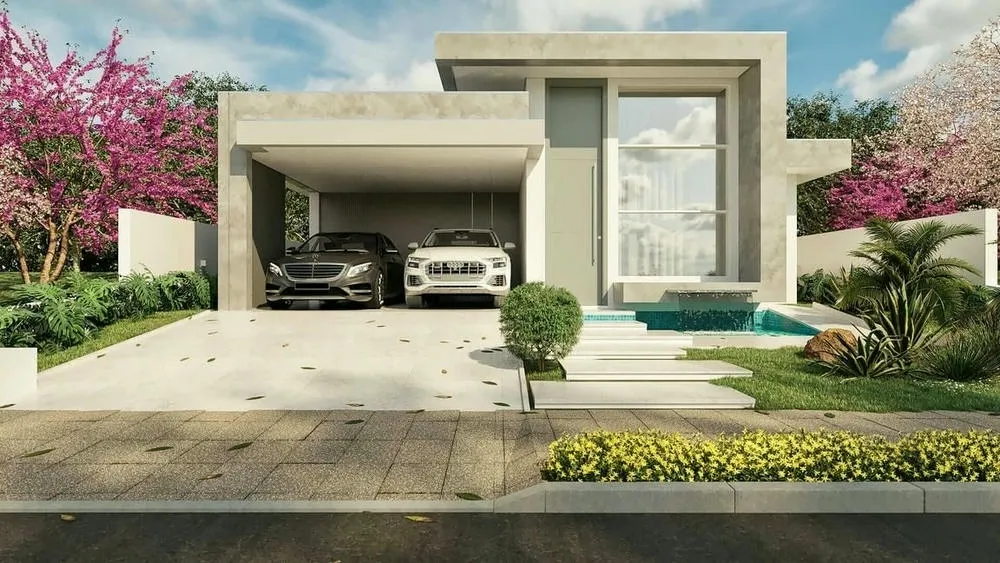
A platband is an architectural element used on building facades that consists of a horizontal extension of the wall beyond the roof. It is usually flat and parallel to the ground, creating a kind of visual barrier between the roof and the facade. The platband is often used to hide the slopes of the roof, giving a cleaner and more modern appearance to the construction. In addition, it also serves as a decorative element and can be ornamented with architectural elements, such as cornices or reliefs. The platband plays an important role in architecture, providing a smooth visual transition between the roof and the facade, as well as contributing to the aesthetics and harmony of the building.
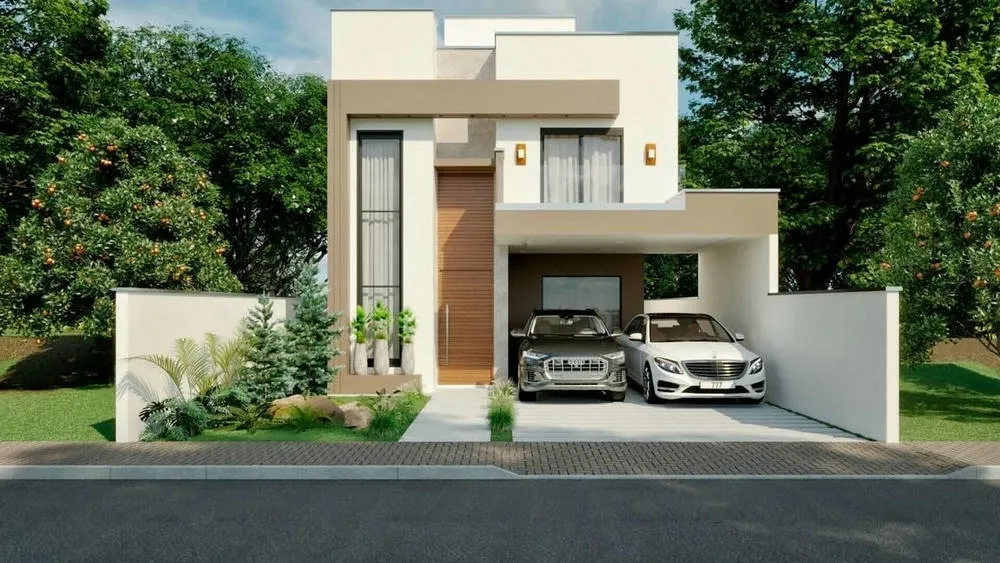
The platband has several functions in architecture. Firstly, it serves as a visual transition element between the roof and the facade of the building. By extending the wall beyond the roof, the platband creates a horizontal line that softens the abrupt transition between the roof slopes and the verticality of the walls. This results in a cleaner and more balanced aesthetic, giving a more modern look to the building.
Furthermore, the platband also has a practical function. It acts as a visual barrier, concealing the roof and its underlying structures, such as gutters, flashings, and ridges. These elements, although necessary for the proper functioning of the roof, can have a less attractive appearance when exposed. The platband allows them to be hidden, providing a more harmonious and aesthetically pleasing facade. In addition, the platband can be used as an additional surface for the application of decorative elements, such as claddings, moldings, or architectural ornaments, contributing to the customization and style of the building.
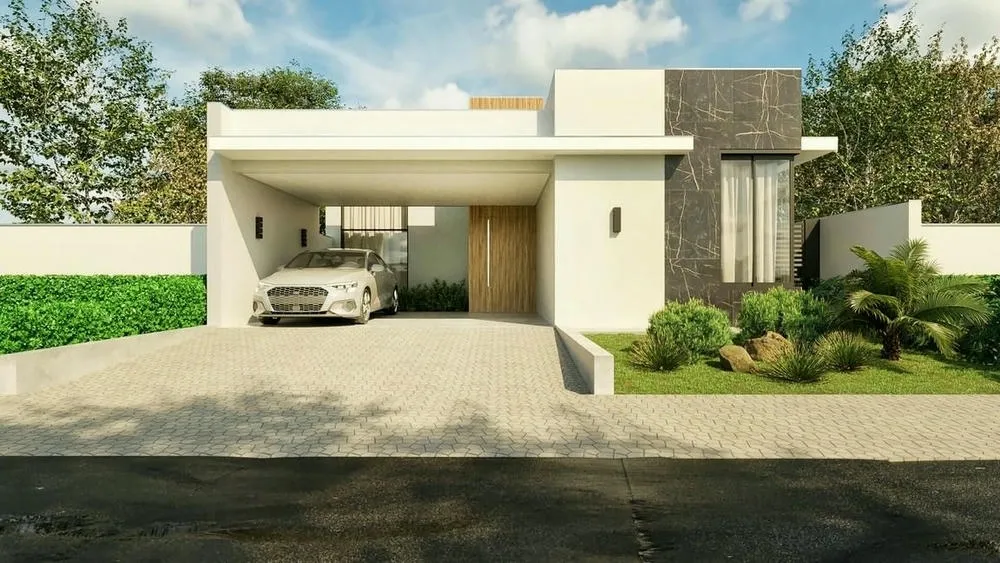
The construction of a platband can vary depending on the architectural design and the materials used. Generally, the platband is formed by a horizontal extension of the wall that extends beyond the roof. To create the platband, it is necessary to follow some basic steps.
First, the building's walls are constructed, following the project specifications. Then, the roof structure is installed, such as the trusses and support battens. After the roof is installed, the platband is built on top of it.
The construction of the platband can be done using various materials, such as bricks, concrete blocks, pre-fabricated panels, among others. These materials are placed on the roof structure, creating a horizontal extension of the wall. It is important to ensure that the platband is leveled and aligned correctly to obtain a uniform finish.
After the construction of the platband, one can choose to cover it with different materials, such as plaster, paint, ceramic, stone cladding, or other finishes according to the desired architectural style. In addition, decorative elements, such as moldings, cornices, or reliefs, can be added to give a personalized touch to the platband.
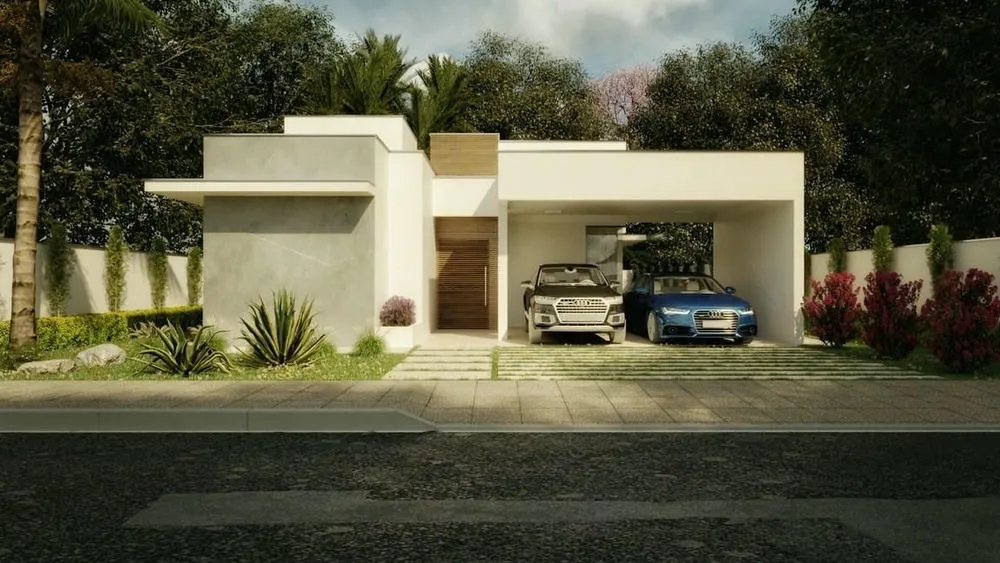
The platband is widely used in modern architecture as an aesthetic and functional solution to create clean and contemporary facades. It is especially suitable in architectural projects that seek a minimalist look, with straight lines and simple geometry.
In modern architecture, the platband is often used in commercial, residential, and institutional buildings, offering a smooth transition between the roof and the facade, without the traditional projections and ornaments. This approach gives a more simplified and elegant look to the construction.
Furthermore, the platband is a popular choice when you want to hide technical elements, such as ventilation systems, gutters, and antennas, which can detract from the aesthetics of the facade. The platband serves as an efficient visual barrier, hiding these elements and providing a more harmonious appearance.
Modern architecture values functionality, a minimalist aesthetic, and integration with the surroundings. The platband contributes to these principles by creating a clean and simple horizontal line that aligns with the contemporary style. It is a versatile and popular choice in modern architecture, helping to define the aesthetic identity of many iconic buildings.
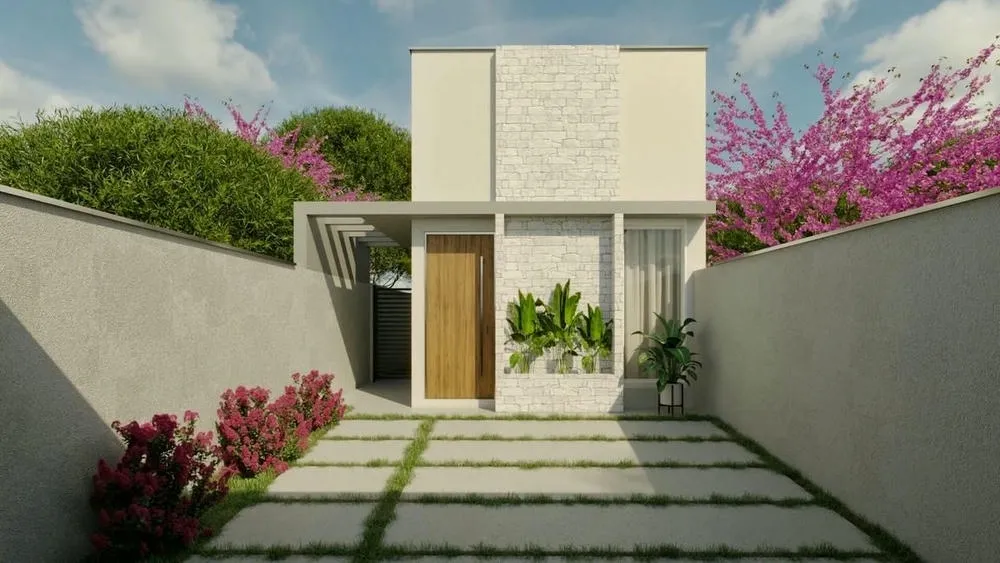
The cost of a platband or a roof can vary depending on several factors, such as the size of the building, the type of material used, the complexity of the project, the geographical location, and the construction market in a given region.
In general terms, the cost of a platband tends to be lower compared to the construction of a complete roof. This is because the platband is a horizontal extension of the wall beyond the roof, not requiring the construction of a complete roof structure with its trusses, battens, and tiles.
However, it is important to consider that the platband may require specialized labor for its construction, especially if decorative details or custom elements are needed. In addition, costs may vary based on the materials chosen for the platband, such as bricks, concrete blocks, or pre-fabricated panels, and also on the desired finishes, such as coatings or ornaments.
On the other hand, the construction of a complete roof involves a series of steps, including structuring, waterproofing, laying the tiles, and the drainage system. These elements can be more complex and demand more financial resources compared to the construction of the platband.
However, it is important to note that the actual costs can vary considerably depending on the specific context of the project. It is recommended to obtain detailed quotes and consult construction professionals to get an accurate estimate of the costs involved in building a platband or a roof, taking into account the specifics of the project in question.
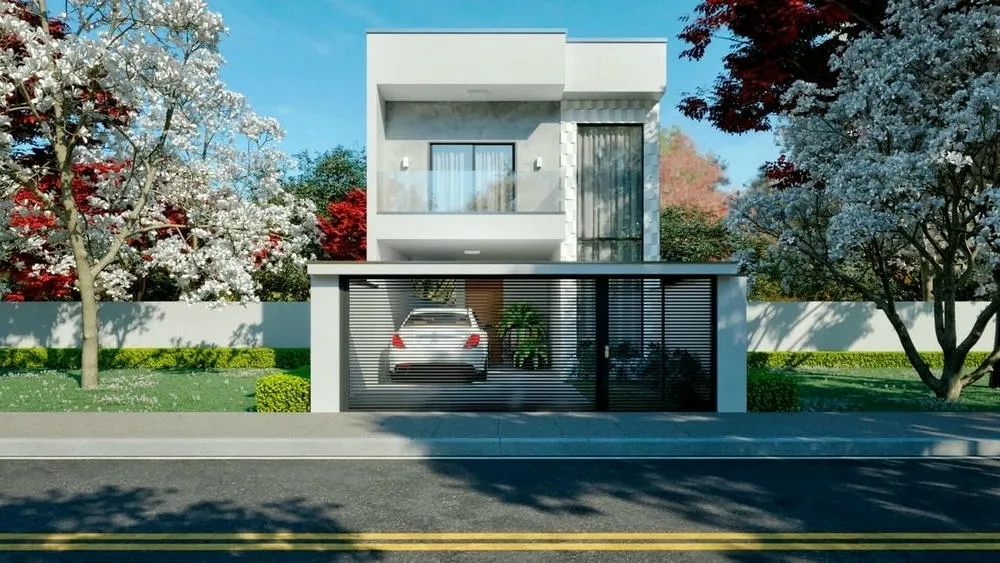
The eave refers to the projecting part of the roof that extends beyond the external wall of the building. It creates a horizontal projection that offers protection against direct sunlight, rain, and other climatic elements, helping to protect the walls and windows of the building. The eave can be elaborated simply, with just a straight extension beyond the wall, or it can feature decorative details, such as moldings, ornamental brackets, or curved eaves. Historically, eaves have been a characteristic element of traditional architecture and can vary in size depending on the climate and regional style.
A platband, on the other hand, is a horizontal extension of the wall beyond the roof, aligned with the facade of the building. It serves to create a smooth visual transition between the roof and the wall, concealing the roof slopes and providing a more modern and clean appearance. Unlike an eave, the platband does not project beyond the wall but is a flat extension of the same height as the wall, usually without projecting decorative elements. The platband can also have a practical function, hiding undesirable elements such as gutters, flashings, and antennas, as well as offering additional space for the application of coatings or architectural details.
In summary, the eave is a horizontal projection of the roof that extends beyond the wall, offering protection against climatic elements, while the platband is a horizontal extension of the wall beyond the roof, providing a smooth visual transition and concealing undesirable elements. Both elements have distinct functions and styles, contributing to the aesthetics and functionality of the architecture.
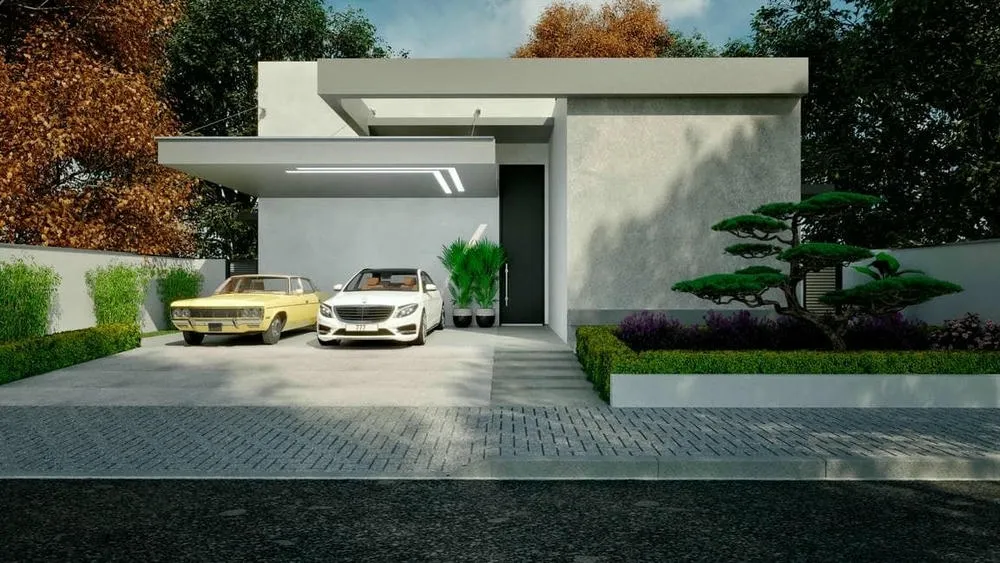
The need for beams in a platband can vary depending on the specific project, the dimensions of the platband, and the structural loads involved. In some cases, especially in wider platbands or in multi-story buildings, the use of beams may be necessary to ensure adequate stability and resistance.
Beams are structural elements that provide horizontal support and resistance to the loads acting on the platband. They help distribute the loads, such as the weight of the platband itself, wind pressure, and other forces, to the underlying walls and pillars. The presence of beams in the platband can also depend on the material used for its construction. For example, if the platband is built with bricks or concrete blocks, steel or concrete beams may be necessary to provide structural support.
It is important to consult a structural engineer during the design process to determine the need for beams in the platband. The engineer can assess the expected loads, consider the specific conditions of the project, and provide appropriate guidance to ensure the stability and safety of the platband. Look for an engineer registered with the CREA in your region.
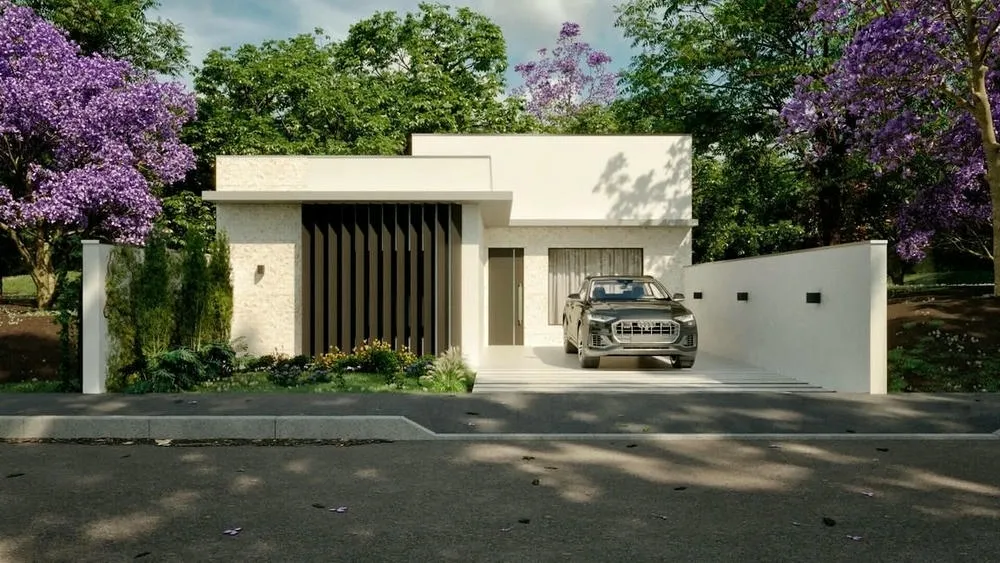
In a platband, the presence of tiles on the roof can vary according to the architectural style, the specific project, and the preferences of the architect or owner. Some platbands may have tiles continuing from the main roof, while others may opt for a different finish.
In some cases, especially in buildings with a traditional architectural style, the tiles may extend over the platband, maintaining the visual continuity between the roof and the wall. This creates a more uniform and traditional appearance, where the roof is continued horizontally in the form of tiles.
However, in many modern and contemporary projects, it is common for the platband not to have tiles. Instead, the platband can be finished with a different cladding, such as paint, plaster, ceramic cladding, metal panels, exposed concrete, or other finishing materials. These finishes are chosen to create a cleaner, more modern, and aesthetically pleasing appearance, providing a smooth visual transition between the roof and the facade.
The decision to use tiles on the platband or not will depend on the desired architectural style, aesthetic preferences, and project considerations. It is advisable to consult an architect or construction professional to evaluate the options and make the most appropriate decision for the specific project.
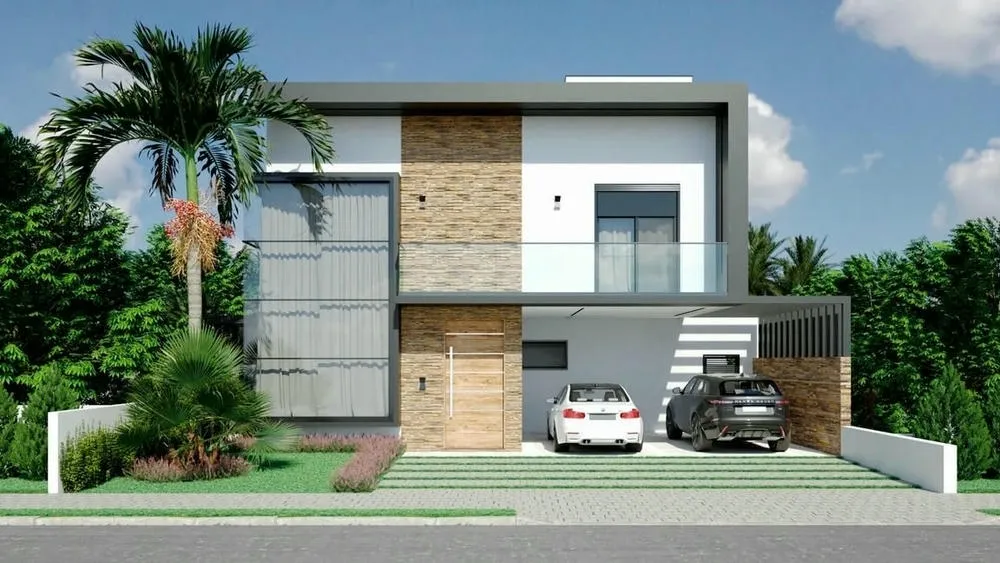
The minimum height of a platband can vary depending on different factors, such as the architectural style, local building regulations, and the purpose of the platband. There is no universally established minimum height, but there are some general considerations to observe.
One of the main considerations is to ensure that the platband is high enough to hide the roof slopes and any undesirable elements that may be present, such as gutters, flashings, or antennas. The height should be adequate to create a smooth visual transition between the roof and the facade, resulting in a harmonious appearance.
In addition, it is important to check local building regulations, as some municipalities may have specific restrictions or guidelines regarding the minimum height of the platband. These regulations may be based on aesthetic, safety, or compliance considerations with the prevailing architectural style in the region.
It is advisable to consult a construction professional, architect, or engineer to get specific guidance on the minimum height of the platband, taking into account local regulations and the characteristics of the project in question. These professionals can assess the needs of the project and provide appropriate recommendations for the height of the platband.
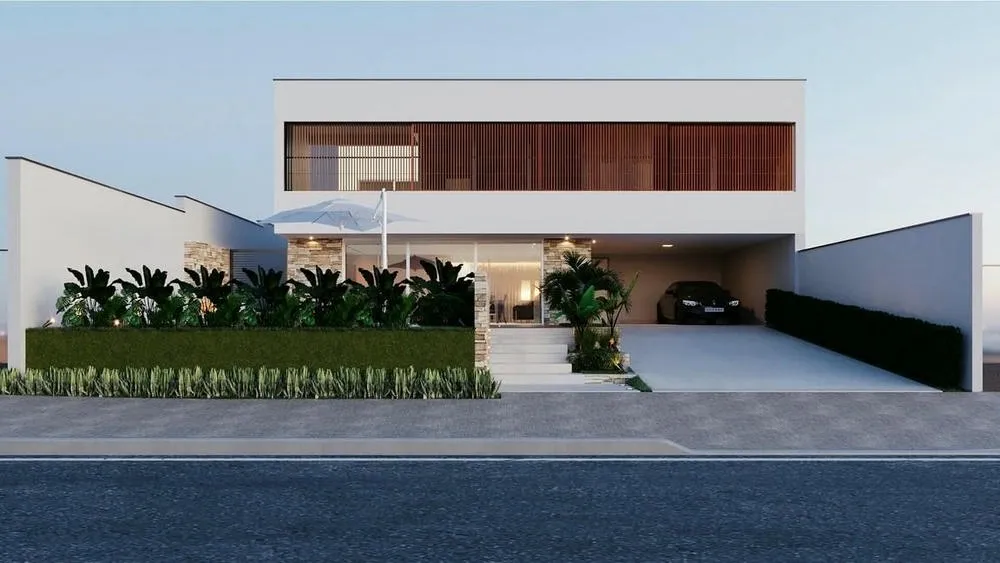
Determining the cost of a built-in roof can depend on several factors, including the size and complexity of the roof, the type of material used, the labor required, among others. Therefore, it is not possible to state with certainty which type of built-in roof would be cheaper in all situations. However, there are some general considerations to be made.
A built-in roof generally involves the construction of a continuous slab over the building's structure, with a waterproofing layer applied over it. This type of roof is often used in commercial, residential, and institutional buildings, and can have different roofing materials, such as asphalt membranes, PVC membranes, or acrylic resins.
In terms of cost, some of the advantages of a built-in roof include reducing the need for individual tiles, tile supports, and decorative elements, which can result in material and labor savings. In addition, a built-in roof can be quicker to build compared to a conventional roof, which can also positively impact costs.
However, it is important to consider that the actual cost of a built-in roof will depend on several factors, such as the complexity of the roof's geometry, the quality and type of waterproofing material used, the need for thermal insulation, among others. It is recommended to obtain detailed quotes and consult construction professionals to get an accurate estimate of the costs involved in a built-in roof, taking into account the specifics of the project in question.
 https://creativecommons.org/licenses/by-nc-nd/4.0/https://creativecommons.org/licenses/by-nc-nd/4.0/ArchShopArchShop
ArchShop is redefining the concept of residential architecture in Brazil, making high-quality projects accessible to everyone. Combining over 20 years of expertise in the construction sector with technological innovation, the company offers a complete digital platform that simplifies and democratizes the process of building the dream home.
See also
Understand what a true luxury two-story house is. Come check out its essential characteristics so you don't make a mistake when transforming a beautiful project.

In this article, we will present 5 Brazilian cities that are a reference in architecture and that enchant visitors with their imposing constructions and beautiful urban landscapes.
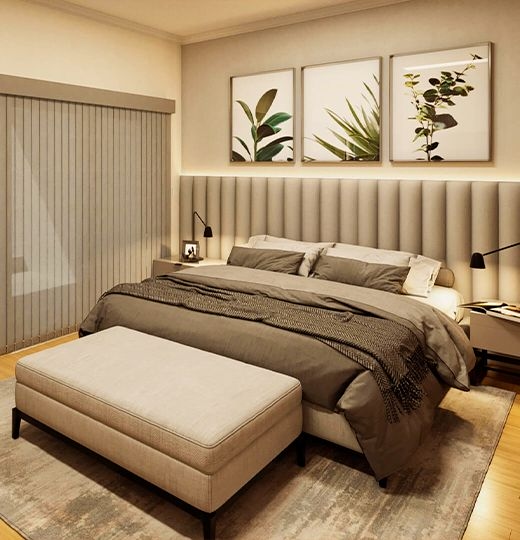
Looking for a 3-bedroom house plan that meets the needs of the whole family? Check them out below!

Inspired by the rich history of the region, it has evolved to embrace minimalism, a clean aesthetic, and an unwavering appreciation for the beauty of natural materials.
Advertise or Publish
We believe that the best ideas arise from the exchange of experiences and the sharing of different perspectives. Open the doors to new opportunities and be part of our blog! If you have an interesting article, an amazing work, a product or service that deserves to be highlighted, contact us.