Archshop,
Jul 1, 2026
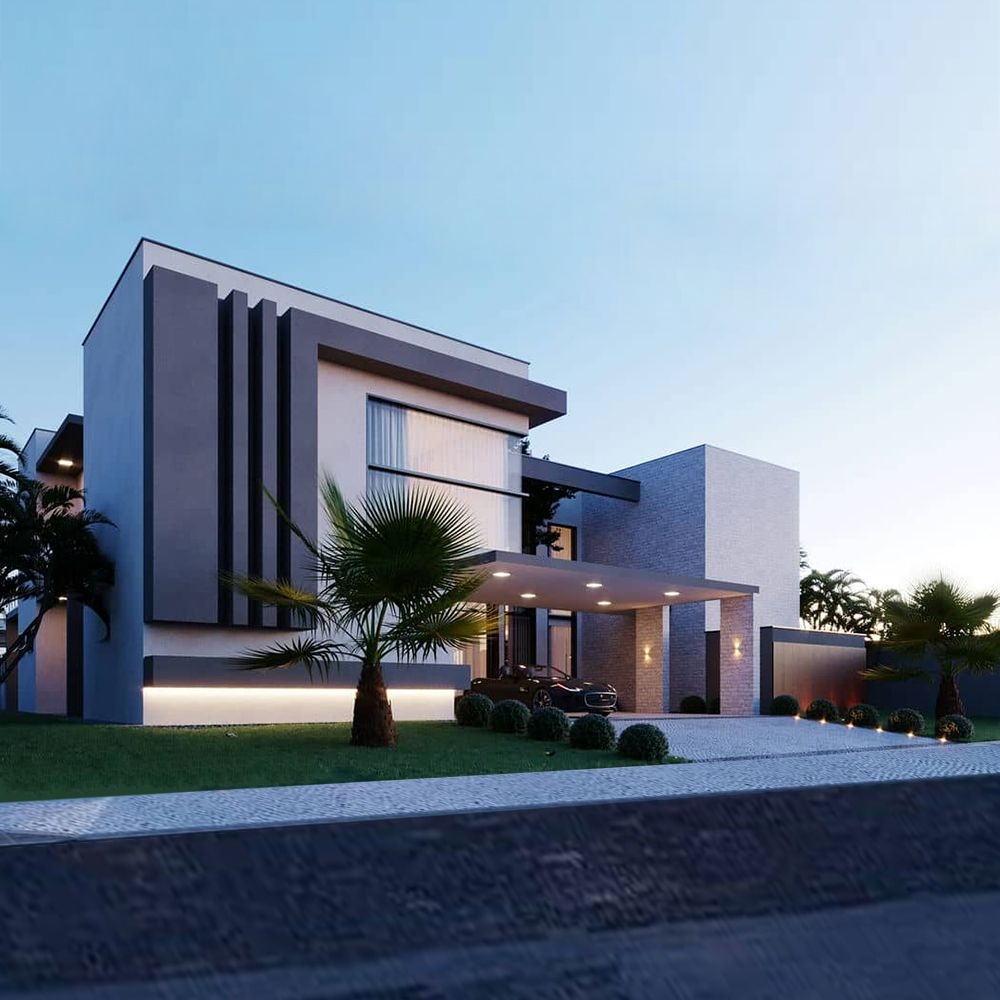
Luxury Two-Story House
Understand what a true luxury two-story house is. Come check out its essential characteristics so you don't make a mistake when transforming a beautiful project.
 https://creativecommons.org/licenses/by-nc-nd/4.0/https://creativecommons.org/licenses/by-nc-nd/4.0/ArchShopArchShop
Sustainable architecture is one of the main trends in civil construction today. Its central objective is to reconcile the functionality of spaces with the preservation of nature.
Sustainable architecture is one of the main trends in civil construction today. Its central objective is to reconcile the functionality of spaces with the preservation of nature. For this to happen, it acts in the environmental, economic, and social fields. Throughout Brazil and the world, many projects have been standing out for their aesthetic and sustainable innovation. In this article, we bring 10 architectural examples that boast sustainability in their planning.
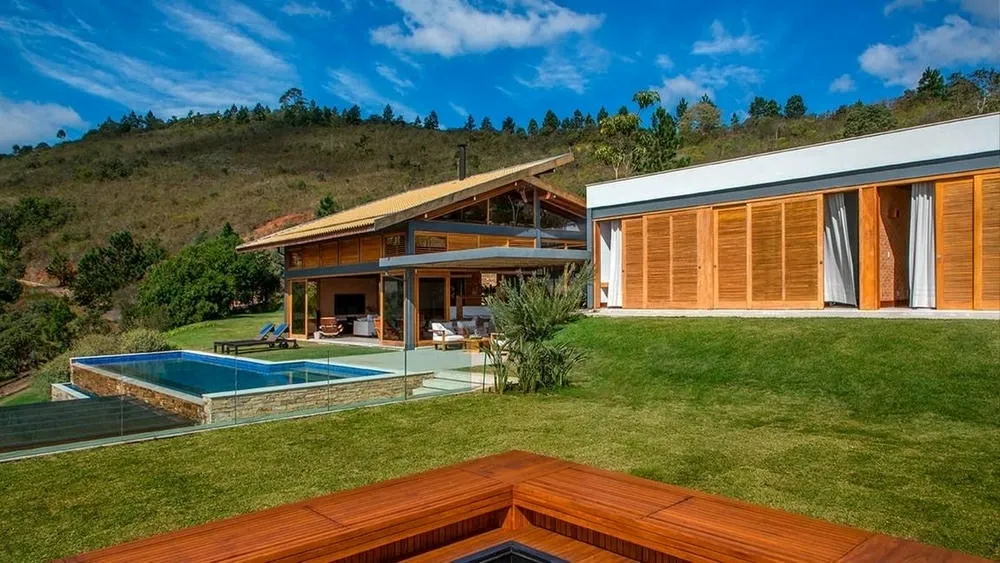
Location: Piracaia, interior of São Paulo
Year: Built between 2017 and 2019
Project: Gera Brasil Consultoria e Arquitetura. Team formed by architects Karen Ueda, Nilce Pinho, and Antonio Vissotto
Utility: Single-family residential
Sustainable aspects: The house is part of an ecological village and proposes a more sustainable daily life. It offers energy efficiency, optimized water management, sustainable landscaping, and a construction system made of recycled/recyclable materials. Among its solutions, we can point out the valorization of local commerce and the reuse of waste from the construction itself. The implementation of recycling is also present in all construction stages.
The project respects the natural characteristics of the land and its landscaping prioritizes local ecosystems. It also sought to create social awareness about sustainable processes.
It was certified with the LEED seal and received 2 major awards. The Saint-Gobain Architecture Award - Sustainable Habitat 2019 in the residential category and the Tomie Ohtake AkzoNobel Institute Architecture Award 2019.
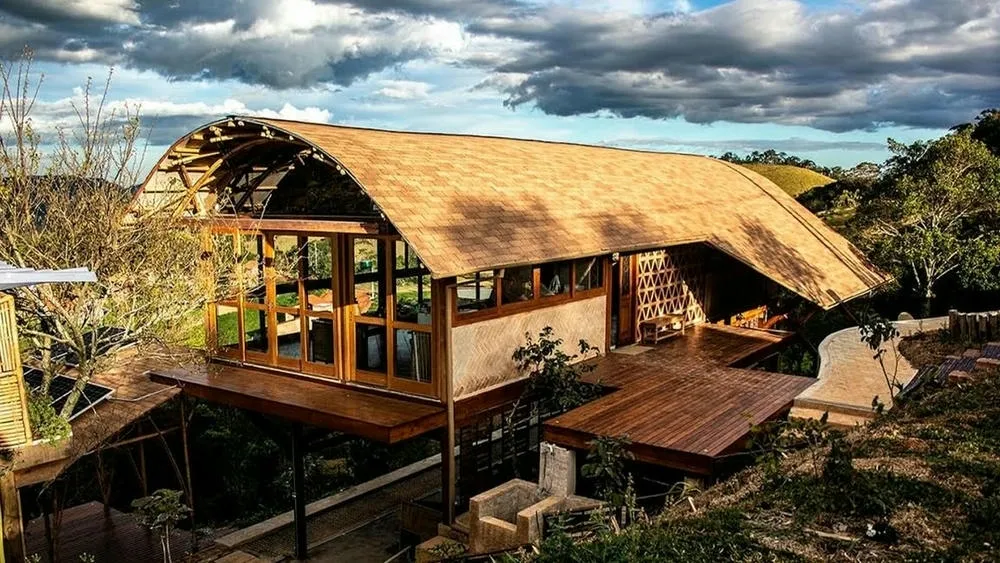
Location: Pedro do Rio (district of Petrópolis), Rio de Janeiro
Year: Conceived in 2010 and built in 2012.
Project: Sérgio Conde Caldas Office. Team formed by Sérgio Conde Caldas, Glauco Lobato, Renata Levy, Gladys Brasil, Karla Fernandes, Luiza Vellaco, Darlan Ferreira, and Silvia Decourt
Utility: Single-family residential
Sustainable aspects: The house is part of the Movimento Terras, an initially experimental project with the objective of being a model in the field of sustainability. Its technical differentials include energy, thermal, architectural, technical, and constructive efficiency. There are several solutions adopted by the project. We highlight: use of ecological bricks, brises, and glass that favor the internal temperature, reuse of rainwater, and optimized sewage treatment.
In addition, it also included solar heating for the house. Its construction used the training of local labor and total adaptation to the natural conditions of the land. It was certified with the BREEAM seal - at the time, unprecedented in Latin America.
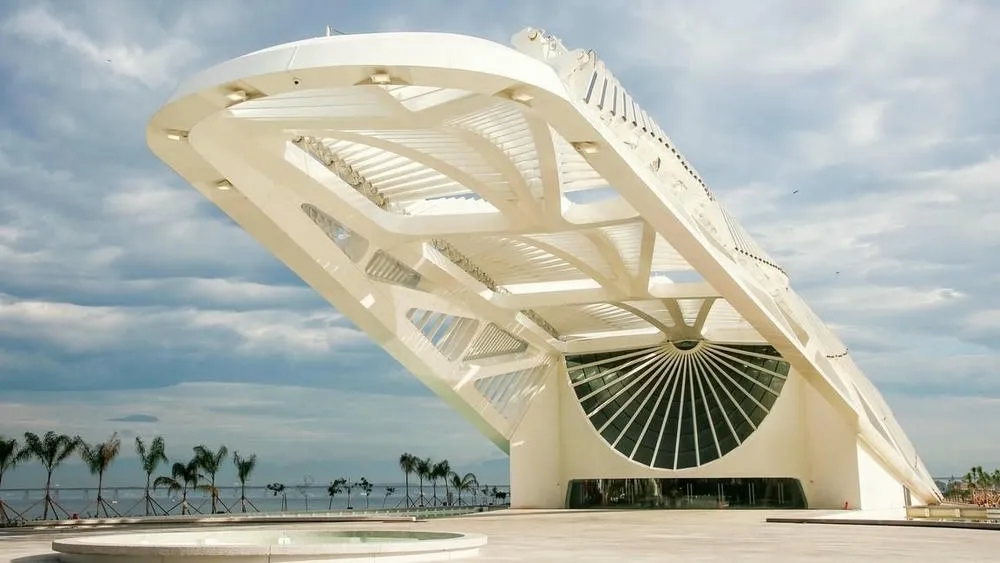
Location: Píer Oscar Weinschenck (Píer Mauá), Rio de Janeiro
Year: 2010, inaugurated in 2015
Project: Santiago Calatrava
Utility: Museum
Sustainable aspects: Incorporates energy, water, thermal efficiency, and strategic landscaping. Among its solutions, we have the presence of photovoltaic solar panels that help with clean energy consumption. The bay's waters are reused for air conditioning units, and the architecture sought to favor the entry of natural light.
In addition, it has an educational character, which allows for the propagation of a sustainable culture. The museum's garden also preserves a considerable diversity of plant species. In 2016, it was the first Brazilian museum to be certified with a sustainable construction seal (LEED Gold). It also won, by MIPIM in 2017, the award for Best Innovative Green Building.
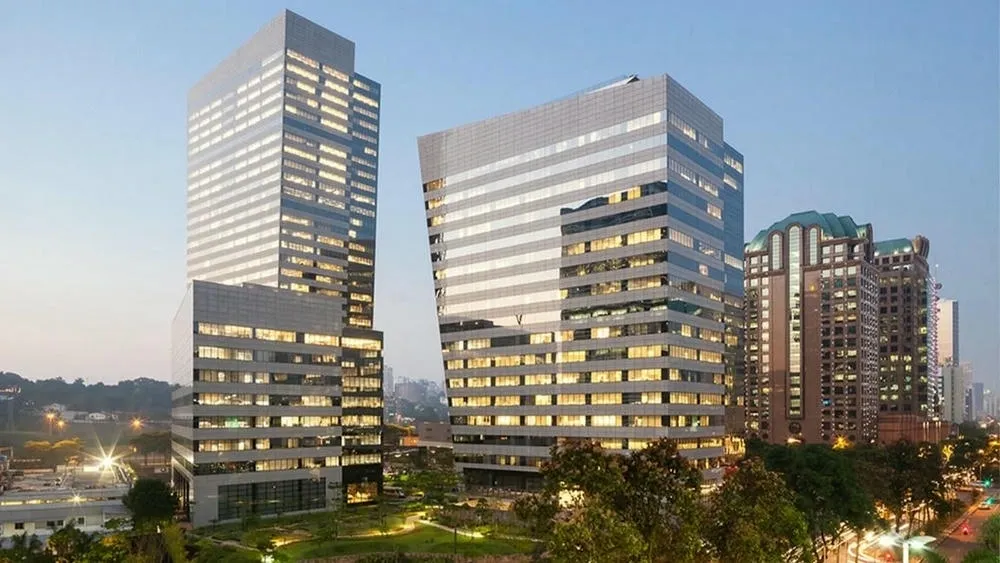
Location: São Paulo (capital)
Year: 1999
Project: Aflalo & Gasperini Arquitetos
Utility: Commercial/business
Sustainable aspects: Features energy, thermal, and water efficiency, and strategic landscaping. A standout feature is the asymmetry of the buildings, each tilted at 9º. This solution aimed to reduce air conditioning consumption. The special glass plates that prevent heat dissemination also help in this objective.
In the project, about 50% of water consumption is saved thanks to its treatment and reuse. The landscaping also includes tropical vegetation that matches the Brazilian climate. Its own cogeneration energy system is capable of meeting 100% of the load uninterruptedly.
In 2009, it became the first building in South America with a sustainable construction certificate. It received the LEED Gold seal for meeting four important criteria:
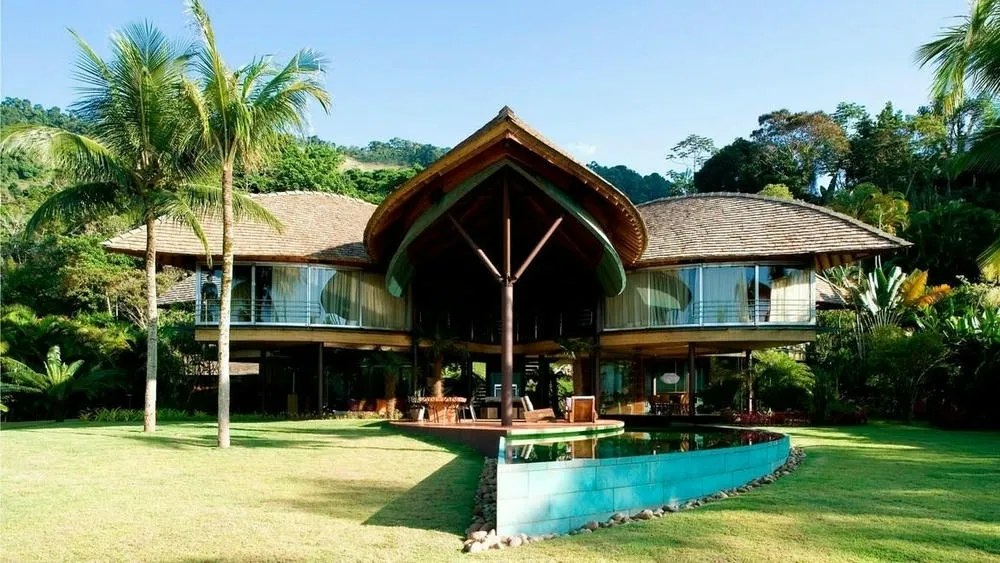
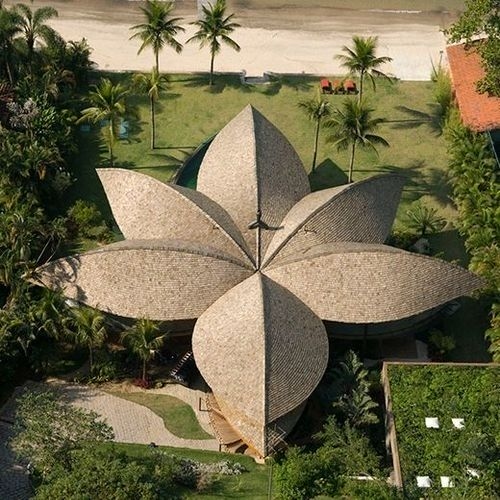
Location: Angra dos Reis, Rio de Janeiro
Year: 2006/2008
Project: Mareines + Patalano (collaboration between Ivo Mareines and Rafael Patalano). Team formed by Paula Costa, Flavia Lima, Rafael Pretti, and landscaping by Marita Adania.
Utility: Residential (beach house)
Sustainable aspects: In this project, we have a house fully integrated with nature. Its organic aesthetic allows the construction to blend with the natural vegetation without compromising the environment. It has a passive presence in the location and a landscaping that reinforces this idea.
A large part of the materials chosen for its structure are natural and have a long lifespan. Eucalyptus wood is one of them, which comes from reforestation practices. The beach waters are also used, collected, and reused. The very high ceiling of the house allows for optimized ventilation in a passive cooling system.
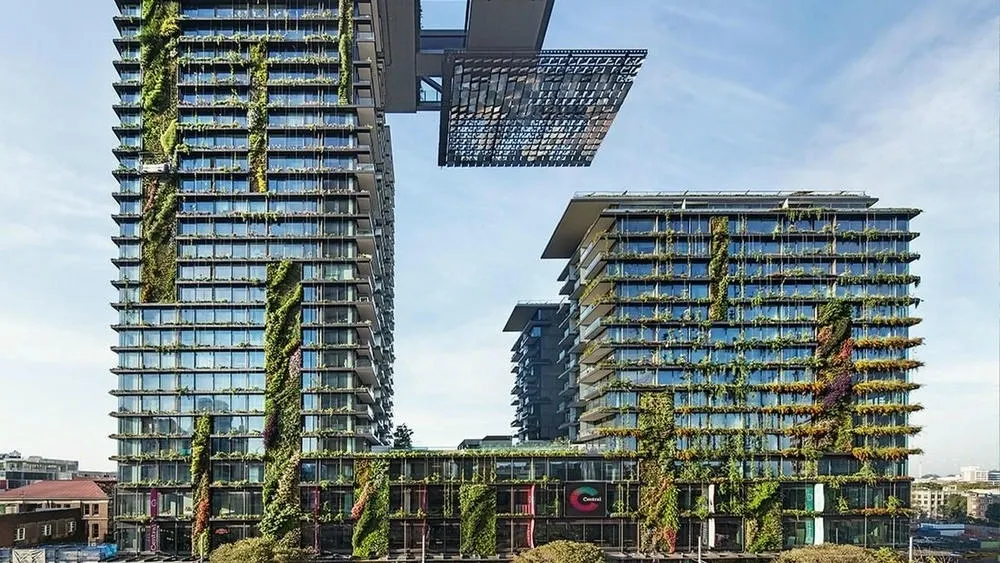
Location: Australia
Year: Conceived in 2008, built between 2010 and 2014
Project: Ateliers Jean Nouvel, PTW Architects, and landscaping by Patrick Blanc.
Utility: Residential and commercial
Sustainable aspects: The vertical gardens that cover 50% of the facade are the main highlight of this project. About 250 species of Australian plants and flowers are gathered here. The landscaping transforms the building into a pleasant environment, as well as a visual icon of the city and the green movement.
Its architecture also prioritizes energy efficiency through the capture of solar rays. It can save 25% of electricity compared to buildings of similar proportions.
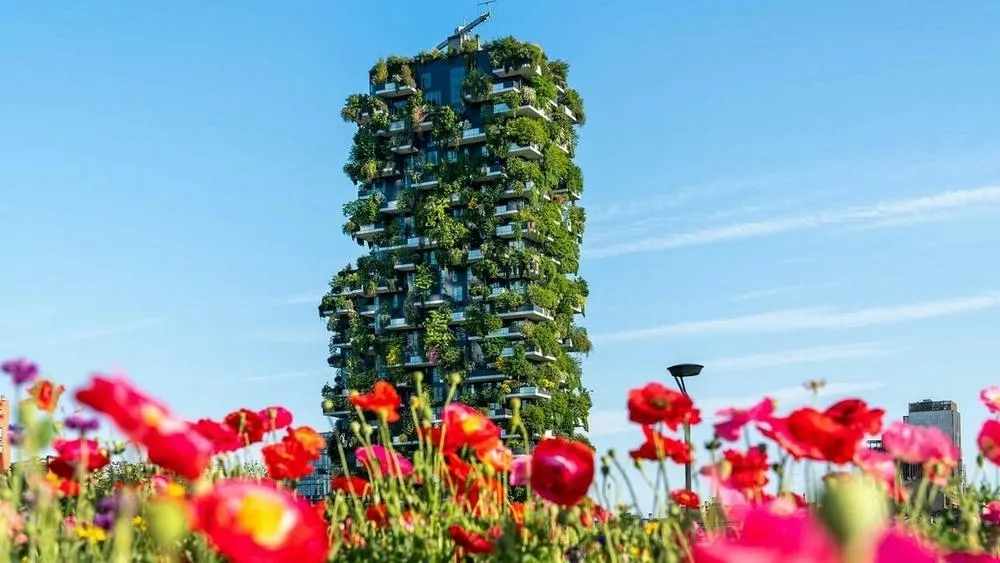
Location: Italy
Year: 2007-2014
Project: Boeri Studio (Stefano Boeri, Gianandrea Barreca, Giovanni La Varra)
Utility: Residential
Sustainable aspects: From the Italian, bosco verticale means vertical forest. We have a total of 800 trees (small, medium, and large) distributed in two towers of 80 and 112 meters in height. In addition to them, the landscaping also houses 30,000m² of ground cover vegetation, equivalent to 3 hectares of forest.
The accentuated presence of green areas helps with the internal climate of the environments and reduces general pollution. They produce cleaner air not only for the residents but also for the entire city.
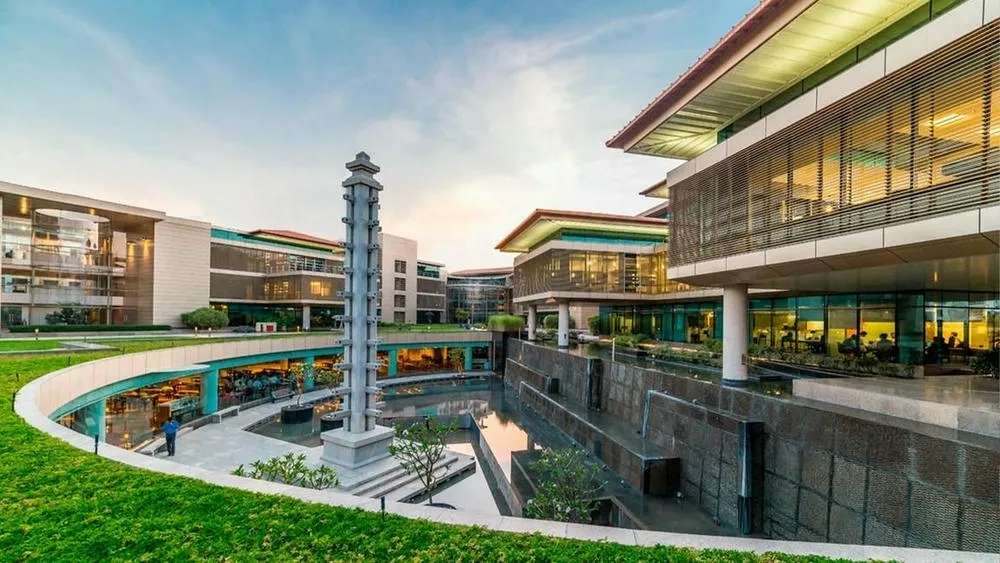
Location: India
Year: 2009
Project: Christopher Benninger
Utility: Corporate
Sustainable aspects: This is the only project on our list certified with the LEED Platinum seal for sustainability. The 10.4-acre construction was the result of a collaboration between Benninger and Suzlon Energy Limited (a leading wind energy company). Together they developed a project based exclusively on non-toxic and recyclable materials.
All systems - from water to electrical - were designed sustainably for complete utilization. It generates 8% of its energy annually through wind (80%) and solar (20%) capture. The other 92% is produced on the company's farms by windmills. It is, therefore, a project with zero energy cost.
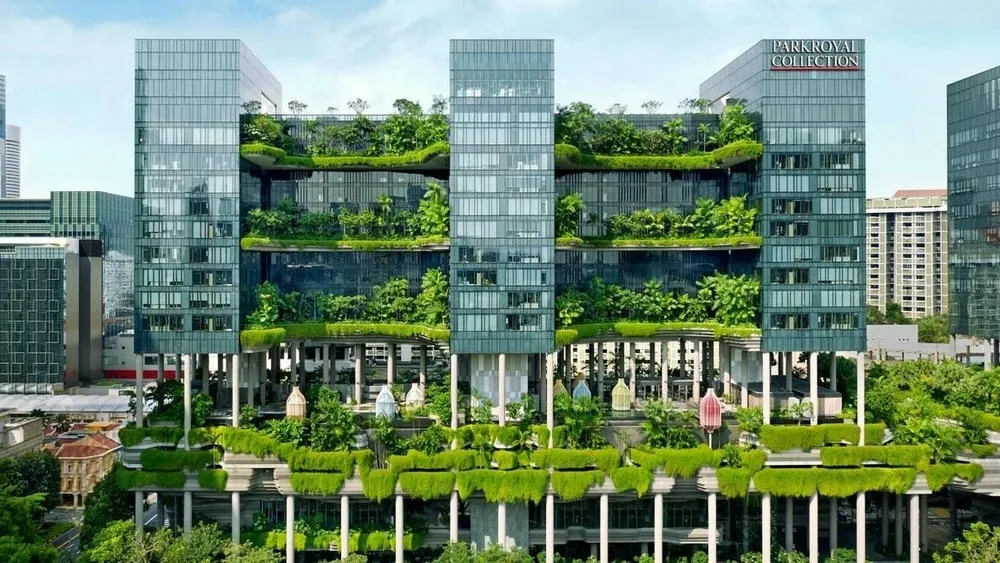
Location: Singapore
Year: 2013
Project: WOHA Architects
Utility: Hotel
Sustainable aspects: This project is located in front of Hong Lim Park, a historic park in the country. It was important for the architectural development that the park served as inspiration. The green areas ensured harmony between the two spaces. As an aesthetic reference, the topographies of natural landscapes and the organic character of terraced rice fields were adopted.
Its luxurious landscaping dialogues with the tropical climate of Singapore and features 15,000m² of green areas. Among the passive solutions applied are solar-powered irrigation, rainwater retention, and optimized ventilation. It received the Green Mark Platinum - the highest environmental certification in the country.
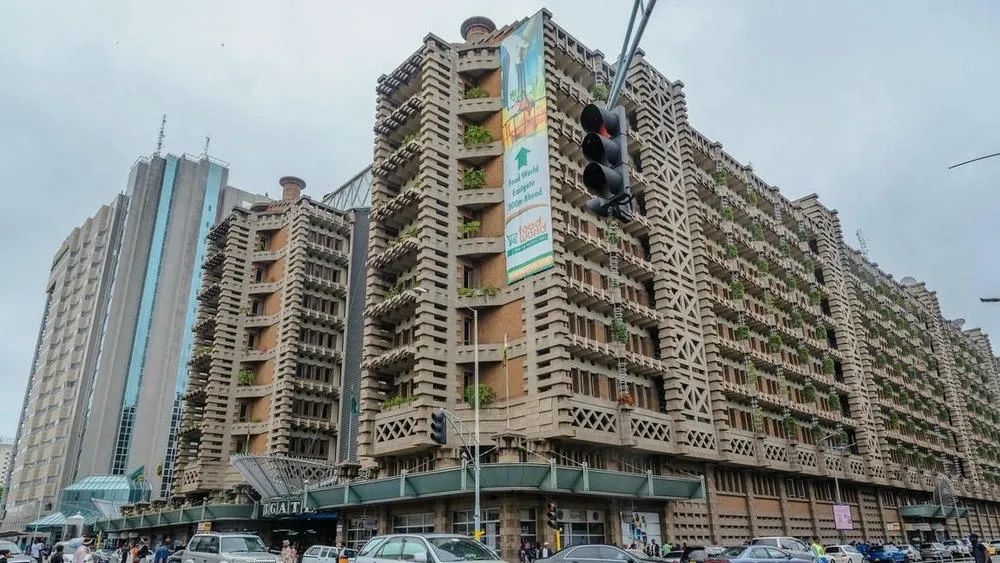
Location: Zimbabwe
Year: Conceived between 1991 and 1992, built between 1993 and 1996
Project: Mick Pearce
Utility: Shopping (commercial and corporate)
Sustainable aspects: Inspired by the structures of termite mounds, we find the great triumph of this project in its ventilation and heating systems. The Eastgate Centre was designed considering the city's climate, which demands constant cooling of buildings. It dispenses with the high costs of purchasing, installing, and maintaining air conditioning units. Its ventilation is self-regulating, working with passive techniques of natural cooling.
The building allows for heat storage and air control through fans. It saved 10% on its construction costs by not needing air conditioning units.
 https://creativecommons.org/licenses/by-nc-nd/4.0/https://creativecommons.org/licenses/by-nc-nd/4.0/ArchShopArchShop
ArchShop is redefining the concept of residential architecture in Brazil, making high-quality projects accessible to everyone. Combining over 20 years of expertise in the construction sector with technological innovation, the company offers a complete digital platform that simplifies and democratizes the process of building the dream home.
See also
Understand what a true luxury two-story house is. Come check out its essential characteristics so you don't make a mistake when transforming a beautiful project.
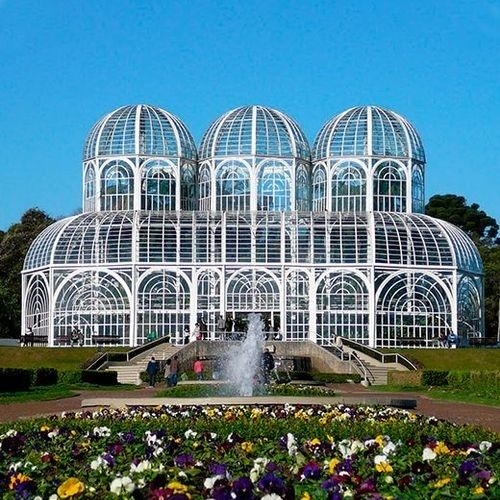
In this article, we will present 5 Brazilian cities that are a reference in architecture and that enchant visitors with their imposing constructions and beautiful urban landscapes.
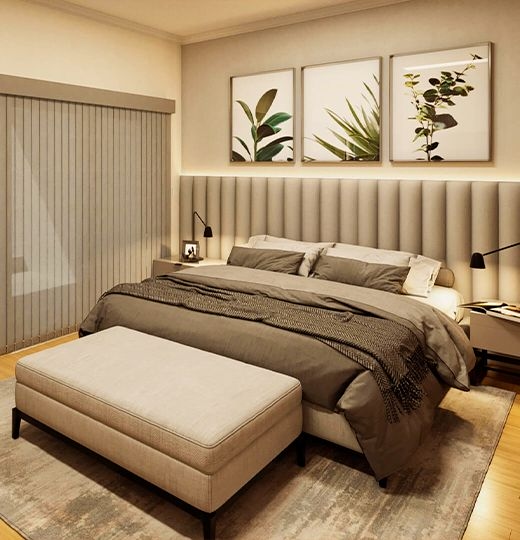
Looking for a 3-bedroom house plan that meets the needs of the whole family? Check them out below!
Inspired by the rich history of the region, it has evolved to embrace minimalism, a clean aesthetic, and an unwavering appreciation for the beauty of natural materials.
Advertise or Publish
We believe that the best ideas arise from the exchange of experiences and the sharing of different perspectives. Open the doors to new opportunities and be part of our blog! If you have an interesting article, an amazing work, a product or service that deserves to be highlighted, contact us.