Archshop,
Jul 1, 2026
How to Optimize Small Spaces in Apartments and Houses
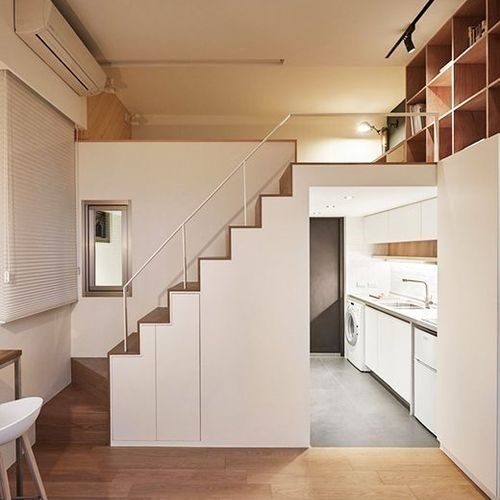
In this article, we will share valuable tips on how to optimize small spaces in apartments and houses.
 https://creativecommons.org/licenses/by-nc-nd/4.0/https://creativecommons.org/licenses/by-nc-nd/4.0/ArchShopArchShop
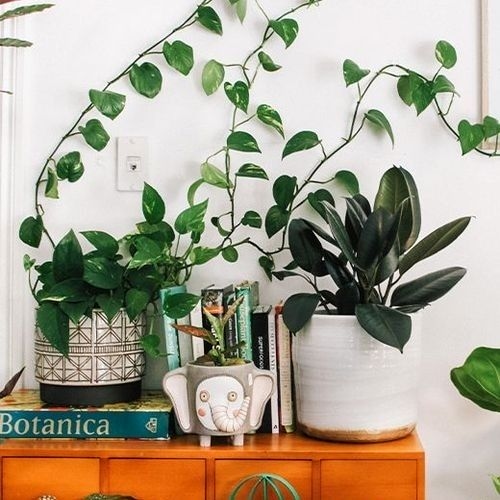
Plants are a great way to add a touch of color and life to any space, in addition to bringing benefits for health and well-being.
Plants are a great way to add a touch of color and life to any space, in addition to bringing benefits for health and well-being. In this article, we will show you how to use plants to decorate every room in the house, from the living room to the bathroom. So, if you want to bring a little more nature into your home, keep reading and discover how to incorporate plants into your interior decoration.
Plants in the living room
Plants in the kitchen
Plants in the bathroom
Plants in the bedroom
Plants in the office
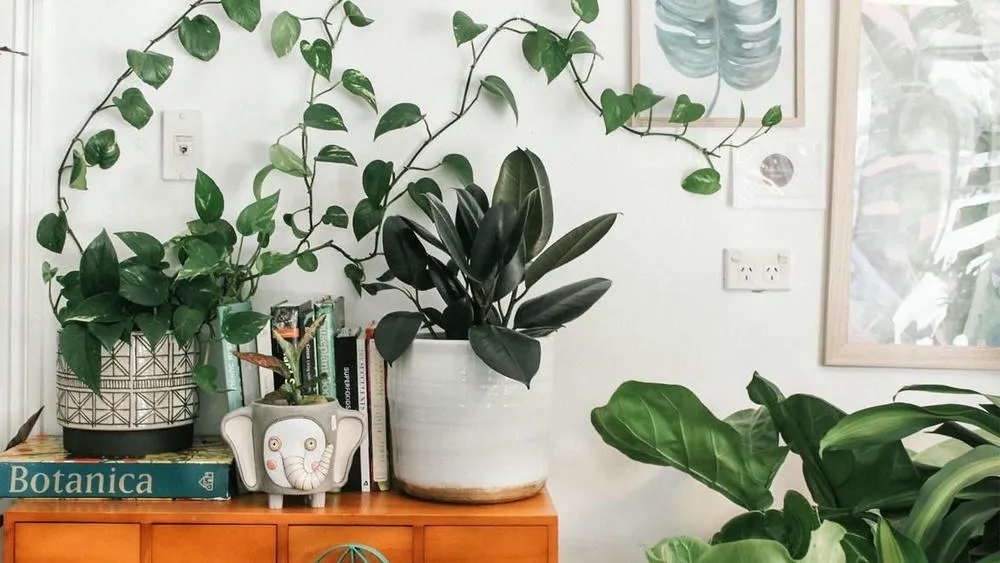
Adding plants to interior decoration is a simple and effective way to transform any space into a welcoming and pleasant environment. In addition to providing a touch of nature and freshness, plants bring many benefits to a room. One of the main advantages of having plants at home is the improvement of air quality. Plants have the ability to filter impurities from the air, absorbing toxic gases and releasing fresh oxygen. This can help reduce air pollution levels and create a healthier and more comfortable environment for the inhabitants of the house.
Another advantage is that plants can help reduce stress and anxiety. Studies show that having plants at home can help lower blood pressure and cortisol levels, the stress hormone. This can result in a feeling of calm and tranquility, making the house a more relaxing and welcoming place.
In addition, plants can add color and texture to a room, making it more visually interesting. They can also be used to create a focal point in a space, drawing attention to a specific area. And, of course, plants are an easy and economical way to decorate a room, adding a touch of green and life without spending a lot. They can also be a way to connect people with nature, even in an urban environment. They can help create a sense of harmony and balance in a space, making it more pleasant and welcoming.
That said, how about bringing a little green into your home today? There are several options for plants, gardens, and landscaping that can be used in different rooms of the house, depending on the luminosity, humidity, and temperature of the space. We have listed below some suggestions of which types of plants and configurations are most suitable for each environment:
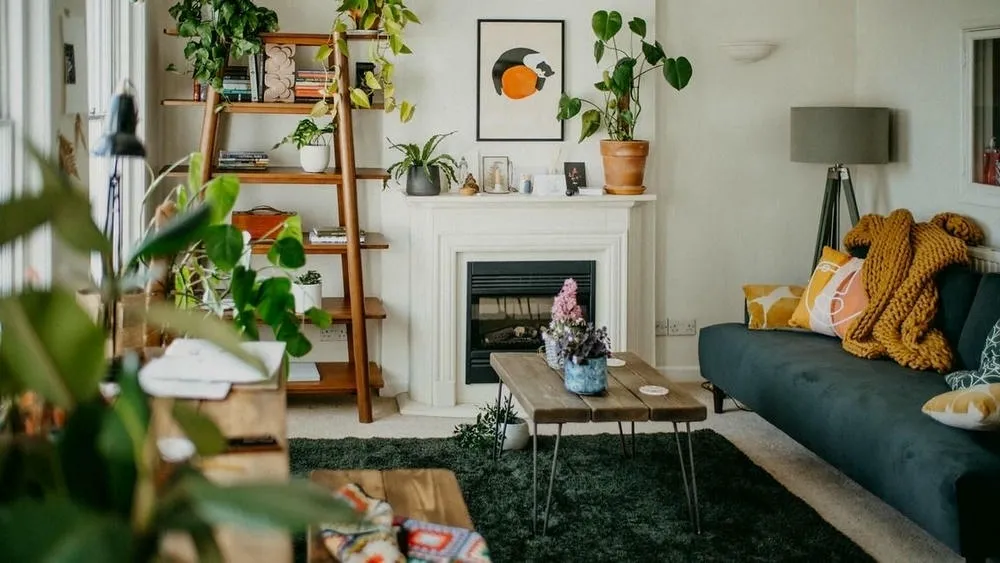
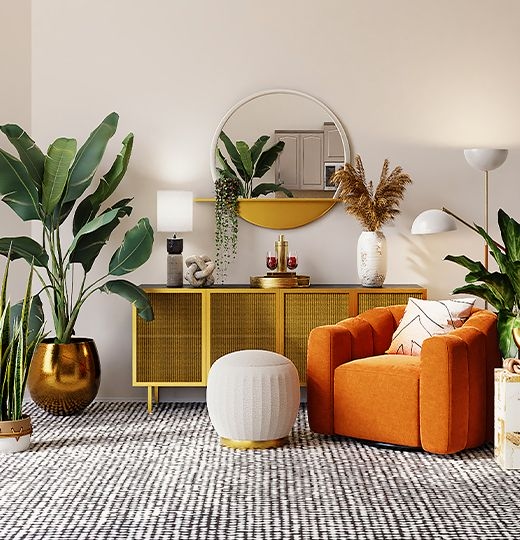
When it comes to decorating the living room with plants, there are several possibilities to create a harmonious and inviting environment. One of the most important tips is to choose plants that adapt well to the conditions of the environment, such as the amount of available natural light, air humidity, and temperature. Some of the most suitable plants for the living room are succulents, ferns, cacti, peace lilies, and the traditional pothos plant.
A suggestion for decorating with plants in the living room is to create a vertical garden, using shelves or panels to fix the plants on the wall. This option is ideal for those with limited space who want to use the walls for decoration. Another alternative is to use pots and planters to create a hanging garden, which can be placed at different heights and strategic points in the living room.
In addition, it is important to think about the ideal configuration for the living room with plants, taking into account the style and dimensions of the environment. If the living room is small, it is recommended to use smaller plants and opt for a vertical or hanging garden to save space. In larger environments, it is possible to create different areas with plants, such as a green corner with an armchair or an indoor garden with a water feature.
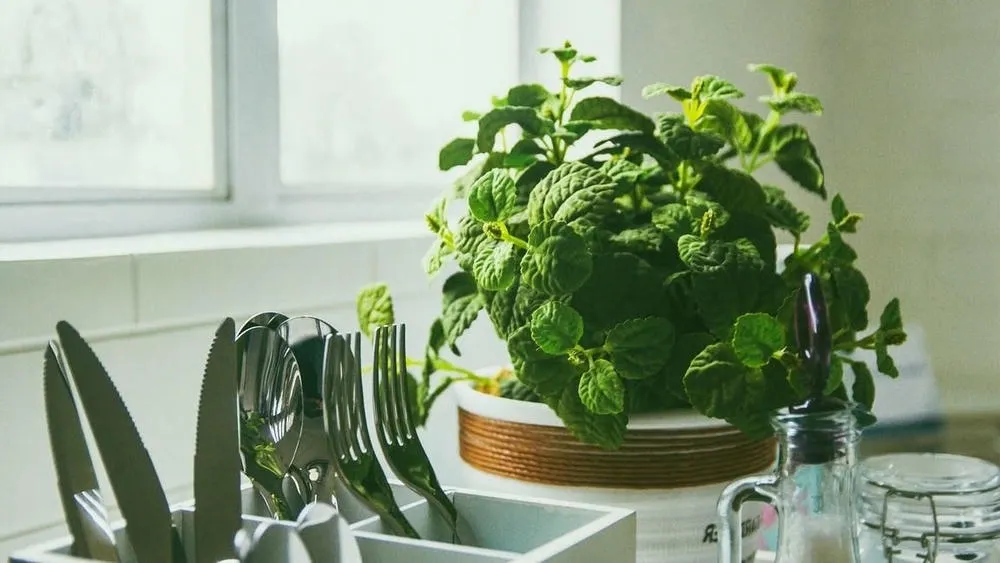
First, it is important to consider the configuration of your kitchen when choosing the right plants. If you have a kitchen with plenty of natural light, plants that prefer direct sunlight will be ideal, such as succulents, aloe vera, and aromatic herbs (rosemary, basil, and sage). If your kitchen has little natural light, plants that adapt well to indoor environments and do not need much light will be more suitable, such as ferns and the ZZ plant.
In addition, it is important to think about the available space in your kitchen. If you have little space available on the countertop, for example, opt for hanging plants, such as the Christmas cactus, ivy, or bird's-nest fern, which can be hung from hooks or wall brackets. If you have enough space on the countertop, consider adding a small herb garden to have fresh herbs on hand whenever you need them.
Another idea is to add plants to shelves or bookcases, especially if you have open shelves in your kitchen. Plants like the fern, ivy, and philodendron are great for adding volume and texture to these areas. In addition, plant pots can be used as decorative elements in your kitchen, adding color and visual interest to a often-neglected space.
Also, remember to choose plants that match the aesthetics of your kitchen. If you have a modern kitchen, opt for plants in simple, clean pots, such as succulents or cacti. For more traditional kitchens, plants like orchids and peace lilies are great options. Don't be afraid to play with color either - plants like the begonia or bromeliad can add a touch of vibrant color to your kitchen.
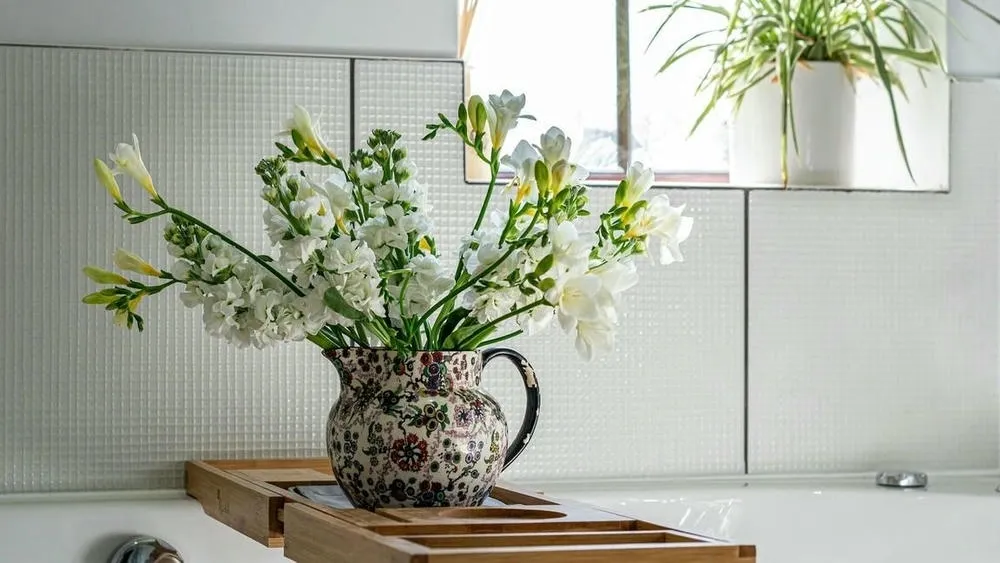
When choosing plants for your bathroom, it is important to consider the specific conditions of the environment. As the bathroom is usually a humid area with little natural light, it is important to choose plants that can thrive in these conditions.
Some of the best plants for the bathroom include:
Fern: the fern is a plant that thrives in humid environments with little light. It can be hung in a pot or placed on a shelf.
Peace lily: the peace lily is a plant that likes humid environments and can adapt to different light levels. It is a good option for those looking for an easy-care plant.
English ivy: English ivy is a climbing plant that can be placed on a shelf or in a bracket. It likes humid environments and can adapt to different light levels.
Philodendron: the philodendron is a plant that likes humid environments and can adapt to different light levels. It can be hung in a pot or placed on a shelf.
In addition to choosing the right plants, it is also important to consider the ideal configuration for your bathroom. A good option is to place the plants on shelves or brackets, so they do not take up space on the floor. If you have enough space, you can also opt to place a pot on the floor, or hang the plants from a bracket attached to the ceiling. However, remember that the bathroom is a humid environment, so it is important to ensure that the plants receive enough water and that excess humidity is controlled to prevent the growth of mold or mildew.
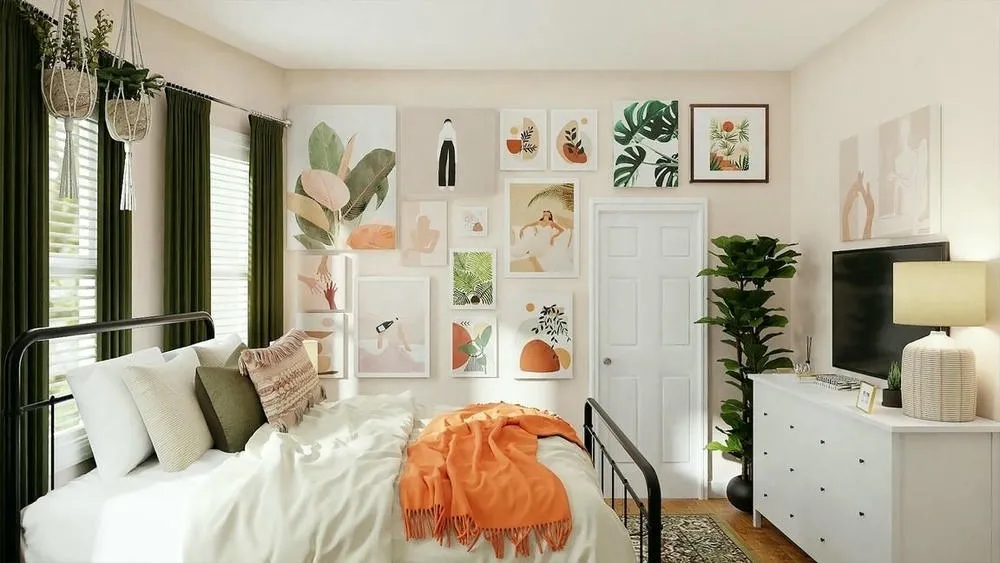
Adding plants to the bedroom can be a great way to liven up your interior design. In addition to improving air quality, plants bring a sense of peace and tranquility to the space, making it more cozy and inviting. When choosing plants for your bedroom, it is important to consider the size of the space and the amount of available natural light. Some plants that are ideal for the bedroom include lavender, the pothos plant, the snake plant, and the peace lily.
Lavender is a great option for the bedroom because it has calming properties and helps to relax. The pothos plant and the snake plant are easy-to-care-for plants and are excellent for removing toxins from the air, making the environment healthier. The peace lily is a popular plant for the bedroom, as it helps purify the air and adds a sense of tranquility to the environment.
When arranging plants in the bedroom, it is important to consider the size of the plant and where it will be positioned. For example, lavender can be placed on a bedside table or in a window, while the pothos plant and the snake plant can be hung on shelves or on wall brackets. The peace lily is ideal for being placed in a pot on the floor or on a table.
Other tips for adding plants to the bedroom include choosing pots and brackets that match the bedroom's decoration style, choosing plants that do not require much maintenance and do not require much light, and opting for plants that are not toxic to pets, if you have them.

Choosing the right plants for your office is fundamental. Some plants are more suitable for indoor spaces than others, and some have additional health and well-being benefits. Here are some types of plants we recommend for your office:
Succulents: these plants are great for offices because they are easy to care for and require little maintenance. They are also known to help reduce stress and improve mood.
Plants with large leaves: plants like the monstera or the snake plant are perfect for larger offices, as their large leaves help fill the space and add a sense of natural greenery.
Air-purifying plants: plants like ivy, the peace lily, and the fig tree are excellent for improving air quality and helping to reduce indoor pollution.
Cacti: cacti are an excellent option for smaller offices, as they require little space and maintenance, in addition to adding a modern and minimalist touch.
Now that you know which plants are ideal for your office, it is important to consider the right configuration for them. Here are some ideas for incorporating plants into your workspace:
Shelves and bookcases: Add some shelves and bookcases to your office to display your plants. Make sure the shelves are well-lit and the plants have enough space to grow.
Hanging pots: For smaller offices or those with limited space, hanging pots are an excellent option to add greenery without taking up floor space.
Green Wall: A green wall can be a great addition to your architecture office, bringing a touch of nature to the space and making it more welcoming.
Plants in groups: Grouping plants together in a corner of the office is a great way to add visual interest and create a focal point in the space.
In conclusion, plants are a great way to add life, color, and texture to a home's decoration. However, it is important to remember that they need basic care and maintenance to ensure they remain healthy and beautiful over time. When choosing plants for your home, consider the amount of natural light available in each environment and choose plants that adapt to these conditions. Also, be sure to choose pots and containers that allow for good drainage and choose the right type of soil for each plant.
In addition, remember to water your plants regularly and prune them when necessary to keep them healthy and looking attractive. And don't forget to check if your plants are being affected by pests or diseases. With proper care, plants can be a wonderful addition to any space in your home. They not only help purify the air, but can also bring a touch of nature to your environment, making it more cozy and pleasant for everyone.
 https://creativecommons.org/licenses/by-nc-nd/4.0/https://creativecommons.org/licenses/by-nc-nd/4.0/ArchShopArchShop
ArchShop is redefining the concept of residential architecture in Brazil, making high-quality projects accessible to everyone. Combining over 20 years of expertise in the construction sector with technological innovation, the company offers a complete digital platform that simplifies and democratizes the process of building the dream home.
See also
In this article, we will share valuable tips on how to optimize small spaces in apartments and houses.
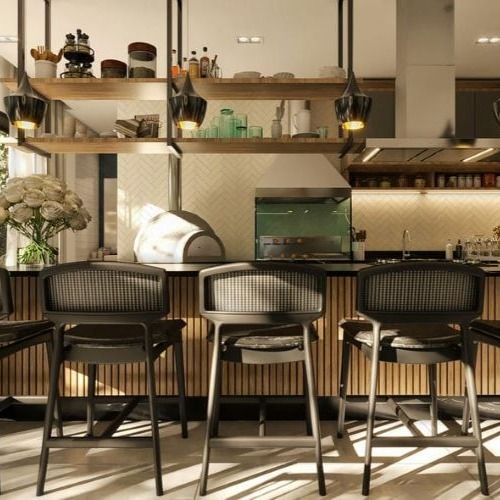
Explore 23 projects with a gourmet space, from compact houses to high-end models with a pool and barbecue. Find the perfect plan for your home!
In this article, we will highlight the trends that continue to evolve, while also presenting some exciting new developments in the field of architecture, interior design, and decoration.

In the world of colors, there are three main categories that describe their visual and emotional characteristics: warm, cool, and neutral colors.
Advertise or Publish
We believe that the best ideas arise from the exchange of experiences and the sharing of different perspectives. Open the doors to new opportunities and be part of our blog! If you have an interesting article, an amazing work, a product or service that deserves to be highlighted, contact us.