Archshop,
Jul 1, 2026
How to Optimize Small Spaces in Apartments and Houses
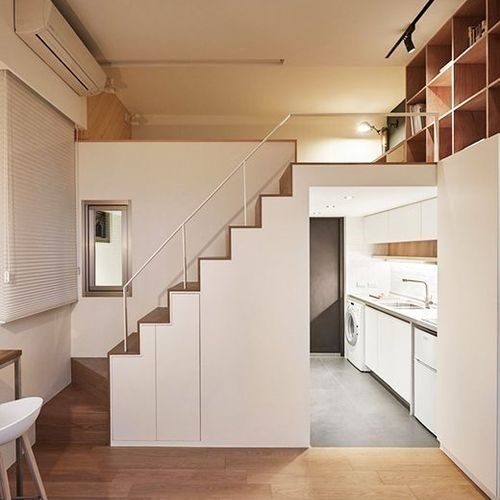
In this article, we will share valuable tips on how to optimize small spaces in apartments and houses.
 https://creativecommons.org/licenses/by-nc-nd/4.0/https://creativecommons.org/licenses/by-nc-nd/4.0/ArchShopArchShop
In the world of colors, there are three main categories that describe their visual and emotional characteristics: warm, cool, and neutral colors.

In the universe of colors, there are three main categories that describe their visual and emotional characteristics: warm, cool, and neutral. The temperature of colors refers to the sensation of warmth or coolness that a color conveys.
Warm colors, such as red, orange, and yellow, are associated with heat, energy, and passion, evoking feelings of excitement and vitality. On the other hand, cool colors, such as blue, green, and purple, convey a sense of coolness, tranquility, and calm, often related to nature and serenity. Neutral colors, like white, black, gray, and brown, have a more balanced temperature and can be used to harmonize and accentuate other colors.
In this article, we will understand in depth how color temperature works, what each of them are, and how they convey sensations.
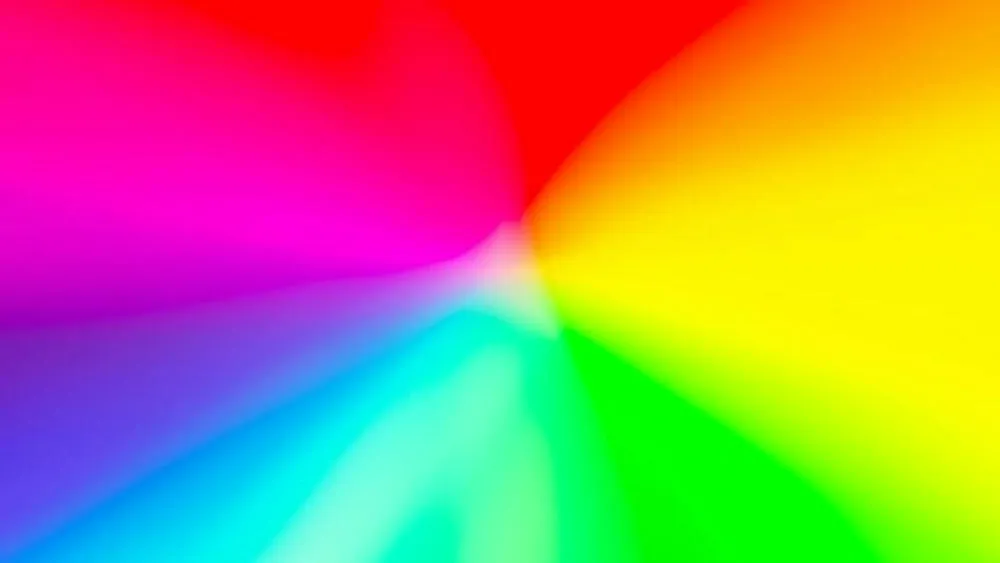
The tone of colors is defined by color temperature, which is a visual property perceived by humans. This perception is associated with the feeling of warmth or coolness that a color transmits. Color temperature is measured in Kelvin degrees (K) and is used to describe the appearance of a light source or the color of an illuminated object.
Generally, colors are classified into three main categories: warm, cool, and neutral.
Warm colors: These colors are associated with a feeling of warmth and are generally found on the red, orange, and yellow side of the color spectrum. They have a high color temperature, above 5000K. Examples of warm colors include vibrant red, bright orange, and intense yellow. These colors tend to convey a sense of energy, passion, and warmth.
Cool colors: These colors are associated with a feeling of coolness and are generally found on the blue, green, and purple side of the color spectrum. They have a lower color temperature, below 5000K. Examples of cool colors include deep blue, fresh green, and deep purple. These colors tend to convey a sense of calm, tranquility, and serenity.
Neutral Colors: These colors are not considered warm or cool, as they are closer to the gray spectrum. They are often described as shades of brown, beige, gray, and white. Neutral colors are versatile and can be used as a base in combination with warm or cool colors to create contrasts or visual balance.
It is important to remember that the perception of color temperature can vary among people, and culture and context can also influence the interpretation of colors. Furthermore, the use of warm, cool, or neutral colors in different contexts, such as graphic design, painting, or decoration, can have specific symbolic and emotional connotations, which can also affect the perception of colors.
Warm, cool, and neutral colors are concepts used in color theory to describe different groups of colors with distinct visual characteristics. Here are the colors generally associated with each category (we emphasize that besides these, there are countless variations and combinations of colors within each category):


Warm colors are a concept that originated in color theory and are generally associated with reddish, orange, and yellowish tones in the visible light spectrum. Warm colors are considered energetically more intense compared to cool colors, which are calmer and more relaxing. Warm colors have shorter wavelengths and high frequency, which means they have more energy associated with them. These colors are often associated with feelings like passion, warmth, excitement, and dynamism.
In science, warm colors are explained by the way our eyes and brain interpret different wavelengths of light. Visible light consists of a range of wavelengths from red to violet, and each wavelength is perceived as a specific color. Warm colors are located at the longer end of the visible spectrum, where wavelengths are shorter.
The measurement of a color's warm tone can be done in several ways. One is through color temperature, which is a measure that describes the appearance of a light source in relation to its color. Color temperature is usually expressed in Kelvin (K). Light sources with lower color temperatures, like candlelight, emit a warm, reddish light. As the color temperature increases, the light becomes whiter and eventually bluish.
Another way to measure the warm tone of a color is by its position on the color wheel. The color wheel is a visual representation of colors, where warm colors are located on one side, usually the right side, while cool colors are on the opposite side. The relative position of a color within the color wheel can indicate its warm or cool tone.
Theoretically, the warmest color is violet. In the visible spectrum, violet has shorter wavelengths and faster vibrations than any other color. This high frequency of vibration causes violet to be associated with greater thermal energy and, therefore, a greater sensation of heat.
However, it is important to note that the perception of a color's tone is subjective and influenced by contextual and cultural factors. In practice, the colors traditionally considered warm are red, orange, and yellow, while violet is generally associated with a sense of coolness and is considered a cool color. Remember that the perception of warmth or coolness in colors is more a matter of psychological association than an intrinsic physical characteristic of the colors.

In color theory, a cool tone refers to colors that evoke feelings of coolness, calm, and tranquility. These colors are associated with longer wavelengths and are perceived as more relaxing and soft. Examples of cool colors include blue, green, and violet. Scientifically, the perception of cool colors is related to the response of the color receptors (cones) in the retina of the eyes. Cool colors, such as blue, green, and violet, more strongly activate the cones sensitive to these wavelengths, conveying the sensation of coolness and tranquility.
Similar to warm colors, the perception of cool colors can also be related to cultural and emotional associations. For example, blue is often associated with the sky and water, conveying a sense of serenity and calm. Green can evoke feelings of renewal and harmony with nature. These emotional associations may vary across different cultures, but generally, cool colors are considered relaxing and refreshing.
Blue is generally considered the coolest color in the visible color spectrum. Within the range of blue tones, the lighter and purer shades tend to convey an even greater sense of cold. This is related to how light is absorbed and reflected by objects. Colors are perceived by our visual system according to how different wavelengths of light are reflected or absorbed by an object. Blue is associated with shorter wavelengths, which leads us to perceive it as a cooler color.

Neutral colors are those that do not have a specific color hue but are closer to white, black, or gray. They are considered neutral because they are not dominant and do not belong to any specific color spectrum, such as red, blue, or green. Neutral tones are widely used in art, design, and fashion due to their ability to complement other colors and create visual balance.
Color theory defines a neutral tone as one that has no pronounced hue or saturation. Hue refers to the fundamental color from which a color is derived, and saturation refers to the intensity or purity of a color. The more saturated a color, the more vibrant it appears. In neutral tones, the hue is minimal, and the saturation is reduced, resulting in softer, desaturated colors.
Neutral tones are generally measured on a grayscale, where black is the darkest point and white is the lightest. Between these two extremes, there is a variety of gray tones that are considered neutral. In other words, neutral tones are those that are close to the middle of this grayscale, with moderate levels of lightness and saturation.
The most neutral color is medium gray or neutral medium. Medium gray is considered the midpoint of the grayscale, where there is no predominance of white or black. It is in the middle of the scale between pure white and pure black. Medium gray is a desaturated color and does not have a specific hue, which makes it extremely neutral and versatile. Due to its neutrality, medium gray is often used as a basic neutral tone in various contexts, such as wall painting, interior decoration, fashion, and graphic design.
The most commonly used neutral colors are white, black, gray, and beige. However, when it comes to a neutral color that goes with everything, white is often considered the most universal option. White is a pure neutral color that has no additional hue, making it highly compatible with any other color. White is able to enhance other colors and create a sharp contrast, making it a safe and reliable choice when combining with different color palettes.
It is important to note that the idea of a neutral color that goes with everything can vary depending on the context and personal preference. Some people may prefer medium gray tones or beige as their 'go-to' neutral colors, as they find they adapt well to different color schemes. However, white remains the most widely accepted choice as a versatile and compatible neutral color.
 https://creativecommons.org/licenses/by-nc-nd/4.0/https://creativecommons.org/licenses/by-nc-nd/4.0/ArchShopArchShop
ArchShop is redefining the concept of residential architecture in Brazil, making high-quality projects accessible to everyone. Combining over 20 years of expertise in the construction sector with technological innovation, the company offers a complete digital platform that simplifies and democratizes the process of building the dream home.
See also
In this article, we will share valuable tips on how to optimize small spaces in apartments and houses.

Explore 23 projects with a gourmet space, from compact houses to high-end models with a pool and barbecue. Find the perfect plan for your home!

In this article, we will highlight the trends that continue to evolve, while also presenting some exciting new developments in the field of architecture, interior design, and decoration.
In the world of colors, there are three main categories that describe their visual and emotional characteristics: warm, cool, and neutral colors.
Advertise or Publish
We believe that the best ideas arise from the exchange of experiences and the sharing of different perspectives. Open the doors to new opportunities and be part of our blog! If you have an interesting article, an amazing work, a product or service that deserves to be highlighted, contact us.