Archshop,
Jul 1, 2026
How to Optimize Small Spaces in Apartments and Houses
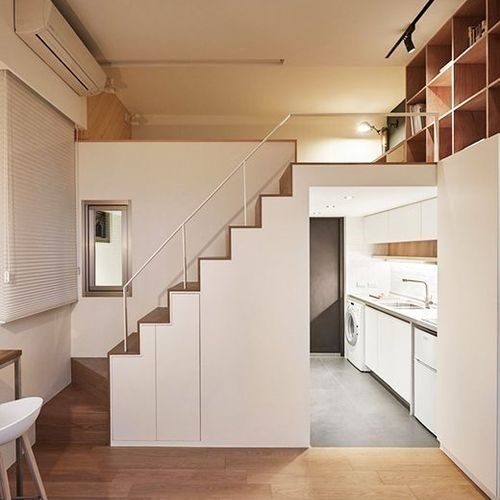
In this article, we will share valuable tips on how to optimize small spaces in apartments and houses.
 https://creativecommons.org/licenses/by-nc-nd/4.0/https://creativecommons.org/licenses/by-nc-nd/4.0/ArchShopArchShop
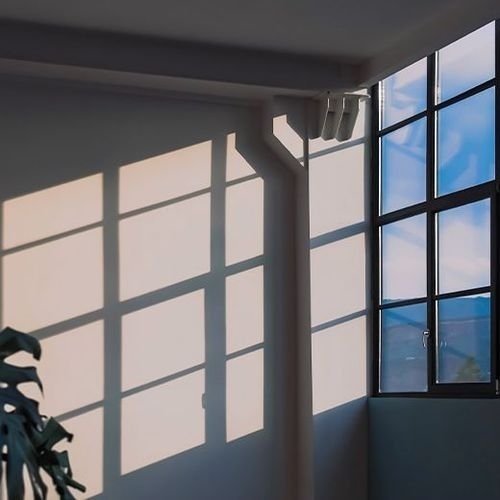
Natural lighting plays a crucial role in architecture and interior design, offering not only light but also a series of physical, psychological, and environmental benefits for the residents of a house.
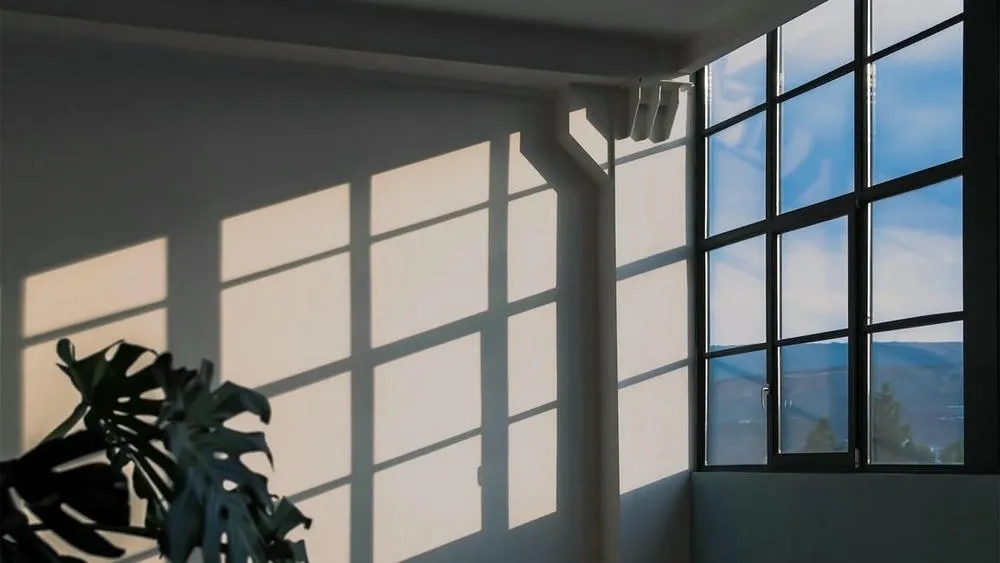
Natural lighting plays a crucial role in architecture and interior design, offering not only light but also a series of physical, psychological, and environmental benefits for the residents of a house. By maximizing the use of natural light, it is possible to create healthier, more economical, and sustainable environments, reducing dependence on artificial lights and the consumption of electrical energy. In this article, we will explore practical strategies to make the most of natural lighting in different areas of the house, highlighting the importance of layout, the intelligent use of color, the appropriate choice of curtains and blinds, and the positive impact this approach can have on the well-being and quality of life of the residents, as well as its contribution to the preservation of the environment.
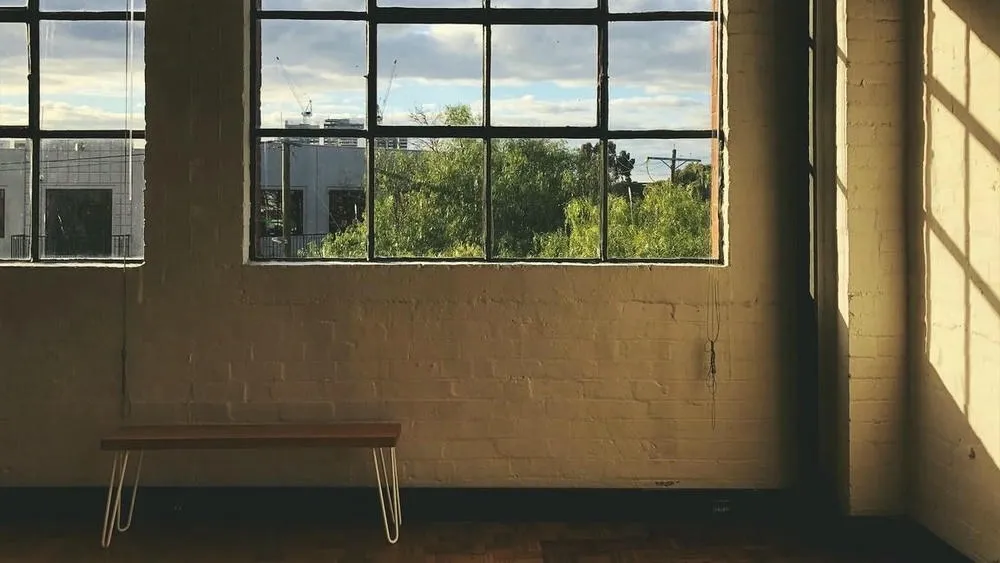
Natural lighting plays a fundamental role in residential architecture, directly influencing the well-being and health of the residents of a house. More than just illuminating indoor spaces, natural light brings a series of physical and psychological benefits that contribute to creating a harmonious and welcoming environment.
Natural light has a positive impact on the physical health of individuals. It provides a source of vitamin D, essential for calcium absorption and bone strengthening. In addition, regular exposure to natural light helps regulate the circadian rhythm, our body's internal biological clock. This improves sleep quality, hormonal regulation, and immune system function, resulting in an overall increase in health and well-being.
From a psychological point of view, natural lighting also plays a significant role. Sunlight has the ability to improve mood, increase energy levels, and reduce feelings of anxiety and stress. It creates a sense of connection with the outside world, bringing nature indoors and promoting a feeling of calm and tranquility. In addition, natural light enhances the colors and details of the environments, creating a visually pleasing aesthetic and valuing the architecture and interior design.
By taking advantage of natural lighting in a residence, it is possible to create healthier and more pleasant living spaces. There are several architectural strategies that can be adopted to maximize the use of natural light. We will explore these strategies in the next topic.
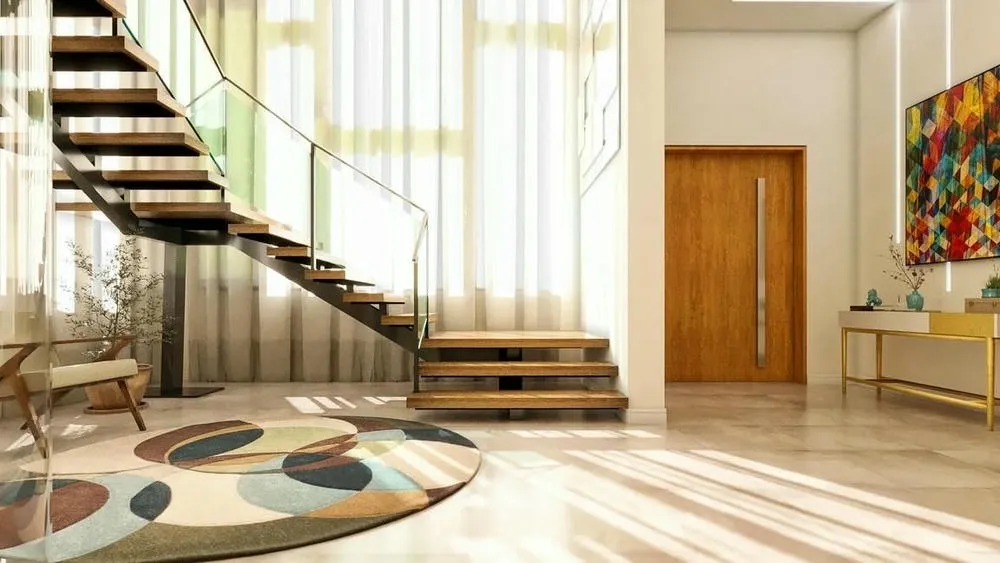
When it comes to maximizing the entry of natural light in different areas of the house, there are several practical tips that can be applied. From the arrangement of furniture to the use of elements such as mirrors, suitable curtains, and blinds, these strategies can make all the difference in making the most of the available natural lighting. Here are some guidelines that may be useful:
Remembering that each house is unique and the strategies may vary according to the layout and solar orientation. It is important to adapt the tips to the specific characteristics of your space to obtain the best results.
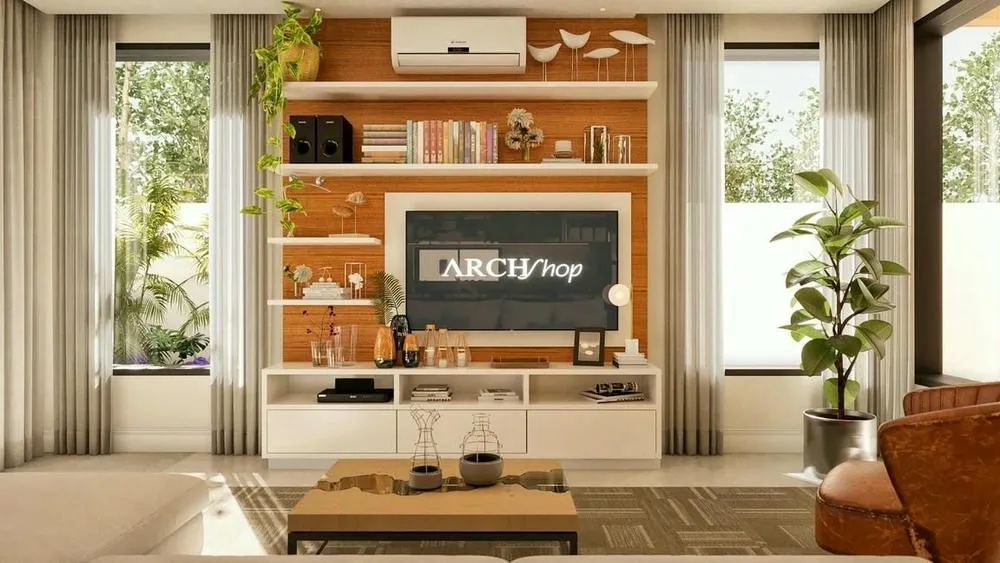
Among several factors, the layout of the house is one of the most important steps to consider to optimize natural lighting. The way the colors of the walls are chosen, the arrangement of windows and doors, as well as the inclusion of elements such as skylights and panoramic windows, can significantly influence the amount and quality of natural light in indoor environments.
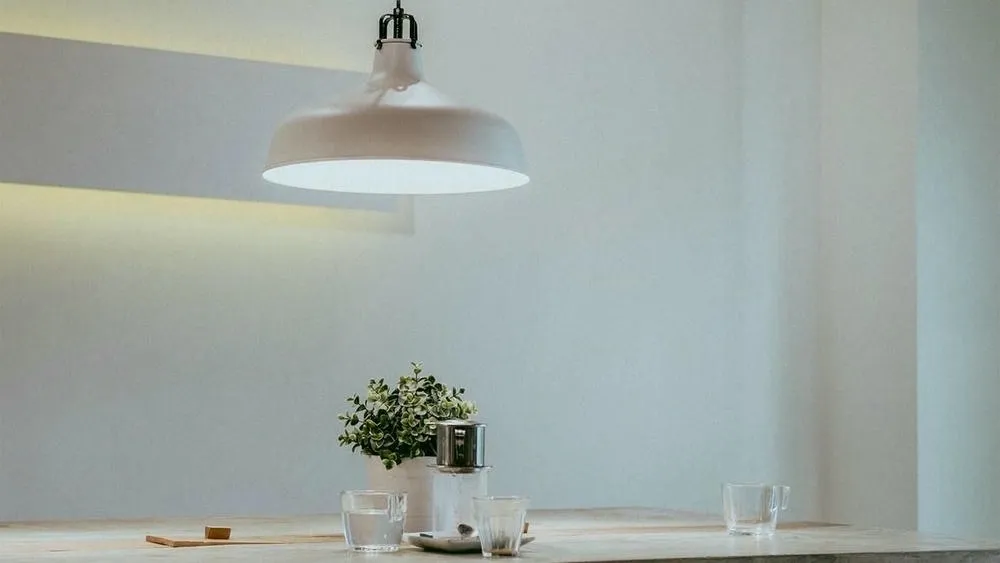

Energy saving and sustainability are increasingly relevant themes in modern architectural projects. Taking advantage of natural lighting is an effective strategy to reduce dependence on artificial lights, bringing with it a series of economic and environmental benefits.
By taking advantage of natural lighting, it is possible to significantly reduce the need for artificial lighting during the day. This results in a direct reduction in electricity consumption, as artificial lights consume a considerable amount of electricity. By using natural light as the main source of lighting during the day, it is possible to obtain considerable long-term savings, directly reflected in electricity bills.
In addition to the economic benefits, reducing electricity consumption by taking advantage of natural lighting also has a positive impact on the environment. Electricity generation often involves the burning of fossil fuels, which contributes to the emission of greenhouse gases and global warming. By reducing electricity consumption, we are decreasing the demand for electricity generated from non-renewable sources, helping to mitigate the negative effects of climate change.
In addition, natural lighting is an environmentally friendly form of lighting, as it does not involve the production of waste, polluting gases, or harmful emissions. On the contrary, natural light is a clean and renewable source of lighting that is readily available to be harnessed. By reducing the need for artificial lights, we are reducing the demand for materials and resources used in the production, maintenance, and disposal of these bulbs, contributing to the reduction of environmental impact.
By concluding this article, it is evident that taking advantage of natural lighting is a smart and sustainable choice. In addition to bringing benefits to the well-being and health of the residents, natural lighting contributes to energy savings, reducing consumption and electricity bills. By reducing dependence on artificial lights, we are also acting for the benefit of the environment, decreasing the emission of greenhouse gases and the negative impact of climate change. Therefore, taking advantage of natural lighting and adopting smart lighting solutions are important steps to create a more sustainable, comfortable, and ecologically conscious residential environment.
 https://creativecommons.org/licenses/by-nc-nd/4.0/https://creativecommons.org/licenses/by-nc-nd/4.0/ArchShopArchShop
ArchShop is redefining the concept of residential architecture in Brazil, making high-quality projects accessible to everyone. Combining over 20 years of expertise in the construction sector with technological innovation, the company offers a complete digital platform that simplifies and democratizes the process of building the dream home.
See also
In this article, we will share valuable tips on how to optimize small spaces in apartments and houses.
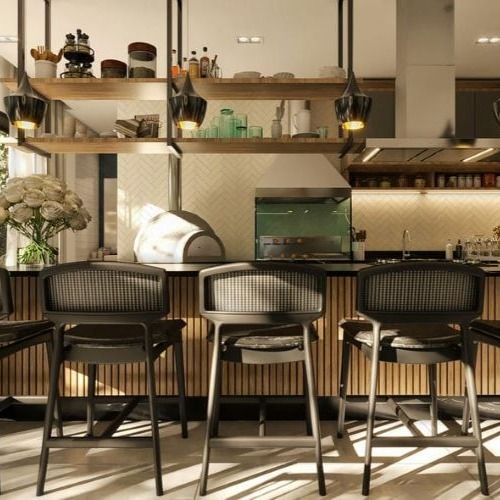
Explore 23 projects with a gourmet space, from compact houses to high-end models with a pool and barbecue. Find the perfect plan for your home!
In this article, we will highlight the trends that continue to evolve, while also presenting some exciting new developments in the field of architecture, interior design, and decoration.

In the world of colors, there are three main categories that describe their visual and emotional characteristics: warm, cool, and neutral colors.
Advertise or Publish
We believe that the best ideas arise from the exchange of experiences and the sharing of different perspectives. Open the doors to new opportunities and be part of our blog! If you have an interesting article, an amazing work, a product or service that deserves to be highlighted, contact us.