Archshop,
Jul 1, 2026
How to Optimize Small Spaces in Apartments and Houses
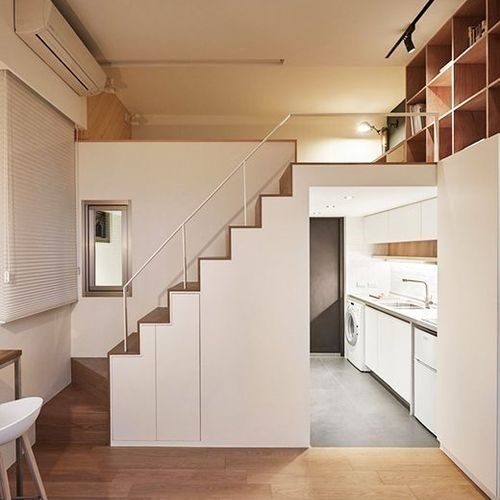
In this article, we will share valuable tips on how to optimize small spaces in apartments and houses.
 https://creativecommons.org/licenses/by-nc-nd/4.0/https://creativecommons.org/licenses/by-nc-nd/4.0/ArchShopArchShop
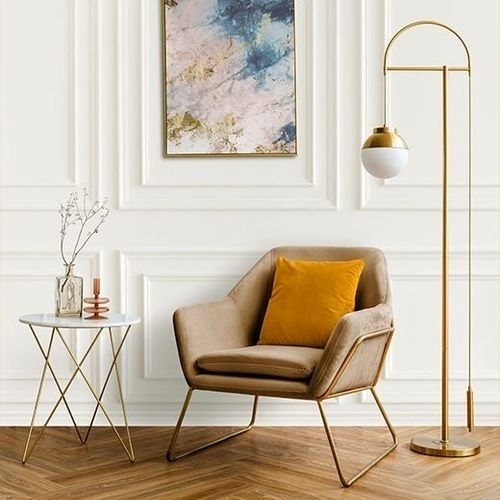
So, what exactly is boiserie? Let's explore in detail this French decorative element that has conquered the world of architecture and design.
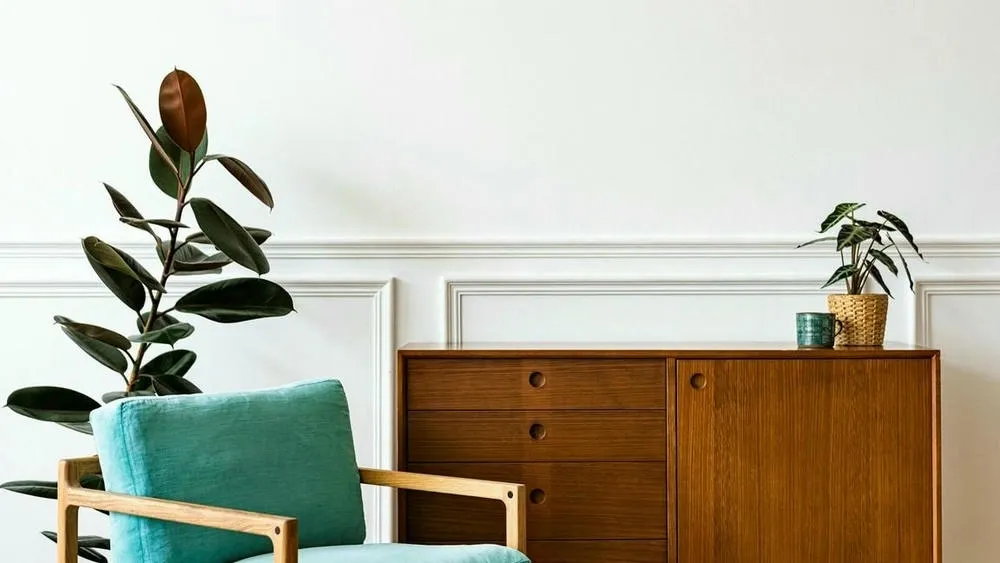
If you are passionate about classic interior design and want to add a touch of timeless elegance to your spaces, you have surely heard of boiserie. But what exactly is boiserie? Let's explore in detail this French decorative element that has conquered the world of architecture and design. Discover its origin, characteristics, and styles, as well as valuable tips for its application in different environments. Get ready to transform your walls into true works of art with the sophistication and charm of boiserie!
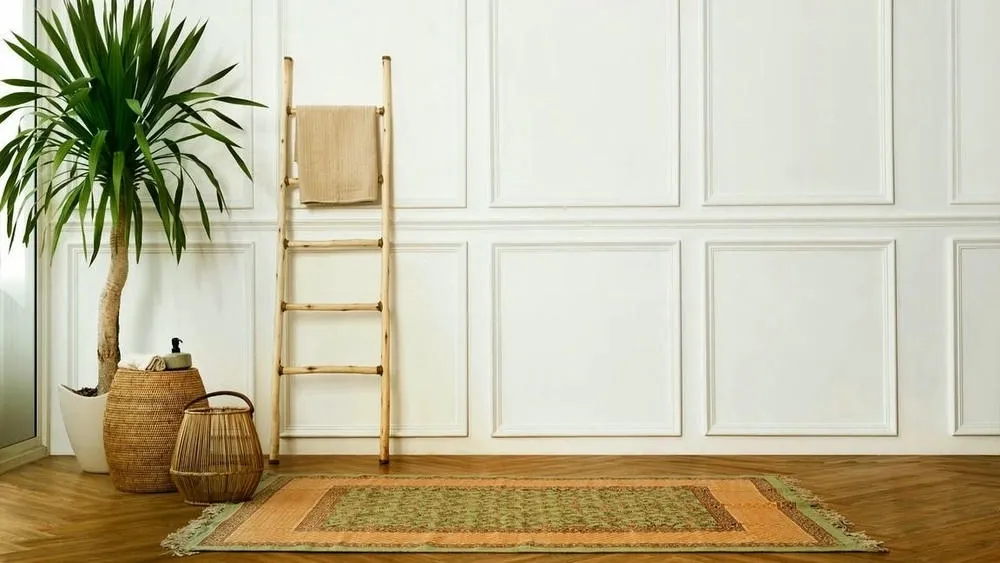
Boiserie (bwa·ze·ri) is a term that refers to a style of interior decoration involving the cladding of walls with ornate wooden panels. The word "boiserie" originates from the French language, derived from the term "bois" which means "wood" - it can be translated as “woodwork”. The style emerged in 18th-century France and reached its peak during the neoclassical period. Boiseries became popular among the aristocracy and the bourgeoisie, often found in palaces, mansions, and country houses. Boiseries are known for adding elegance, sophistication, and a classic touch to environments.
The distinctive features of boiserie include the use of carved wooden panels, often painted or gilded, which are applied to the walls in symmetrical patterns. The panels can be rectangular or square and are arranged in a regular sequence. They can feature moldings, reliefs, carvings, friezes, arabesques, and other elaborate decorative details. In addition to the panels, boiserie can also include other decorative elements such as columns, pilasters, capitals, cornices, and rosettes, which are integrated into the clad walls. These elements add a sense of grandeur and classical architecture to the environments.
The themes and styles used in boiserie vary according to the era and cultural influences. During neoclassicism, for example, they were heavily inspired by Greek and Roman mythology, including leaf garlands, medallions with portraits, winged figures, and mythological scenes. In the Rococo period, floral designs, sinuous curves, and lighter, more ornate elements predominated.
Currently, boiserie continues to be appreciated and used in interior decoration in different styles, from the most traditional to contemporary. Although it is more common to find boiseries in high-end residences, it is possible to adapt the concept for smaller spaces and use alternative materials, such as plaster or polyurethane, to reproduce the effect of carved wooden panels.
Boiserie is a technique that transcends time, adding a touch of refinement and sophistication to environments, and continues to be valued as a form of artistic and architectural expression in interior decoration.
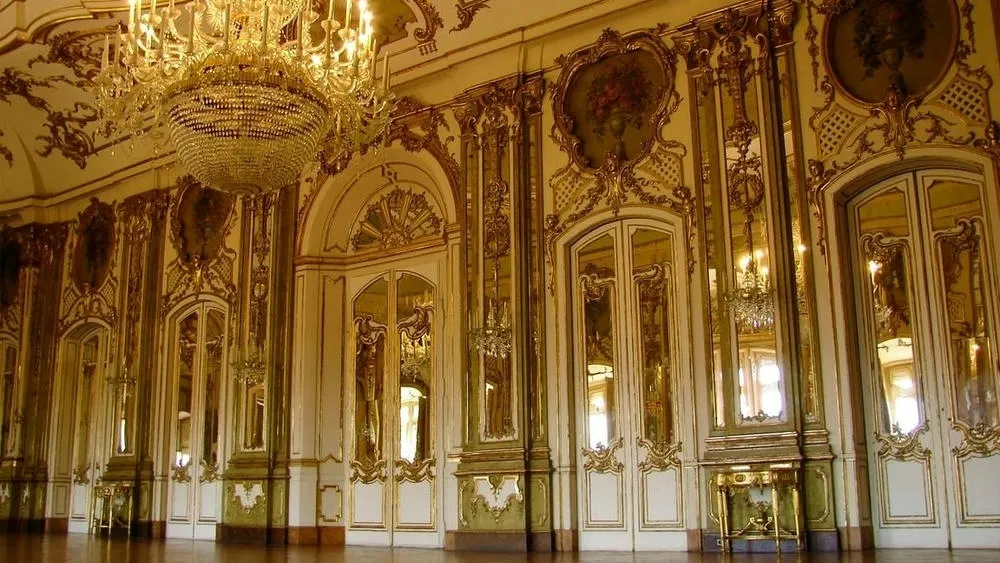
The origin of boiseries dates back to 17th-century France, during the reign of Louis XIV, known as the Sun King. The technique of cladding walls with carved and decorative wooden panels was developed during this era as part of the interior decoration style that reflected the luxury and power of the French nobility.
Boiseries were created with the aim of beautifying the interior spaces of residences and palaces, giving them elegance, sophistication, and a touch of grandeur. In addition, they had a practical function of thermal and acoustic insulation, helping to keep the rooms more comfortable and providing privacy in living rooms, dining rooms, and bedrooms.
Initially, boiseries were made of solid wood, such as oak or mahogany, and carved by skilled artisans. The panels were hand-painted with bright colors and golden details, such as gold or bronze leaf, to enhance the ornamentation. The themes often depicted mythological scenes, hunts, landscapes, and floral motifs.
Over time, the use of boiseries spread to other European countries and evolved according to the styles and trends of the time. During the 18th century, the technique was widely disseminated in the Rococo period, where the carved wooden panels featured more sinuous shapes, curved lines, and delicate ornamental motifs.
In the 19th century, boiserie continued to be a prominent element in interior decoration, but it was adapted to the neoclassical and revivalist styles, incorporating classic architectural elements such as columns, pediments, and decorative friezes.
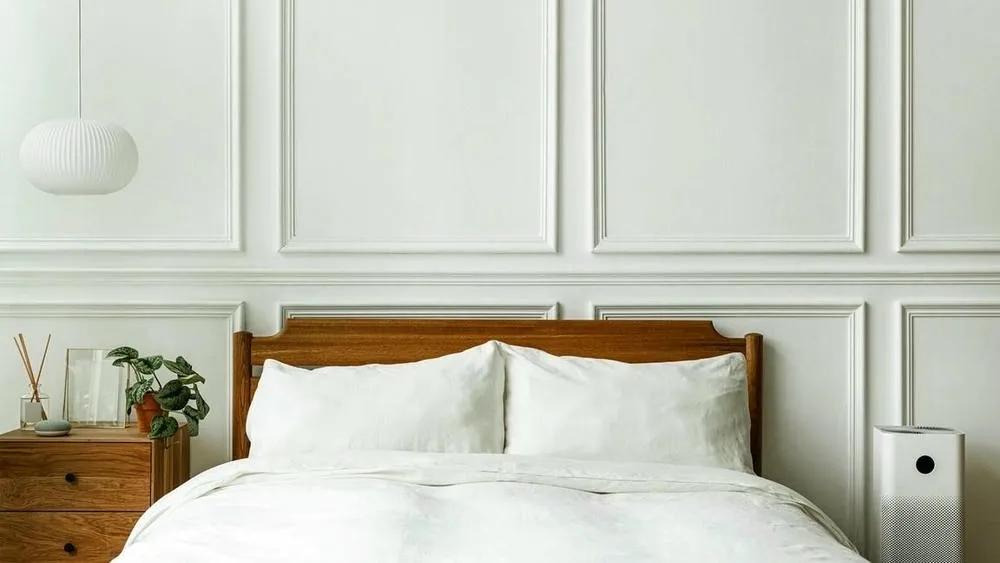
With the advent of the Industrial Revolution and the introduction of new materials and manufacturing techniques, boiseries began to be produced on a larger scale and with more accessible materials, such as plaster, stucco, and polyurethane moldings. This made it possible to replicate the intricate details of boiseries in a variety of styles, facilitating their application in different types of residences.
Currently, boiseries continue to be appreciated and used in interior design and decoration, although they have adapted to contemporary styles. The versatility of modern materials and techniques allows for the creation of boiseries ranging from classic and traditional styles to more minimalist and modern approaches, integrating perfectly with different environments and personal tastes.
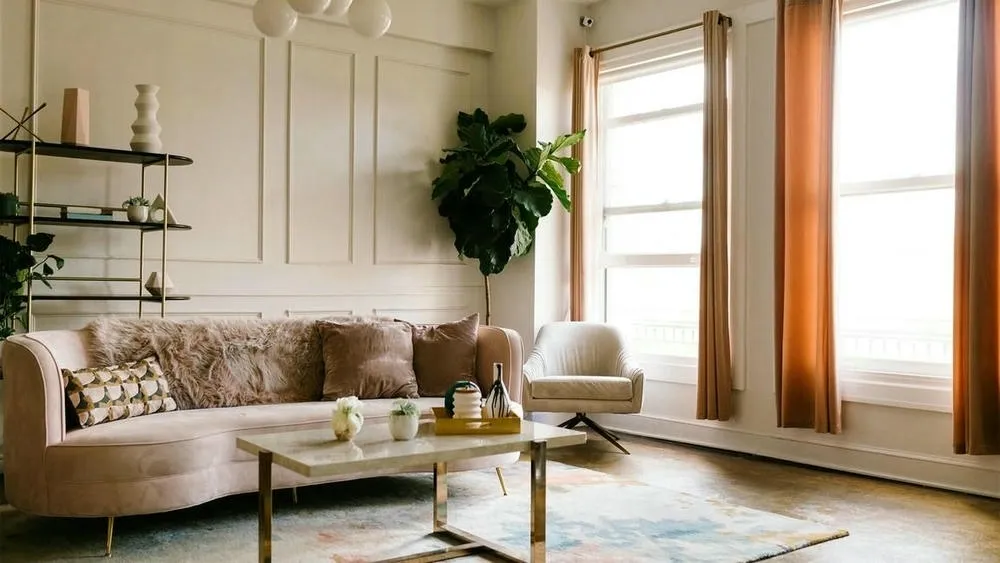
Incorporating boiseries into interior design can add a touch of elegance and sophistication to spaces, creating a classic and timeless atmosphere. There are several ways to use boiseries creatively and adapt them to contemporary styles.
A popular option is to partially clad the walls with boiseries, creating decorative panels in strategic areas, such as living rooms, dining rooms, or hallways. These panels can be installed up to half the height of the wall, creating an interesting visual division and giving the room a cozy and refined look.
For an even more dramatic effect, it is possible to clad the entire wall with boiseries, creating an impactful look. This approach is particularly suitable for larger spaces, such as halls or libraries, where the boiseries can become the central element of the decoration, conveying a sense of grandeur and majesty.
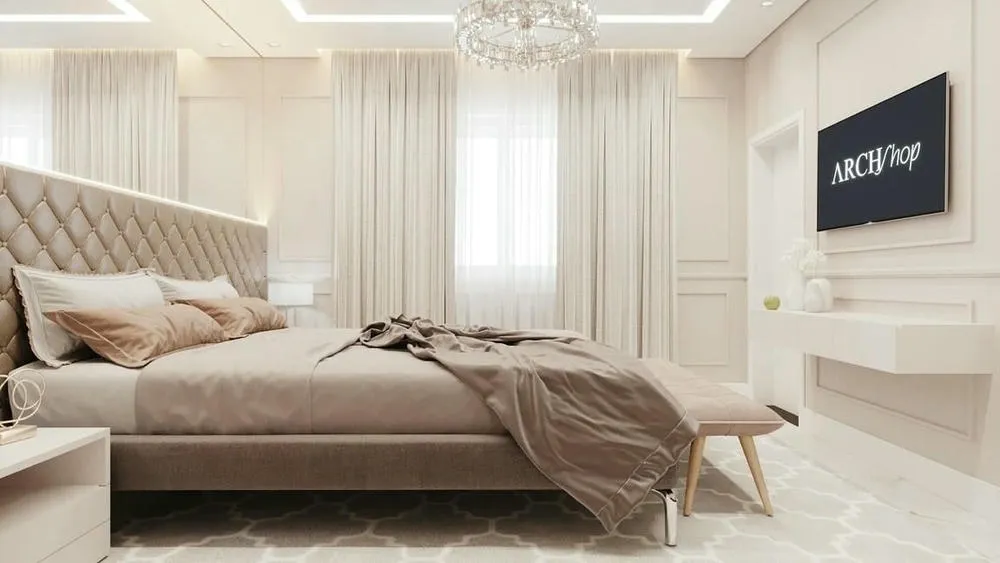
Another way to use boiseries is to combine them with contemporary elements. For example, instead of using solid wood, one can opt for boiseries made of plaster or polyurethane, which offer a variety of pre-fabricated designs and moldings. These materials are lighter, more affordable, and can be customized according to individual preferences.
In addition, boiseries can be painted in contrasting colors, such as black or dark gray, to create a modern and bold look. This approach combines the classic with the contemporary, adding a touch of sophistication and personality to the space.
It is also important to consider the integration of boiseries with other elements of the environment. They can be combined with classic furniture or contemporary design pieces, creating an interesting visual contrast. Proper lighting, such as spotlights directed to highlight the details of the boiseries, can further enhance the decorative effect.
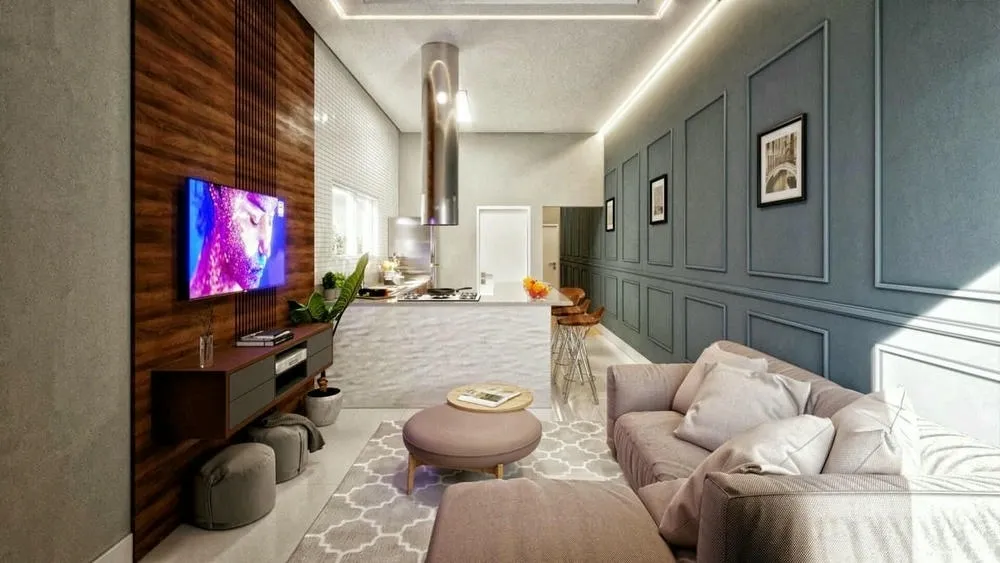
The application of boiseries in specific rooms, such as the dining room, can create an elegant atmosphere for receiving guests. In this case, boiseries around the walls can be combined with a decorative mirror or an imposing chandelier, providing a luxurious environment for social moments.
In summary, using boiseries in interior design allows for the exploration of classic and refined aesthetics, adapting it to contemporary styles. Combining the beauty of carved wooden panels with modern and creative elements results in unique and personality-filled spaces. Whether partially cladding the walls or creating an entire wall of boiseries, this technique continues to enchant and enhance environments, providing an elegant and welcoming atmosphere.
 https://creativecommons.org/licenses/by-nc-nd/4.0/https://creativecommons.org/licenses/by-nc-nd/4.0/ArchShopArchShop
ArchShop is redefining the concept of residential architecture in Brazil, making high-quality projects accessible to everyone. Combining over 20 years of expertise in the construction sector with technological innovation, the company offers a complete digital platform that simplifies and democratizes the process of building the dream home.
See also
In this article, we will share valuable tips on how to optimize small spaces in apartments and houses.
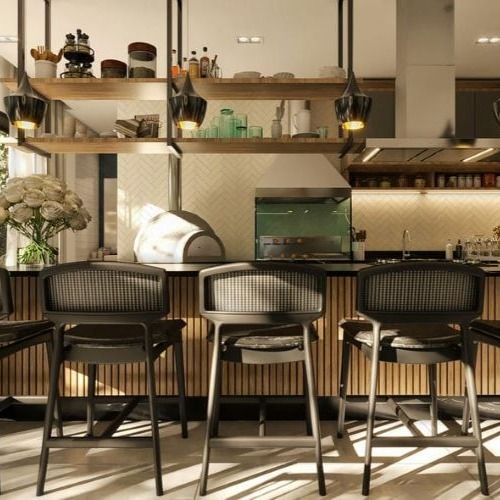
Explore 23 projects with a gourmet space, from compact houses to high-end models with a pool and barbecue. Find the perfect plan for your home!
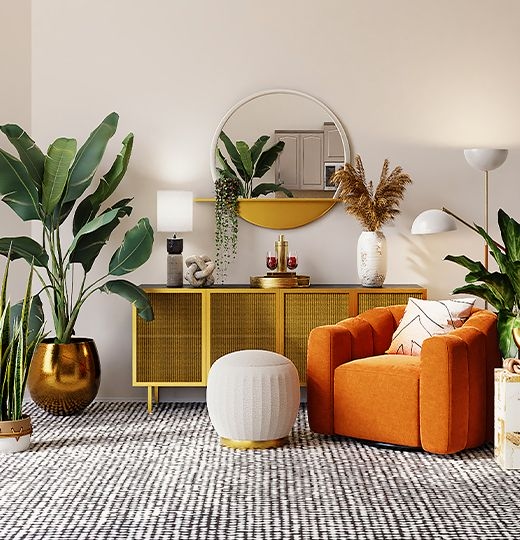
In this article, we will highlight the trends that continue to evolve, while also presenting some exciting new developments in the field of architecture, interior design, and decoration.

In the world of colors, there are three main categories that describe their visual and emotional characteristics: warm, cool, and neutral colors.
Advertise or Publish
We believe that the best ideas arise from the exchange of experiences and the sharing of different perspectives. Open the doors to new opportunities and be part of our blog! If you have an interesting article, an amazing work, a product or service that deserves to be highlighted, contact us.