Archshop,
Jul 1, 2026
How to Optimize Small Spaces in Apartments and Houses
In this article, we will share valuable tips on how to optimize small spaces in apartments and houses.
 https://creativecommons.org/licenses/by-nc-nd/4.0/https://creativecommons.org/licenses/by-nc-nd/4.0/ArchShopArchShop
We highlight 5 aspects of the industrial style.
The industrial style in architecture is an aesthetic approach that originated from the repurposing of old industrial structures and factories for residential or commercial use. This trend gained prominence in the late 20th and early 21st centuries, aiming to preserve the authenticity and history of these spaces by incorporating features like exposed bricks, steel beams, exposed ducts, and large windows.
Inspired by the adaptive reuse movement, the industrial style celebrates the rawness and "raw" aesthetic of industrial buildings, highlighting structural and functional elements rather than concealing them. Instead of hiding or removing industrial architectural features, the industrial style integrates them into the design and turns them into focal points. In this article, we will discuss 5 of the main aspects of the industrial style, from the adoption of the open concept to details in colors and decoration. Come with us!
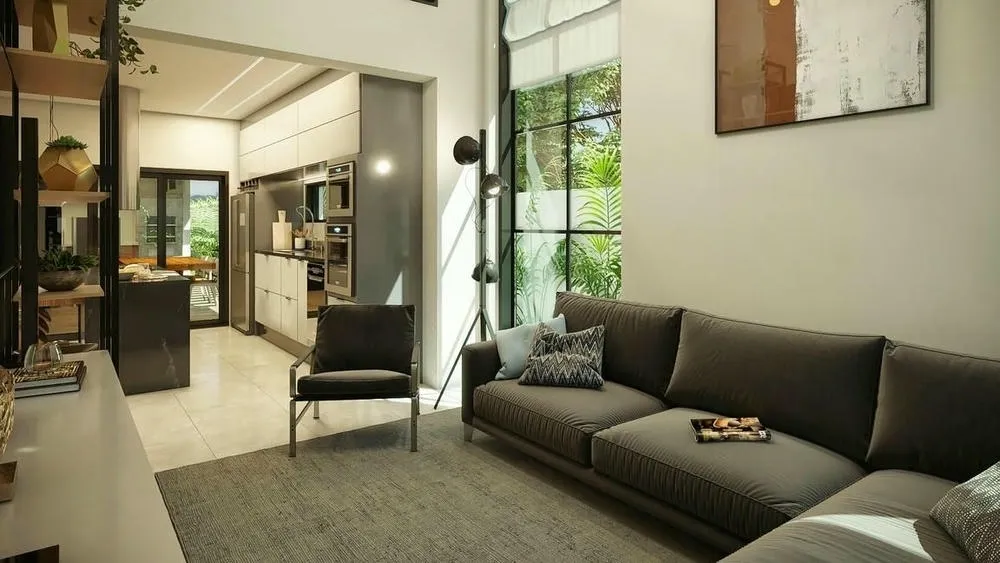
A common aspect found in the industrial style is the open concept, which is characterized by the absence of partitions between rooms. In this type of architectural project, internal walls are reduced to the minimum necessary, resulting in large and interconnected spaces. This approach offers a series of practical and aesthetic benefits.
In practical terms, the lack of partitions provides greater mobility for residents. By eliminating physical barriers, such as walls and doors, the open concept allows people to move freely from one environment to another, facilitating circulation and social interaction. This is especially advantageous in family homes, where it is desirable for family members to be able to communicate and gather easily in different areas of the house.
In addition, the open concept contributes to the feeling of spaciousness and brightness of the space. By eliminating the walls that divide the rooms, natural light can flow freely, illuminating the entire environment uniformly. This creates a more airy and welcoming atmosphere, as well as allowing for better integration with the external landscape.
From an aesthetic point of view, the open concept in the industrial style values the simplicity and harmony of the spaces. With fewer separating elements, attention is directed to the materials and architectural elements present, such as steel beams, exposed bricks, and exposed pipes. These structural elements, often considered "raw" and "industrial," become protagonists of the decoration, giving a unique and authentic character to the environment.
Furthermore, the open concept allows for greater flexibility in the use of spaces. The environments become multifunctional, able to be adapted according to the needs and preferences of the residents. For example, a living area can be easily integrated with the kitchen, creating a central social space. This versatility is especially valued today, where the integration and adaptability of environments are highly desirable.
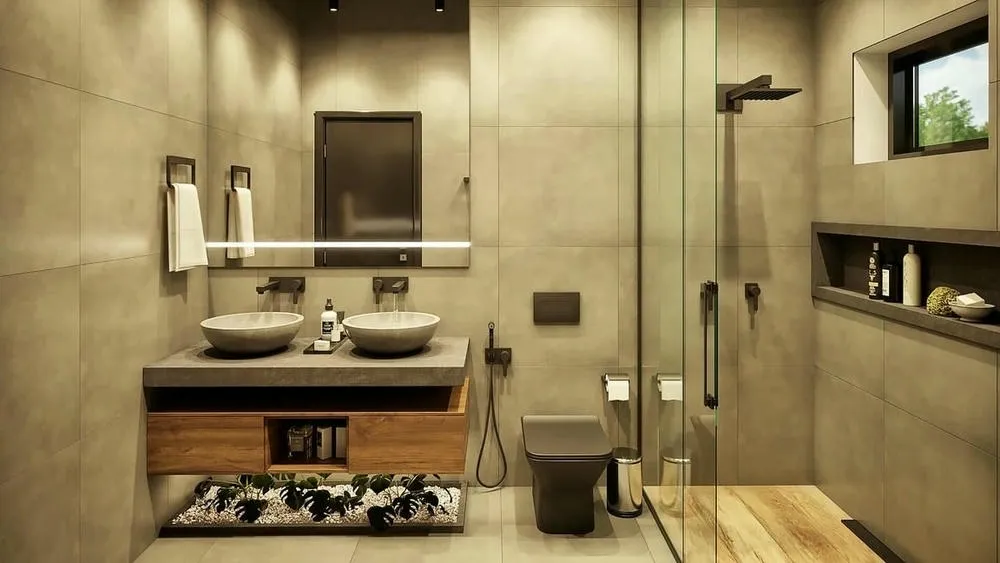
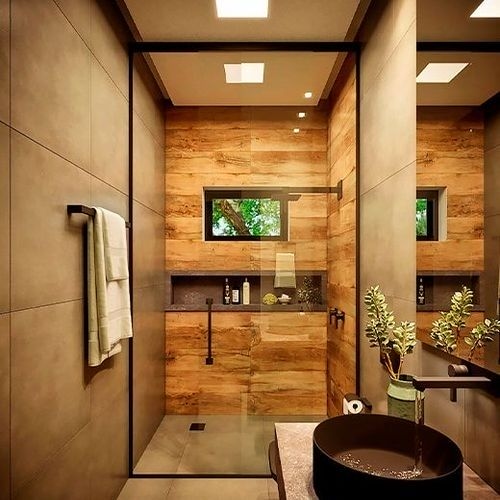
Finishing plays a fundamental role in creating the industrial style. Among the most effective for composing this type of atmosphere, we can mention exposed bricks and polished concrete.
Exposed bricks are an iconic element of the industrial style. They bring a sense of rusticity and authenticity to spaces, evoking the history of old industrial buildings. The bricks can be used on both internal and external walls, creating an interesting texture and a striking visual. They can be original bricks, preserved during the adaptation process of the building, or they can be specially designed exposed bricks to confer the industrial style. The variation in colors and sizes of the bricks also contributes to the unique aesthetics of the environment.
Another widely used finish in the industrial style is polished concrete. This type of coating provides a raw and minimalist appearance, characteristic of industrial design. Polished concrete is applied directly to surfaces, such as floors and walls, and has a rough and irregular texture. Its grayish or yellowish tone, along with the marks of the burning process, adds an industrial and contemporary air to the environments. In addition, polished concrete has the advantage of being durable, easy to maintain, and suitable for different spaces, from residences to commercial establishments.
Both finishes have characteristics that align perfectly with the industrial style. They provide a stripped-down, textured, and genuine aesthetic to the environments, conveying a sense of history and authenticity. These materials also stand out for their versatility, as they can be combined with other elements such as metal, wood, and glass, to create an interesting contrast and highlight the industrial essence of the space.
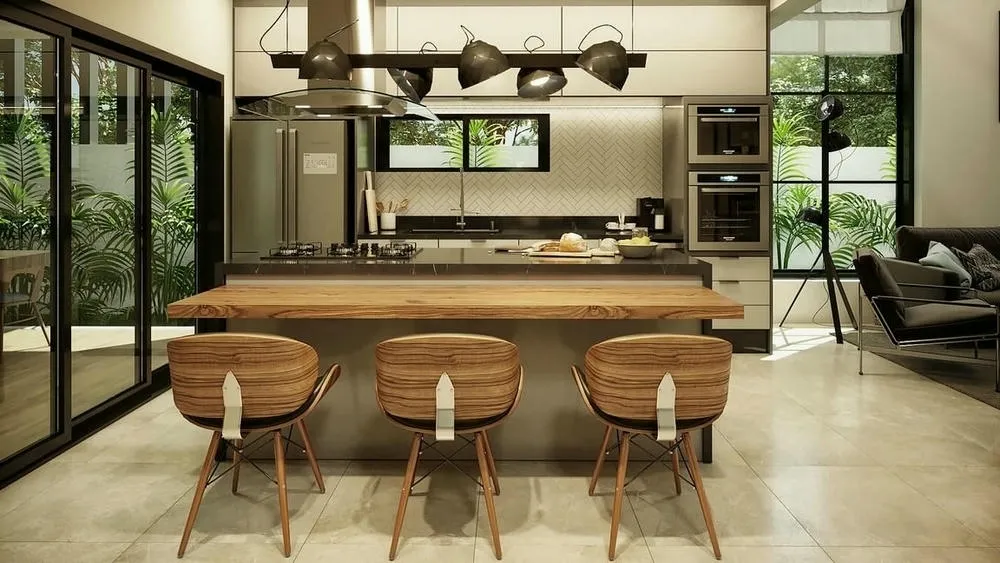
One of the most striking aspects of the industrial style in architecture is the lighting. Lamps and fixtures play a fundamental role in this style, adding both functionality and aesthetics to converted industrial spaces.
In the industrial style, it is common to find exposed bulbs, without any type of shade or diffuser. This approach values simplicity and authenticity, allowing the light source to be a decorative element in itself. Bulbs with exposed filaments, such as Edison bulbs, are especially popular and add a vintage and nostalgic touch to the environments.
Pendant lights are a highlight of the industrial style. They are usually suspended by cables, chains, or metal bars, creating an industrial and urban atmosphere. Pendant lights can have a variety of designs, from more minimalist models, with simple metal structures, to more elaborate pieces, with vintage or industrial details, such as gears or exposed metal pipes.
In addition to pendant lights, other common lighting options in the industrial style include spotlights, track lighting, and floor lamps with articulated arms. These lighting choices are functional and versatile, allowing light to be directed to specific areas and highlighting architectural details or decorative elements.
Regarding color temperature, the bulbs used in the industrial style generally have warmer tones, such as yellow and amber. This choice of lighting helps create a warm and cozy atmosphere, while enhancing the raw materials and texture of the architectural elements.

Another striking feature of the industrial style is the compositions between colors and textures. In this style, preference is given to neutral colors, such as black, white, gray, and brown. These shades are chosen to create a sober and elegant atmosphere, while highlighting the authenticity and rusticity of the industrial environment.
In addition to colors, textures also play an important role. Rough surfaces, such as exposed concrete, exposed bricks, and steel beams, are valued and maintained in their original form. These textures provide an interesting visual and add personality to the spaces, reinforcing the industrial and authentic atmosphere.
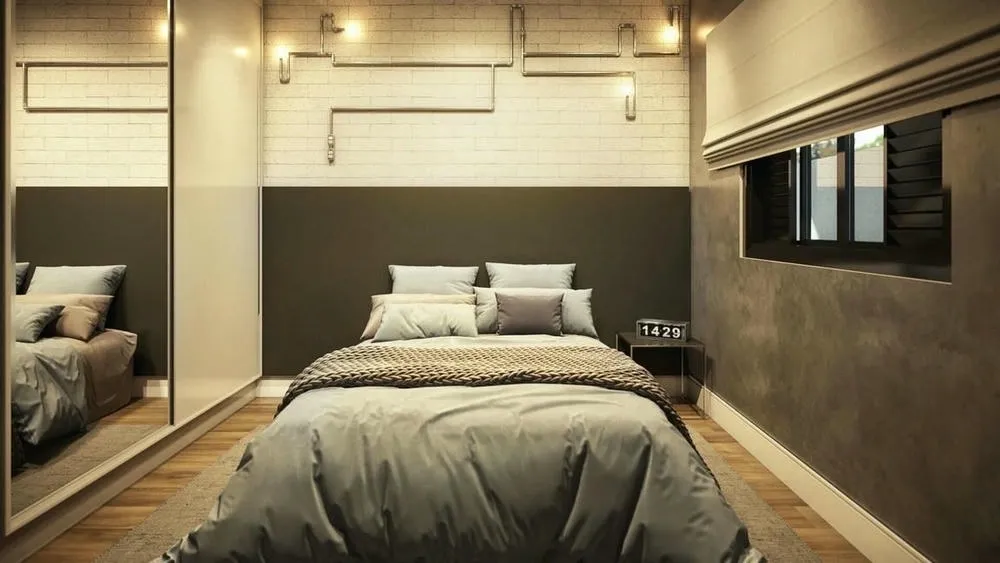
Industrial decoration seeks to rescue the essence of old factories and industries, incorporating antique furniture and objects, as well as characteristic elements of this universe, such as steel pipes.
One of the main characteristics of industrial decoration is the use of repurposed furniture and objects, often from decommissioned industries or old factories. Pieces such as metal stools, steel cabinets, rustic wood tables, and open-shelf units are common in this style. This furniture brings with it the patina of time and the history behind it, adding a unique charm to the spaces.
In addition to antique furniture, industrial decoration values the exposure of elements of the architectural structure itself, such as steel pipes, exposed beams, and visible electrical systems. These functional elements are incorporated into the interior design aesthetically, bringing an authentic industrial aspect to the environments.
The color palette used in industrial decoration is predominantly neutral and sober, such as shades of gray, brown, black, and white. These colors contribute to the industrial atmosphere, providing a sense of solidity and robustness. However, it is common to add touches of bright and vibrant colors in decorative details, such as cushions, rugs, or works of art, to create points of highlight and contrast.
The industrial style in architecture conveys an urban and contemporary aesthetic, evoking a sense of industrial nostalgia while offering a functional and adaptable environment. It is a form of design that values simplicity, authenticity, and the incorporation of history into its projects, transforming old industrial structures into modern and inspiring spaces.
 https://creativecommons.org/licenses/by-nc-nd/4.0/https://creativecommons.org/licenses/by-nc-nd/4.0/ArchShopArchShop
ArchShop is redefining the concept of residential architecture in Brazil, making high-quality projects accessible to everyone. Combining over 20 years of expertise in the construction sector with technological innovation, the company offers a complete digital platform that simplifies and democratizes the process of building the dream home.
See also
In this article, we will share valuable tips on how to optimize small spaces in apartments and houses.
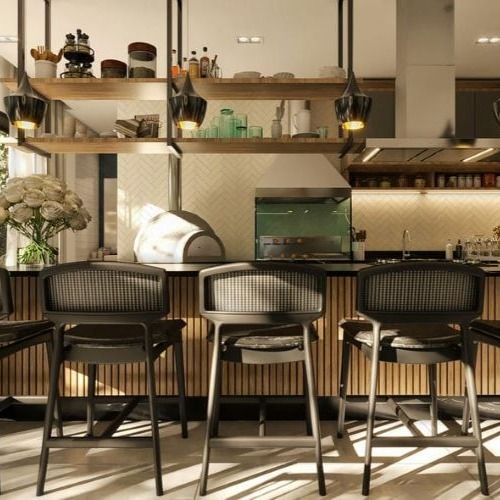
Explore 23 projects with a gourmet space, from compact houses to high-end models with a pool and barbecue. Find the perfect plan for your home!
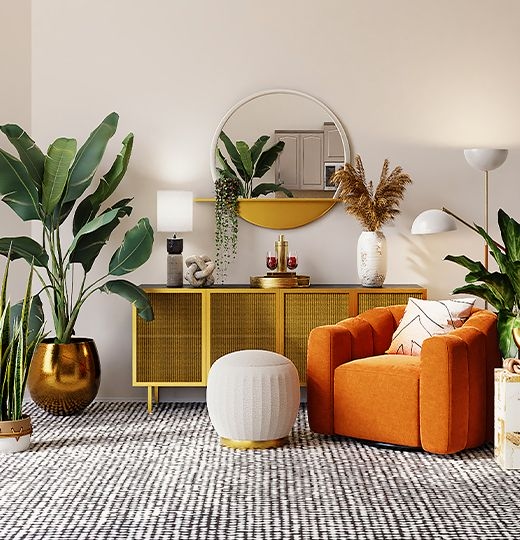
In this article, we will highlight the trends that continue to evolve, while also presenting some exciting new developments in the field of architecture, interior design, and decoration.

In the world of colors, there are three main categories that describe their visual and emotional characteristics: warm, cool, and neutral colors.
Advertise or Publish
We believe that the best ideas arise from the exchange of experiences and the sharing of different perspectives. Open the doors to new opportunities and be part of our blog! If you have an interesting article, an amazing work, a product or service that deserves to be highlighted, contact us.