Archshop,
Jul 1, 2026
How to Optimize Small Spaces in Apartments and Houses
In this article, we will share valuable tips on how to optimize small spaces in apartments and houses.
 https://creativecommons.org/licenses/by-nc-nd/4.0/https://creativecommons.org/licenses/by-nc-nd/4.0/ArchShopArchShop
In this article, we explore one of the most important areas of the house: the kitchen. We present a guide with the 10 main layouts found in the kitchen.
Today we are going to explore one of the most important areas of a house: the kitchen. When it comes to the heart of a home, the layout and design play a crucial role in functionality and style. If you are looking for inspiration to transform your kitchen, you are in the right place! In this article, we will present 10 incredible layouts for kitchens, each with its own unique advantages and characteristics. From the classic and efficient linear kitchen to the modern and dynamic open-plan kitchen, we will explore a variety of options to help you find the best solution for your space.
Whether you are building a new house or renovating your current kitchen, our complete guide to the 10 kitchen layouts will help you visualize the possibilities and inspire you to create the space of your dreams. Let's start this journey to transform your kitchen into a functional, elegant, and truly unique environment!
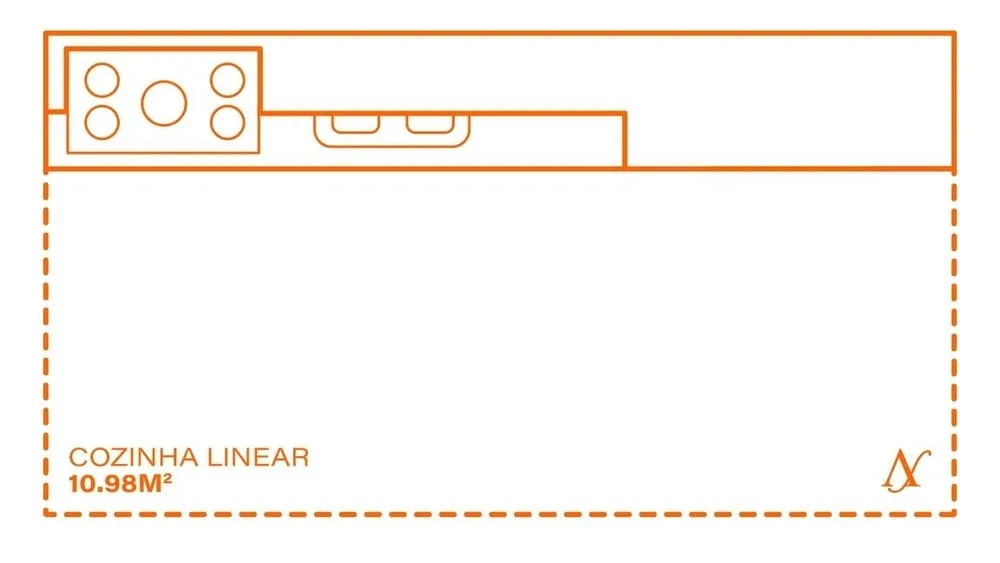
Kitchens with a linear layout are designs that have a straight and linear arrangement of the main elements, such as countertops, sink, stove, and cabinets. This type of layout is especially suitable for narrow and elongated spaces, such as hallways or compact apartments, where optimizing space is essential.
One of the advantages of the linear layout is its efficiency in using the available space. With all elements arranged in a single line, circulation becomes more fluid and functional. In addition, this arrangement facilitates access to all necessary items and utensils during meal preparation.
Organization is a key factor in linear kitchens. To make the most of the space, it is common to use tall cabinets and shelves that go up to the ceiling, providing greater vertical utilization. It is also possible to incorporate smart storage solutions, such as drawers and built-in niches, to ensure that every item has its place.
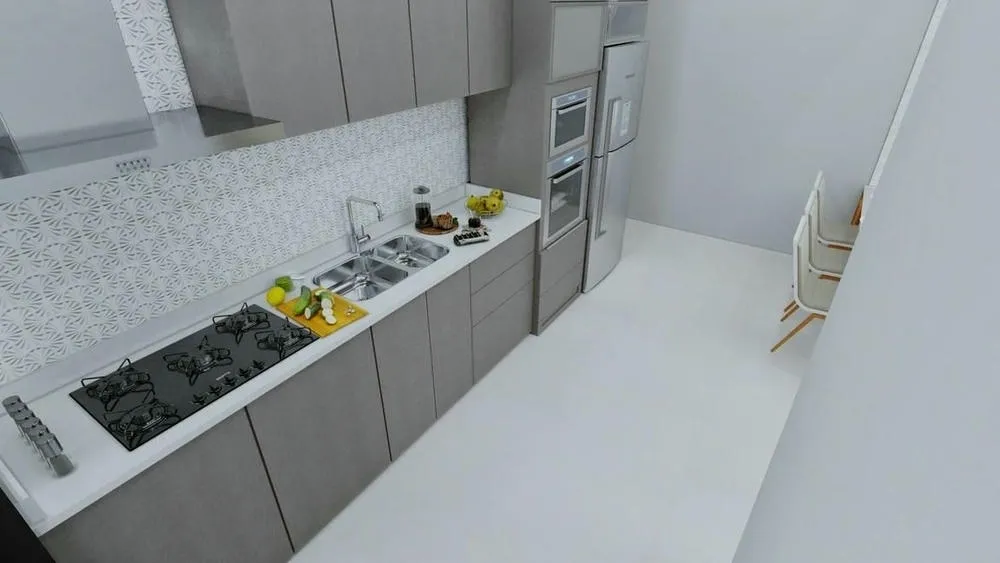
In the design of a linear kitchen, lighting plays an important role. It is recommended to use direct and uniform lighting, ensuring that all work points are well-lit. This contributes to a more comfortable and safe cooking experience. As for style, kitchens with a linear layout are versatile and adapt to different decoration styles. From a modern and minimalist design to a more traditional and cozy look. It is possible to customize the linear kitchen according to your individual preferences and needs.
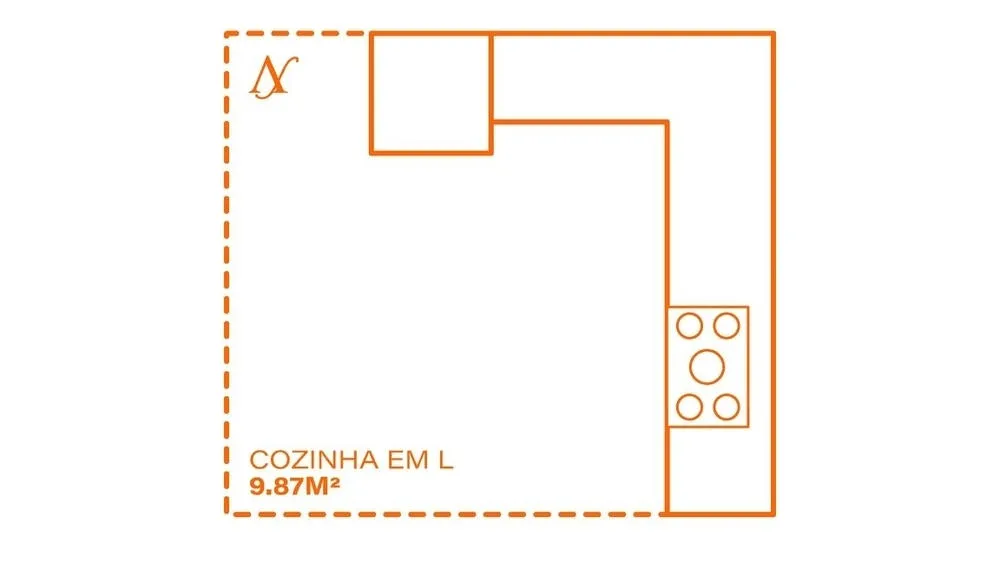
L-shaped kitchens are a popular and functional option for residential spaces. This design efficiently utilizes the available corner, creating an L-shaped work area with cabinets and countertops along two adjacent walls. The L-shaped arrangement offers several benefits. Firstly, it maximizes the available space, allowing for an intelligent distribution of the essential kitchen elements (sink, stove, and refrigerator). This facilitates workflow and creates a sense of organization.
In addition, the L-shaped layout promotes a more fluid interaction between the kitchen and other adjacent areas, such as the dining room or living room. This configuration provides a more open and inviting environment, allowing the cook to participate in conversations and activities while preparing meals. Another advantage of L-shaped kitchens is the possibility of including a central island. The island adds extra storage space, as well as an additional surface for food preparation and quick meals. It can also serve as an informal breakfast area or as a gathering point during social events.
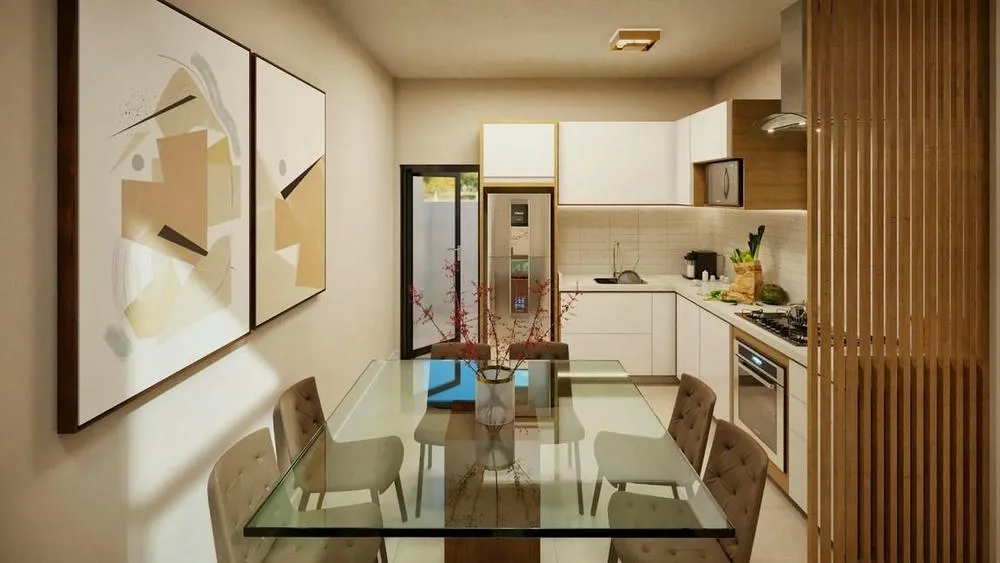
In terms of design, kitchens with an L-shaped layout offer several creative options. It is possible to choose from different materials, finishes, and colors for the cabinets and countertops, allowing you to customize the environment according to the desired style. Proper lighting is also a crucial aspect, highlighting specific areas of the kitchen and creating a pleasant atmosphere.
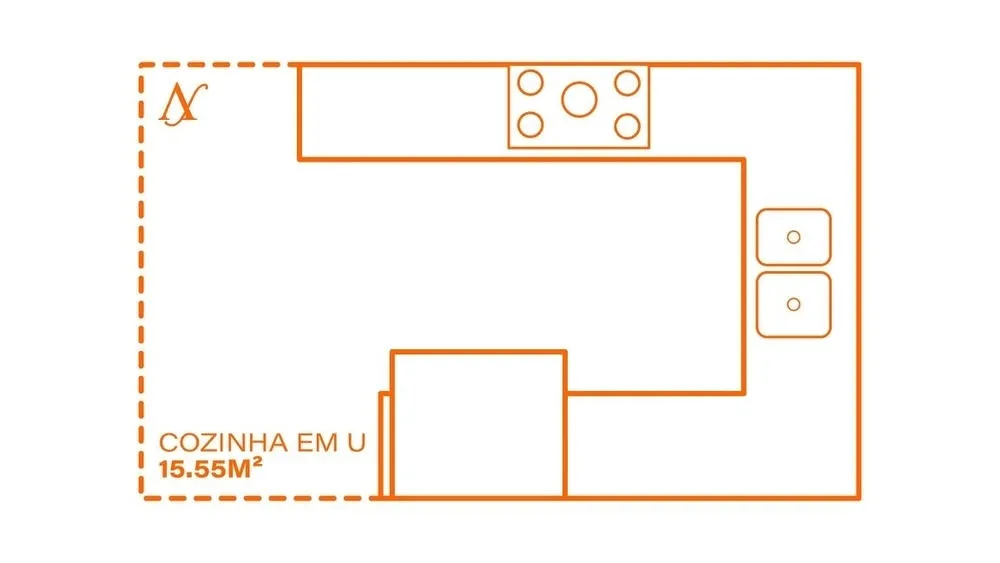
U-shaped kitchens are a popular option for those who want to maximize available space and create an efficient work area. This type of layout is characterized by having cabinets and countertops arranged in a 'U' shape, with appliances and a sink positioned around the central chef.
The main advantage of this layout is the easy access to all areas of the kitchen. With cabinets and countertops all around, it is possible to have all essential items within reach, creating a practical and efficient culinary experience. In addition, U-shaped kitchens generally offer plenty of storage space. Cabinets can be installed on both the upper and lower parts, providing ample space to store utensils, pots, food, and other kitchen items.
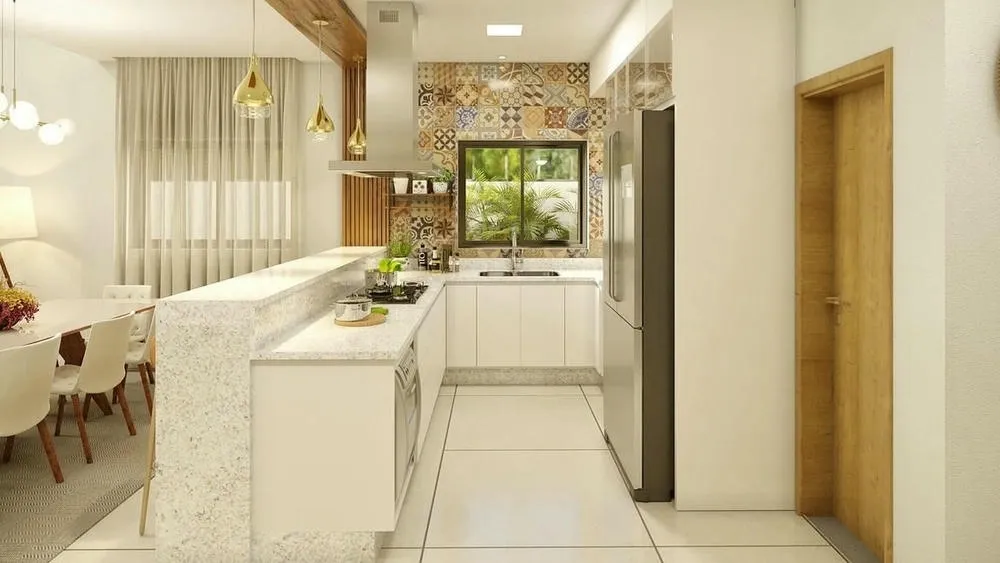
Another benefit of this layout is the ability to accommodate multiple cooks simultaneously. With the extended work area, several people can work together in preparing meals. This detail is especially useful when there is a lot of activity in the kitchen. However, it is important to consider the available space before opting for a U-shaped layout. This configuration requires a considerable area for easy circulation. Therefore, it is necessary to carefully plan the available space to ensure that the kitchen does not feel cramped or congested.
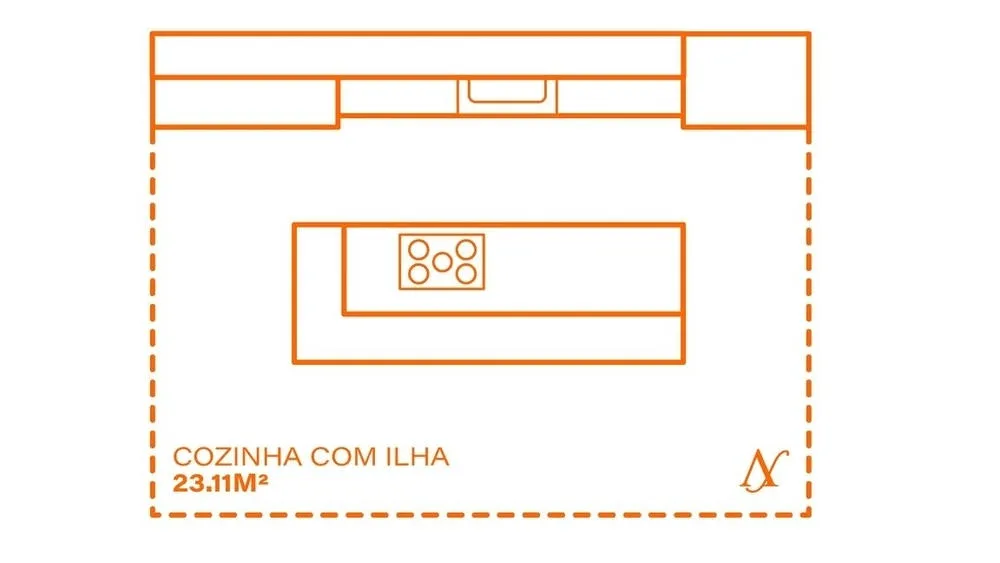
Kitchens with islands are a popular trend in interior design today. This configuration is characterized by the presence of a central island, which functions as a practical and focal point in the kitchen. The island is an independent structure in the middle of the kitchen, usually positioned in the center of the space or adjacent to the countertops. It can be designed with various functionalities, such as a sink, cooktop, dining space, additional storage, or even a combination of all these options.
One of the advantages of having a kitchen with an island is the increase in preparation and storage area. The island provides additional space for cutting food, preparing meals, and even serving as an area for breakfast or quick snacks. In addition, islands can house drawers, shelves, and cabinets, offering more storage space for kitchen utensils, pots, appliances, and food.
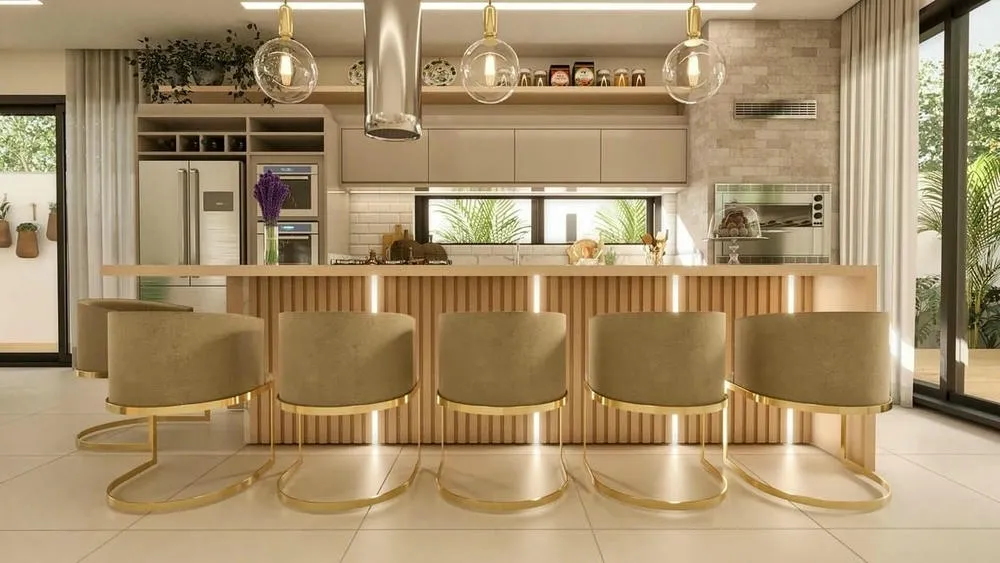
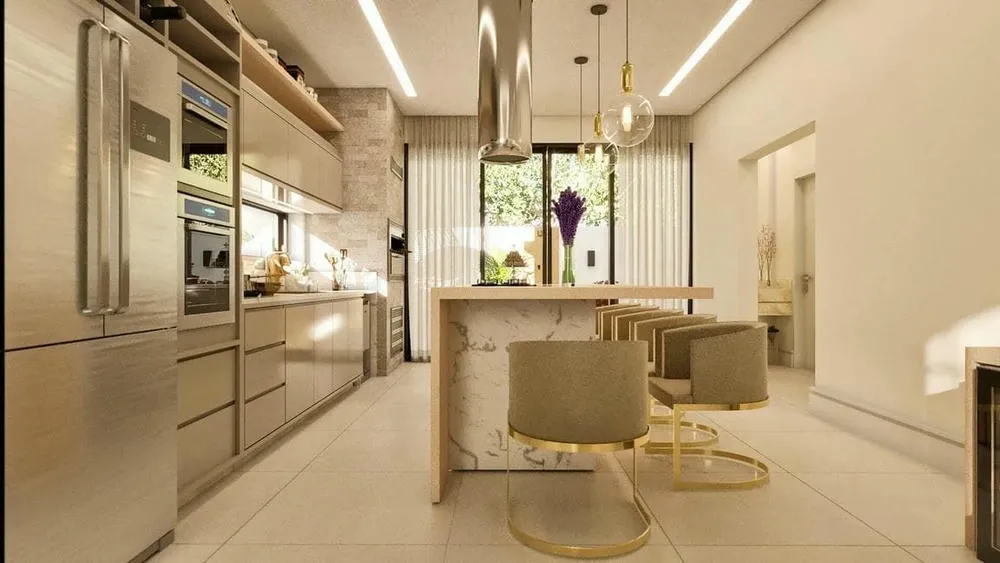
Another advantage of this type of layout is its versatility. The island can function as an additional work area, allowing more than one person to work in the kitchen at the same time, whether preparing meals or simply socializing. It can also serve as a support bar for informal meals, replacing the need for a separate dining table.
Furthermore, kitchens with islands have a very significant aesthetic appeal. The central island can become the focal point of the room, adding style and sophistication to the space. It offers the opportunity to incorporate high-quality materials, such as natural stones, wood, or elegant surfaces, that complement and represent the overall design of the kitchen.
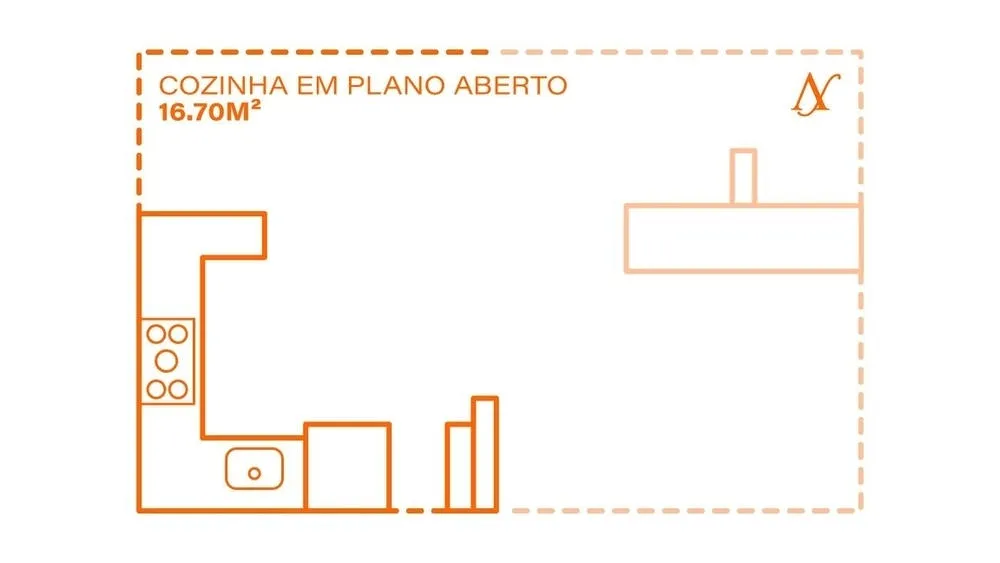
Open-plan kitchens are an increasingly popular trend in modern interior design. This architectural approach removes the traditional walls that separate the kitchen from other living spaces, such as the living room or dining room, creating an integrated and fluid environment. They are typically found in projects where the planning includes an open concept for the social areas.
In this style of kitchen, physical barriers are replaced by an open layout, which allows for a smooth transition between the different spaces. This openness provides a sense of spaciousness and facilitates interaction between family members and guests, even when they are in different areas.
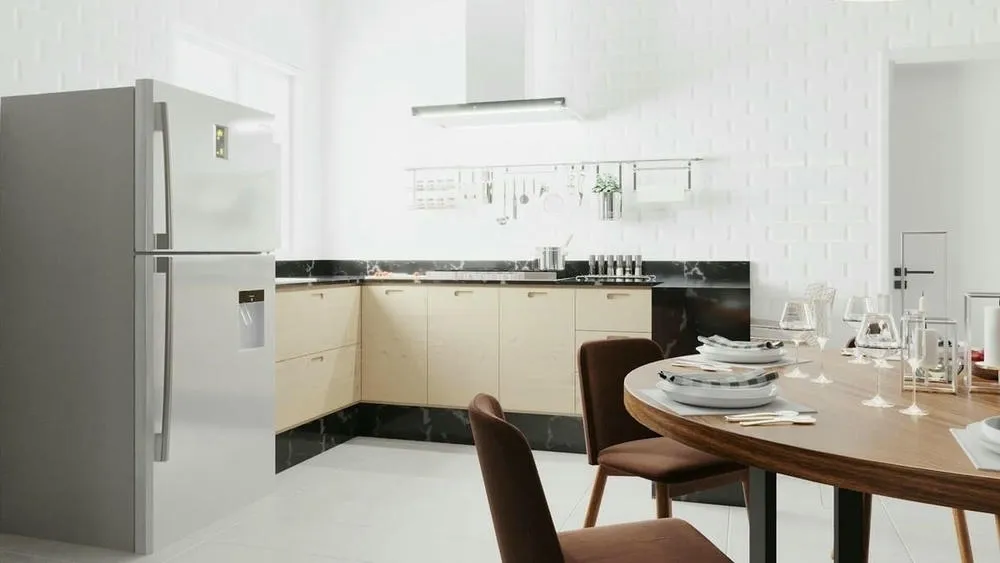
One of the main advantages of open-plan kitchens is the facilitated socialization during meal preparation. While you are cooking, you can interact with others present in the living room or dining room, allowing everyone to engage in conversations and activities, even if they are in different spaces. In addition, integrating the kitchen with other rooms creates a sense of continuity and fluidity in the design. Natural light and ventilation can spread more efficiently throughout the space, creating a brighter and more airy atmosphere.
However, it is important to consider some practical issues when opting for an open-plan kitchen. Odors and noises from the kitchen can spread to other spaces, which can be a problem in certain situations. Additionally, it is necessary to keep the kitchen organized and clean, as it will be visible at all times.
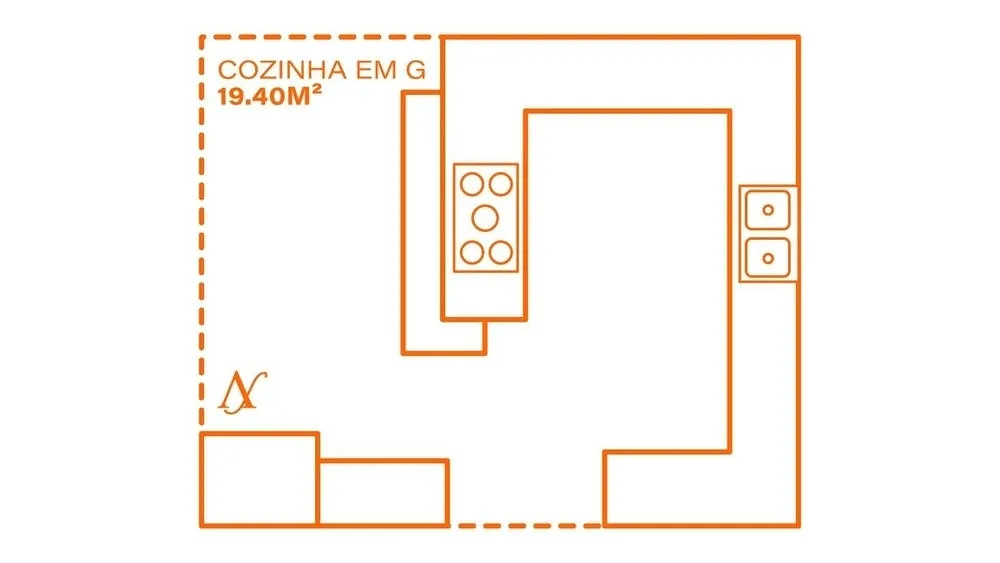
G-shaped kitchens are a very popular layout option in the interior design of contemporary homes and apartments. This kitchen configuration is characterized by having three walls of cabinets and appliances, forming a 'G' shaped arrangement.
One of the main advantages of having a G-shaped kitchen is the maximum use of available space. With three walls of cabinets and countertops, there is plenty of storage and workspace, which is especially useful for smaller kitchens. In addition, this configuration allows for better circulation within the kitchen, as it avoids congested traffic flows.
Another advantage is the ability to create different functional zones within the kitchen. The three walls offer the opportunity to divide the room into specific areas. A food preparation area, a cooking area, and a washing area can be created. This facilitates the organization and optimization of tasks in the kitchen, making the work more efficient and practical.
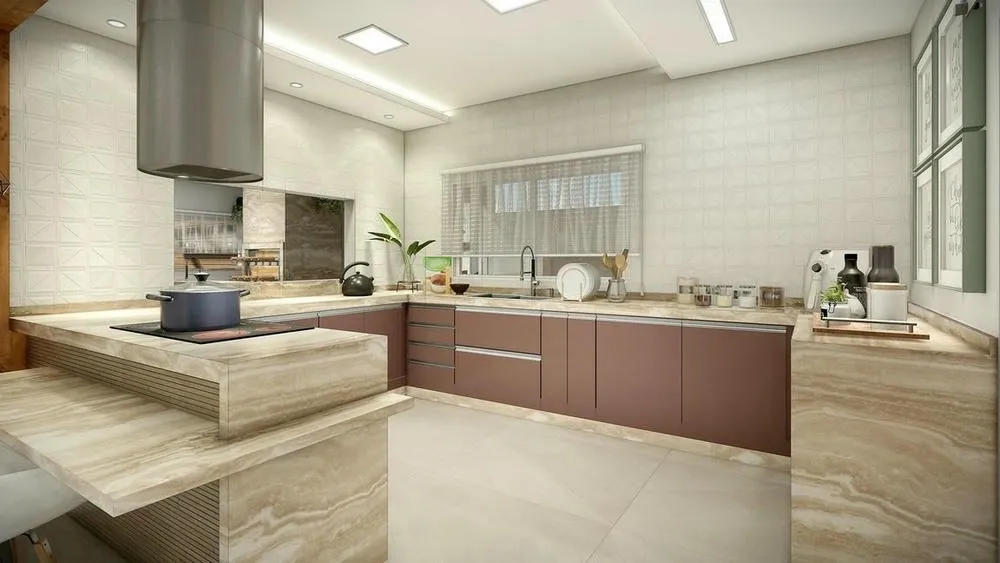
Furthermore, the G-shaped kitchen offers the possibility of including a central island, if space allows. This additional island can serve as an informal dining area, an additional workspace, or even a support surface for utensils and appliances. The island can also function as a visual focal point, adding style and elegance to the kitchen design.
However, it is important to consider that G-shaped kitchens require adequate space to accommodate the three walls of cabinets. In very small spaces, this configuration can make circulation difficult and create a feeling of being cramped. Therefore, it is essential to carefully plan the layout and size the furniture according to the proportions of the available space.
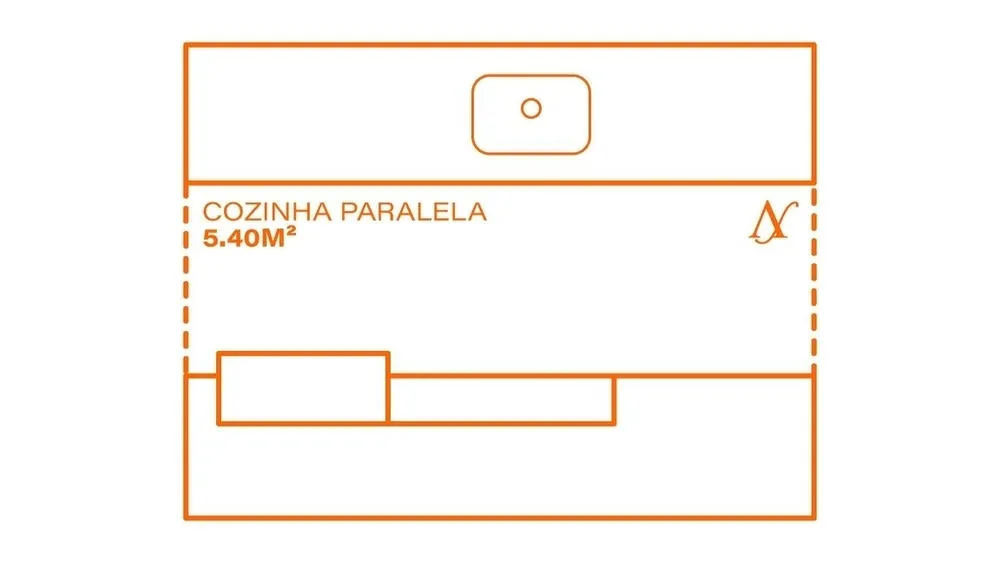
A galley kitchen layout is a type of kitchen design where the countertops and cabinets are arranged in two parallel rows. This type of layout is often used in medium to large-sized kitchens, as it maximizes the available space and allows two or more people to work in the kitchen at the same time without interfering with each other.
One of the main advantages of a galley kitchen layout is its efficiency. The kitchen elements are organized in two opposite rows, which allows the cook to move freely and easily access all kitchen equipment and utensils. In addition, this type of kitchen is very versatile, allowing for a wide variety of design and material options.
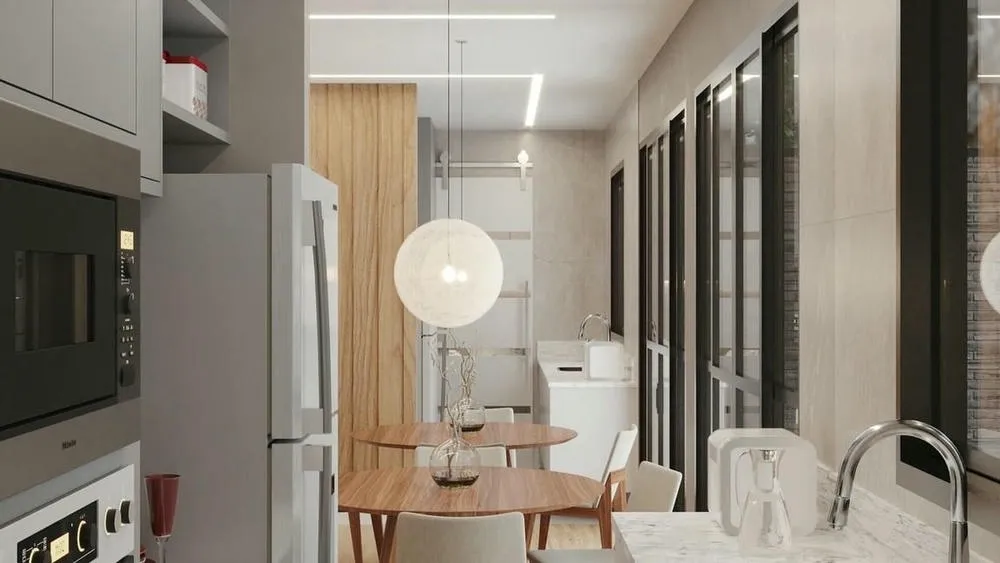
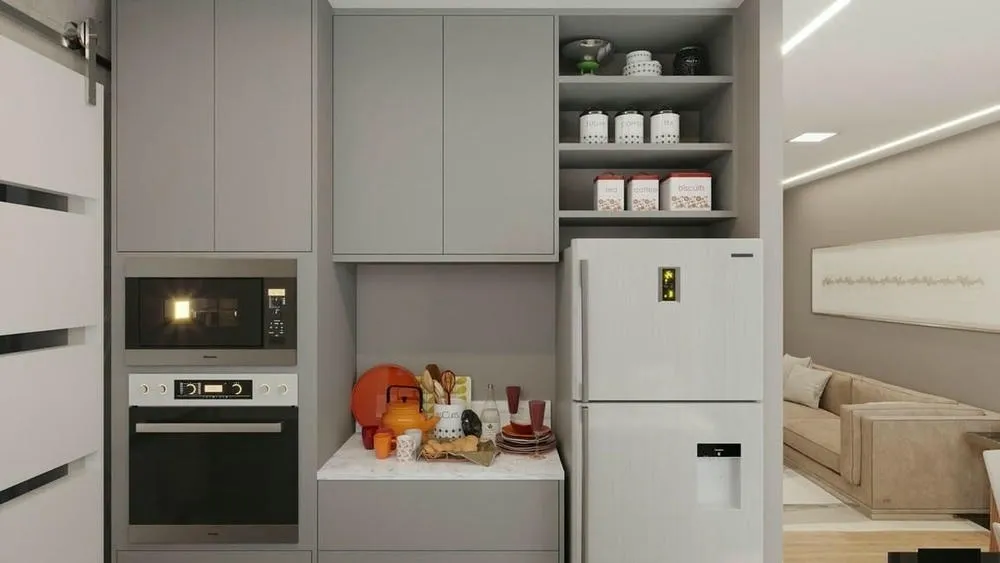
Another advantage is that the galley kitchen layout is an excellent choice for those who enjoy cooking together. If two or more people are working together in the kitchen, the galley layout allows them to work side by side without bothering or bumping into each other. This is especially useful when preparing more elaborate meals, such as for special occasions or dinners for friends and family.
However, it is important to note that the galley layout may not be the best choice for all kitchens. For smaller kitchens, the layout can be too tight, which can make movement difficult and the space uncomfortable. In kitchens with limited space, it may be necessary to opt for a more compact layout, such as a linear or U-shaped kitchen.
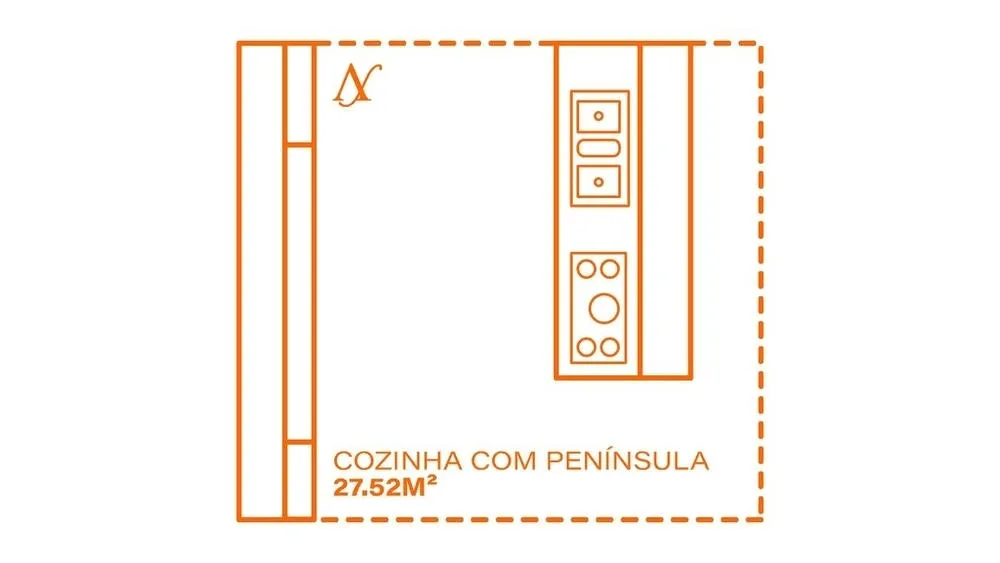
Kitchens with peninsulas are a popular option for modern interior design projects. This kitchen configuration is characterized by an island connected to the wall or the main countertop, creating a 'peninsula' of additional workspace and storage. The main advantage of a kitchen with a peninsula is the creation of a functional and efficient space. The peninsula offers a natural extension of the work area, providing more space to prepare food, cook, and even accommodate quick meals.
In addition, kitchens with peninsulas are also great for integrating the kitchen with the adjacent living area. The peninsula can serve as a breakfast bar or as a place for guests to sit and interact with the cook while meals are being prepared. This configuration is also an excellent solution for smaller spaces, as it saves space compared to a freestanding island. The kitchen with a peninsula maximizes layout efficiency and offers greater storage capacity. It allows for the installation of built-in appliances and creates a practical and intuitive workflow.
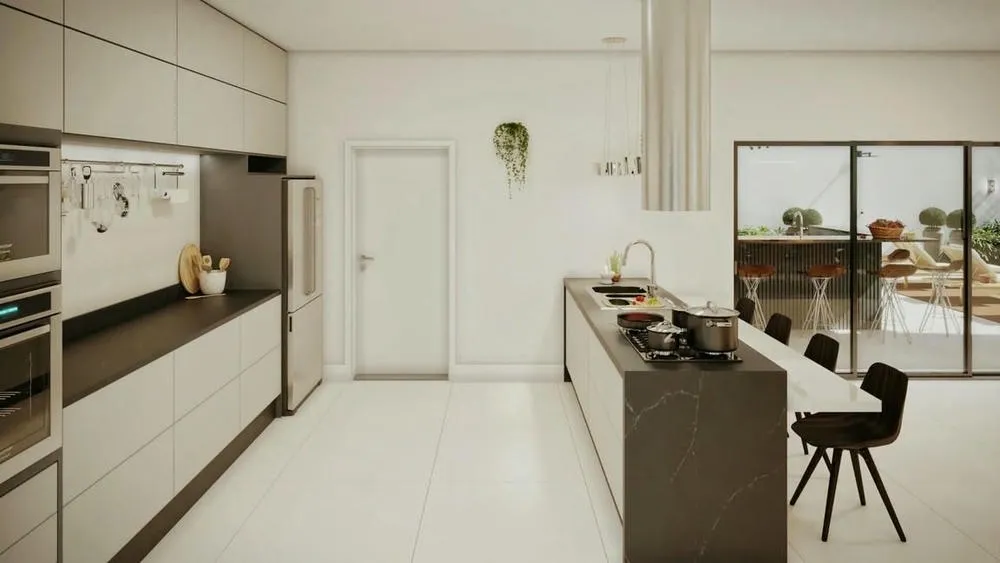
In terms of aesthetics, kitchens with peninsulas offer an opportunity to express the owner's style and personality. They can be designed in a wide variety of materials, such as wood, stone, stainless steel, and quartz surfaces, to suit the desired taste and aesthetic.
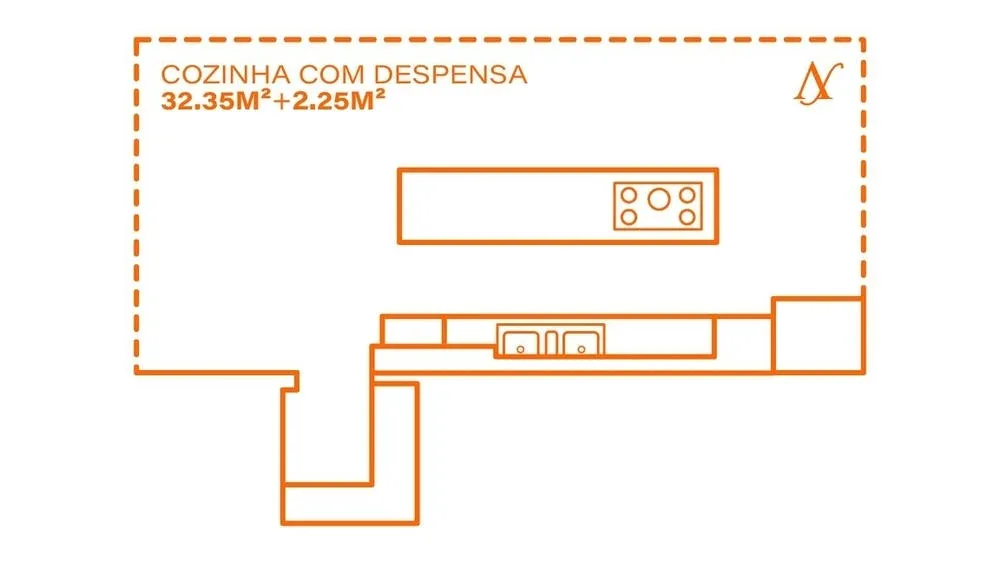
A kitchen layout with a pantry is an interior design project that aims to optimize kitchen space, offering a functional and organized area for preparing and storing food. This type of layout is especially beneficial for houses and apartments that have a pantry adjacent to the kitchen or have available space for building a pantry.
A pantry is a separate room or a large cabinet designed to store food, kitchen utensils, and other essential household supplies. By integrating the pantry into the kitchen layout, you create a dedicated storage area, which allows you to free up space in the main kitchen cabinets, avoiding clutter and lack of space for storing groceries.
When designing a kitchen layout with a pantry, it is important to consider workflow and functionality. The arrangement of the main elements, such as the sink, stove, and refrigerator, should be planned logically and ergonomically, ensuring that access to pantry items is convenient and efficient. A common strategy is to position the pantry near the food preparation area, such as the countertop or the central island of the kitchen. This allows you to easily access the necessary ingredients and utensils while cooking, avoiding the need to move around the entire kitchen in search of specific items.
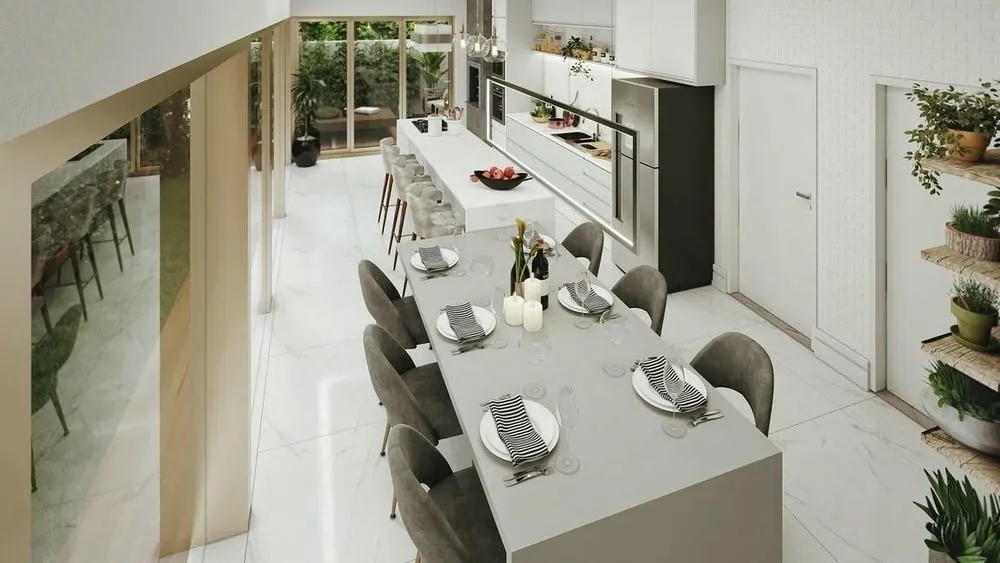
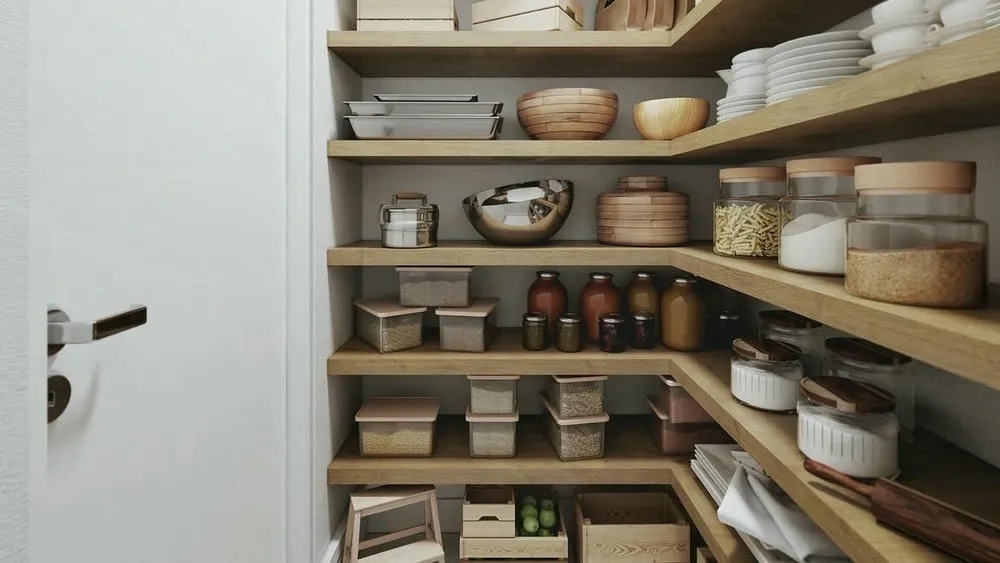
Furthermore, it is crucial to consider the size and layout of the pantry itself. Depending on the available space, you can opt for a built-in pantry with open or closed shelves, cabinets with glass doors, or even a standalone pantry cabinet. The goal is to maximize storage space and ensure that items are organized logically and accessibly.
Another important aspect to consider is lighting. Make sure the pantry area is adequately lit to facilitate viewing and accessing stored items. This can be achieved by installing recessed lights, pendant lights, or even motion-sensitive lights that turn on automatically when you open the pantry door.
In addition to the functional aspect, a kitchen layout with a pantry also offers aesthetic design opportunities. You can choose materials and colors that complement the style of the kitchen, ensuring a cohesive and harmonious look throughout the project.
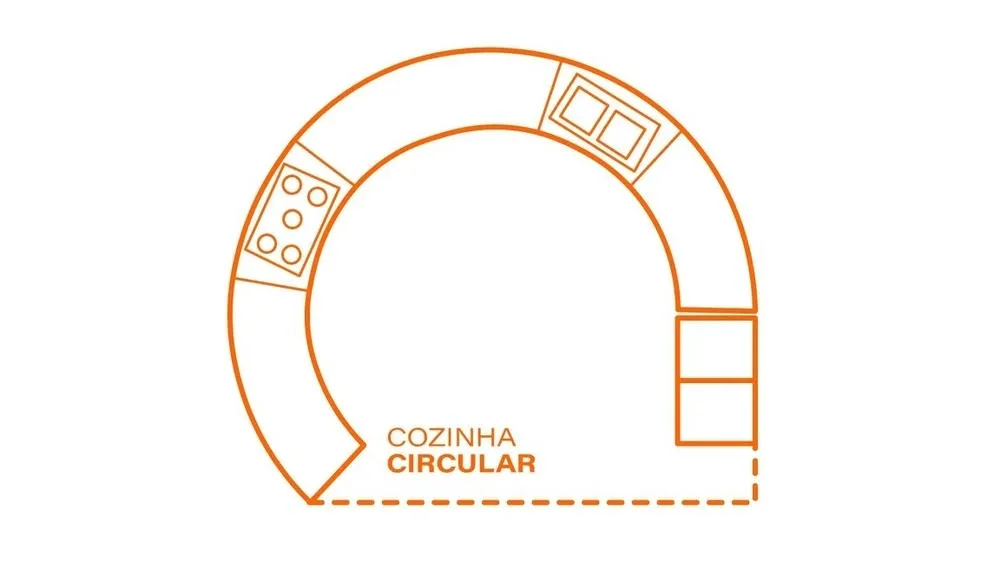
Circular kitchens are an innovative concept in architecture and interior design, aiming to create more efficient and harmonious culinary spaces. Unlike conventional kitchens, which usually have a linear structure, circular kitchens are designed around a central axis, creating a fluid and integrated environment.
One of the main advantages of circular kitchens is the optimization of available space. With their rounded shape, these kitchens eliminate dead corners and intelligently utilize every centimeter. In addition, the circular arrangement allows for better circulation and accessibility, making the act of cooking more practical and comfortable.
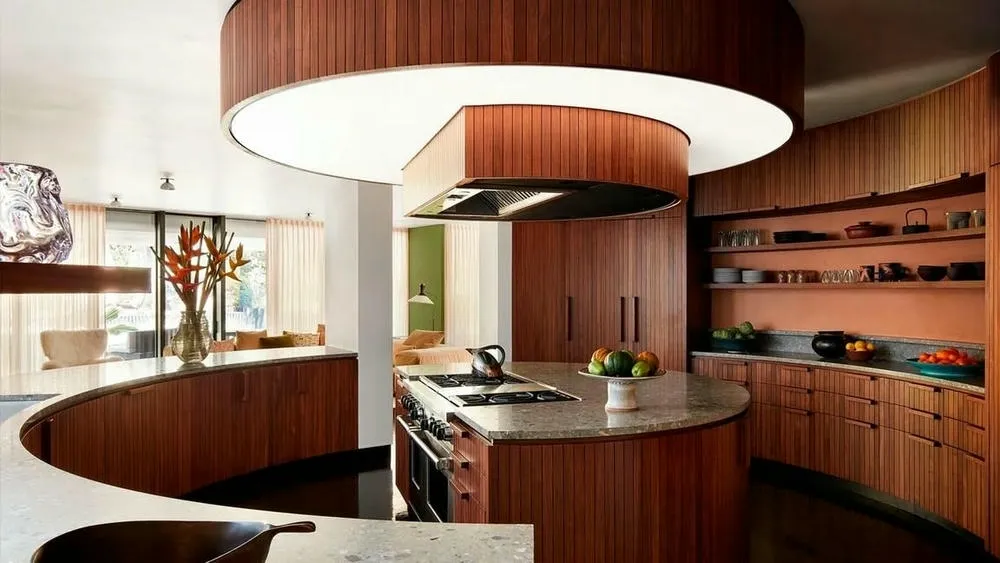
Another interesting aspect of circular kitchens is the sense of balance and harmony they bring to the environment. The absence of straight lines and sharp corners creates a soft and welcoming atmosphere, conveying a sense of fluidity and movement. This organic design can also contribute to better interaction between people, as there is no rigid hierarchy between the preparation, storage, and consumption spaces.
Furthermore, circular kitchens offer a unique opportunity for creative design expression. Materials, colors, and textures can be explored more comprehensively, creating a visually appealing and personalized aesthetic. The circular arrangement also allows for the incorporation of elements such as central islands, curved countertops, and rotating cabinets, expanding the possibilities of design and functionality.
 https://creativecommons.org/licenses/by-nc-nd/4.0/https://creativecommons.org/licenses/by-nc-nd/4.0/ArchShopArchShop
ArchShop is redefining the concept of residential architecture in Brazil, making high-quality projects accessible to everyone. Combining over 20 years of expertise in the construction sector with technological innovation, the company offers a complete digital platform that simplifies and democratizes the process of building the dream home.
See also
In this article, we will share valuable tips on how to optimize small spaces in apartments and houses.
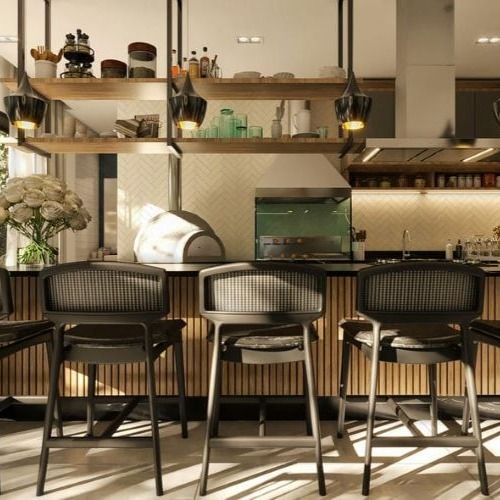
Explore 23 projects with a gourmet space, from compact houses to high-end models with a pool and barbecue. Find the perfect plan for your home!
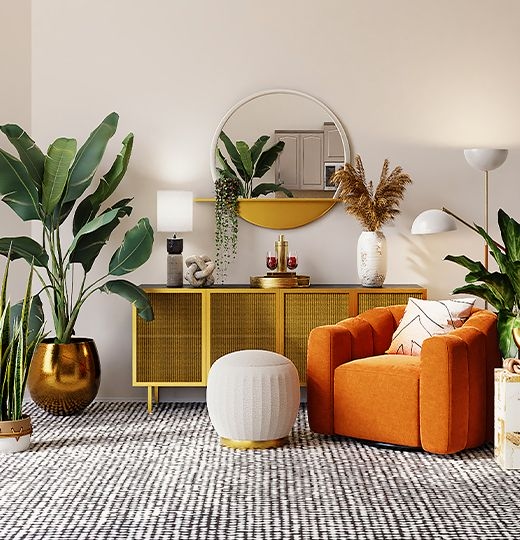
In this article, we will highlight the trends that continue to evolve, while also presenting some exciting new developments in the field of architecture, interior design, and decoration.

In the world of colors, there are three main categories that describe their visual and emotional characteristics: warm, cool, and neutral colors.
Advertise or Publish
We believe that the best ideas arise from the exchange of experiences and the sharing of different perspectives. Open the doors to new opportunities and be part of our blog! If you have an interesting article, an amazing work, a product or service that deserves to be highlighted, contact us.