Archshop,
Jul 1, 2026
How to Optimize Small Spaces in Apartments and Houses
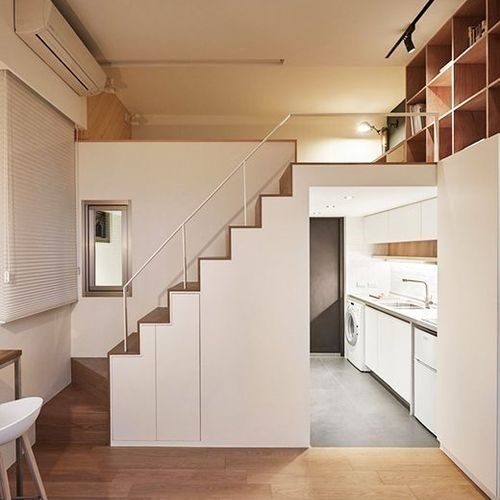
In this article, we will share valuable tips on how to optimize small spaces in apartments and houses.
 https://creativecommons.org/licenses/by-nc-nd/4.0/https://creativecommons.org/licenses/by-nc-nd/4.0/ArchShopArchShop
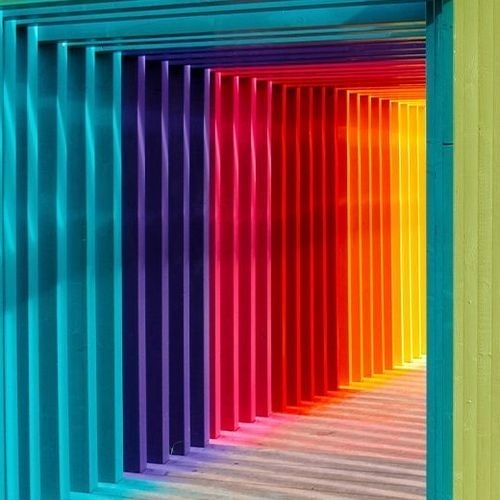
In this article, we aim to explore the theme of colors and help you choose the ones that best suit you.
Colors are a fundamental part of interior decoration and help create the desired atmosphere for an environment. They can affect our mood, influencing our well-being and making the space more pleasant and welcoming. Choosing the ideal colors and palettes can be crucial in the development of a project. Understanding the meaning of each shade is important for its correct application in the rooms of the house.
In this article, we aim to explore the theme of colors and help you choose the ones that best suit you. We mention the role of colors in architecture, their effect on people's well-being, and the psychology behind each color. We also address the best color combinations for different rooms and the ideal palettes for each architectural style. Get ready to discover how colors can make all the difference in your home's decoration!
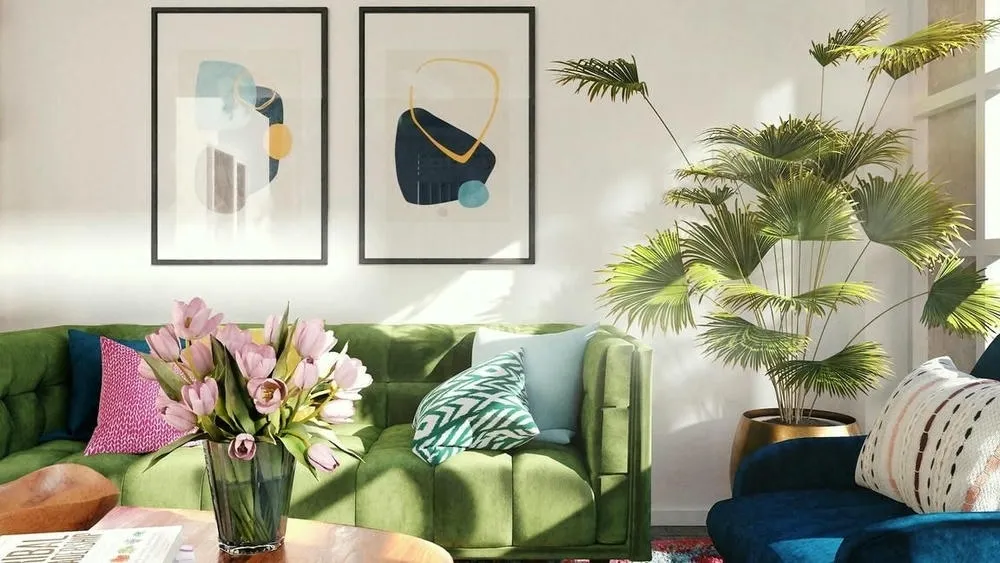
Colors are a fundamental part of interior decoration and play a crucial role in creating the desired atmosphere in an environment. They can affect our mood, influencing our well-being and making a space more pleasant and welcoming.
The importance of colors in interior decoration is undeniable. They can completely transform a room, creating a pleasant and inviting atmosphere, and can help define the desired decorating style. Pastel and neutral tones, for example, can be used to create a more minimalist environment. Vibrant and intense tones for fun and relaxed environments.
Furthermore, colors can help define the function of a room. Softer and more relaxing colors can be used in bedrooms and living rooms to create a quieter and more welcoming environment. More vibrant and stimulating colors can be used in kitchens and offices, with the aim of stimulating user productivity.
The effect of colors in interior decoration is incredibly powerful. Warm tones like red and orange can increase energy and excitement. Cool tones like blue and green, on the other hand, can bring a sense of tranquility and relaxation. Choosing the right colors can make all the difference in the feeling a room conveys.
Colors can also help define the personality of a space. Darker and more intense tones can bring an air of sophistication and elegance, for example. Lighter and softer tones can create a more romantic and delicate atmosphere. Choosing the right colors can help create an environment that reflects the personality of the home's residents.
In short, colors play a crucial role in interior decoration. They can completely transform a room, define the function and personality of a space. Their effect on our mood and well-being is also direct, helping to create a more welcoming and comfortable home.

Colors have the power to affect our mood, emotions, and well-being. Therefore, it is important to consider them when decorating your home or business. Choosing the right colors can have a great positive impact on the way we feel in a room.
The effects of colors are diverse. Warmer tones like red, orange, and yellow are stimulating and energizing, and can increase brain activity and blood pressure. Cooler tones like blue, green, and purple are calming and relaxing, and can reduce stress and anxiety. Neutral tones like white, gray, and beige are more balanced and versatile, and can be combined with other colors to create different atmospheres.
In interior decoration, color is a powerful tool for creating more pleasant environments. In a home, for example, softer and more relaxing tones can be used in bedrooms and living rooms for a quiet and welcoming environment. More vibrant and stimulating tones can be used in common areas to increase energy and vitality.
In commerce, color can help define the brand identity and create a pleasant atmosphere for customers. Restaurants can use warm and cozy tones to create a welcoming and inviting environment. Hospitals and clinics can use soft and relaxing tones to help reduce stress and anxiety in patients. Supermarkets can use bright and vivid colors to attract customer attention and stimulate the purchase of products.
It is important, however, to choose the right colors for each target audience. Some ideal colors for different environments are:
In short, color has the power to affect our mood and well-being in an environment. In interior decoration, choosing the right colors can help create pleasant and inviting atmospheres for the users of the space. It is important to choose colors according to the type of environment and the target audience. We thus guarantee the maximum use of the space and a positive experience for everyone.
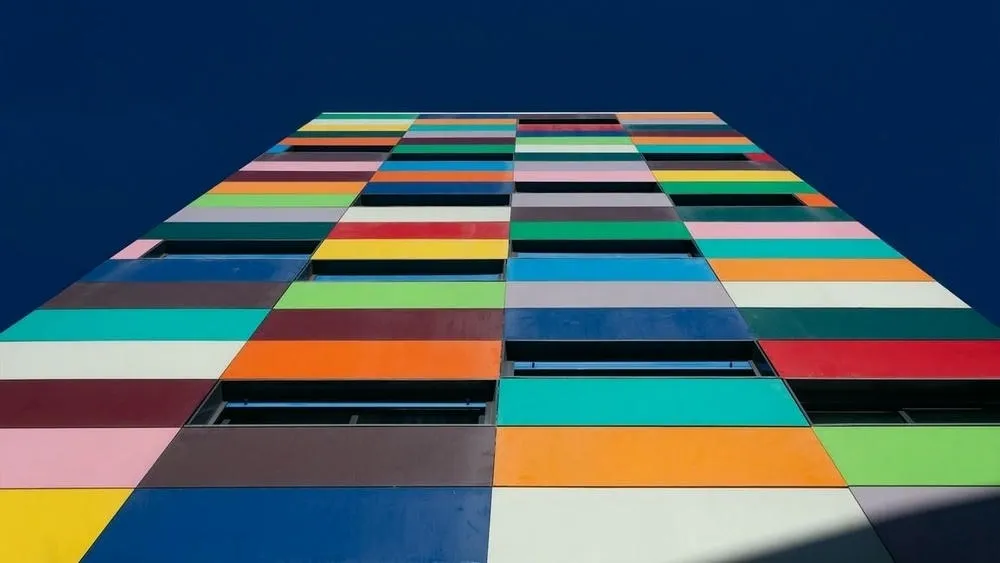
The psychology of colors is a field of study that investigates how colors affect human emotions, behaviors, and perceptions. This discipline has great relevance in various areas, including graphic design, advertising, marketing, architecture, and psychology.
The basic definition of color psychology is the field that studies the relationship between colors and the human mind. It addresses the effects of colors on people's mood and disposition, as well as their perception of the environment in which they are inserted. Color psychology also encompasses the understanding of the physical reactions that colors can provoke in a person. Certain colors can result in changes in blood pressure and heart rate, for example.
The origin of color psychology dates back to the work of the Greek philosopher Aristotle. In 350 B.C., he was already exploring the relationship between colors and human emotions. However, the modern study of color psychology began in the late 19th and early 20th centuries. Since then, color psychology has been studied in depth by designers, advertisers, and marketing professionals.
The findings in this field aim to create environments and materials that evoke the desired emotions in their target audiences. The use of blue tones in logos, for example, can evoke a feeling of calm and trust. The color red, on the other hand, can be associated with emotions such as passion and energy. The book The Psychology of Colors by Eva Heller is considered an indispensable work for anyone who works with colors.
For architects, color psychology is also an important tool. The colors of the walls and decoration can directly affect the mood and disposition of the occupants of a space. In a work environment, calmer colors can help create a more productive and focused space. More vibrant tones contribute to stimulating creativity and are recommended in leisure and rest areas.
Here are some ways in which color psychology can be applied in architecture and interior design:
Warm and cool colors are associated with distinct and different emotions. These associations can be used to create environments that stimulate the desired sensations. We remember that being warm or cool depends on the undertone of the color. Yellows, for example, despite being read as warm, can have cooler tones.
Color contrast can be used to create points of interest and highlight specific elements of a space. A wall in a vibrant tone can be used as a focal point in a living room, while furniture in more neutral tones can be used to balance the space.
The function of a space can influence the choice of colors. A room for therapy can be painted in softer tones to promote calm and tranquility, while a recreation space can be painted in more vibrant tones to stimulate energy and fun.
Natural colors, such as brown and green, can help create a feeling of connection with nature. This can be especially important in urban spaces, where people often feel disconnected from the natural environment. Using earthy tones and plants in a room can help create a more relaxing and pleasant room.
The choice of colors can also be influenced by the personality and preferences of the occupants of the space. For example, if a client prefers darker tones, this can be taken into consideration when choosing the color palette for the space.
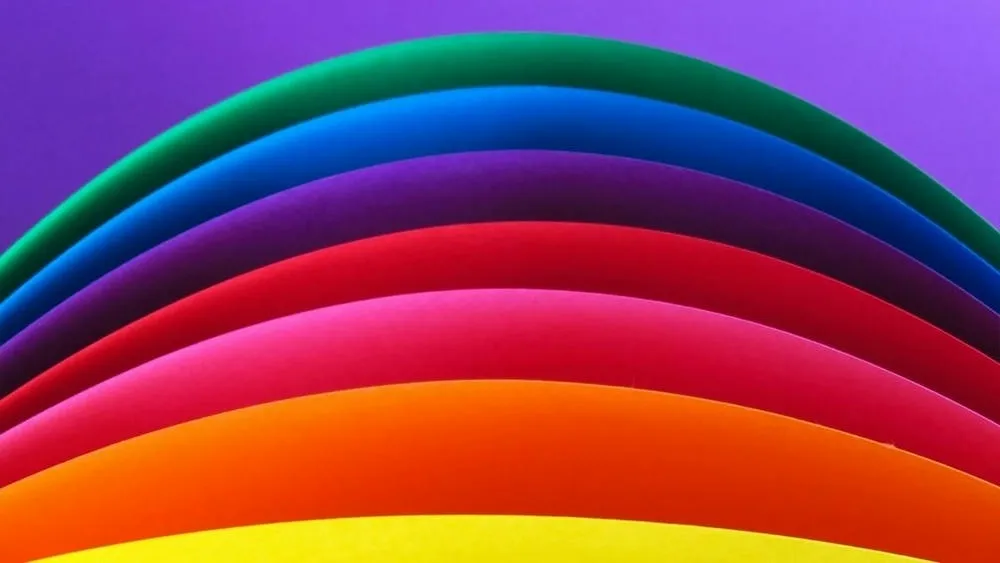
The psychology of colors is a discipline that studies the relationship between colors and the emotions they evoke. In architecture, the choice of colors can have a great impact on the environment being created. Each color has its own personality and conveys different sensations and emotions. In this topic, we list what each color represents in the psychology of colors in architecture.
In short, the psychology of colors is an important tool in creating environments that convey specific emotions and sensations. By applying color theories in an architecture or interior design project, it is possible to create spaces that improve the quality of life of the occupants. The choice of colors can be influenced by various factors, such as the function of the space, the client's personality, and the emotional associations of the colors. Understanding these factors and using them properly can lead to surprising and impactful results.
The choice of colors in an architecture project can have a great impact on the environment being created. Each color has its own personality and conveys different sensations and emotions. By understanding the psychology of colors in architecture, it is possible to create spaces that evoke specific emotions and improve the quality of life of the people who use them.
Lighting can also play an important role in how colors are perceived. Natural light can alter the hue of colors and artificial lighting can create different atmospheres in a room. In addition, it is important to consider creating a palette for a room. Colors can be combined in different ways to generate distinct sensations and emotions.
We recommend reading the article:
What is the 60-30-10 rule and how to apply it in architecture?
Choosing colors is one of the most important parts of the interior design process. The right color combination can transform a space into something cozy and harmonious, while the wrong combination can make the space seem disorganized and uncomfortable. In this article, we will explore the best color combinations for different rooms in the house.
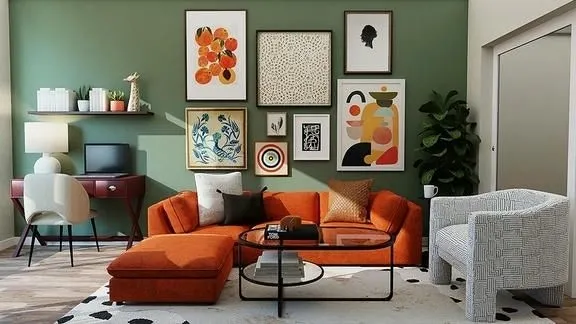
The living room is the heart of the home, where family and friends gather to relax and socialize. The best color combinations for this room are those that create a feeling of warmth and comfort. Combinations of neutral colors, such as beige, brown, and gray, can be cozy and inviting. A combination of dark gray with details in yellow or orange can add a touch of color and energy to the space.
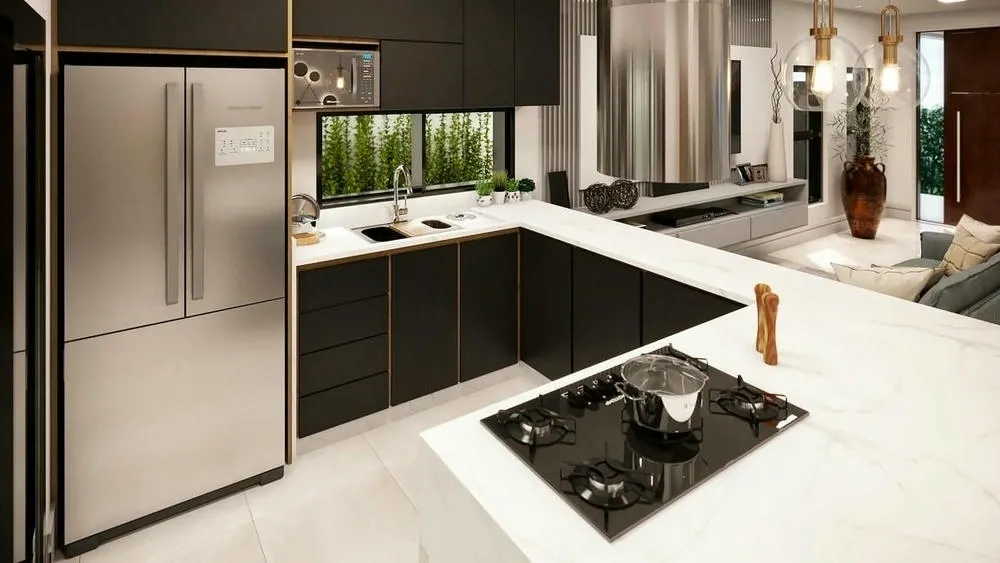
The kitchen is a place where people spend a lot of time, preparing and enjoying meals with family and friends. The best color combinations for the kitchen are those that create a sense of cleanliness and freshness. White is a classic and popular color for the kitchen, as it conveys a sense of cleanliness and hygiene. A combination of white with shades of gray and black can add a touch of sophistication to the room.
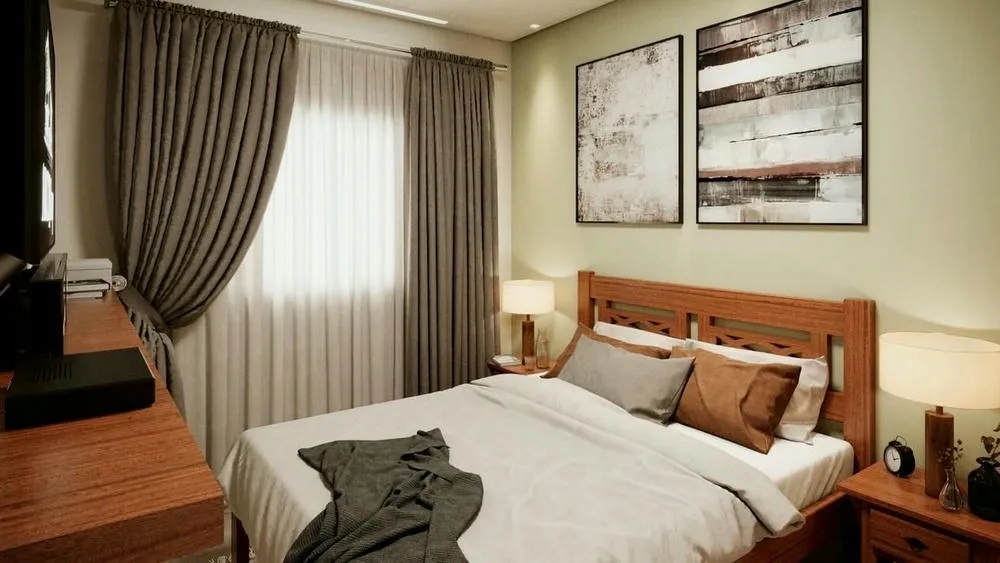
The bedroom is a place of rest and relaxation, where people recharge their energy for the next day. The best color combinations for the bedroom are those that create a sense of peace and tranquility. Shades of light blue or light green are a popular choice for the bedroom, as they convey a sense of serenity and calm. A combination of gray with details in pink or violet can add a touch of delicacy and romance to the room.
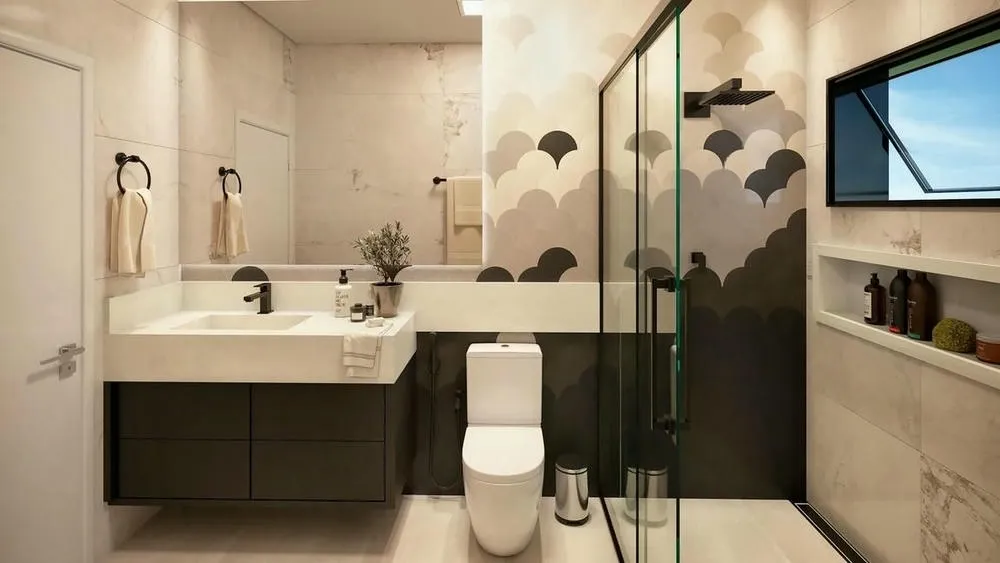
The bathroom is a place where people take care of themselves and relax after a long day. The best color combinations for the bathroom are those that create a sense of cleanliness and freshness. A combination of white with details in green or light blue can convey a sense of cleanliness and serenity. Shades of gray are also a popular option for the bathroom, as they convey a sense of sophistication and elegance.
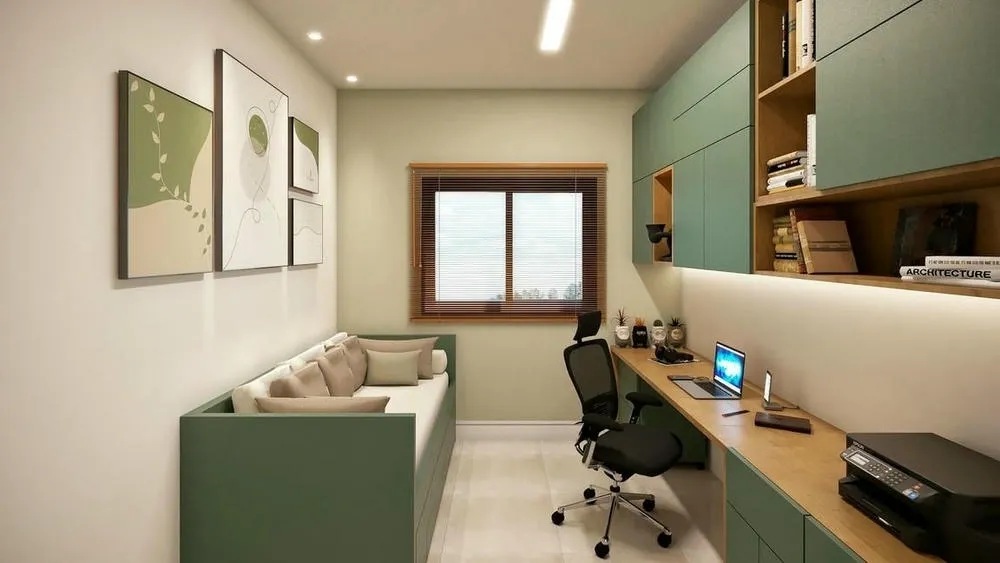
The office is a place where people work and concentrate on their daily tasks. The best color combinations for the office are those that create a sense of productivity and mental clarity. Shades of dark blue or dark green can be a good choice for the office, as they convey a sense of tranquility and concentration. A combination of gray with details in yellow or orange can add a touch of energy and creativity to the room.
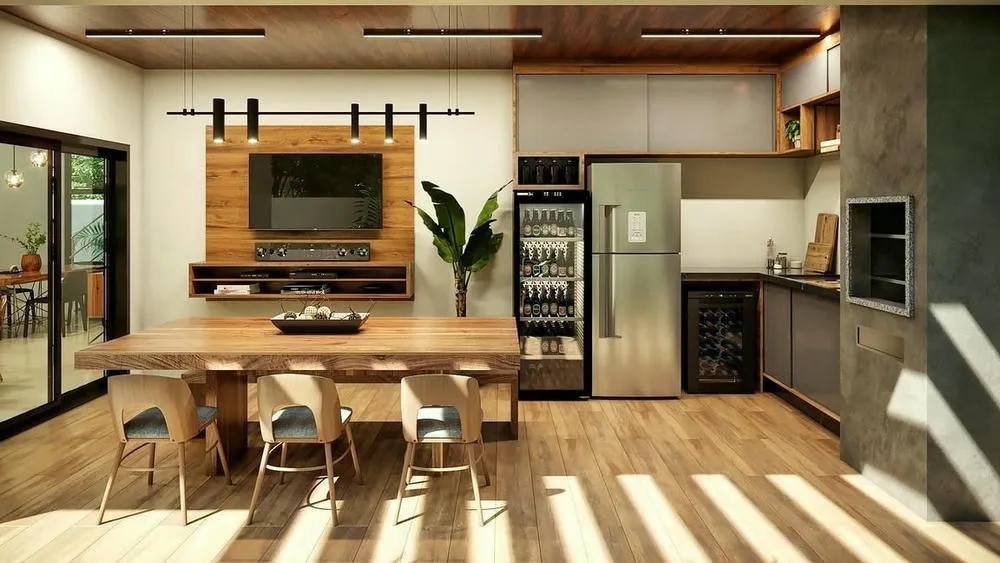
The gourmet area is a space for cooking and enjoying outdoor meals with family and friends. The best color combinations for the gourmet area are those that create a sense of welcome and relaxation. Shades of green or light brown can be a good choice for the gourmet area, as they convey a sense of connection with nature and tranquility. A combination of white with details in red or orange can add a touch of energy and joy to the room.
In short, choosing the right colors for each room in the house can make a big difference in the atmosphere and the feeling it conveys. It is important to consider the function of the space and the feeling you want to create before choosing the colors. The color combinations suggested in this article are just a few popular and successful options, but there are countless possibilities to explore. Try different color combinations and find the one that best suits your style and personality.
Colors are a fundamental element in interior design and home decoration. They can convey emotions, create a cozy atmosphere, and even affect the mood of the people who live in the house. Choosing the right colors for each architectural style can make all the difference in the look and feel of the house. In this article, we will explore the main colors for modern, contemporary, classic, Mediterranean, and rustic style houses.
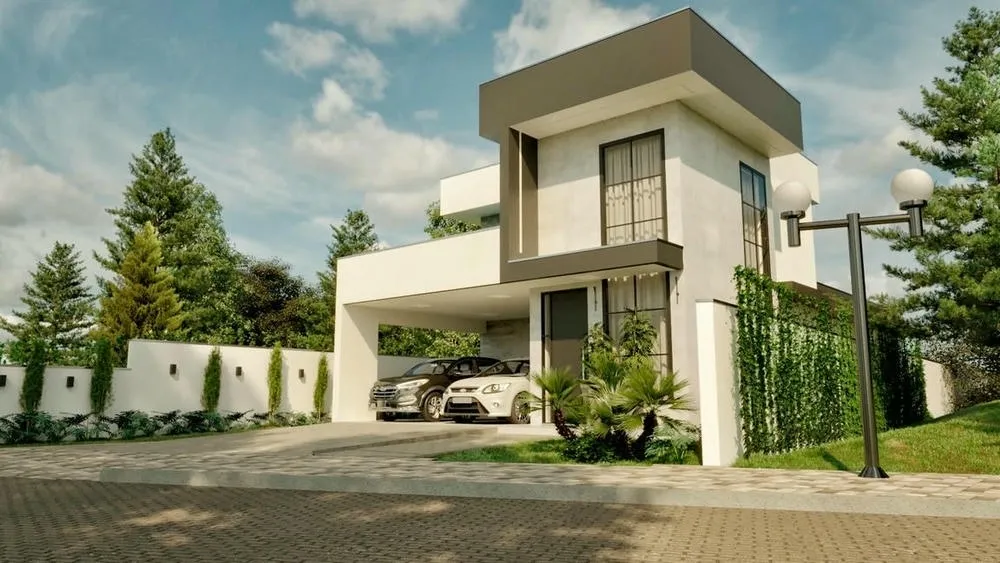
Modern architecture emphasizes straight and simplified lines, industrial materials, and open spaces. Modern houses are known for their minimalist designs and their most popular colors are neutral and cool, such as white, gray, and black. These colors help create a calm and serene atmosphere, while adding a sophisticated and elegant touch to the house.
In addition, shades of light gray and white can help enlarge the space and brighten the rooms. If you want to add a touch of color, you can opt for bolder and brighter colors, such as orange, red, or blue, to give a touch of personality and energy.
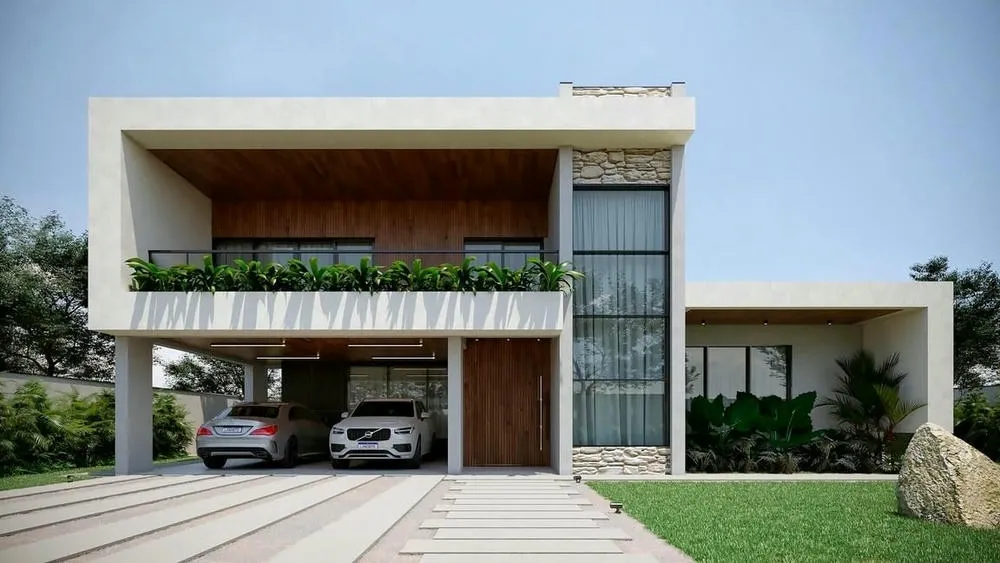
Contemporary architecture is similar to modern, but incorporates more decorative elements and has a more eclectic style. Contemporary houses are similar to modern houses, but incorporate more eclectic architectural elements. Their palette includes a wide range of neutral and warm tones. Shades of gray, beige, and white are the most popular.
In contemporary architecture, we also find warmer tones, such as brown, terracotta, and olive green. More vibrant colors, such as yellow, blue, or purple, can be added in details or decorative objects to bring a touch of color and personality.
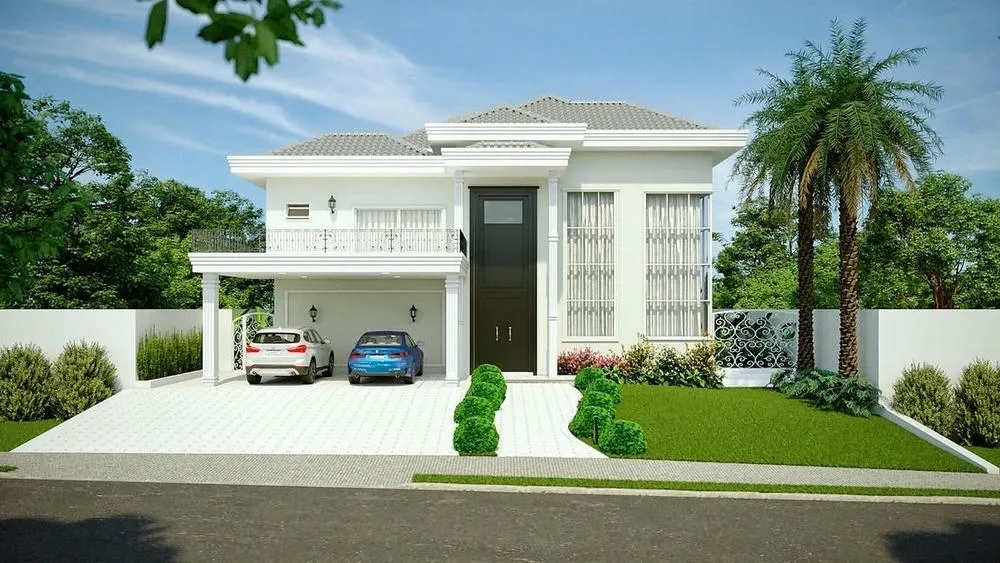
Classic architecture is inspired by the constructions of Ancient Greece and Rome, with columns, pediments, and decorative ornamental details. It has an elegant and sophisticated palette, with soft and neutral tones. Shades of beige, white, ivory, and gray are common, as are shades of pink and pastel blue. Darker colors, such as burgundy and moss green, can be added in details and accents to give a touch of color and sophistication.

Mediterranean architecture is characterized by terracotta bricks, clay tiles, balconies, and covered patios. They are inspired by the architecture of the Mediterranean region, with warmer and sunnier colors and earthy and blue tones. Gold, yellow, orange, sky blue, and olive green are also common. This palette helps create the feeling of warmth and joy, cultural characteristics of the Mediterranean.

Rustic architecture is characterized by the use of natural materials and a more organic style. Stone, wood, and exposed bricks are very common in this type of construction. In its palette, the style adopts warm and cozy colors, with earthy and natural tones. Brown, beige, green, and orange are very common. Darker colors can be used in details to add depth and coziness.
In short, choosing the right colors for each architectural style can help create the desired atmosphere and convey the personality of the house. Colors can be used on walls, furniture, decorative objects, and even in architectural details, such as doors and windows. It is important to remember that the choice of colors should be based primarily on your personal taste. Practical considerations, such as lighting and room size, should also be included. With the right colors, it is possible to transform your house into a beautiful and pleasant space.
Choosing the colors for your home is an important task that can transform the environment and convey the personality and style of the house. It is important to consider the architectural style, natural and artificial lighting, and the dimensions of the room. Each style has its own preferred colors, which can range from light and soft tones to vibrant and striking colors.
In addition, colors can be used to create different sensations in the room, such as tranquility, coziness, elegance, and modernity. It is important to remember that the choice of colors should be based on your personal taste, but also on practical considerations. It is possible to get help from an architecture or interior design professional to choose the ideal colors for your home. With the right colors, it is possible to create a pleasant and welcoming environment that reflects the personality and lifestyle of the residents.
 https://creativecommons.org/licenses/by-nc-nd/4.0/https://creativecommons.org/licenses/by-nc-nd/4.0/ArchShopArchShop
ArchShop is redefining the concept of residential architecture in Brazil, making high-quality projects accessible to everyone. Combining over 20 years of expertise in the construction sector with technological innovation, the company offers a complete digital platform that simplifies and democratizes the process of building the dream home.
See also
In this article, we will share valuable tips on how to optimize small spaces in apartments and houses.
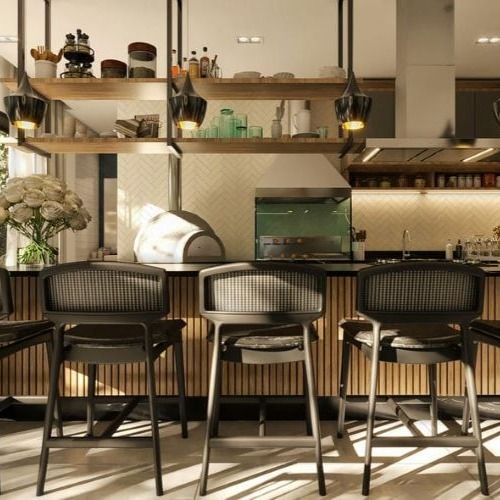
Explore 23 projects with a gourmet space, from compact houses to high-end models with a pool and barbecue. Find the perfect plan for your home!
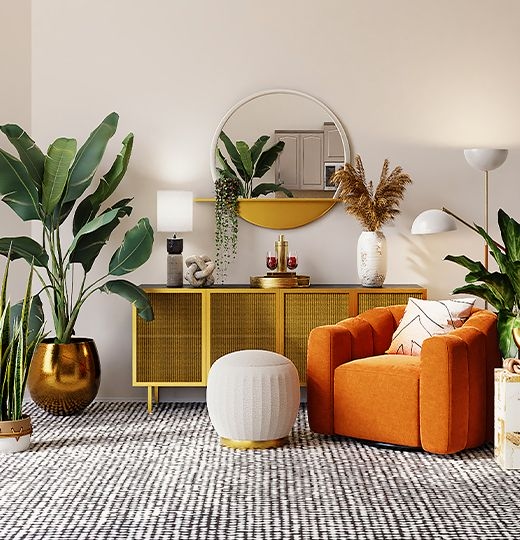
In this article, we will highlight the trends that continue to evolve, while also presenting some exciting new developments in the field of architecture, interior design, and decoration.

In the world of colors, there are three main categories that describe their visual and emotional characteristics: warm, cool, and neutral colors.
Advertise or Publish
We believe that the best ideas arise from the exchange of experiences and the sharing of different perspectives. Open the doors to new opportunities and be part of our blog! If you have an interesting article, an amazing work, a product or service that deserves to be highlighted, contact us.